
Fire Safety Myths That Put Your Business at Risk
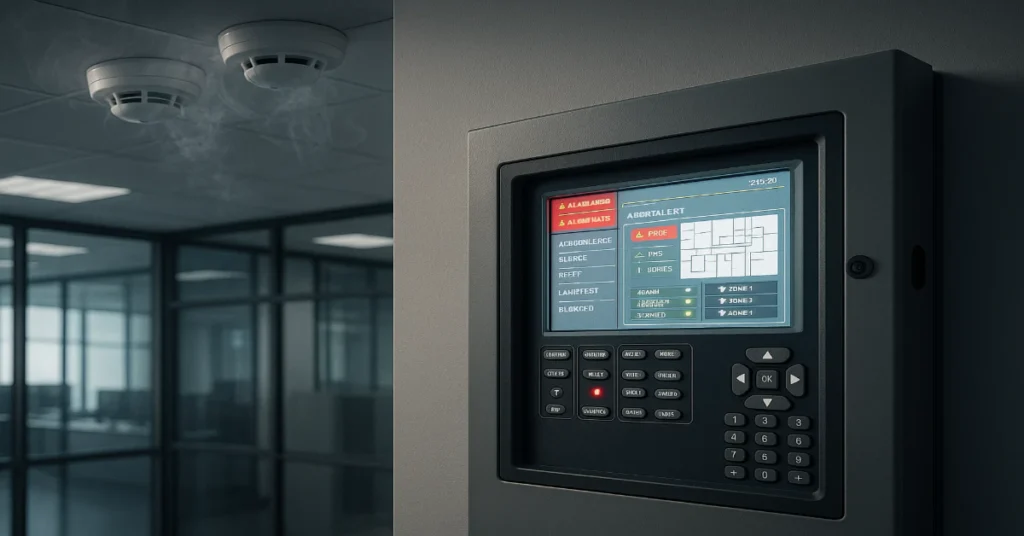
Fire safety in workplaces and commercial buildings often suffers due to misinformation. Many business owners believe their existing safety measures are enough, simply because “nothing has gone wrong yet.” However, fire hazards do not wait for the right time. A small spark, unnoticed smoke, or delayed response can turn into a catastrophic incident within minutes. This is why understanding common fire safety myths is essential for every business, whether it is a hotel, warehouse, office, retail outlet, data centre, or manufacturing plant. Fire protection is not just a compliance requirement but a fundamental part of risk management and business continuity planning. This detailed guide breaks down the most dangerous fire safety myths that put businesses at risk, explains the truth behind each and highlights how modern systems, such as addressable fire alarm technologies including those used by GST, are helping organizations strengthen their safety infrastructure. Why Fire Safety Myths Are Dangerous for Businesses Myths create a false sense of security. Many organizations assume basic fire equipment, occasional inspections or old fire alarm panels are enough to protect their premises. Unfortunately, this mindset often leads to: • delayed detection• slow evacuation• ineffective response• uncontrolled fire spread• higher property losses• legal consequences• downtime and operational shutdown Fire safety is not just about having equipment, it is about system reliability, updated technology and people being aware of how to react during emergencies. Let’s look at the most common myths businesses still believe and understand the real risks behind them. Myth 1: “A Basic Fire Alarm System Is Enough for Any Business.” Many businesses think that having any fire alarm panel, especially an old or conventional one is sufficient. This assumption becomes dangerous when premises expand, occupancy increases or operations become more complex. The Reality Basic or outdated systems cannot provide: • pinpoint accuracy of where the fire started• differentiated alerts for smoke, heat, or system faults• early warning in large or multi-floor buildings• automatic diagnostic reporting• networked communication with other safety systems Modern buildings require modern systems. That is why many industries are moving toward addressable fire alarm technology, including solutions offered by GST, which help identify exact detector locations and reduce reaction time. This is not about brand promotion; it is simply the direction in which fire technology has evolved. Myth 2: “Fire Safety Is Only Needed for Industrial Sites.” Some business owners assume that industries like manufacturing, oil & gas or chemical plants face high fire risks, while offices, hotels or commercial outlets do not. This thinking leads to minimal investment in fire protection for so-called “low risk” buildings. The Reality Fire incidents happen everywhere. Offices, malls, hospitals and hotels experience fires due to: • overloaded electrical circuits• AC compressor failures• short circuits in lighting systems• kitchen accidents• UPS room overheating• server room smoke• smoking in prohibited areas Even a small retail shop contains flammable materials like paper, packaging, fabrics or cleaning chemicals. No business is fire-proof, which makes modern detection systems essential across all sectors. Myth 3: “Fire Extinguishers Alone Will Protect the Building.” Extinguishers are important, but they are often mistaken as the primary fire safety tool. The Reality Extinguishers work only if: • an employee is present nearby• the fire is at its earliest stage• the right type of extinguisher is used• the person knows how to operate it• the extinguisher is maintained and not expired Most fires grow too quickly for extinguishers to be effective. That is why reliable detection, especially from addressable fire alarm systems plays a critical role. These systems detect smoke or heat early, send signals to control panels and activate alerts automatically. Early detection is the most important step, not manual extinguishing. Myth 4: “False Alarms Are Normal in Every Building.” Many businesses accept false alarms as part of their daily routine. Some even disconnect detectors temporarily to avoid disturbances, an extremely risky practice. The Reality Frequent false alarms are a sign of: • poor-quality detectors• dusty or corroded equipment• improper maintenance• outdated panels• wiring issues• conventional system limitations Addressable fire alarm systems, like those widely adopted across India including GST models, significantly reduce false alarms by analyzing sensor data more intelligently. When a business switches from conventional to addressable, the difference in accuracy is immediately noticeable. False alarms are not “normal”, they are the early warning signs of system failure. Myth 5: “Fire Safety Is Only About Meeting Local Compliance.” Many businesses treat fire protection like a checklist item. Once they pass inspections, they assume they are safe for the next few years. The Reality Compliance ensures minimum safety, not maximum safety. Standards evolve. Risks change. Buildings age. Electrical loads increase. Human behavior shifts. Technology progresses. Fire safety must be: • proactive• regularly updated• preventive• aligned with the business environment Companies that rely only on compliance often fail during actual emergencies. Addressable systems like those commonly implemented using GST’s technology offer better future-proofing because they support scalable architecture, easy integration and automated monitoring. Myth 6: “Older Fire Alarm Panels Work Just As Well as New Ones.” Many businesses avoid system upgrades because the old panel “still works.” However, functioning does not mean performing. The Reality Older systems often lack: • advanced sensor communication• loop-based wiring diagnostics• precise fault tracking• real-time monitoring• compatibility with new detectors• backup protocols Additionally, procurement of spare parts for older panels becomes difficult over time. New-generation addressable systems offer improved: • response time• integration• accuracy• firmware updates• fire logic flexibility This improvement directly impacts business safety. That is why engineers today prefer advanced systems from trusted brands such as GST, not as a promotional claim, but as part of the technological evolution in the fire detection industry. Myth 7: “Training Employees Once a Year Is Enough.” Some organizations conduct a single annual drill just to satisfy safety audits. The Reality During a real fire event: • panic spreads• visibility reduces• smoke confuses people• staircases become crowded• decision-making becomes slow Only regular training prepares employees to react confidently. Businesses should practice: • evacuation drills• extinguisher operations• detector and
Why Hotel Chains Are Switching to Addressable Fire Alarm Panels
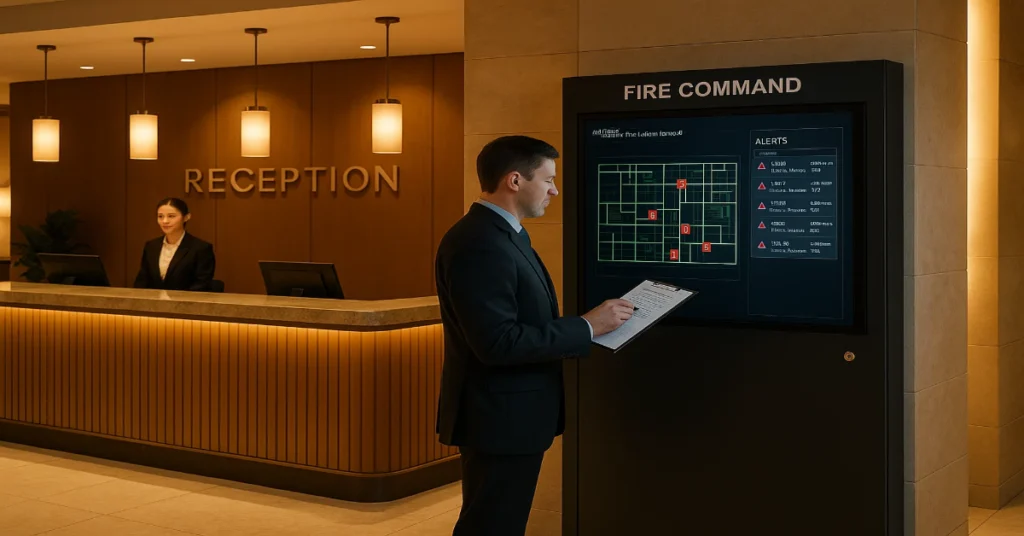
Modern hotels operate in a highly competitive environment where guest experience, safety, operational reliability and compliance directly influence reputation. Among all building systems, the fire alarm system is one of the most critical components for both safety and brand credibility. In recent years, hotel chains across India and globally have started replacing their older conventional fire panels with addressable fire alarm systems. This shift is not driven by trend alone, it comes from real operational benefits, safety improvements and strong compliance requirements. Addressable systems provide hotels with precise control, real-time data and a smarter approach to handling alarms. This article explains why hotels are transitioning, what advantages they gain, how addressable systems reduce long-term costs and where brands like GST addressable fire alarm systems fit in this transformation. Understanding the Hotel Environment: Why Fire Alarm Precision Matters Hotels are large, dynamic and continuously occupied buildings. Many contain several hundred rooms spread across multiple floors, along with kitchens, laundries, corridors, basements, lifts, meeting halls, roof-top areas and mechanical rooms. This translates into: In such environments, a fire alarm system must be accurate, fast, scalable and easy to maintain. Conventional panels often fall short in these areas. Limitations of Old Conventional Fire Panels in Hotels Many hotels still use systems that only indicate the “zone” of a fire or fault rather than the specific device. These systems create several challenges: Weak Fault IdentificationIf a detector fails, the panel will show a “zone fault.” The maintenance team then checks dozens of devices one by one. This increases the risk of downtime. False Alarms Affect Guest ExperienceFalse alarms can cause panic, property damage and reputation loss. Guests may share negative experiences online, impacting brand trust. Higher Maintenance CostsMore man-hours, longer troubleshooting time and repeated inspections make conventional systems expensive in the long run. Limited ScalabilityAs hotels renovate or expand their floors, conventional systems require additional wiring and panel upgrades. Delayed Emergency ResponseThe panel cannot identify the exact detector that triggered an alarm. This delays staff response and increases fire spread risk. These limitations are exactly why hotels now prefer addressable systems, which eliminate these operational pain points. Why Hotels Are Switching to Addressable Fire Alarm Panels Precise Device-Level Location for Every Alarm Addressable fire alarm panels identify each detector, MCP, module and sounder with a unique address. When a fire or fault occurs, the panel shows: This is game-changing for hotels because: For example, if a smoke detector in “Room 509 – Corridor Detector 03” activates, the panel pinpoints this device immediately. This level of clarity is essential in large hotels where quick decision-making matters. Dramatic Reduction in False Alarms False alarms are one of the major reasons hotels switch to addressable fire systems. Addressable systems include: These features help prevent false triggers due to dust, humidity, steam or aging sensors. Hotels report that switching to addressable detectors reduces false alarms by 30% to 60%, depending on building conditions. This translates into fewer disruptions and a smoother guest experience. Better Fire Response and Evacuation Strategy Addressable systems support advanced evacuation features such as: Hotels can create evacuation strategies based on: This ensures a controlled evacuation rather than a panic situation where all floors evacuate simultaneously. Scalability Across Multiple Hotel Floors and Blocks Hotels frequently expand: Addressable fire systems allow easy integration of new zones without massive rewiring. A new device can simply be looped into the existing addressable network. This flexibility helps large hotel chains maintain consistency across all their properties. Lower Cabling Costs and Easier Installation While conventional systems require separate wiring for each device or zone, addressable systems use a single loop for multiple devices. This reduces: Hotels benefit from up to 30-40% savings in cabling during new installations or renovations. Centralized Monitoring for Multiple Buildings Many premium hotel chains operate from: An addressable system allows all buildings to be connected to a central location using: Security staff can monitor the entire property from a single Fire Control Room (FCR). This is especially useful for resorts and large hotel campuses. Compliance with Modern Fire Safety Standards Hotels must comply with: Addressable systems help hotels meet these standards easily since they provide: Many modern certifications now recommend or prefer addressable systems over older conventional options. Role of GST Addressable Systems in the Hotel Sector GST addressable fire alarm systems are widely used in hotels due to their: This is one reason many hotel engineers and consultants include GST systems during fire safety upgrades. The intention here is not to promote but to acknowledge that GST is a recognized brand in the Indian hospitality sector’s fire safety ecosystem. How Addressable Fire Panels Support Hotel Operations Beyond Safety Modern addressable panels go beyond basic alarm functions. They integrate with other hotel systems such as: Addressable panels can automatically: This automation reduces staff workload and ensures the hotel follows a predictable emergency sequence. Better Data Visibility for Hotel Facility Teams Hotels benefit greatly from the data that addressable systems provide: Facility teams use this data to: This is especially helpful in large hotel chains with multiple properties. Enhancing Guest Trust and Brand Reputation Guests expect hotels to provide: Installing addressable fire alarm systems strengthens guest trust because these systems demonstrate that the hotel prioritizes life safety. Many hotels subtly highlight their safety measures on their website or brochures. A reliable fire alarm system indirectly supports brand value. Cost Efficiency Over Long-Term Operations Even though addressable systems may cost more initially, hotel chains switch because they save significantly over time through: These savings make addressable panels more sustainable for hotel operations. Why the Shift Is Growing Faster in 2025 and Beyond The last few years have accelerated the shift because of: Hotels aim to future-proof their infrastructure, and addressable systems fit that goal perfectly. Note: Hotel chains are switching to addressable fire alarm panels because these systems offer precision, scalability, reduced false alarms, low maintenance costs and strong compliance support. In environments where safety, reputation and uninterrupted guest experience matter most, the advantages of addressable systems