
What Brands Don’t Tell You About Fire Alarm System Lifespan
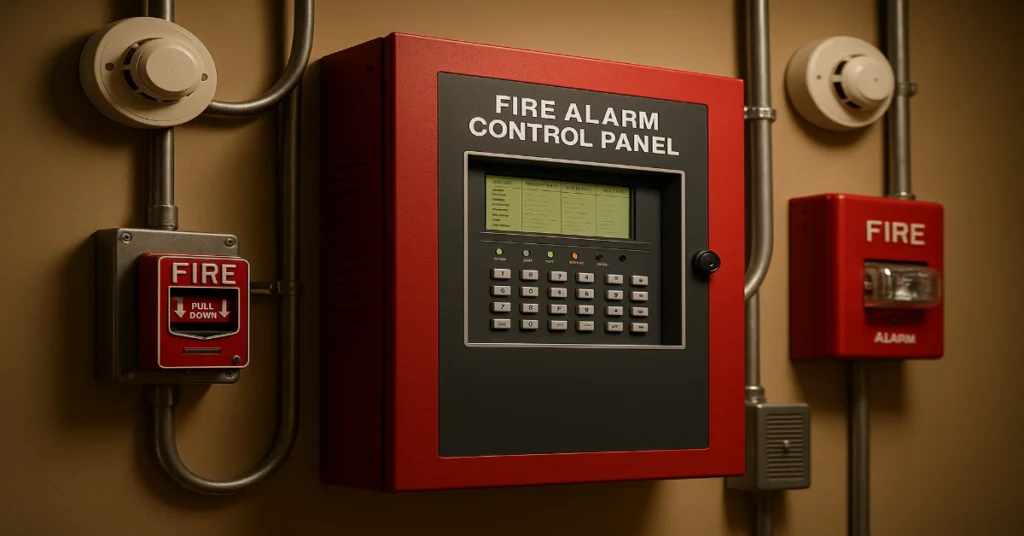
Fire alarm systems are marketed as long-term safety investments. Most brands highlight certifications, features, aesthetics and pricing. But one crucial topic rarely appears in brochures or sales pitches, the real lifespan of a fire alarm system. The truth is that a fire alarm system has more than one lifespan. Its electronics, sensors, cabling, software and field devices age differently. Environmental conditions, maintenance quality and technology updates also influence how long the system remains reliable. This article breaks down the hidden aspects of fire alarm lifespan many brands don’t openly discuss, using engineering insights. You will also see how modern addressable ecosystems such as GST systems handle these lifecycle challenges better, without turning this into a promotional piece. By the end, you will understand exactly what affects system longevity, how to plan replacements and what specifications help extend operational life. 1. The “Promised Lifespan” vs. the “Practical Lifespan” Most brands claim a fire alarm panel lasts 8 to 15 years. While this is technically true, it can be misleading because it refers only to the control panel hardware. In real-world conditions, fire alarm systems function as ecosystems. Their lifespan depends on: Many brands advertise only the maximum theoretical lifespan. Engineers know the practical lifespan varies based on: Component Ideal Lifespan Practical Real-World Lifespan Control panel 10–15 years 8–12 years Addressable detectors 8–10 years 5–8 years (depending on dust exposure) Batteries 3–5 years 2–3 years Sounders 10–15 years 7–10 years Cabling 15–20 years 10–15 years Software/firmware No fixed lifespan Needs update every 3–4 years What brands don’t tell you:A fire alarm system does not fail at once. It ages in layers. Addressable systems like GST handle this well because they support modular replacements. You can replace only outdated components while keeping the existing loop infrastructure active. 2. Technology Becomes Obsolete Faster Than Hardware Even when the hardware is functioning, technology on which it runs becomes outdated. This is one of the biggest industry secrets. What becomes obsolete first? A. Protocols Older systems operate on outdated communication protocols that are either slow or incompatible with new detectors. B. Firmware Many brands lock firmware updates or discontinue support after 7–10 years. C. Panel Expandability An old panel may not support new: Modern ecosystems like GST addressable systems typically ensure backward compatibility. As a result, outdated devices can still operate with new-generation panels or loop cards, which extends the usable life. 3. Dust, Humidity and Heat Cut Detector Lifespan by 30–50% Most marketing materials specify detector lifespan assuming: In reality, industries like manufacturing, hotels, warehouses and malls have: This reduces detector efficiency drastically. What brands don’t usually clarify: Addressable ecosystems (like GST) mitigate this with: These features extend the operational life without needing premature replacement. 4. The Lifespan of Cabling Is Often Ignored But Critical Brands emphasize devices, not cabling. But cables form 70% of the physical system. Cabling failure reasons: Even high-quality panels cannot compensate for bad cable health. GST and similar modern addressable systems support loop isolation, meaning even if a cable section fails, the loop survives. This reduces system downtime and extends overall reliability. 5. Sensor Drift Is the Silent Reason Most Systems Fail Early Every detector’s sensitivity changes over time. This phenomenon, called drift, is rarely discussed in brand literature. Why drift matters: Most conventional systems require manual recalibration. Engineers often miss this step, shortening system life. Addressable detectors in systems like GST come with: This allows detectors to maintain accurate sensitivity for longer, extending lifespan naturally. 6. Battery Replacement Determines Whether Your System Lives or Dies Brands highlight panel lifespan……but the system runs on batteries, not mains. Batteries degrade due to: If batteries fail, the entire system fails, even if the panel and detectors are new. Best practice: Good addressable systems monitor battery health and alert maintenance teams early. 7. Maintenance Quality Influences 40% of the System’s Longevity Most brands avoid discussing maintenance responsibility because: Poor maintenance includes: Maintenance-friendly systems like GST have: These help engineers protect system lifespan more effectively. 8. Software Support Controls the Life of Your Fire Alarm Panel As buildings expand, merge floors, or add new areas, the fire alarm system must adapt. Many brands restrict: Once software support ends, the system becomes technologically outdated even if the hardware works. Addressable systems known for long support cycles (GST included) allow: This keeps the system functional beyond its standard lifespan. 9. False Alarms Destroy System Life Faster Than Actual Fires Frequent false alarms cause: Most false alarms occur due to: Addressable systems minimize false alarms by: This drastically extends device lifespan. 10. Replacement Cycles Are Not Uniform and Brands Don’t Highlight This The truth: No fire alarm system ages uniformly. Engineers must plan for: Brands rarely reveal these staggered replacement cycles because they complicate buying decisions. Modern addressable systems minimize these cycles through: This lowers lifetime cost without heavy early replacements. 11. End-of-Life Announcements Are Often Delayed Brands avoid early end-of-life (EOL) announcements because: Many users find out too late that their system: Well-established ecosystems like GST generally maintain transparent support cycles and ensure long-term compatibility. 12. System Life Depends on How Smartly It Adapts to Building Growth If your building evolves, your system must evolve too. A system’s lifespan shortens drastically when: Addressable platforms that support: …naturally last longer, even if you don’t replace them fully. The Real Lifespan of a Fire Alarm System Depends on Engineering, Not Branding Fire alarm systems do not fail because they are “old.”They fail because: Brands don’t openly discuss these factors, but engineers must. Addressable fire alarm systems like those in the GST ecosystem extend real-world lifespan by offering: These engineering advantages help preserve operational lifespan naturally, without needing promotional claims. A well-installed, well-maintained and technologically supported system can protect a building for 15–20 years, even if individual components need scheduled replacements. That is the real truth most fire alarm brands never openly tell you. Read Also: 5 Problems in Old Fire Panels That GST Addressable Systems Completely Solve Read Also: 12 Technical Specs Engineers Must Check Before Choosing
12 Technical Specs Engineers Must Check Before Choosing a Fire Alarm Panel
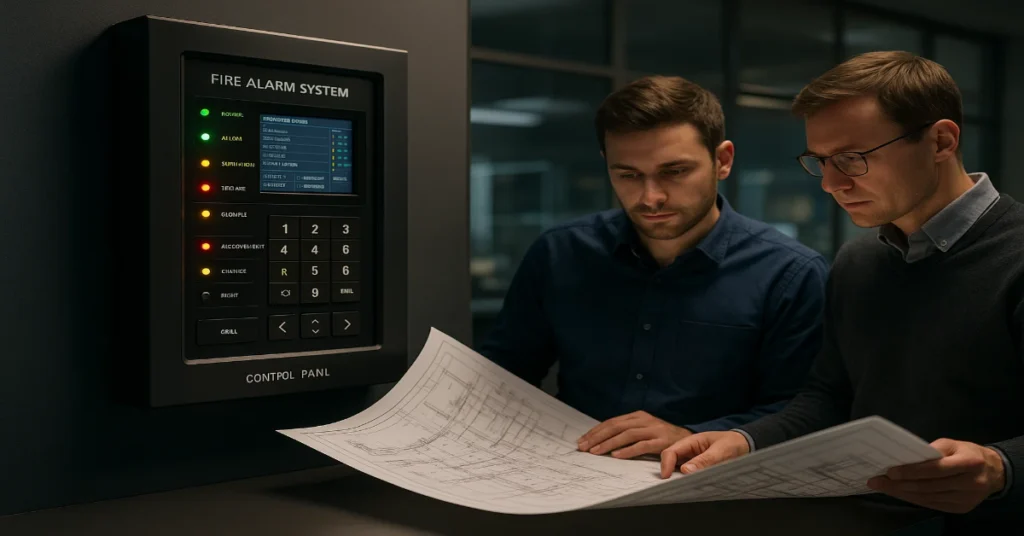
Selecting the right fire alarm panel is one of the most critical engineering decisions in any building project. Whether it is an industrial plant, commercial tower, hospital, hotel or data centre, the fire panel functions as the brain of the entire fire detection ecosystem. A wrong choice can lead to high false alarms, maintenance challenges, integration issues and non-compliance with local safety codes. Modern buildings, especially smart infrastructures, require panels that deliver accuracy, scalability, interoperability and long-term reliability. Because of this, engineers cannot rely on assumptions or vendor claims. They must evaluate a fire alarm panel purely based on technical specifications, system architecture and performance parameters. This article explains 12 essential technical specifications engineers must verify before selecting a fire alarm panel. Each specification is suitable for engineering, EPC and facility management teams. Importance Of Technical Evaluation In Fire Alarm Engineering Fire alarm selection is no longer just about choosing between “conventional” or “addressable.” Today, stakeholders expect: Engineers therefore require a structured technical evaluation checklist. The following 12 parameters form the backbone of that checklist. 1. System Architecture: Addressable Vs. Conventional Capability The first technical specification engineers must evaluate is the system architecture itself. Addressable systems provide: Conventional systems, although cheaper initially, become more expensive when scaling, rewiring, or troubleshooting. Most modern industrial and commercial projects now prefer addressable panels because they support programmable logic, mapping, device isolation and large system expansions. Tip For Engineers:Check whether the panel supports true digital addressable communication rather than pseudo-addressable loops. 2. Loop Capacity And Total Number Of Addresses Supported Loop capacity determines how many devices the panel can manage. Engineers should examine: Large facilities such as airports, malls or manufacturing plants require higher loop density and better power distribution. A panel with sufficient loop capacity reduces the need for multiple interconnected systems. 3. Communication Protocol And Device Compatibility Every fire alarm panel communicates with detectors, modules and call points using a specific protocol. Engineers must verify: A stable and open communication protocol ensures long-term reliability. Proprietary or restricted protocols may limit device choices or increase future maintenance and purchasing costs. 4. Networkability And Panel-to-Panel Communication For medium and large projects, the ability to network multiple panels is essential. Engineers should confirm: A robust networking capability ensures the entire facility operates as one unified system, even if panels are installed in different sections of the building. 5. Response Time And Event Processing Speed Fire detection requires fast action. Engineers must evaluate: Modern panels use intelligent algorithms to differentiate smoke, heat and pre-alarm conditions. Faster processing improves occupant safety and reduces emergency response delays. 6. Display Interface And Human-Machine Interaction A clear and intuitive display improves operational efficiency. Engineers should assess: Advanced user interfaces help reduce training requirements for facility management teams. 7. Integration Capability With BMS, CCTV and Automation Systems Modern smart buildings depend on interconnected systems. Engineers must verify whether the fire panel can integrate with: Integration typically uses protocols such as: Panels that support standard communication protocols offer seamless interoperability across platforms. 8. Power Supply Capacity and Battery Backup Specifications Fire alarm panels require stable power and reliable backup. Engineers must evaluate: Insufficient power supply can lead to unexpected shutdowns and premature battery failure. 9. Detector and Module Compatibility Range A panel’s capabilities depend significantly on the range of compatible devices. Engineers should check compatibility with: A wider device ecosystem offers greater flexibility during design and commissioning. 10. Event Logging, History Storage and Reporting Features A professional-grade panel must maintain detailed logs of all critical activities, including: Engineers should review: Strong reporting functions help with audits, insurance reviews and compliance inspections. 11. Compliance with Global and Local Standards A fire alarm panel must comply with widely accepted testing and certification standards. Engineers should check for approvals such as: Compliance ensures safety reliability and smooth approval from local fire departments. 12. Scalability and Long-Term Upgrade Potential Fire alarm systems typically have a lifecycle of 10 to 20 years. Engineers must ensure the selected panel can grow and upgrade over time. Key factors include: A future-ready panel lowers long-term costs and prevents premature system replacement. How Engineers Can Use These 12 Specs To Build A Selection Framework Engineers can convert these specifications into a technical comparison sheet. This may include: This matrix enables fast and unbiased comparison across different brands and models. Why Technical Specifications Matter More Than Initial Price Procurement teams often focus on pricing, but engineers must highlight that: A technically superior panel reduces long-term system failures and maintenance costs. Practical Tips For Engineers Before Final Selection To ensure a smooth implementation, engineers should: These steps help prevent risks during commissioning and ensure system reliability. Note: Choosing a fire alarm panel is not just a procurement task; it is a vital engineering responsibility. It directly influences life safety, regulatory approvals and operational continuity. By evaluating these 12 technical specifications, engineers can confidently select a fire alarm panel that delivers stability, accuracy, integration capability and long-term performance. A systematic technical approach ensures the chosen panel meets both current and future building requirements while maintaining the highest level of fire safety assurance. Read Also: Why Hotel Chains Are Switching to Addressable Fire Alarm Panels Read Also: Fire Safety Myths That Put Your Business at Risk