
Fire Panels With Modular Architecture: Why They Save Money Over Time
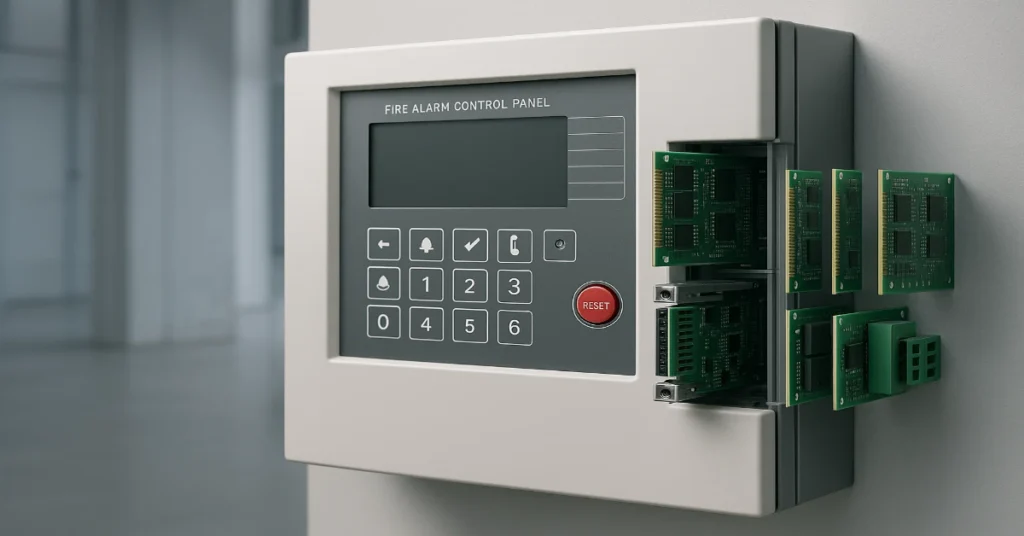
Fire safety systems are long-term investments. When organizations choose a fire alarm panel, they usually focus on the upfront cost, how much the panel, detectors or accessories cost today. But fire protection is not a one-time expense. It evolves with your building, regulations, occupancy load, safety goals and future expansions. This is exactly where modular-architecture fire panels stand out. In the last decade, more building owners, consultants and facility managers have started shifting from fixed, rigid fire alarm panels to modular designs offered by advanced addressable systems. Brands known for scalable architectures, such as those used widely in commercial, industrial and infrastructure projects have made modularity a trusted foundation for long-term fire safety planning. But what does modular architecture actually mean? And how does it translate into real, measurable cost savings? This article dives deep into how modular fire panels work, the financial advantages they create and why they outperform conventional “fixed-capacity” panels over the lifespan of a building. What Is Modular Architecture in Fire Panels? A fire alarm panel with modular architecture is designed like a building block system. Instead of offering a fixed number of loops, zones or interfaces, it allows users to add, remove or replace modules based on current or future requirements. Examples of modules include: This architecture lets you scale your fire detection system without replacing the panel, wiring, or major components. Brands with advanced addressable systems, like the ones used commonly in IT parks, tech campuses, hospitals, airports, manufacturing units and commercial complexes, typically follow this modular approach, giving building owners a more flexible, economical path forward. Why Modular Fire Panels Save Money Over Time Below are the most important ways modularity reduces long-term costs, simplifies operations and increases system lifespan. 1. Lower Installation Cost Because You Don’t Buy Everything Upfront Traditional fire panels force you to purchase full capacity on day one, even if you don’t need it. Modular panels work differently. You only install the modules you need today, such as: As your building grows, you simply add more modules without replacing the entire panel. This avoids unnecessary upfront expenses and reduces procurement costs by 30-40% during the initial installation. This is why modern addressable systems with modular design are preferred for campuses and multi-phase projects. 2. Easy, Affordable Expansion Without System Replacement When your fire protection system grows, expansion becomes a major cost factor.Conventional panels often require: Modular panels eliminate these expenses. You can scale vertically (more detectors, more loops) or horizontally (new buildings, new floors, new areas) by simply plugging in new modules. This results in: For organizations with future growth plans, IT hubs, universities, manufacturing sites, hotels, hospitals, this scalability becomes a vital long-term cost saver. 3. Reduced Maintenance Costs Due to Independent Replaceable Modules Maintenance costs are a significant part of fire system ownership. With a modular system: This dramatically reduces service charges, downtime and component replacement cost. A modular addressable panel allows technicians to isolate the fault to a single card. This means: For buildings with continuous operations, like data centres, airports, industrial facilities, this reliability reduces risk and cost. 4. Longer System Lifespan (10–20 Years With Module Upgrades) One of the biggest financial benefits of modular fire panels is their extended lifespan. In fixed systems, technology upgrades often require replacing the entire panel. In modular systems, you only update the modules. Examples: This ensures that your fire alarm system stays technologically current for years. Building owners often extend the life of their fire panel by an additional 8-10 years simply by upgrading modules instead of replacing the whole system. 5. Reduced Downtime Means Lower Operational Loss Every minute of downtime in fire detection increases operational risks, especially in high-value facilities like: Modular panels reduce downtime because: When downtime becomes costly, modular architecture offers a clear operational advantage. 6. Better Integration with Modern Building Systems (No Extra Panels Required) Modern infrastructure requires communication between: Modular fire panels allow easy integration using plug-in interface modules. Instead of purchasing new devices or integration panels, you simply add: This eliminates expensive external integration hardware. Brands known for intelligent addressable technologies, especially those used frequently in airports, tech parks and industrial zones, have strong modular integration capabilities, giving them an edge in complex project environments. 7. Easier Compliance With Future Regulations (Lower Re-Certification Cost) Fire safety regulations evolve every few years. This usually means more: Modular panels make compliance easier because you only need to install the required modules, not overhaul the system. This drastically lowers the cost of: Buildings with modular architecture panels stay compliant longer and at lower cost. 8. Less Hardware Clutter and Reduced Cabinet Costs Fixed fire panels often require: A modular panel fits most expansion modules within the same cabinet. This saves money on: Especially in commercial complexes or industrial plants, saving wall space and cabinet cost directly reduces project cost. 9. Highly Reliable System Architecture (Lower Fault-Related Expenses) Modular panels use isolated modules, meaning: This reliability prevents costly issues like: Reliability directly translates into lower financial losses and better safety outcomes. 10. Lower Training and Manpower Costs Modular panels are easier to: Technicians can handle modules individually, reducing skill requirements and training time. This also cuts down on: This is particularly beneficial for organizations with multi-building campuses. How GST’s Modular Addressable Architecture Fits Into This Vision GST systems are widely used in global commercial, industrial and infrastructure projects. One of the reasons is their strong modular architecture, which offers: This modular design helps building owners upgrade, expand and maintain systems more economically over long periods, making them a practical choice for customers who prioritise cost-efficiency and long-term performance. Real-World Scenarios Where Modular Panels Save Money Scenario 1: A Growing IT Park An IT park starts with 2 buildings and later expands to 7.With a modular panel, only loop cards and networking modules are added, saving lakhs in reinstallation costs. Scenario 2: A Hospital With Continuous Operation A hospital needs zero downtime.Faulty modules are replaced instantly without shutting down the system, eliminating service disruption. Scenario
What Fire System to Buy for Buildings With Frequent Power Cuts
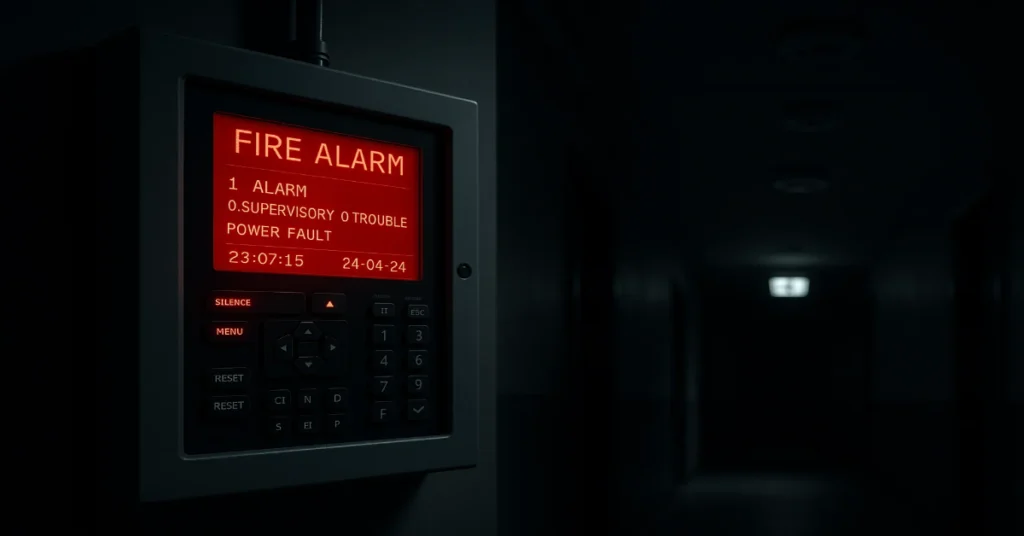
Imagine this situation:It’s 10:45 PM. The power goes out across the building again. Emergency lights flicker on, the generator begins its slow rumble and the elevators stop mid-floor. Someone lights a candle. Someone else tries switching on a portable gas stove. Batteries get overloaded. Electrical circuits strain when supply returns. And during all this, you wonder: “If a fire starts during this blackout, will the fire alarm system even work?” This question is not trivial. In regions where power cuts happen daily or weekly, a poorly chosen fire system becomes a silent liability. This article breaks down exactly what type of fire alarm system you should install in such buildings, based on engineering logic, power behavior and real-world building performance. Understanding the “Power-Cut Stress Test” for Fire Systems Most people evaluate fire systems based on: But in power-unstable environments, these are secondary.The real test is: How does the fire system behave when electricity becomes unpredictable? To understand the right choice, let’s walk through the five main stresses a blackout creates. 1. Sudden Power Loss Conventional systems reboot instantly. Some panels freeze. Some emit false alarms. Some detectors disconnect. 2. Voltage Dips and Surges During power return, buildings often face: These conditions damage sensitive electronics. 3. Battery Abuse Every blackout forces the system to switch to backup batteries.Frequent charging cycles shorten battery life drastically, especially in systems not designed for this environment. 4. Communication Failures When panels restart repeatedly, they lose track of: This is extremely risky inside crowded or multi-floor properties. 5. Generator Delay Most generators take between 8-45 seconds to stabilize.Some buildings take even longer. In this window, your building’s only protection is: the fire panel + the batteries + loop load quality. Only certain systems can handle this. Why Addressable Technology Becomes the Logical Choice Forget marketing. Forget branding. Think of pure electrical engineering. When power becomes unstable: These characteristics exist primarily in addressable fire alarm systems. This is also why many consultants, especially in countries with power instability, lean toward architectures similar to GST’s addressable ecosystem known for efficient loop current, strong power regulation and robust surge protection. The Three Fire System Categories – Which One Survives Power Cuts? Let’s analyze the options available. Category 1: Conventional Fire Alarm Systems Good for: Small shops, very low-budget installationsBut in power-cut-heavy buildings: Conclusion:Not suitable for buildings with unstable electricity. Category 2: Hybrid/Networked Conventional Systems Good for: Mid-size buildings trying to upgrade incrementallyBut in power cuts: Conclusion:Better than basic conventional systems, still not reliable for blackout-prone areas. Category 3: Addressable Fire Alarm Systems (Recommended) Why addressable wins the power-cut battle: This is the main reason systems engineered with GST-grade power management are commonly recommended for Indian, Middle Eastern, African and South Asian markets where grid instability is normal. How to Choose the Right Fire System for Buildings With Power Cuts Let’s create a practical method that any building owner or engineer can use. Step 1: Estimate Your Blackout Frequency Ask your facility team: If the answer is more than twice per month, you need an addressable system with strong backup. Step 2: Audit the Building’s Power Quality During outages, note the following: If yes, you need a panel built to withstand unstable power. Systems with resilience similar to GST addressable panels handle these fluctuations efficiently. Step 3: Choose Panels with Three Critical Power Features 1. Wide input voltage range Handles 160V–260V variation. 2. Intelligent battery charging system Prevents battery burnout when power fluctuates. 3. Surge and spike protection Shields the system when supply resumes. Panels without these features won’t survive long in unstable environments. Step 4: Choose Loop-Powered Devices This reduces dependency on separate power supplies. Loop-powered: …ensure the system remains functional even if auxiliary power drops. Many addressable ecosystems, including those similar to GST are specifically optimized for loop load stability. Step 5: Evaluate Backup Battery Autonomy Minimum acceptable: For buildings with frequent cuts: And for mission-critical buildings: Step 6: Select a Panel That Doesn’t Reboot Under Stress Good systems stay live even at low voltage.Great systems stay live and keep their communication intact.GST-style systems excel here because of stable microprocessor architecture. Section 5: Real Scenarios – What Happens When the Wrong System Is Installed? Let’s look at common building types where power cuts are frequent. Case 1: Hostels & PG Buildings Power goes off, fans stop, people light candles.A conventional system restarts and misses early smoke signals.Outcome: undetected risk. Case 2: Factories with Heavy Motors Generators output inconsistent voltage.A basic fire panel overheats or reboots.Outcome: emergency response delay. Case 3: Hospitals in Tier-2 Cities Backup power is strong, but voltage dips occur.Only addressable systems with isolated loops handle this without false alarms. Case 4: IT Parks in Developing Areas Frequent low-voltage triggers panel faults.Only systems optimized with industrial-grade regulation (like GST level) remain stable. Section 6: The Ideal Fire System Configuration for Power-Cut-Prone Buildings Here is the recommended setup: Addressable Fire Alarm Panel With wide voltage tolerance and intelligent battery logic. Addressable Detectors Low power + self-diagnostics. Loop-Powered Sounders Reduces extra power supply dependency. Additional Battery Bank To extend autonomy. Surge Protection Units Mandatory in generator-fed environments. Remote Monitoring Module Enables alerts even during blackouts. This combination ensures the highest level of uptime during power failures. Why GST-Grade Addressable Systems Fit Power-Unstable Buildings Naturally This is why consultants often shortlist GST for such environments. A Quick Decision Summary If you want maximum reliability in a blackout-heavy area, choose: If you want minimum faults and longer system life, choose a system engineered with the durability and power resilience found in GST-style addressable systems. Note: Electricity may fail.Generators may delay.Voltage may fluctuate.Batteries may drain fast. But your fire alarm system should never go offline, not even for a few seconds. Buildings in power-cut-heavy areas need a fire system that is: Addressable systems especially those built with the durability seen in GST-grade electronics, provide exactly this level of protection. Choose a fire system not for its features on paper, but for its power survival capabilities in the real world. Read