
Must-Have Modules for Any GST Addressable System (I/O Modules, Loop Isolators)
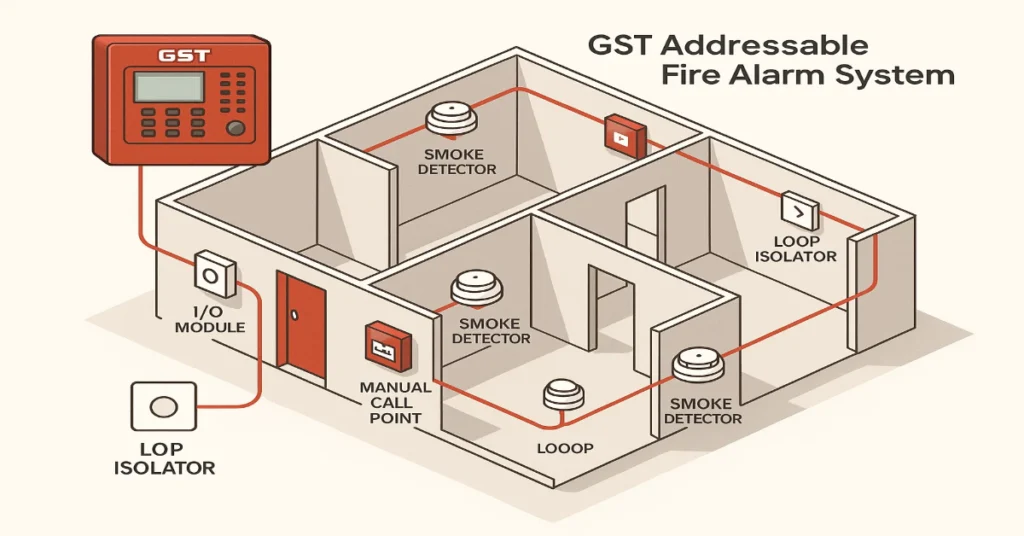
Modern buildings demand a fire alarm system that responds fast, communicates clearly and adapts to changes over time. Addressable fire alarm systems meet these expectations because they offer flexibility, intelligence and precise pinpointing of alarm locations. Among all addressable system brands, GST (Gulf Security Technology) has become a widely adopted choice across malls, hospitals, corporate towers, hotels, manufacturing units, airports and government buildings, mainly because its modular design allows integrators to build systems that are both scalable and future-ready. While panels, detectors and manual call points often receive the attention, the real backbone of an addressable system lies in its modules, especially I/O modules and loop isolators. These components silently ensure that the system works smoothly, even in harsh electrical conditions or during expansion, retrofitting or integration with third-party equipment. This article explores why I/O modules and loop isolators are essential for any GST addressable system, how they function, how they are used and how they future-proof fire safety infrastructure. Why Modules Matter in an Addressable Fire Alarm System To understand the importance of modules, you first need to understand the architecture of an addressable fire alarm loop. A loop connects all devices, detectors, call points, sounders and modules back to the fire alarm control panel. Every GST addressable device has a unique address, allowing the panel to identify where an incident occurs. But what happens when: This is exactly where modules come into play. They enable the system to perform additional tasks, communicate with external equipment and isolate faults so the loop continues functioning. Understanding the Two Most Critical Modules – I/O Modules & Loop Isolators Below is a deep and practical explanation of their roles in any GST addressable system. I/O Modules: The Communication Bridge for Fire System Integration I/O modules (Input/Output modules) are among the most frequently used components in any addressable system. They work as translators between the fire alarm panel and external third-party systems. What an I/O Module Does An I/O module allows the fire panel to: In other words, every time a fire alarm needs to trigger something or monitor something, you need an I/O module. GST’s addressable I/O modules are used widely because they: Where I/O Modules Are Essential Below are typical real-world scenarios where an I/O module becomes mandatory. Fire Pump Start/Stop Commands The fire alarm system must start the pump automatically when a sprinkler flow switch or deluge valve is triggered. The I/O module receives the feedback and issues the command. AHU & HVAC Shutdown To prevent smoke circulation, the panel must shut down: An I/O module ensures immediate action during a fire event. Lift Grounding and Door Release Most buildings integrate: I/O modules handle all these commands through cause-and-effect programming. Access Control, Turnstiles & Barrier Systems Safety protocols require instant unlocking of gates and access points. I/O modules ensure all secured doors open when a fire occurs. Integration with Gas Suppression Systems For suppression rooms such as: I/O modules handle: Sprinkler and Valve Monitoring When sprinkler zones activate, the I/O module sends feedback to the fire control panel for immediate display. Monitoring Third-Party Panels I/O modules integrate: This makes the fire alarm panel the central command unit of the building. Advantages of Using Quality I/O Modules in GST Addressable Systems 1. Smooth Integration Without Errors GST modules ensure reliable communication even in high-noise electrical environments. 2. Modular Upgradability They support expansion without changing the entire loop design. 3. Cost-Effective Design Only the required number of modules are added, avoiding over-engineering. 4. Precise Addressability Every module provides pinpoint location and status, improving emergency response. 5. Stable Cause-and-Effect Logic GST’s modules align perfectly with the panel’s programmable logic, ensuring predictable, safe automation. Loop Isolators: The Insurance Policy for Loop Health Loop isolators are another must-have module for any GST addressable system. They protect the fire alarm loop from complete failure by isolating faulty sections. Why Loop Isolators Are Mandatory Addressable loops operate on continuous communication. If a short circuit occurs: Loop isolators prevent this catastrophic chain reaction. How Loop Isolators Work A loop isolator is placed at regular intervals on the loop. When it detects a short or fault: In GST systems, loop isolators react extremely fast, ensuring downtime is nearly zero. Where Loop Isolators Should Be Installed 1. Between Every 20–25 Devices Industry standards and best practices recommend spacing isolators based on device load and loop length. 2. At Each Floor Entry/Exit This ensures one floor fault does not impact others. 3. Before and After High-Risk Areas Like: 4. At the End of Long Cable Runs To limit the fault zone and maintain loop integrity. Advantages of Loop Isolators in GST Addressable Systems 1. Prevents Full Loop Failure Only the faulty section is isolated. 2. Faster Troubleshooting The panel displays the isolated address, helping technicians locate the problem quickly. 3. Improves System Reliability Even during faults, life-safety devices continue operating. 4. Enhanced Safety in Large Buildings They are especially crucial in malls, airports, hospitals and IT campuses with long loops. 5. Supports Stable Loop Voltage Isolators maintain uniform power and communication levels across the loop. Why GST’s Modular Approach Makes System Design Easier While many brands offer modules, GST’s addressable architecture is known for: This allows consultants and integrators to design systems that are: How to Choose the Right Modules for Your Project Selecting the correct number and type of modules ensures optimal performance. Below is a simple selection framework. Choosing I/O Modules: Key Parameters Determine Integration Needs List all equipment requiring command or monitoring signals: Check Input/Output Requirements Choose modules with: depending on project needs. Consider Cable Routing Modules should be placed near the equipment they control to reduce cable cost. Metering & Monitoring Ensure modules support: Choosing Loop Isolators: Key Parameters Loop Length and Load Longer loops need more isolators. Building Layout Place isolators at: Risk Assessment Install additional isolators near equipment rooms or areas prone to mechanical damage. Manufacturer Compatibility Always use isolators recommended for your loop, GST isolators are optimized for GST panels. Best Practices for
Why Malls & Shopping Complexes Prefer GST Addressable Panels
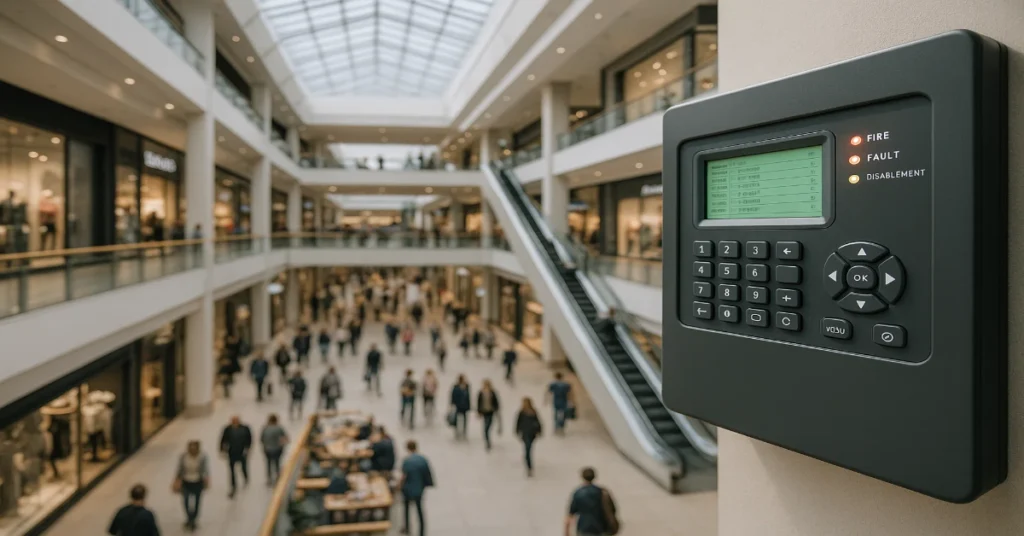
Modern malls and shopping complexes operate like self-contained cities. They host thousands of visitors, manage diverse retail spaces, control complex HVAC and electrical systems and run long hours. With such extensive activity, fire safety becomes a non-negotiable priority. Even a small fire or false alarm can disrupt business, create panic, damage property and affect human life. To meet these challenges, malls across India and globally are increasingly shifting to addressable fire alarm systems and among these, GST addressable panels have gained strong preference for their reliability, intelligence and long-term operational value. This article explains why malls and shopping complexes prefer GST addressable panels, how they strengthen safety and why they are considered the most dependable choice for large retail infrastructures. Fire Safety Challenges Unique to Malls Malls are complex environments with multiple layers of fire risk that demand more than conventional fire safety systems. High Daily Footfall Thousands of people move through malls every day, especially during weekends, festive seasons and special events. In such crowded environments, a fire system must provide extremely accurate alerts to avoid panic or unnecessary evacuations. Diverse Zones Under One Roof A mall typically includes retail stores, multiplex cinemas, food courts, game zones, parking basements, warehouses and service areas. Each area has a different fire load and requires specific sensitivity settings for smoke and heat detection. Wide Range of Fire Loads Restaurants deal with open flames and cooking smoke, apparel stores have flammable materials, electronics stores operate heavy electrical equipment and cinemas use soundproofing materials that burn rapidly.A general-purpose system cannot efficiently handle such varied risk profiles. Complex Infrastructure Large HVAC systems, vertical risers, false ceilings, ducts and concealed wiring all create conditions for fast smoke movement. Early detection is crucial to prevent escalation. Long Operating Hours Many malls remain open for 12 to 18 hours every day. Fire systems must therefore perform consistently and reliably without downtime. These challenges make a smart, addressable system essential for reliable mall protection. Why Addressable Panels are the Right Fit for Malls Addressable fire alarm panels provide intelligent, real-time communication with each device in the system. This allows accurate identification of alarms, faults and environmental changes. Precise Location Identification Each smoke detector, heat detector or module has a unique address.When a fire occurs, the system instantly shows the location, for example, “Smoke Detector – Food Court – East Wing – Level 2.”This precision saves valuable time and reduces the risk of confusion during emergencies. Early and Continuous Monitoring Addressable detectors communicate with the panel continuously, making it easier to detect small changes in smoke levels or temperature before a fire grows. Minimal False Alarms False alarms are extremely disruptive in malls. They reduce customer confidence, interrupt business and can cause unnecessary evacuation.Addressable systems apply intelligent algorithms that reduce false triggers from: This improves operational stability. Controlled Evacuation Instead of sounding alarms across the entire mall, addressable panels support phased evacuation.Only the affected zones are alerted first, preventing mass panic and ensuring smoother crowd control. Better Maintenance Visibility The system displays which devices need cleaning, calibration or replacement, helping maintenance teams plan proactively. Why GST Addressable Panels Are the Top Choice for Malls Addressable technology is available from many brands, but malls consistently prefer GST panels because they are engineered to handle large, complex infrastructures with high reliability. Superior Performance in Large Retail Spaces Malls require thousands of detectors, hundreds of modules and multiple interconnected panels.GST panels handle large installations smoothly because they offer: Whether a mall has three floors or ten, GST systems scale effortlessly with the structure. Clear Visibility for Every Tenant Space Each shop inside a mall operates independently and each has its own fire risks.GST panels provide detailed visibility into every shop and zone, including: This simplifies tenant management and makes compliance easier. Strong Integration with BMS and Other Mall Systems Modern malls depend heavily on Building Management Systems (BMS) to automate HVAC, lighting, lifts, access control and energy management.GST systems integrate smoothly with these platforms through: This enables automatic responses, such as: Such coordinated actions help contain incidents quickly. Reliable, Stable and Consistent Operation Malls cannot afford system failures.GST is known for its robust design and stability, thanks to: These features ensure that the system performs reliably even during heavy loads or electrical disturbances. Simple and Efficient Maintenance Fire system maintenance in malls takes time because technicians must work around visitors and operating shops.GST makes this easy by offering: Self-Diagnostic Functions The system identifies dirty or aging detectors and alerts maintenance teams before failure occurs. Loop-Based Testing Technicians can test entire loops instead of inspecting individual devices, saving hours of work. Easy Device Replacement New devices can be added without reprogramming the entire system, ideal for malls undergoing renovations. Detailed Logs GST panels maintain clear records of alarms, faults and device performance, making troubleshooting faster. These features reduce long-term service costs and minimize downtime. Compliance with Global and Local Standards Malls must follow strict fire norms to obtain NOCs and maintain insurance approvals.GST panels adhere to global certifications and Indian compliance standards, making them trusted by: This helps ensure hassle-free approvals during installation and expansion. Perfect for Renovations and Future Growth Malls frequently undergo changes, adding new retail units, expanding cinemas or upgrading interiors.GST addressable systems are designed for flexibility, allowing: Mall owners avoid the cost of reinstallation during upgrades. How GST Panels Improve Daily Mall Operations Beyond fire detection, GST systems improve everyday workflows in malls. Enhanced Control Room Management GST panels offer user-friendly interfaces that display real-time information clearly. Security teams can monitor: This reduces human error and speeds up response during emergencies. Support for Multi-Mall Monitoring Developers who own multiple malls can integrate all systems into a centralized monitoring platform.This enables: Better Protection for Retailers Each retailer depends on mall infrastructure for fire safety.GST ensures reliable protection for: This enhances the confidence of tenants and supports smooth business operations. Financial Benefits of Choosing GST Addressable Panels Although addressable systems cost more upfront than conventional systems, malls choose GST because the