
GST Intelligent Multi-Sensor Detector – Best Use Cases
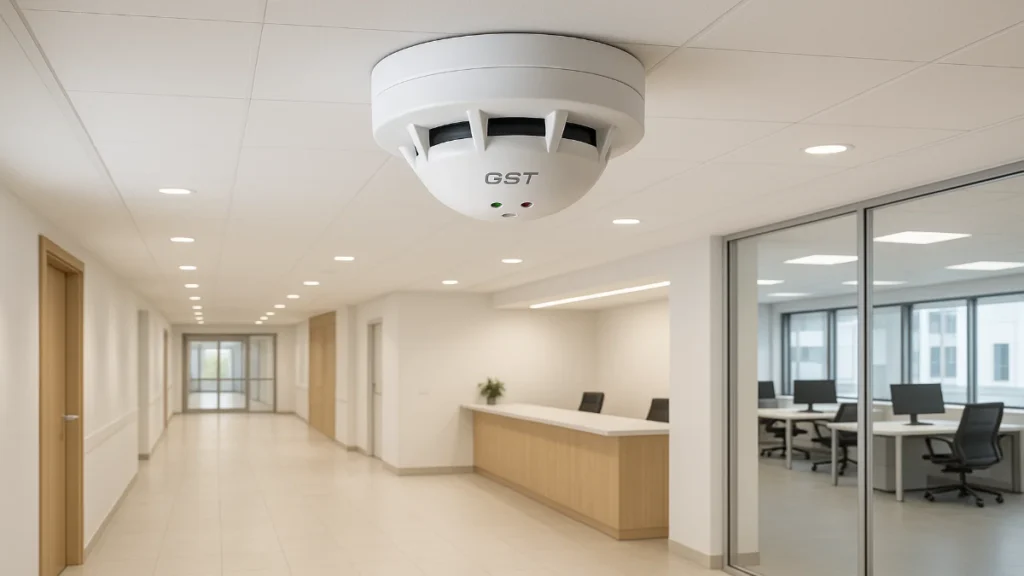
Fire detection technology is evolving quickly and one of the most significant advancements in recent years is the adoption of intelligent multi-sensor detectors. These detectors combine multiple sensing technologies, typically smoke, heat and sometimes CO (carbon monoxide), to provide faster, smarter and more reliable fire detection. Among the widely used options in commercial and industrial markets, the GST Intelligent Multi-Sensor Detector has gained attention because of its combination of advanced detection algorithms and compatibility with modern addressable fire alarm systems. In this article, you will learn what makes multi-sensor detectors essential, how GST’s intelligent design improves fire safety and where these detectors deliver the highest value. The goal is to help building owners, consultants, contractors and facility managers make informed decisions about deploying multi-sensor technology effectively. Understanding Intelligent Multi-Sensor Detection Traditional fire detectors rely on a single principle, either smoke, heat or gas detection. While functional, they come with certain limitations. For example, smoke detectors may trigger nuisance alarms in dusty or humid environments and heat detectors may respond more slowly to smouldering fires. Intelligent multi-sensor detectors solve this gap by combining more than one sensing element. Most commonly, they integrate optical smoke detection with rate-of-rise or fixed-temperature heat sensors. Some high-end versions may add CO detection to identify slow-burning fires earlier than smoke-based devices can. The intelligence comes from the built-in algorithms that evaluate patterns, analyse multiple parameters at the same time and make decisions based on real-time environmental data. This multi-dimensional approach significantly reduces false alarms while speeding up genuine fire detection. GST multi-sensor detectors follow this same advanced logic, using dual-sensor technology supported by their addressable fire alarm protocol. This makes them effective in a variety of challenging environments where conventional detectors fall short. Key Advantages of GST Intelligent Multi-Sensor Detectors A multi-sensor detector brings important benefits, especially when integrated into a professional fire alarm ecosystem. These strengths make multi-sensor detectors a reliable option, especially in settings where fire behaviour can vary. Best Use Cases for GST Intelligent Multi-Sensor Detectors Multi-sensor detectors are not meant for every environment, but they excel in areas where a single technology might struggle. Below are the situations where GST intelligent multi-sensor detectors perform best and offer long-term benefits. Hotels and Hospitality Spaces Hotels require detection systems that are both highly sensitive and free from nuisance alarms. Guests may use showers, hair dryers and steam-producing appliances, which often cause false alarms in traditional smoke-only detectors. The GST multi-sensor detector evaluates both smoke and heat trends, making it more accurate in distinguishing real fire conditions from humidity or steam. Guest rooms, corridors, reception areas and lounges benefit from intelligent detection because they have varied fire risks. The multi-sensor design offers stability, precise monitoring and quick alerts without unnecessary disruptions to guests or staff. The environment requires a well-balanced approach to sensitivity, making multi-sensor technology ideal. Hospitals and Healthcare Facilities Healthcare spaces are complex environments with sensitive equipment, oxygen cylinders, chemical storage rooms and patient areas that require continuous monitoring without disturbance. False alarms in hospitals can cause panic, interrupt patient care and delay critical operations. In this case, GST’s intelligent multi-sensor detectors offer a stable and reliable detection mechanism. The heat-and-smoke combination helps differentiate actual risks from operational activities such as warm airflows, disinfectant vapours or minor dust disturbances during cleaning. The detectors enhance safety in patient rooms, intensive care units, diagnostic centres, rehabilitation blocks and administrative floors. Their accuracy ensures uninterrupted operations and a safer environment for patients, visitors and staff. Corporate Offices and IT Workspaces Offices are ideal environments for multi-sensor technology because fire risks vary widely. Electrical rooms, conference halls, pantry spaces, cubicles and server areas have different fire signatures. Using individual smoke detectors alone may not provide comprehensive protection. Multi-sensor detectors work well in office settings because they respond quickly to smouldering fires caused by wires, appliances and electrical faults. They also help in large open spaces where air-conditioning can delay the buildup of smoke. The dual detection principle ensures faster identification of both slow and fast-developing fires. In workplaces with expensive hardware and high occupancy levels, intelligent detectors help ensure business continuity and protect valuable assets. Commercial Buildings, Malls and Complexes Large commercial buildings experience fluctuating occupancies and diverse fire risks, from retail stores and food courts to entertainment zones. A multi-sensor detector simplifies fire system design by reducing the need for different types of detectors in varied areas. Retail stores often generate dust when unpacking inventory. Food courts release heat and light smoke. Escalator spaces, basements and corridors experience airflow changes. The GST multi-sensor detector intelligently distinguishes between harmless environmental variations and real fire indicators. The detectors also integrate well with centralised addressable fire alarm panels, which is crucial for large properties where real-time monitoring and zone identification are necessary. Factories, Light Industries and Manufacturing Units Industrial environments often challenge traditional smoke detectors. Dust, fumes, temperature variations and machinery emissions can lead to false alarms and maintenance issues. While some zones may require heat detectors only, many indoor areas still need smoke detection. This is where multi-sensor detectors strike a balance. They deliver accurate detection without overly sensitive triggers. For example, in packaging areas, assembly lines, light manufacturing units, printing zones and certain warehouse sections, heat and smoke both play essential roles. The GST detector’s intelligence helps differentiate between operational processes and actual fire threats. When used strategically with industrial ventilation and housekeeping practices, multi-sensor detectors provide an effective solution for production facilities. Educational Institutions and Schools Schools and colleges face mixed environments, from classrooms and libraries to labs and auditoriums. These spaces need quick and accurate detection but cannot afford false alarms that interrupt ongoing sessions. Multi-sensor detectors reduce alarm disruptions caused by chalk dust, humidity or minor fumes from science labs. They also provide faster response in high-occupancy areas such as auditoriums, cafeterias and hostels, ensuring timely evacuation if needed. Their balanced sensitivity makes them highly effective across wide educational spaces. Warehouses, Storage Facilities and Logistics Buildings Warehouses store diverse materials, some of which
Why GST Fire Alarm Costs Less in Long-Term Maintenance
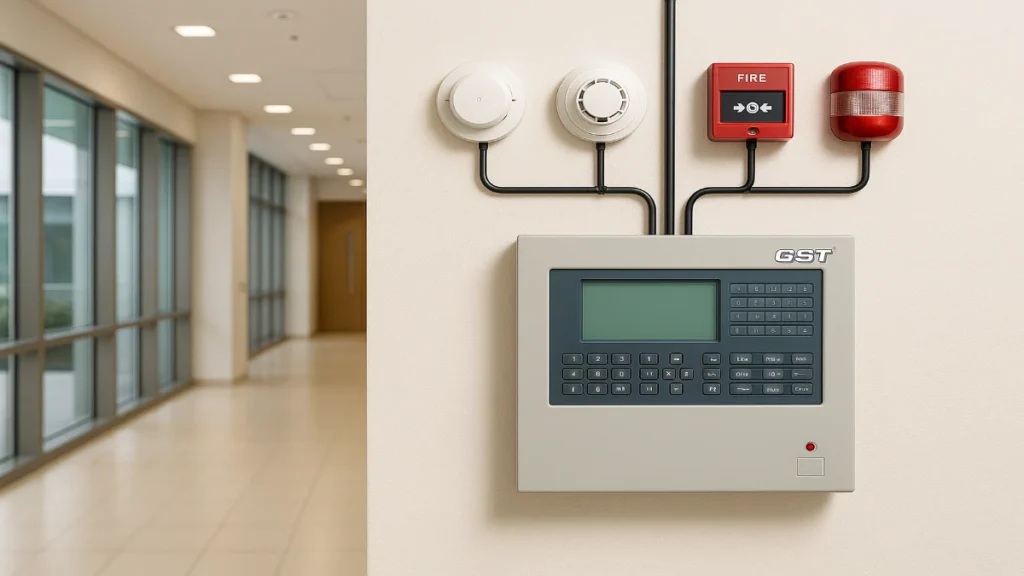
Fire protection is a crucial requirement for every commercial building, factory, warehouse, hospital, school and residential complex. While most people look at the initial price of a fire alarm system, the real financial impact comes from long-term maintenance costs. This includes servicing, calibration, spare parts, software updates, labour and routine inspections. Among the various fire alarm brands used in India, GST (Gulf Security Technology) has gained recognition for offering lower long-term maintenance costs. This is not because of promotions or marketing claims but due to practical and structural advantages built into the system’s architecture, device design and long-term reliability. This article explains in detail why GST fire alarm systems cost less to maintain, how they perform compared to general industry standards and what makes them a preferable choice for long-term operational cost savings. Understanding What Long-Term Maintenance Really Means Choosing a fire alarm system is not only about the price of the panel and detectors. Maintenance is an ongoing responsibility. Every building must follow the required inspection, testing and maintenance schedule to comply with fire safety norms. Long-term maintenance includes: The total cost depends on how stable, durable and user-friendly the system is over several years of use. This is where GST systems provide an advantage. Why GST Fire Alarm Systems Reduce Long-Term Maintenance Costs GST systems are widely used in medium and large-scale buildings because they help reduce operational and maintenance expenses over the life of the system. The following sections explain how. Flexible System Design Helps Avoid Costly Replacements GST panels and devices use a modular structure. When one detector or module becomes faulty, the rest of the system continues working without interruption. This means building owners don’t have to replace entire loops or multiple devices unnecessarily. The flexibility also allows technicians to isolate specific devices, perform repairs quickly and restore the system without causing downtime. This modular approach helps reduce long-term maintenance bills because only the damaged part requires attention, not the entire system. Strong Build Quality Ensures Long Life of Detectors and Modules Fire detection devices must work reliably for several years. Any weakness in build quality can lead to sensor failure, false alarms and frequent replacements. GST detectors and modules are engineered with strong casing materials, stable electronic boards and high-precision sensors. They perform consistently even in industrial environments where conditions are dusty, humid or subject to temperature variations. Durable hardware directly lowers long-term costs because devices do not need frequent replacement, recalibration or emergency servicing. Widespread Availability of Spare Parts Reduces Downtime and Cost One of the biggest advantages of GST systems in India is the easy availability of spare parts, such as: When spare parts are easily accessible, maintenance becomes faster and more affordable. Other brands sometimes require long waiting periods or higher costs for replacements, leading to longer downtime and increased expenses. GST’s wide distribution network ensures that spare parts are readily available across the country, which naturally reduces maintenance costs and prevents delay-related expenses. Lower False Alarm Rate Reduces Repeated Service Visits False alarms can be expensive for building owners. Each false alarm leads to: GST systems are designed with intelligent sensing algorithms that help distinguish between real fire conditions and disturbances like dust, steam or temperature fluctuations. A lower false alarm rate results in smooth building operations and saves significant maintenance costs over the years. It also increases system life because devices are not triggered unnecessarily. Power-Efficient Design Lowers Running Expenses Fire alarm systems run 24/7, which means their power consumption has a long-term financial impact. Devices that consume more loop current or panel power require larger batteries and frequent replacements. GST systems are designed to use low loop current and optimised standby power. This reduces the load on backup batteries and extends their life. In addition, lower power consumption results in reduced electricity usage over many years. Saving on electricity and battery replacements contributes to a noticeable reduction in long-term maintenance expenses. Simple Software Structure Reduces Technical Complexity Modern addressable systems depend heavily on programming and software configuration. Some systems require advanced software, hardware keys or certified specialists for even basic changes. GST takes a simplified approach where: When software maintenance is simple, buildings do not need to pay extra for specialists, complicated tools or extended technical sessions. This directly lowers ongoing maintenance costs. Expansion-Friendly Architecture Saves Cost as Buildings Grow Commercial properties often expand by adding new floors, rooms or utility spaces. A fire alarm system that cannot expand easily becomes more expensive in the long run because it requires partial or complete replacement. GST systems are built for scalability. Their architecture supports: This compatibility reduces long-term expenses because buildings can grow without replacing existing fire alarm infrastructure. How GST Compares with Typical Fire Alarm Brands in Maintenance Cost Every brand has strengths, but GST stands out in several cost-related areas. Below is a general and informational comparison reflecting common industry practices. Maintenance Aspect GST Fire Alarm (General) Other Brands (Typical) Spare part availability Widely available Limited in many regions Detector replacement cycles Long durability Varies widely False alarm frequency Low Often higher Software updates Easy Complicated Technician availability High Moderate Expansion cost Moderate Significantly higher Loop current consumption Low Moderate Emergency service needs Low Can be frequent These differences become more noticeable over a 5–10 year operational cycle, where GST systems tend to reduce maintenance-related expenses by a substantial percentage. Why Commercial Buildings Prefer Low-Maintenance Systems Like GST Modern commercial buildings have strict requirements for safety and operational continuity. Facilities such as hospitals, malls, factories, hotels, IT parks and warehouses cannot afford constant service interruptions. They choose GST systems because of advantages like: Low-maintenance systems not only reduce expenses but also improve building safety, compliance and operational efficiency. Common Real-World Situations Where GST Helps Lower Costs In practical scenarios, GST systems provide noticeable savings. For example: These kinds of everyday situations create long-term financial advantages for building owners. Key Areas Where GST Delivers Long-Term Savings While there are many technical factors, the most important reasons behind