
Fire Alarm Failures That Force Immediate System Replacement
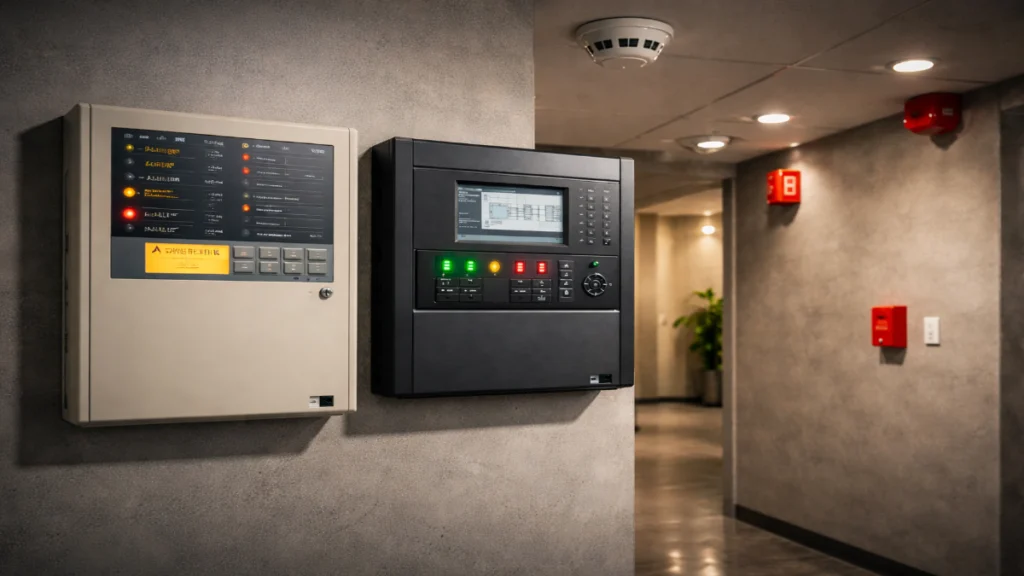
Fire alarm systems are not optional safety accessories; they are life-saving systems. When a fire alarm fails, the risk is immediate and severe. In many real-world projects, system failures do not just require repair or upgrades; they force complete and immediate system replacement. This article explains which fire alarm failures leave no room for repair, why they happen, how they impact compliance and safety and why many consultants and project owners replace legacy systems with GST addressable fire alarm systems when such failures occur. Why Some Fire Alarm Failures Cannot Be Fixed Not all fire alarm problems are equal. Some issues, like a faulty detector or a damaged cable, can be repaired. Others affect the core architecture of the system, making repairs unreliable, unsafe or non-compliant. When a fire alarm system fails at a design, protocol or hardware ecosystem level, replacement becomes the only responsible option. Let us examine the most critical failures that force immediate system replacement. 1. Obsolete Control Panels with No Manufacturer Support The Problem Many buildings still operate fire alarm panels that are: When the control panel fails, repair is impossible. Why Replacement Is Mandatory In such cases, continuing with the same system exposes building owners to legal and life-safety risks. Why Projects Move to GST GST panels offer: This ensures that a panel failure never becomes a system-wide dead end. 2. Non-Addressable (Conventional) System Limitations The Problem Conventional fire alarm systems identify fire only by zone, not by device. In large or modern buildings, this causes: As buildings expand, conventional systems fail operationally, even if they still power on. Why Replacement Is Forced No amount of rewiring can convert a conventional system into a true addressable system. Why GST Is Chosen GST addressable systems provide: This makes them ideal replacements when conventional systems fail to meet functional expectations. 3. Communication Loop Instability and Signal Failures The Problem Many legacy addressable systems suffer from: These issues worsen over time, especially in high-EMI environments like factories and hospitals. Why Repair Is Not Enough When communication itself is unreliable, the entire system becomes unsafe. GST Advantage GST addressable loops are designed for: This makes GST a natural choice when communication failures force replacement. 4. Repeated False Alarms That Cannot Be Eliminated The Problem Chronic false alarms occur due to: Frequent false alarms cause: Why Replacement Becomes Necessary When false alarms persist despite: …the root cause lies in system intelligence, not hardware faults. Why Projects Switch to GST GST intelligent detectors use: This dramatically reduces false alarms and restores trust in the system. 5. Inability to Meet Updated Fire Codes and Standards The Problem Fire codes evolve. Many older systems cannot comply with: Why Partial Upgrades Fail You cannot: Authorities Having Jurisdiction (AHJs) often mandate full replacement. GST Compliance Strength GST systems are: This makes them suitable for code-driven system replacement. 6. Manufacturer Lock-In and Closed Ecosystems The Problem Some fire alarm systems use: When the manufacturer exits the market or changes strategy, the system becomes unserviceable. Why Replacement Is Inevitable The building becomes hostage to obsolete technology. Why GST Is Preferred GST offers: This protects long-term investment and avoids forced replacements. 7. Networked System Failures in Large Campuses The Problem In large projects, failures often occur at: Legacy systems struggle with: Why Replacement Is the Only Option When network architecture collapses: No patch can fix a system that was never designed for scale. GST’s Strength in Large Projects GST systems are engineered for: This makes them ideal replacements for failing campus-scale systems. 8. Power Supply and Battery System Failures The Problem Old systems often suffer from: Why Repair Is Unsafe Authorities often demand a complete system replacement. GST Advantage GST panels provide: This ensures power failures do not threaten system integrity. 9. Incompatibility with Modern Building Systems The Problem Modern buildings require fire alarms to integrate with: Legacy systems often lack: Why Replacement Is Required You cannot integrate what the system cannot communicate with. GST Integration Capability GST systems support: This future-proofs buildings against technological changes. 10. Repeated Audit Failures and Insurance Rejections The Problem Insurance companies and auditors increasingly reject systems with: Why Replacement Becomes Mandatory Repeated audit failures: Why GST Is Trusted GST systems provide: This restores compliance and insurability. Why Immediate Replacement Is Often the Safest Decision Trying to extend the life of a fundamentally failed fire alarm system often: Replacing the system eliminates: For this reason, many consultants recommend full replacement instead of partial fixes when core failures appear. Why GST Fire Alarm Systems Are the Preferred Replacement Choice Across industries and regions, GST is chosen because it offers: Most importantly, GST systems are designed to prevent the very failures that force replacement. What This Means for Building Owners and Consultants Fire alarm failures are not just technical issues; they are life-safety failures. When systems reach a point where repair cannot restore reliability, immediate replacement becomes the only responsible choice. By choosing a proven and future-ready platform like GST addressable fire alarm systems, building owners and consultants ensure safety, compliance and peace of mind for years to come. Read Also: Why GST Fire Alarm Systems Are a Long-Term Investment Read Also: Common Reasons Projects Choose GST Fire Alarm Systems
Why GST Fire Alarm Systems Are a Long-Term Investment
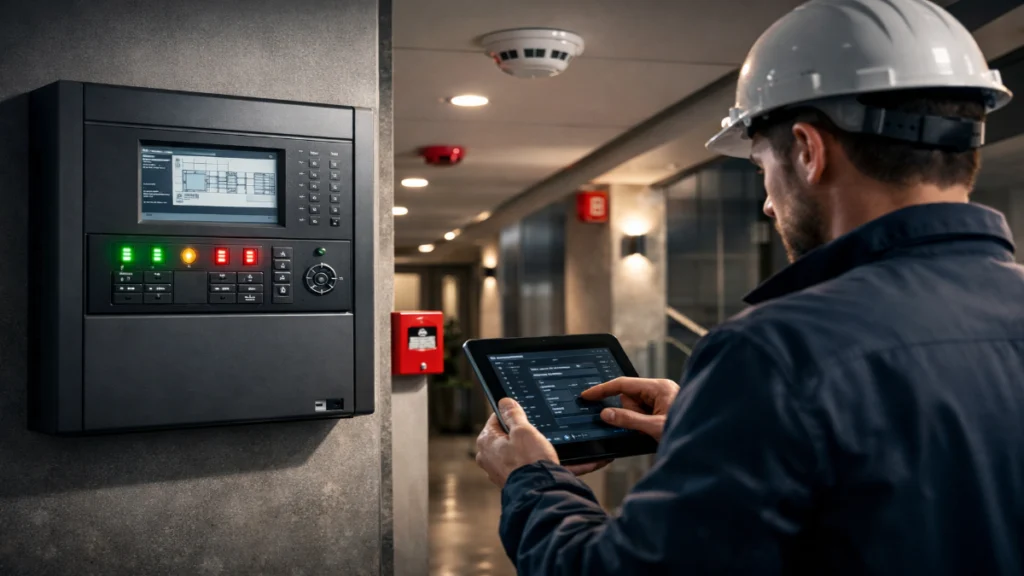
Fire safety is not an expense; it is an investment in life, assets and business continuity. When organisations choose a fire alarm system, they are not just buying hardware; they are committing to a safety infrastructure that must perform reliably for decades. This is where GST Fire Alarm Systems (Gulf Security Technology) stand out as a true long-term investment, not merely a short-term solution. Across commercial buildings, industrial plants, hospitals, data centres, airports and high-rise residential projects, GST has built a strong reputation for durability, scalability and future-ready technology. This article explains why investing in GST fire alarm systems delivers long-term value, lower lifecycle costs and sustained compliance, making them a smart choice for consultants, developers and facility owners. Understanding Long-Term Value in Fire Alarm Systems Before choosing any fire alarm brand, decision-makers should look beyond the initial purchase price. A true long-term investment focuses on: Many low-cost systems fail in these areas, leading to frequent replacements, false alarms and rising maintenance costs. GST systems are engineered to avoid these pitfalls. Proven Reliability That Protects for Decades Built for Continuous Operation GST fire alarm panels and field devices are designed for 24/7 operation in harsh environments. Whether installed in factories with dust and vibration or hospitals requiring uninterrupted monitoring, GST systems deliver stable performance year after year. Key reliability factors include: This reliability reduces system downtime and ensures that life safety is never compromised. Addressable Technology That Future-Proofs Your Building Why Addressable Systems Matter Long-Term GST is a leader in addressable fire alarm technology, which plays a major role in long-term investment value. Addressable systems allow: As buildings evolve, usage patterns change, and fire codes update, GST systems adapt without requiring full replacement. Scalable Architecture That Grows With Your Project Designed for Expansion Many projects start small and expand over time. GST panels support: This scalability allows building owners to add floors, zones or new facilities without changing the core system. Result: Lower upgrade costs and extended system life. Lower Total Cost of Ownership (TCO) Initial Cost vs Lifecycle Cost While some systems appear cheaper upfront, they often cost more over time due to: GST fire alarm systems reduce long-term costs through: Over a 10–20 year period, GST systems consistently deliver lower total cost of ownership. Strong Compliance With Global and Local Standards Built to Meet Evolving Fire Codes GST systems comply with major international standards, including: This compliance ensures: As fire safety regulations evolve, GST firmware and device support help systems remain compliant without full replacement. Advanced Diagnostics Reduce Maintenance Effort Smart Features That Save Time and Money GST fire alarm systems include intelligent features such as: These features help maintenance teams: This proactive approach extends system life and minimises operational disruption. Long-Term Spare Availability and Backward Compatibility A Critical but Often Ignored Factor Many fire alarm brands discontinue products quickly, forcing costly upgrades. GST follows a long product lifecycle policy, ensuring: This protects earlier investments and allows gradual upgrades instead of expensive system replacements. Ideal for High-Risk and High-Value Facilities GST systems are widely trusted in: These environments demand zero tolerance for failure, and GST’s performance record proves its long-term reliability. Reduced False Alarms = Operational Stability False alarms disrupt operations, reduce occupant trust and increase costs. GST detectors use: This significantly reduces false alarms, ensuring that alerts are meaningful and actionable. Consultant-Friendly Design and Documentation Why Fire Consultants Prefer GST Consultants often specify GST because it offers: This simplifies design, approval, and commissioning, saving time across the project lifecycle. Integration With Modern Building Systems GST fire alarm systems integrate smoothly with: This integration capability supports smart building strategies, ensuring long-term relevance in modern infrastructure. Sustainability and Reduced Electronic Waste A Smarter Environmental Choice Because GST systems last longer and support upgrades instead of replacements, they: Long-term reliability aligns with green building and ESG objectives, adding another layer of value. Strong Global Presence and Support Ecosystem GST has a wide global footprint with: This ensures long-term service continuity, spare availability, and technical assistance, critical for systems designed to last decades. Real-World Lifecycle Example Scenario:A commercial complex installs a GST addressable system. Over 15 years: Outcome with GST: Result:No major reinvestment, stable performance and consistent safety. Safety That Pays Back Over Time Choosing a fire alarm system is not just a technical decision; it is a long-term strategic investment. GST Fire Alarm Systems delivers lasting value through reliability, scalability, compliance and cost efficiency. Instead of facing repeated upgrades, false alarms and rising maintenance expenses, GST users benefit from decades of dependable fire protection. When safety, performance and future readiness matter, GST is not a cost; it is an investment that protects lives and assets for the long run. Read Also: How GST Panels Help Stay Within Fire Safety Budget Read Also: Why Addressable Systems Are Preferred in Modern Construction