
When Is the Right Time to Upgrade to a GST Addressable Fire Alarm System?
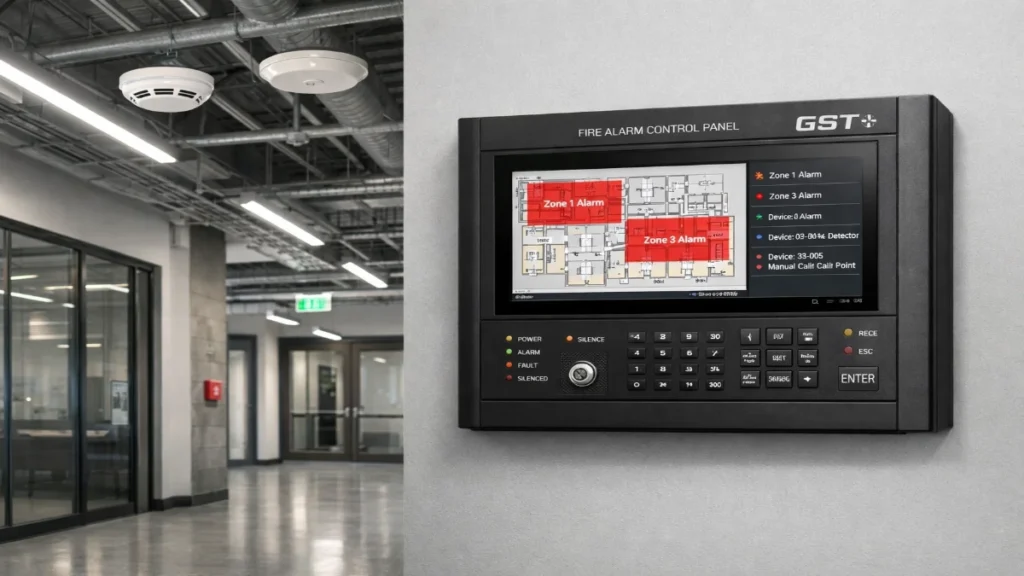
Fire safety is not something organisations should review only after an incident. As buildings grow larger, systems become more complex and regulations evolve, fire detection technology must keep pace. Many facilities today still rely on older or basic fire alarm solutions that were installed years ago. While these systems may still function, they may no longer provide the speed, accuracy and reliability modern environments demand. This raises an important question for facility owners, consultants, and safety managers: When is the right time to upgrade to a GST addressable fire alarm system? In this article, we will explore the key signs, operational challenges, compliance triggers and business scenarios that indicate it is time to move from legacy systems to a modern GST fire alarm system. We will also explain why GST addressable technology is widely trusted in commercial, industrial and mission-critical buildings. Understanding the Difference: Conventional vs Addressable Fire Alarm Systems Before discussing upgrade timing, it is important to understand how older systems differ from modern addressable solutions. Conventional Fire Alarm Systems: A Basic Overview A conventional fire alarm panel divides a building into zones. When a detector triggers, the panel only identifies the affected zone, not the exact device. This approach works for small buildings but creates limitations in larger or high-risk environments. Limitations of conventional systems include: Conventional systems also rely on conventional detectors, which lack intelligence and self-diagnostic capabilities. Addressable Fire Alarm Systems: How They Improve Safety An addressable fire alarm panel assigns a unique digital address to every device on the loop. This allows the system to identify the exact detector or module that has triggered an alarm or fault. A modern GST fire alarm system offers: This fundamental difference plays a major role in deciding when to upgrade. Key Signs It Is Time to Upgrade to a GST Addressable Fire Alarm System 1. Your Existing System Is More Than 8–10 Years Old Fire alarm technology has evolved significantly in the last decade. Older systems often lack: If your system is nearing the end of its lifecycle, upgrading to a GST addressable solution ensures long-term reliability and support. AEO Insight:Most fire alarm systems should be reviewed for upgrade after 8–10 years due to component ageing and compliance changes. 2. Frequent False Alarms Are Disrupting Operations False alarms are more than an inconvenience. They disrupt work, reduce trust in safety systems and may even lead to penalties. Conventional systems using basic conventional detectors are more prone to false triggers from dust, humidity, or temperature fluctuations. GST addressable systems use intelligent addressable detectors that analyse smoke patterns, heat trends and environmental data. This dramatically reduces nuisance alarms and improves system credibility. 3. You cannot identify the Exact Fire Location Quickly In an emergency, every second matters. If your fire panel only shows a zone instead of a precise location, responders lose valuable time. A GST addressable fire alarm panel instantly displays: This level of clarity improves evacuation, firefighting response and overall safety outcomes. 4. Your Building Has Expanded or Changed Its Layout Many facilities evolve. Offices expand, factories add production lines, and hospitals create new wings. Conventional systems struggle to adapt to such changes. Loop-based GST addressable systems allow: If your building has grown beyond its original design, upgrading becomes a necessity rather than a choice. 5. You Are Managing a High-Occupancy or High-Risk Facility Certain environments demand higher fire safety standards, such as: In these settings, the precision and reliability of a GST addressable system provide a critical safety advantage over conventional solutions. 6. Compliance Requirements Have Changed Fire safety codes and local regulations are updated regularly. Older systems may no longer meet: Upgrading to a GST fire alarm system helps ensure compliance with national and international fire safety norms while preparing your facility for future regulatory updates. Business and Operational Reasons to Upgrade Reduced Maintenance and Downtime GST addressable systems continuously monitor device health. They provide early warnings for: This predictive maintenance approach reduces downtime and prevents system failures during emergencies. Improved Return on Investment (ROI) While addressable systems may have a higher initial cost than conventional panels, they offer long-term financial benefits: Over time, the total cost of ownership is significantly lower. Seamless Integration with Other Safety Systems Modern GST systems integrate easily with: This integrated approach enhances overall building intelligence and emergency coordination. Why GST Is the Preferred Choice for Addressable Fire Alarm Upgrades Proven Technology and Reliability GST (Gulf Security Technology) is globally recognised for delivering robust, high-performance fire detection solutions. Their addressable systems are designed for reliability under demanding conditions. Advanced Intelligent Detection GST addressable detectors use advanced algorithms to distinguish real fire threats from environmental noise. This ensures faster detection with fewer false alarms. Scalable System Architecture Whether you are upgrading a single building or managing a multi-site facility, GST systems scale effortlessly without compromising performance. User-Friendly Interface and Diagnostics GST panels offer intuitive displays, clear event logs and simple configuration tools. This makes system management easier for facility teams and service engineers. When an Upgrade Becomes Urgent, Not Optional You should consider immediate upgrading if: In these cases, continuing with an outdated system increases risk and liability. Final Thoughts: Choosing the Right Time Means Choosing Safety The right time to upgrade to a GST addressable fire alarm system is before your current system becomes a liability. If your building has grown, your risks have increased, or your system feels outdated, delaying the upgrade can compromise safety, compliance and operational continuity. A modern GST fire alarm system delivers clarity, intelligence and reliability, qualities that conventional systems can no longer guarantee in today’s complex environments. Upgrading is not just a technical decision.It is a strategic investment in life safety, business continuity and future readiness. Read Also: Why GST Panels Remain Stable During Partial System Failures Read Also: How GST Fire Alarm Panels Handle Device Communication Under High Load
Why GST Panels Remain Stable During Partial System Failures
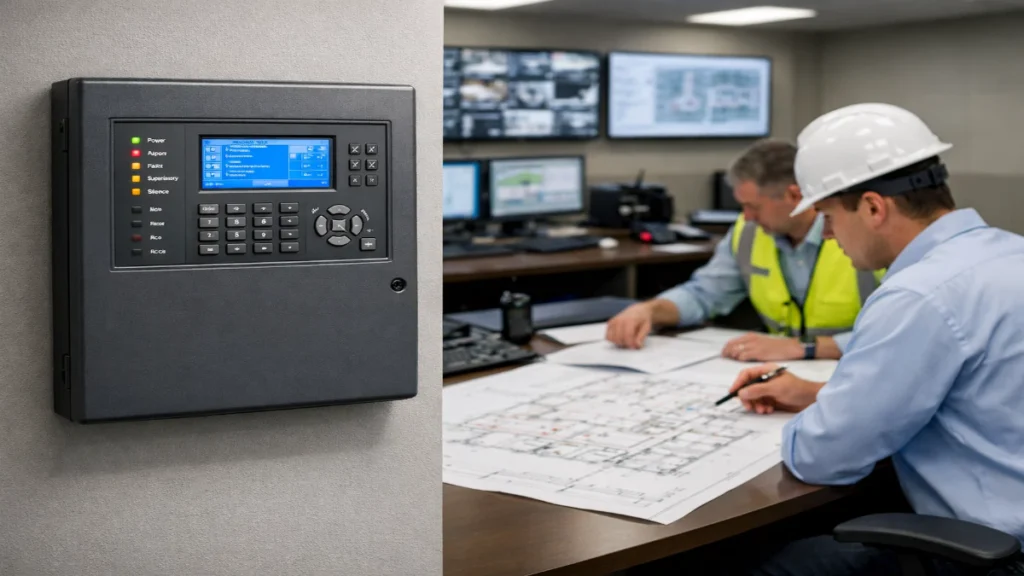
Fire alarm systems are expected to perform flawlessly, especially during emergencies. But real-world conditions are rarely perfect. Cable faults, device failures, power issues or environmental disturbances can affect parts of a fire alarm network. In such situations, the real test of a fire alarm system lies in how well it continues to operate during partial system failures. This is where GST fire alarm panels stand out. GST (Gulf Security Technology) panels are widely known for their exceptional stability, fault tolerance, and intelligent system design, even when one or more components fail. This article explains why GST panels remain stable during partial failures, how their architecture supports continuity and why they are trusted in mission-critical and high-risk buildings worldwide. Understanding Partial System Failures in Fire Alarm Systems Before exploring GST’s stability, it’s important to understand what a partial system failure means. A partial system failure occurs when: In such cases, a poorly designed fire alarm system may: GST panels are designed to avoid these risks by isolating faults and maintaining overall system performance. GST’s Design Philosophy: Stability First GST designs its panels with one primary goal:The system must continue protecting lives and property, even when faults occur. This philosophy is reflected in: Unlike basic systems that fail as a whole, GST panels ensure localised failure does not become a total system failure. Intelligent Loop Architecture for Fault Tolerance One of the strongest reasons GST panels remain stable is their intelligent loop-based design. In an addressable fire alarm panel, all devices communicate digitally over a loop. GST enhances this design with: 🔹 Automatic Loop Fault Detection GST panels continuously monitor loop integrity. If a short circuit or open circuit occurs, the panel: 🔹 Loop Isolation Technology With loop isolators: This ensures that fire detection and notification remain active, even during wiring failures. Advanced Fault Isolation at Device Level GST systems not only isolate faults at the loop level, but they also go further. Device-Level Fault Management If a single device (such as a detector or manual call point) fails: This is especially effective in buildings using addressable detectors, where each device has a unique digital identity. Stable Communication Under Partial Failures Communication reliability plays a major role in system stability. GST fire alarm panels use: When communication errors occur: This ensures no loss of critical event data, even during intermittent faults. Redundant Power Design for Continuous Operation Power failure is one of the most common causes of system instability. GST addresses this with robust power redundancy. 🔹 Dual Power Supply Architecture GST panels support: If mains power fails: 🔹 Power Segmentation If a power issue affects one module: This design prevents total system collapse due to localised power faults. Modular Panel Design Prevents System-Wide Failure GST panels use a modular architecture, which is a major advantage during partial failures. Each module (CPU, loop card, power card, network card) works independently. If one module fails: This approach is far superior to fixed-board systems often found in older conventional fire alarm panel designs. Stable Performance in Networked Systems Large buildings often use networked GST panels across multiple floors or blocks. What Happens During Partial Network Failure? If one panel or network segment fails: This makes GST ideal for: Intelligent Firmware and Self-Diagnostics GST panels continuously analyse system health using built-in diagnostics. Key Capabilities: Instead of crashing during errors, the system: This proactive approach significantly reduces unexpected downtime. Addressable vs Conventional Systems During Failures Understanding the difference highlights why GST performs better. Addressable Fire Alarm Panel (GST) Conventional Fire Alarm Panel GST also supports conventional detectors, but integrates them in a way that enhances reliability rather than limiting it. Real-World Stability in High-Risk Environments GST panels are commonly installed in environments where failure is not an option. Examples: In these settings: Reduced False Alarms During Partial Failures System instability often leads to false alarms. GST avoids this through: Even when some devices behave abnormally, the system: Compliance with Global Fire Safety Standards GST panels are designed to meet international standards, such as: These standards demand: GST’s stable behaviour during partial system failures is not accidental; it is engineered and certified. Why Stability Matters More Than Ever Modern buildings rely heavily on automation and integrated safety systems. A fire alarm panel is no longer just a signalling device; it is the core of life safety infrastructure. GST panels ensure: Final Thoughts: Why GST Panels Are Trusted for Stability Partial system failures are inevitable in complex fire alarm installations. What matters most is how the system responds. GST fire alarm panels respond with: This is why professionals across industries continue to choose the GST fire alarm system for projects where stability, reliability and safety cannot be compromised. By maintaining performance even during partial failures, GST panels prove that true fire safety is not about avoiding faults, but about surviving them without losing protection. Read Also: Why GST Fire Alarm Panels Are Preferred in Tender-Based Projects Read Also: Why GST Panels Are Often Selected for Mission-Critical Buildings