
GST Addressable Fire Alarm Panel Specifications Explained for Buyers
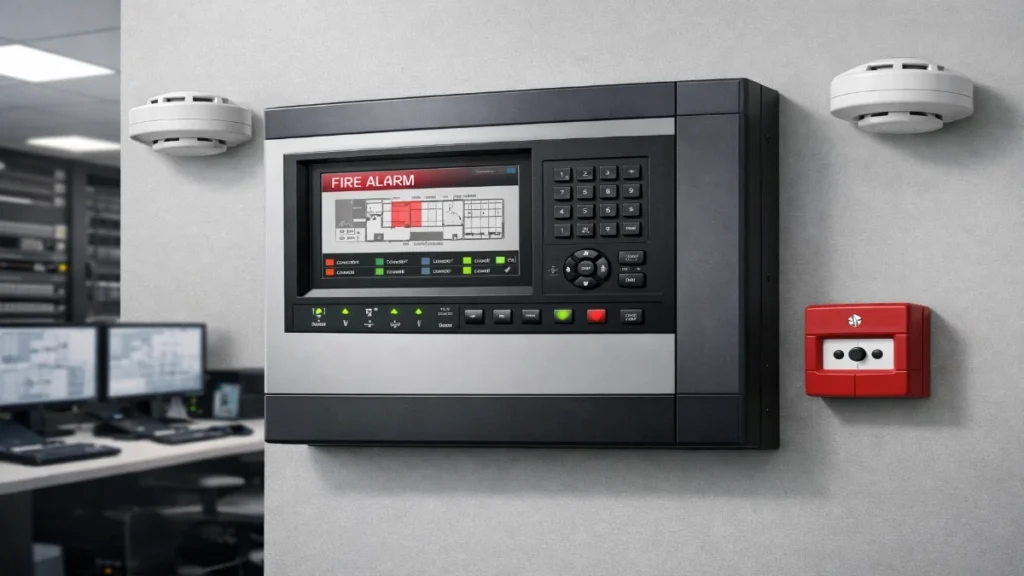
Choosing the right fire alarm system is one of the most critical safety decisions for any building owner, consultant, or facility manager. Among the many options available today, GST addressable fire alarm panels have earned strong trust across commercial, industrial and mission-critical projects. However, many buyers feel confused when they read technical specifications. Terms like loop capacity, protocol type, redundancy and detector compatibility often appear complex. This detailed guide explains GST addressable fire alarm panel specifications in a clear, buyer-friendly way, so you can make a confident and informed decision. Whether you are upgrading an existing system or planning a new installation, this article will help you understand what truly matters inside a GST panel and why it matters for safety, compliance and long-term reliability. What Is a GST Addressable Fire Alarm Panel? A GST addressable fire alarm panel is the intelligent control unit of a modern fire detection system. Unlike traditional panels, it identifies the exact device location, such as a specific smoke detector or manual call point, during an alarm or fault. Each device connected to the panel has a unique digital address, allowing faster response, easier maintenance and precise fault diagnosis. This intelligence makes GST panels ideal for large and complex buildings. Why Understanding Panel Specifications Is Important for Buyers Many buyers compare fire alarm panels only on price. This approach often leads to operational issues later. Specifications define how a system performs during real emergencies, not just during normal operation. By understanding GST panel specifications, buyers can: Loop Capacity: The Backbone of an Addressable System What Is a Loop? A loop is the communication path that connects the fire alarm panel to field devices such as detectors and sounders. GST Panel Loop Specifications Most GST addressable panels support: This means a single GST panel can monitor thousands of devices, making it scalable for future expansion. Buyer Tip:Higher loop capacity reduces the number of panels required, saving space, wiring cost and maintenance effort. Addressing Method: Intelligent Device Identification GST panels use soft addressing, meaning device addresses are assigned digitally through the panel. Why Soft Addressing Matters This is a major advantage compared to older systems and improves long-term serviceability of your addressable fire alarm panel. Compatibility with Addressable Devices Addressable Detectors Support GST panels are fully compatible with a wide range of addressable detectors, including: Each detector communicates real-time status data to the panel, improving accuracy and response speed. Conventional Zone Integration Many GST panels also support hybrid configurations using modules for conventional detectors, making it easier to upgrade legacy systems without full replacement. This flexibility allows smooth migration from a conventional fire alarm panel to a modern addressable architecture. Detection Algorithms and False Alarm Reduction GST addressable panels use advanced processing algorithms to analyse detector signals. Key Features These features significantly reduce nuisance alarms caused by dust, steam, or minor environmental changes. For buyers, this means: Power Supply and Battery Specifications Built-In Power Design GST fire alarm panels include: Backup Duration Most models support: This ensures compliance with international fire standards and uninterrupted protection during power failures. Redundancy and Fault Isolation Features Short-Circuit Protection GST panels use loop isolators to prevent a single wiring fault from disabling the entire system. Panel Fault Management This design ensures system continuity even during partial failures, an essential requirement for hospitals, data centres and high-rise buildings. Communication Protocol and Speed GST panels use proprietary high-speed communication protocols that ensure: This reliability becomes critical during multiple simultaneous alarm events, where delays could cost lives. Display and User Interface Specifications LCD Display GST panels feature: Control Access Levels This structure prevents unauthorised access while allowing trained personnel to manage events efficiently. Event Memory and Data Logging GST addressable fire alarm panels store: This data is essential for: Networking and Expandability Panel Networking GST panels can be networked via: This allows multiple panels to operate as a single integrated gst fire alarm system, ideal for: Integration with Other Building Systems GST panels support seamless integration with: This integration ensures coordinated emergency response across all safety systems. Compliance with International Standards GST addressable fire alarm panels are designed to comply with: For buyers, certification ensures acceptance by consultants, insurers and regulatory bodies. Installation and Maintenance Advantages Simplified Wiring Easy Maintenance This lowers the lifetime ownership cost significantly compared to conventional systems. Addressable vs Conventional: Buyer Comparison Feature Addressable Panels Conventional Panels Device Identification Exact location Zone only Wiring Complexity Lower Higher Scalability High Limited Maintenance Intelligent Manual Ideal Use Medium to large buildings Small buildings While conventional detectors still serve small applications, buyers planning long-term safety investments prefer addressable systems for flexibility and reliability. Who Should Choose GST Addressable Fire Alarm Panels? GST panels are ideal for: Buyer Checklist Before Finalising a GST Panel Before purchasing, confirm: Final Thoughts: Making the Right Buying Decision Understanding GST addressable fire alarm panel specifications empowers buyers to move beyond price-based decisions and focus on performance, reliability and safety. GST panels combine intelligent detection, robust engineering, international compliance and long-term scalability, making them a preferred choice for modern fire protection projects. A well-specified fire alarm system is not just equipment; it is a life-safety commitment. When buyers understand the specifications, they invest not only in compliance but in confidence, continuity and protection. Read Also: What Makes a GST Fire Alarm Supplier Technically Reliable Read Also: When Is the Right Time to Upgrade to a GST Addressable Fire Alarm System?
What Makes a GST Fire Alarm Supplier Technically Reliable
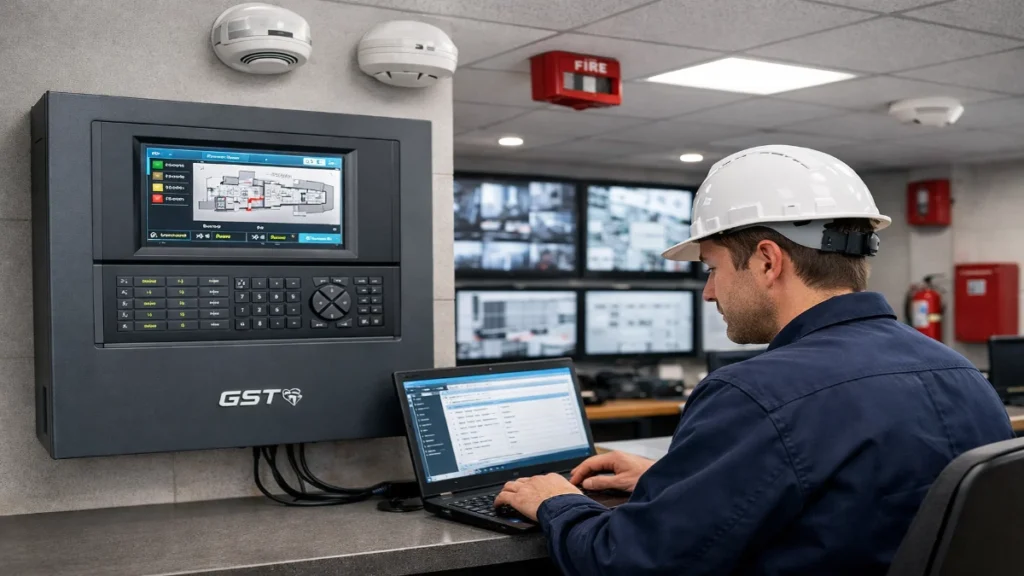
In fire safety, technical reliability is non-negotiable. A fire alarm system does not get a second chance to perform. When an emergency occurs, the system must detect, communicate and respond without delay or confusion. While many buyers focus on panel specifications or detector prices, experienced consultants and facility managers know a critical truth: The reliability of a fire alarm system depends as much on the supplier as on the product itself. This is where GST (Gulf Security Technology) stands apart. Beyond manufacturing compliant panels and devices, GST has built a strong reputation through technically reliable suppliers who understand design, installation, programming, commissioning and long-term system performance. This article explains what makes a GST fire alarm supplier technically reliable and why this reliability directly impacts safety, compliance and lifecycle cost. 1. Deep Technical Understanding of Fire Alarm Systems A technically reliable GST fire alarm supplier is not just a trader. They are system experts. Understanding System Architecture Reliable suppliers clearly understand: They can explain why a specific configuration is recommended, not just what to install. Knowledge Beyond Catalogues GST suppliers with technical strength: This depth of knowledge is a major reason GST fire alarm systems perform consistently in real-world conditions. 2. Certified Training & Manufacturer Authorization Direct Support from GST One of the biggest indicators of technical reliability is formal authorisation from GST. Reliable suppliers: This ensures the system works exactly as designed by the manufacturer. Reduced Risk of Errors Untrained suppliers often: GST-trained suppliers avoid these mistakes, protecting system integrity from day one. 3. Strong System Design Capability (Not Just Supply) A technically reliable GST fire alarm supplier contributes at the design stage, not after installation problems appear. Code-Compliant Design Expertise They design systems aligned with: They correctly select between: Optimised Device Placement Proper spacing, mounting height and detector selection reduce: This design expertise ensures GST systems deliver their full performance potential. 4. Accurate Product Selection for Each Application GST offers a wide product range. A reliable supplier knows which product to use, and which not to. Correct Panel Selection They guide customers in choosing: Instead of overselling, they match system capacity with actual site requirements. Right Detector for the Right Risk Technically reliable suppliers understand: This ensures that addressable detectors and conventional detectors perform accurately in their intended environments. 5. Advanced Programming & Cause-and-Effect Logic Programming is where technical reliability truly shows. Intelligent System Behaviour GST systems support advanced cause-and-effect logic. Reliable suppliers: This results in calm, controlled responses instead of panic or confusion. Reduced False Alarms Well-programmed systems: This is a key reason GST installations are preferred in critical buildings. 6. Professional Installation & Commissioning Standards Even the best system fails if installed poorly. Structured Installation Practices Reliable GST suppliers: Thorough Commissioning Process They: This commissioning discipline ensures the GST fire alarm system performs reliably from day one. 7. Strong Troubleshooting & Diagnostic Capability Fire alarm systems require fast, accurate fault resolution. Using GST’s Diagnostic Features Effectively Technically reliable suppliers: This minimises downtime and keeps buildings continuously protected. 8. Long-Term Service & Preventive Maintenance Expertise Reliability is proven over years, not weeks. Structured AMC & Maintenance Plans Reliable suppliers provide: This proactive approach extends system life and maintains compliance. Lifecycle Cost Advantage Proper maintenance: Over time, technically reliable GST suppliers save clients high operational costs. 9. Compliance Documentation & Authority Coordination A reliable supplier understands that documentation is as important as installation. They support clients with: This ensures smooth handover and regulatory acceptance. 10. Proven Track Record Across Multiple Sectors Technical reliability is reinforced by experience. GST fire alarm suppliers with strong credentials typically have installations in: Their experience allows them to anticipate challenges and design solutions proactively. Why GST Fire Alarm Suppliers Stand Out Technically GST has built its reputation on: When these products are delivered by technically reliable suppliers, the result is a fire alarm system that performs consistently, scales easily, and remains dependable under real emergency conditions. Reliability Comes from the Right Supplier A fire alarm system is only as reliable as the people who design, install and maintain it. A technically reliable GST fire alarm supplier combines: When these qualities come together, GST fire alarm systems deliver what matters most:early detection, clear communication and dependable protection when it matters most. Read Also: Why GST Addressable Systems Perform Better During Multiple Alarm Events Read Also: Fault Isolation & Redundancy Features in GST Fire Alarm Panels