Loop Stability, Isolation & Redundancy: GST vs Generic Panels

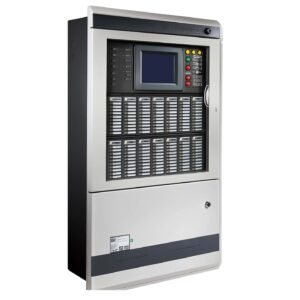
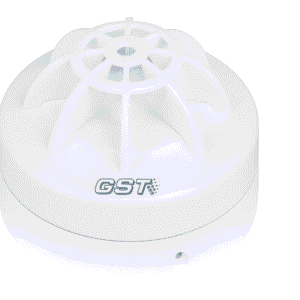
Fire alarm systems today protect far more than small buildings. Modern infrastructure includes airports, data centres, hospitals, smart commercial complexes and industrial campuses with thousands of devices connected on a single network. In such environments, loop stability, isolation and redundancy are not optional features. They define whether a fire alarm system performs reliably during emergencies or fails when it matters most. Many projects still compare GST fire alarm systems with generic addressable or conventional panels only on price. However, experienced consultants, system integrators and safety managers know that loop behaviour under fault conditions is the real differentiator. This article explains, in clear and practical terms, how GST panels outperform generic fire alarm panels when it comes to loop stability, intelligent isolation, and built-in redundancy and why these factors directly impact life safety, compliance and long-term operational cost. Understanding Fire Alarm Loops in Simple Terms Before comparing GST and generic panels, let’s first understand what a fire alarm loop is. In an addressable fire alarm panel, all field devices, such as smoke detectors, heat detectors, manual call points, and modules, connect on a single communication loop. Each device has a unique address, allowing the panel to identify exactly where an alarm or fault occurs. In contrast, a conventional fire alarm panel divides the building into zones rather than individual device addresses. Why Loops Are Critical The loop is the backbone of an addressable system. If the loop becomes unstable or fails: That is why loop design quality separates premium systems like GST from generic panels. What Is Loop Stability and Why Does It Matter Loop stability refers to the ability of a fire alarm loop to maintain reliable communication with all connected devices, even under challenging conditions such as: Common Problems with Generic Panels Generic fire alarm panels often struggle with: These issues result in frequent nuisance faults and increased maintenance calls. How GST Panels Ensure Superior Loop Stability GST addressable panels are designed with advanced loop communication algorithms and robust power management, ensuring stable performance even in complex installations. Key GST loop stability features include: As a result, a GST addressable fire alarm panel maintains consistent communication, even when loop conditions are not ideal. Isolation: Containing Faults Instead of Spreading Failure Isolation is one of the most misunderstood yet critical aspects of fire alarm design. What Is Loop Isolation? Loop isolation means the ability of a system to automatically isolate a faulty section of the loop, such as a short circuit, without disabling the entire loop. Without isolation: Isolation Capabilities: GST vs Generic Panels Generic Panels: Limited or Optional Isolation In many generic systems: In budget installations, isolators are often skipped entirely to reduce upfront cost, creating a major safety risk. GST Panels: Built-In Intelligent Isolation GST panels take a safety-first approach by integrating isolation intelligence directly into the system design. GST advantages include: Even during a wiring short, the GST fire alarm system ensures that the rest of the loop remains active and responsive. Redundancy: Designing for Fail-Safe Operation In fire safety, redundancy means no single point of failure. What Redundancy Means in Fire Alarm Systems Redundancy includes: Generic panels often meet only the minimum code requirements, while premium systems like GST exceed them. Power Redundancy: A Key GST Advantage Generic Panels Most generic panels offer: During extended power failures, system performance may degrade. GST Panels GST panels are engineered for continuous operation during adverse conditions. Key redundancy features include: This ensures that even during prolonged outages, the system remains reliable and compliant. Loop Redundancy and Network Survivability In large installations, loop redundancy becomes critical. Generic Panel Limitations Generic systems often lack: A single break can isolate large building sections. GST Loop Redundancy Strengths GST systems support: These features make GST ideal for airports, hospitals, IT parks and industrial campuses. Device-Level Stability: Addressable vs Conventional Conventional Detectors: Limited Feedback In a conventional fire alarm panel, conventional detectors: A single fault can disable an entire zone. GST Addressable Detectors: Intelligent & Stable GST addressable detectors offer: This intelligent device-level stability dramatically improves overall system reliability. Installation Flexibility Without Compromising Stability Generic Panels: Strict Limitations Installers often face: GST Panels: Installer-Friendly Design GST systems allow: This flexibility reduces installation errors and long-term maintenance costs. Compliance, Standards & Long-Term Reliability Fire alarm systems must comply with international and regional standards. Generic Panels Some generic systems: GST Panels GST fire alarm systems: This makes GST a preferred choice for consultants, government projects and large EPC contracts. Real-World Scenario Comparison Scenario: Short Circuit on a Floor Loop Generic Panel Result GST Panel Result This single difference can save lives. Total Cost of Ownership: The Hidden Advantage of GST While GST systems may have a higher initial cost compared to generic panels, they offer: Over 10–15 years, GST delivers a significantly lower total cost of ownership. Final Verdict: GST vs Generic Panels When it comes to loop stability, isolation and redundancy, the difference between GST and generic fire alarm panels is clear. Generic panels may meet basic requirements, but GST systems deliver: For projects where safety, uptime, and performance truly matter, GST fire alarm systems are not just a better choice; they are the professional standard. Read Also: How GST Panels Handle High Device Density Better Than Conventional Designs Read Also: Why Engineers Choose GST-IFP4E Addressable Fire Alarm Panel for Mid-to-Large Projects
How GST Panels Handle High Device Density Better Than Conventional Designs

In any fire alarm system, the design and capability of the control panel play a crucial role in reliability, scalability and performance. When environments require high device connectivity, such as large commercial buildings, airports, data centres or industrial facilities, choosing the right panel becomes critical. In this context, GST panels stand out for their ability to handle high device density more efficiently and intelligently than conventional fire alarm panels. This article explains how GST panels achieve this, why they outperform traditional systems and how their advanced architecture ensures faster detection, better monitoring and easier management in complex installations. We also compare GST panels with a conventional fire alarm panel and highlight key features like addressable fire alarm panel technology and addressable detectors. What Is Device Density in Fire Alarm Systems? Device density refers to the number of fire alarm devices, such as detectors, notification appliances, modules and sounders, that a control panel can support within a given area or loop. Higher device density means a panel can manage more devices on its network without losing performance or reliability. In modern buildings, especially those with large areas or complex safety needs, high device density is essential. Traditional systems often struggle when too many devices are connected. That’s where GST’s advanced design delivers significant advantages. Conventional Fire Alarm Panel vs. GST Panels: Basic Differences Before we dive into how GST panels handle high device density, let’s briefly understand how they differ from conventional fire alarm panel designs: Feature Conventional Panel GST Panel Device Identification Limited zone-based detection Individual device ID Scalability Lower High Data Accuracy Average High False Alarm Control Basic Advanced Device Load per Loop Limited High Monitoring Capabilities Zone-level Device-level (Addressable) Conventional fire alarm panels divide an installation into zones. Each zone monitors multiple devices collectively. When an alarm triggers, the panel identifies the zone but not the specific device. This works well in small installations. However, as the device count increases, this method becomes inefficient. In contrast, GST panels (especially those with addressable fire alarm panel technology) assign a unique ID to every device. This enables precise monitoring and control, which is vital for high-density environments. Addressable Technology: The Heart of High Device Density What Are Addressable Systems? In an addressable system, each detector and module is uniquely identifiable. Instead of reporting a collective zone alarm, an addressable detector sends specific information about its status, such as location and fault type, to the panel. This capability transforms fire alarm systems from basic warning mechanisms into intelligent safety networks. How Addressable Detectors Improve Device Density GST’s Loop Architecture: Designed for Scalability GST panels use an advanced loop design that supports more devices per loop compared to conventional designs. This design offers three key benefits: 1. Higher Device Capacity GST loops can handle more addressable detectors and modules without degrading performance. This allows large buildings to be protected with fewer loops, reducing installation costs and complexity. 2. Faster Communication GST employs efficient communication protocols that ensure rapid data exchange between the panel and connected devices. Even during heavy traffic when many devices send signals simultaneously, the panel processes all data quickly. 3. Flexibility in Expansion As buildings grow or requirements change, GST panels can be expanded easily. Adding new devices does not require a major system redesign. This adaptability is crucial in modern commercial and industrial environments. Intelligent Algorithms for High Device Loads GST panels use intelligent algorithms to manage high device density. These algorithms support: Smart Polling Instead of constantly querying every device, GST panels use optimised polling schedules to check device status effectively. This reduces network congestion and ensures quick detection without unnecessary communication. Fault Isolation When devices malfunction or communication errors occur, GST panels isolate the problem without affecting the entire system. This ensures uninterrupted protection even when handling many devices. Event Prioritization In high-density systems, multiple events can occur simultaneously. GST panels prioritise life safety alarms over maintenance and supervisory signals. This helps emergency responders act faster. Better False Alarm Control High device density can sometimes increase false alarms if the panel can’t process signals intelligently. GST panels reduce false alarms using: Advanced Signal Analysis Each addressable detector sends detailed information such as heat levels, smoke density and environmental data. GST panels analyse these signals against defined thresholds to reduce unnecessary alarms. Drift Compensation Over time, detector sensitivity can change due to dust, humidity, or ageing. GST panels use drift compensation to adjust sensitivity dynamically, ensuring accurate detection and lower false alarm rates. Multi-Parameter Evaluation GST detectors monitor more than one parameter (like heat + smoke). This multi-parameter approach helps distinguish real threats from harmless environmental changes. Enhanced Diagnostics and Monitoring Handling many devices increases the importance of diagnostic visibility. GST panels provide powerful monitoring tools: Real-Time Device Status Each device reports its status continuously. The panel displays real-time health information, including device faults, communication status and maintenance needs. Historical Event Logs GST panels record events with timestamps. This historical data helps technicians analyse trends, troubleshoot issues and improve system reliability. Remote Access and Reporting Many GST systems support network connectivity. Authorised personnel can view system status, generate reports and perform remote diagnostics, making maintenance easier in high-device environments. Simplified Installation and Maintenance When working with high device density, installation complexity can become a challenge. GST panels simplify this through: Auto-Addressing Some GST panels support auto-addressing, reducing manual configuration time. This is especially useful when hundreds of devices must be configured. Modular Design GST panels often use modular architecture. Individual modules can be replaced or added without affecting the entire system. Clear Maintenance Alerts Instead of vague zone warnings, GST panels provide precise alerts like “Device 114 – Low Sensitivity” or “Module 25 – Communication Fault.” This makes repairs faster and reduces downtime. Scalability for Modern Building Needs Today’s buildings are dynamic. They evolve with expansions, repurposing of areas and changing safety regulations. GST panels support scalability through: Flexible Loop Expansion More loops can be added without replacing the entire panel. This makes GST systems future-proof.