Why CCTV Systems Are Becoming More Network Projects Than Security Projects

CCTV has changed. It is no longer “just cameras and a DVR.” Today, most modern CCTV deployments look and feel like IT network projects, complete with IP planning, bandwidth calculations, cybersecurity hardening, VLANs, cloud integrations and long-term scalability design. If you’re an engineer, consultant or facility manager, you’ve probably noticed this shift already: the success of a CCTV system now depends more on the network than the camera. And this is exactly why CCTV projects are increasingly being led (or heavily influenced) by network and IT teams. In this article, we will break down why this is happening, what it means for design and maintenance and how you can build CCTV systems that perform reliably, scale smoothly and stay secure. The Big Shift: CCTV Is Now an IP-Based Infrastructure Traditional CCTV systems were simpler: Now, most CCTV systems are fully IP-based and operate like any other enterprise network service. Modern CCTV includes: So the system is no longer just a “security installation.”It’s now a distributed network of endpoints streaming high-volume data continuously. 1) IP Cameras Are Network Devices First An IP camera is effectively a computer on your network. It has: This means your CCTV design now requires: In short, you are no longer “installing cameras.”You are deploying network endpoints at scale. 2) Video Traffic Is Heavy and Constant (Bandwidth Becomes the Real Bottleneck) Unlike most office traffic, CCTV produces continuous high data loads. Even one camera can generate a lot of traffic depending on: Now scale it: Example (real-world) A 4MP camera at ~4 Mbps average: That is not a small load.And if the network is not designed for it, you will see: So the engineer’s first question is no longer “which camera model?”It’s now: Can the network carry the video load reliably, 24×7? 3) PoE Switching and Port Engineering Is Now Core CCTV Design Power delivery has shifted, too. In the past, cameras were powered using local adapters or separate power lines.Today, PoE is standard. That makes the switch room a critical part of CCTV. Engineers now must calculate: If PoE planning is weak, you get: Reality check: CCTV stability is often decided inside the network rack, not at the camera site. 4) Storage and Recording Is Now a Server + Network Strategy Recording is not just “add a hard disk.” Modern recording design includes: Even storage depends on the network because cameras stream over IP. If the network struggles, storage will never receive clean streams. This is why enterprise CCTV designs look similar to: In short: CCTV recording is now an IT workload. 5) CCTV Systems Now Require Cybersecurity Like Any Other IT System This is one of the biggest reasons CCTV became a network project. IP cameras and VMS platforms are common cybersecurity targets because: A weak CCTV network can expose: Common CCTV security risks engineers see So the modern baseline includes: That is classic network security work.Not traditional “security installation” work. 6) VLANs, QoS and Network Segmentation Are Now Standard Practice Once cameras scale, you must control traffic. Why VLANs matter VLANs isolate CCTV devices from other network devices. This protects: Why QoS matters QoS helps prioritise important streams (like critical locations). Without segmentation, you may experience: So CCTV engineers are now discussing: That is pure networking. 7) Remote Monitoring + Multi-Site Viewing Made WAN Design a CCTV Requirement In many industries, CCTV is no longer local. Examples: They need: This adds new technical layers: So CCTV now touches:LAN + WAN + cloud. That is why engineers treat modern CCTV like an infrastructure project. 8) AI Analytics Made CCTV a Data and Compute Project Too Cameras are no longer passive video capture devices. Now they are expected to detect: These analytics require: In many projects, AI is the new KPI. And AI performance depends on video quality, which depends on the network health. So yes, analytics is pushing CCTV further into the network + compute world. 9) Compliance, Privacy and Data Governance Are Now Part of CCTV Planning Organisations now care about: This is especially important in: To meet compliance expectations, teams implement: Again, these are governance concepts from IT, not old-school CCTV. 10) Integration With Other Systems Makes CCTV a Connected Ecosystem Modern CCTV rarely works alone. It integrates with: Integration means: When systems connect, the network becomes the “spine” of security operations. CCTV Is Becoming a Network Project: What This Means for Engineers Here’s the real takeaway: CCTV success now depends on: So if you’re designing or deploying CCTV today, treat it like an enterprise deployment. A Practical Network Checklist for CCTV Projects Engineers love checklists. Here’s one you can actually use on site: Network Planning PoE and Switching Bandwidth and Performance Recording Design Cybersecurity Documentation Common Mistakes That Turn CCTV Into a Painful Project Even good systems fail due to predictable mistakes. Avoid these: The best CCTV engineers are not the ones who install fast.They are the ones who design to avoid failure. The Future: CCTV Will Become “Security Networking” as a Standard Skill The industry is moving toward: That means CCTV will keep shifting toward: Networking + Cybersecurity + System integration So if you’re in security engineering today, learning network basics is no longer optional.It’s a career advantage. Why This Change Is Actually Good This transition is not a problem. It’s progress. When CCTV becomes a network project: And most importantly:The CCTV system starts delivering business value, not just surveillance.
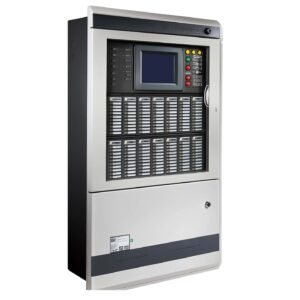
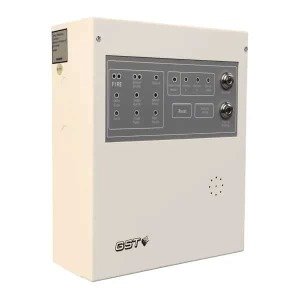
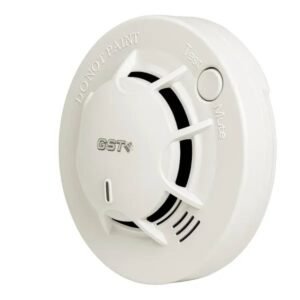
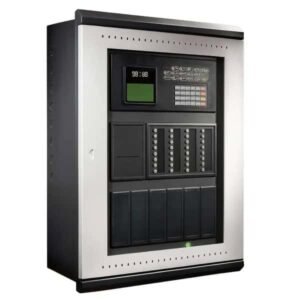
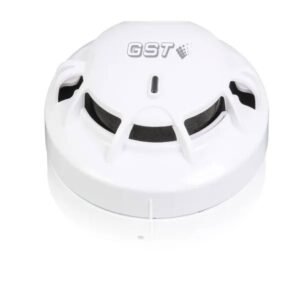
Why GST Fire Alarm Panels Are Preferred for 24×7 Critical Facilities

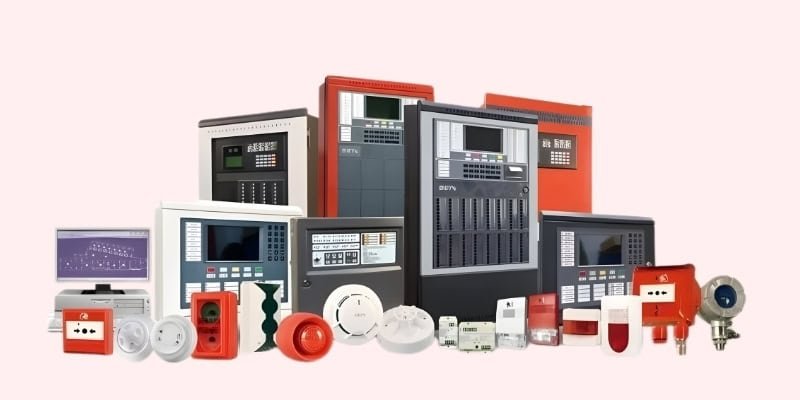
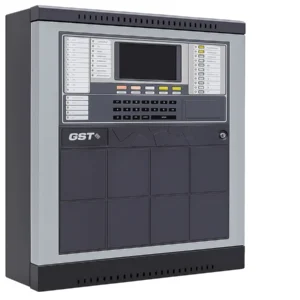
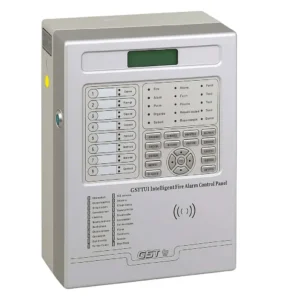
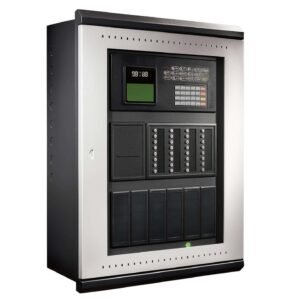
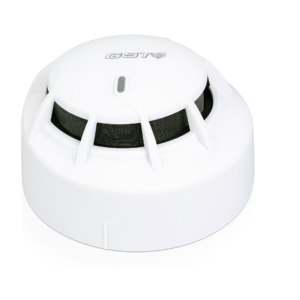
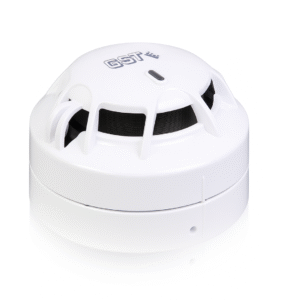
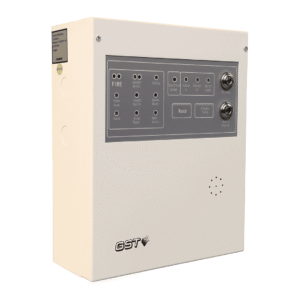
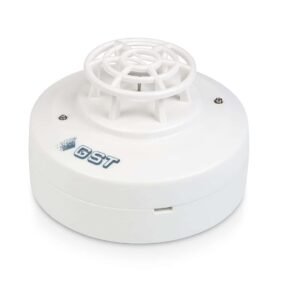
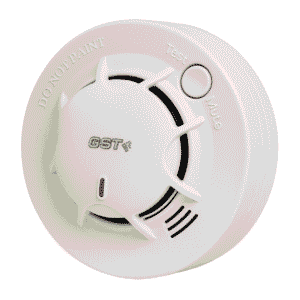
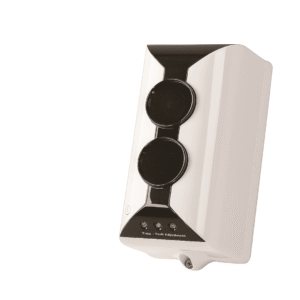
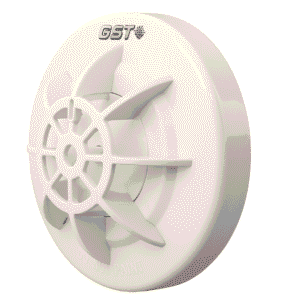
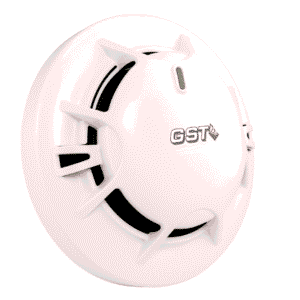
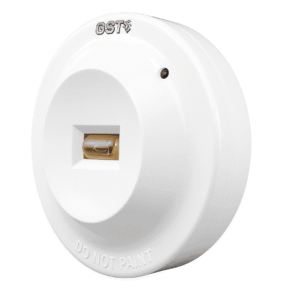
Critical facilities don’t get “off-hours.” Whether it’s a hospital ICU, a data centre, an airport terminal, a metro station, a pharmaceutical plant or a large manufacturing unit, operations run 24×7. That also means fire safety systems must stay ready every second, without excuses. In these environments, a fire alarm panel is not just a compliance requirement. It is a continuous monitoring backbone that protects people, assets, uptime and reputation. That is why most critical sites prefer advanced and reliable solutions like GST fire alarm systems because they are built for performance, stability and real-world reliability in demanding conditions. In this article, we will break down why GST fire alarm panels are preferred for 24×7 critical facilities, what problems they solve better than generic systems and what decision-makers should look for when choosing a panel. What Makes a Facility “24×7 Critical”? A critical facility is any site where downtime, evacuation errors or delayed response can cause severe consequences, such as: Examples of 24×7 critical facilities include: For these environments, a fire alarm system must deliver two things: This is where GST stands out. Why Fire Alarm Reliability Matters More in Critical Facilities In normal buildings, even a short disruption in monitoring might not feel like a disaster. But in 24×7 facilities, reliability is everything. Real risks in critical environments A panel that works smoothly under real conditions, power changes, electrical noise, complex cabling, high occupancy and around-the-clock load becomes the best long-term choice. 1) Built for Continuous Monitoring Without Performance Drops A major reason GST panels are preferred is their consistent performance for long durations. 24×7 facilities don’t “restart systems” daily. Panels operate continuously for months and years. GST fire alarm systems are designed to maintain stable operation with: This is essential when your safety depends on real-time status updates from every device every hour, every day. Result: Higher uptime, fewer interruptions, smoother operations. 2) Faster Fault Detection and Clear Maintenance Alerts In critical facilities, small issues must be identified early before they become failures. Common fault situations include: A strong panel should not only detect faults but also explain them clearly. GST panels are preferred because they provide: When your maintenance team can locate and fix issues faster, you reduce system downtime and avoid repeated false alerts. 3) Addressable Technology That Improves Accuracy and Response Most critical facilities choose an addressable fire alarm panel because it offers precise control and location identification. Why addressable matters in 24×7 environments In a hospital, data centre or metro station, you cannot afford confusion. You need accurate information like: A GST fire alarm system paired with addressable detectors helps facilities: Result: Faster action with fewer mistakes. 4) Better Handling of High Device Count in Large Facilities Critical facilities are usually large. They have: That means the system can include hundreds or thousands of detection devices and notification appliances. GST panels are preferred because they are better suited for: Generic panels may work fine for small buildings, but large 24×7 sites need systems that scale without becoming unstable. Result: Smooth operation even in large installations. 5) Smarter Event Management During Multiple Alarm Situations In real fires, alarms don’t always come one-by-one. Smoke can spread quickly, or multiple devices may activate across an area. A critical facility panel must: GST fire alarm panels are often preferred because they manage events without lag and provide a clear sequence of alarms and faults. This helps emergency teams and security control rooms: Result: Better incident control when it matters most. 6) Reduced False Alarms Through Better Device Supervision False alarms are not just annoying in 24×7 sites; they are expensive and disruptive. What false alarms cause: GST panels, when designed properly with the right devices, offer better stability for day-to-day challenges like: When paired with quality addressable detectors, the system becomes more reliable for real-world conditions. Result: Fewer false alarms and smoother operations. 7) Strong Compatibility With Facility Response Systems In critical facilities, the fire alarm panel is not standalone. It often needs to connect with: GST fire alarm panels are preferred because they support structured integration planning. This improves safety because automation can: Result: More coordinated emergency response. 8) Designed for Easier Testing, Audits and Compliance 24×7 facilities are regularly inspected. They go through: A panel must support: GST panels are preferred because they help teams maintain better documentation and system visibility, especially when audits happen frequently. Result: Easier compliance and more confidence in system readiness. 9) Improved Isolation and Redundancy Planning Critical facilities need continuity, even during a fault. One wiring issue should not affect the entire system. That is why strong designs focus on: GST panels allow better engineering planning for these scenarios, ensuring that operations remain protected and alarms remain functional even when faults occur. Result: Better reliability and reduced risk during failures. 10) Better Long-Term Value for 24×7 Facilities The panel may look like a one-time purchase. But for 24×7 facilities, the real costs happen over time. Long-term costs include: Choosing a stable and scalable GST fire alarm system often results in: Result: Better ROI over the system lifetime. Addressable vs Conventional: What’s Better for Critical Facilities? Both types have their place, but the facility type decides the best option. Addressable Fire Alarm Panel (Best for critical facilities) Recommended for: Why it works better: Conventional Fire Alarm Panel (Suitable for smaller or low-risk zones) Recommended for: Why it may not be ideal for critical 24×7 sites: Where GST Panels Fit Best in 24×7 Critical Facilities GST panels are widely preferred in environments such as: Hospitals & Healthcare Facilities Data Centres & Server Rooms Airports, Metro Stations & Public Infrastructure Industrial Plants & Warehousing Best Practices to Get Maximum Performance From GST Fire Alarm Panels Even the best system depends on correct planning and installation. For critical facilities, follow these best practices: GST Panels: The Smart Choice for Mission-Critical Fire Safety In 24×7 critical facilities, every second matters. A fire alarm system must be stable, accurate, scalable and easy to maintain. This is why