Industrial vs Enterprise CCTV: Engineering Differences That Matter on Site

Industrial vs Enterprise CCTV_ Engineering Differences That Matter on Site

If you ask most people what makes a CCTV project “successful,” they will say: But every engineer knows the truth: A CCTV system is only successful when it survives real site conditions day after day without surprises. That’s why Industrial CCTV and Enterprise CCTV are not the same thing. They might use similar cameras, similar VMS platforms and the same networking terms like PoE, VLAN and NVR. Yet, on a live site, these two CCTV approaches behave very differently. This article explains the engineering differences that actually matter on site, especially when you are designing, installing and commissioning CCTV systems in: If your goal is to design a CCTV system that engineers respect and managers trust, you’re in the right place. Why This Comparison Matters (More Than You Think) Most CCTV problems don’t come from wrong brands. They come from wrong assumptions. For example: These assumptions break projects. And the damage is real: That is why understanding Industrial vs Enterprise CCTV helps you design smarter from day one. What Is Industrial CCTV vs Enterprise CCTV? Let’s define it in an engineering-friendly way. Industrial CCTV Industrial CCTV is built for survival + uptime in harsh environments like: In industrial sites, CCTV is often treated like a safety-grade operational system. It supports: Enterprise CCTV Enterprise CCTV is built for scalability + manageability in controlled spaces like: Enterprise CCTV is typically managed like an IT application: 1) Environmental Engineering: The Hidden Difference That Decides Everything This is the biggest site-level difference. Industrial Environments: Where Cameras Get Tested Daily Industrial CCTV faces conditions like: Dust and airborne particles Dust is not just “dirty air.”It creates real problems: High temperature zones Heat affects: Vibration Vibration causes: Moisture + wash-down Many plants wash floors and equipment areas.That means: Industrial CCTV design must assume worst-case conditions.Not “normal day conditions.” Enterprise Environments: Stable, Predictable, Easy to Maintain Enterprise CCTV typically has: So enterprise CCTV becomes easier to run: Engineer’s site truth:A camera that performs perfectly in a lobby may fail quickly on a dusty plant floor. 2) Power Engineering: PoE Is Great… Until It Starts Rebooting Cameras Power issues are one of the most common reasons why CCTV fails during commissioning. Industrial Power Challenges Industrial sites often have: In industrial CCTV, random camera reboots often happen because of: Industrial Power Best Practice Checklist Engineers usually plan: Enterprise Power Setup: Cleaner and More Controlled Enterprise setups usually have: So PoE works smoothly and consistently. Reality:Industrial CCTV is not “PoE by default.”It’s “PoE after engineering validation.” 3) Network Architecture: Why Industrial CCTV Feels Like a Network Project In modern systems, CCTV traffic is heavy.And the network decides performance. Enterprise Network Style: IT-Ready from Day One Enterprise environments typically support: So enterprise CCTV scales easily. Enterprise CCTV Design Benefits Industrial Network Style: Real Sites Don’t Look Like Diagrams Industrial CCTV networks deal with: That’s why industrial CCTV network planning must include: Site reality:In industrial projects, the network is not a background system.It is the backbone of CCTV reliability. 4) Camera Engineering: Where Specs Stop Being “Specs” and Become “Results” Many cameras look similar in brochures. But in real deployments, the difference shows up in: WDR performance in glare zones Industrial sites have high glare sources: IR performance in dusty air Dust particles reflect IR and create: Lens selection for long distances Outdoor yards need: Mechanical strength A weak mount can destroy your footage quality even if the camera is excellent. Enterprise Camera Priorities Enterprise projects prioritise: Enterprise cameras also benefit from: 5) Storage Engineering: The Most Underestimated Part of CCTV Design Storage planning is where many projects break after handover. Enterprise Storage: Predictable Bitrate Patterns Enterprise sites often have: This makes retention planning straightforward. Industrial Storage: Bitrate Spikes Are Normal Industrial environments cause bitrate instability due to: Industrial Storage Must Consider: Very important:Industrial CCTV is not only for security.It’s for operational accountability. Examples: 6) Reliability Engineering: Enterprise Tolerates Downtime, Industry Doesn’t Enterprise downtime is inconvenient. Industrial downtime is risky. Industrial Reliability Demands Industrial CCTV must survive: That’s why industrial designs often require: 7) Commissioning Reality: The Work That Makes Engineers Respect You This is where projects are won or lost. Enterprise Commissioning Enterprise commissioning focuses on: Industrial Commissioning Industrial commissioning focuses on: Pro tip, engineers follow:Never approve industrial CCTV without a night test. 8) Cybersecurity: Different Priorities, Same Exposure Enterprise is strong on cybersecurity policies.Industrial is strong on uptime priorities. Enterprise typically enforces: Industrial needs: Best engineering direction:Separate CCTV networks from OT networks unless the cybersecurity design is validated. 9) Analytics: Where It Works and Where It Lies AI is powerful, but the environment decides success. Analytics struggles in industry when: Analytics works well in industry for: Enterprise analytics performs better because: Industrial vs Enterprise CCTV: Practical Decision Table Choose Industrial-Grade Engineering When: Choose Enterprise-Style Design When: The “Engineer’s CCTV Blueprint” (Field-Proven Checklist) Before final design approval, validate: Site Validation Power Validation Network Validation Storage Validation Handover Validation The Systems Look Similar, But Engineering Makes Them Different Industrial vs Enterprise CCTV is not a “category difference.”It is an engineering difference. Industrial CCTV must survive: Enterprise CCTV must deliver: When you engineer CCTV based on real site conditions, not assumptions, you get: And that’s what separates a CCTV installer from a CCTV engineer. Read Also: Why CCTV Systems Are Becoming More Network Projects Than Security Projects

Where Conventional Systems Perform Better Than Addressable

Where Conventional Systems Perform Better Than Addressable

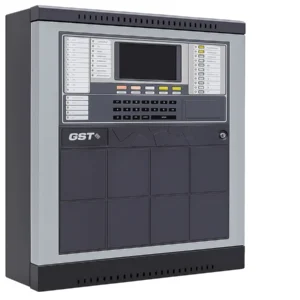
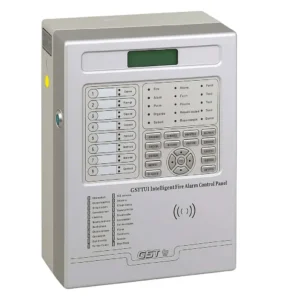
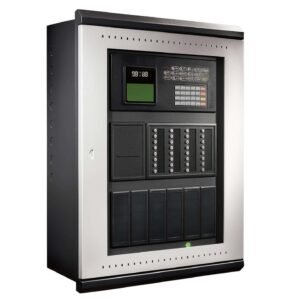
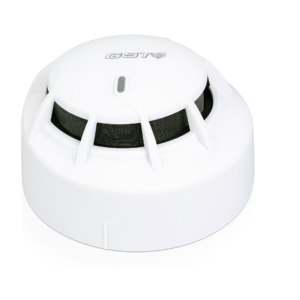
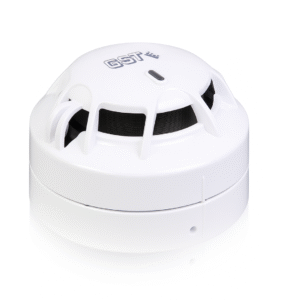
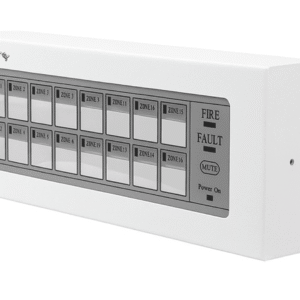
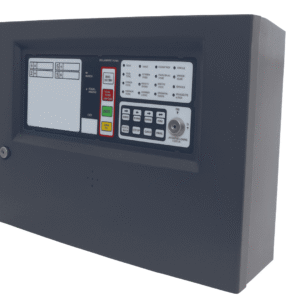
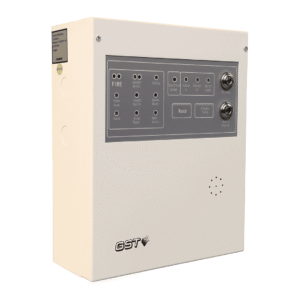
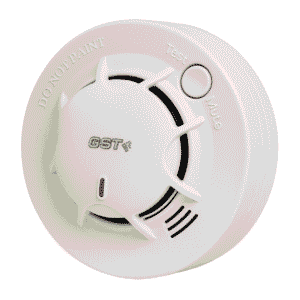
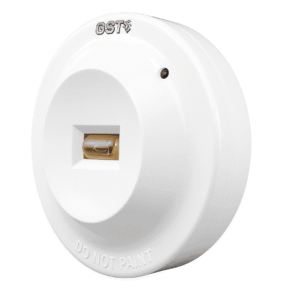
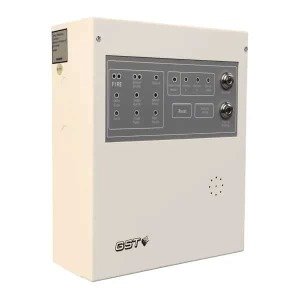
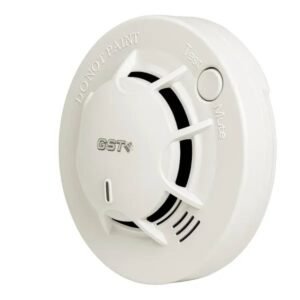
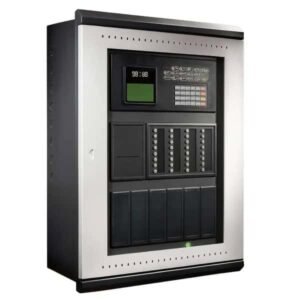
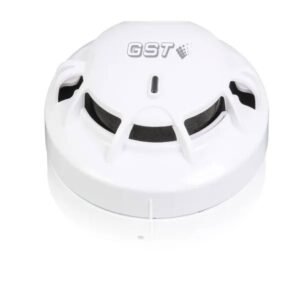
Fire alarm technology has evolved fast. Today, most consultants and facility managers talk about addressable systems as the modern standard, especially for large buildings, multi-site campuses and high-occupancy projects. But here’s the truth that many people forget: Conventional fire alarm systems still perform better than addressable systems in several practical situations. In fact, there are places where conventional systems are not only enough, but they are faster to install, easier to maintain and more cost-effective without compromising safety when designed correctly. This article explains where conventional systems outperform addressable systems in practical situations, how to choose the right option for your project and how GST Fire Alarm Systems offers both choices with dependable performance and long-term support. Conventional vs Addressable: A Quick, Clear Difference Before we compare performance, let’s simplify what these systems actually do. Conventional Fire Alarm System A conventional system divides the building into zones (Zone 1, Zone 2, Zone 3…).If a detector activates, the panel shows the zone location, not the exact device. 👉 Example: “Fire in Zone 2” This is typically managed using a conventional fire alarm panel. Addressable Fire Alarm System An addressable system identifies the exact device; every detector and module has a unique address. 👉 Example: “Smoke Detector 18, 2nd Floor Pantry” This is typically managed using an addressable fire alarm panel and addressable detectors. Both are effective when planned correctly. But performance depends on the site. 1) Small Buildings: Conventional Wins on Simplicity If the project is small, conventional systems usually perform better because they are: Ideal Applications Why Conventional Performs Better Here Addressable systems provide precise device-level information. That’s great, but if the building has only 2–5 zones and a few detectors, the extra complexity can feel unnecessary. With a GST fire alarm system, many small facilities prefer conventional systems due to easy operation for non-technical users. 2) Budget-Controlled Projects: Conventional Delivers Better Value Let’s be honest: many projects have strict cost limits. In those cases, conventional systems often perform better because: Where This Matters Most Addressable systems are a premium investment. They shine in large, complex buildings. But in tight budgets, a conventional system can meet requirements without overengineering. GST makes this decision easier by offering reliable products in both categories, so you don’t have to compromise on brand quality even when choosing conventional. 3) Sites with Frequent Power Issues: Conventional is More Forgiving In many regions, especially where power quality isn’t stable, conventional systems are often easier to maintain long-term. Why Conventional Systems Perform Better Addressable systems can be very stable, but they also depend more on: If the site has weak electrical discipline, conventional tends to run smoother with fewer “mystery faults.” GST systems are known for stability and consistent performance and when paired with proper power supply design, they provide strong reliability for both conventional and addressable. 4) High-Dust, High-Noise Industrial Areas: Conventional Can Be More Practical Not all sites benefit equally from device-level pinpointing. In areas such as: You may get increased nuisance triggering if detectors are not carefully selected and placed. Why conventional systems perform better here Conventional zoning allows teams to plan detection more broadly and build in practical logic using: This is not a disadvantage; it’s simply a different method of managing risk. Of course, addressable still works well in industrial spaces when engineered properly, especially using correct detector types and layouts. But conventional can be more forgiving in harsh environments. 5) Fast Installation Jobs: Conventional is Faster to Deploy If you’ve ever done a project on a hard deadline, you already know this pain. When the requirement is: Conventional systems often outperform addressable systems because: Best cases A properly selected conventional fire alarm panel from a trusted brand like GST can be installed quickly, commissioned efficiently and maintained easily. 6) Easy Fault Finding: Conventional Troubleshooting is More Direct Addressable systems provide more information, yes.But conventional systems often win in hands-on troubleshooting because the fault patterns are simpler. Conventional faults are easy to understand Technicians with basic training can find faults quickly. Addressable systems require deeper knowledge of: That’s why in places where maintenance skills are limited, conventional can feel more dependable. 7) Locations with Limited Skilled Support: Conventional is the Safer Choice This is one of the biggest reasons conventional systems still stay relevant. If the building is in an area where: Then conventional systems perform better due to: Still, if you’re going with conventional for this reason, always choose a reputable brand with good service coverage. This is where GST Fire Alarm Systems earn trust because the product ecosystem, availability and support network matter more than panel type. 8) Small Hotels, Guest Houses and Low-Occupancy Properties: Conventional is Enough Addressable systems are excellent for premium hotels and high-occupancy towers.But for small properties (like 10–30 rooms), conventional can be the better fit. Why conventional performs better For example: It’s clean and practical. 9) Low-Change Buildings: Conventional Works Best When Layout Stays Stable Addressable systems shine when: But if the building layout is fixed and stable, conventional performs better because: Examples: Conventional vs Addressable: Performance Comparison Table Here is a simple comparison to help decision makers: Conventional Fire Alarm System ✅ Better when you need… Addressable Fire Alarm System ✅ Better when you need… Fast installation Exact detector location Low-budget compliance Advanced cause & effect logic Easy maintenance Large buildings with many devices Low technical dependency Faster pinpointing during emergencies Simple zoning visibility Low-budget compliance How GST Helps You Choose the Right System (Without Regret Later) Many people make a mistake by thinking: Conventional = cheapAddressable = premium That’s incomplete. The real truth is: With GST, you get both options under one trusted ecosystem, meaning your project can start conventional today and upgrade later when required. When upgrading is likely Choose addressable if you expect: Where Addressable Still Clearly Wins (Be Honest About It) To make the right decision, it’s important to admit where addressable performs better. Addressable systems outperform conventional in: Because device-level detection improves response speed and reduces confusion. Addressable