Key Technical Parameters That Define a Reliable Fire Alarm Control Panel

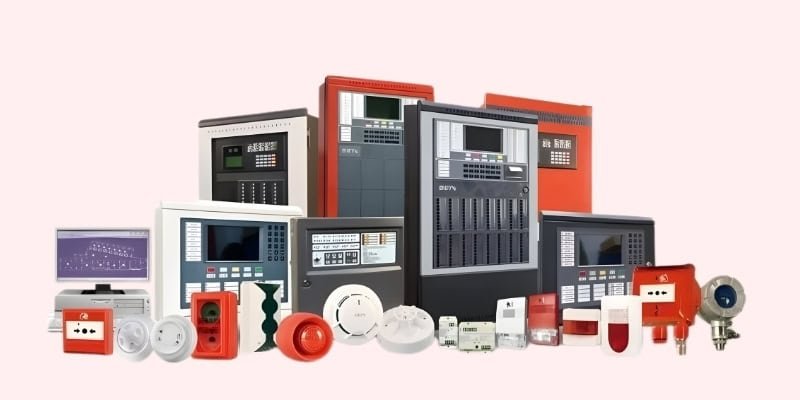
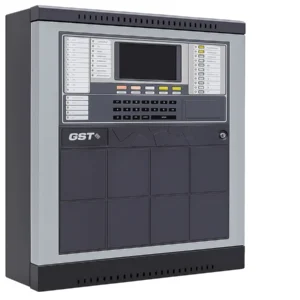
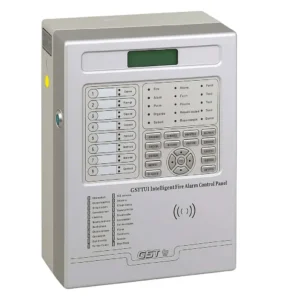
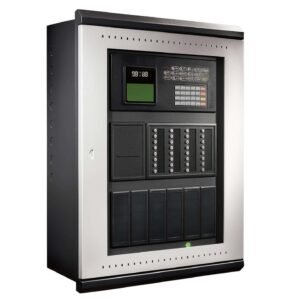
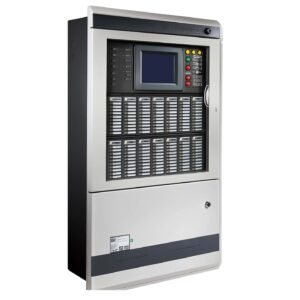
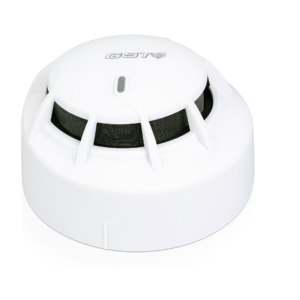
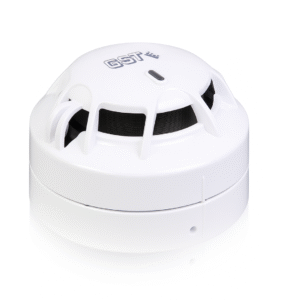
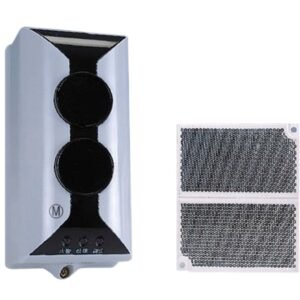
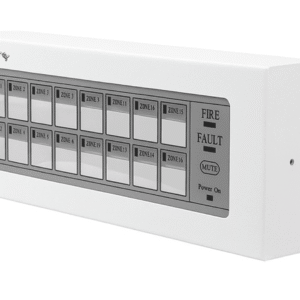
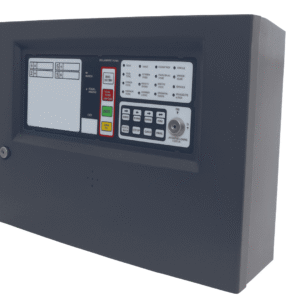
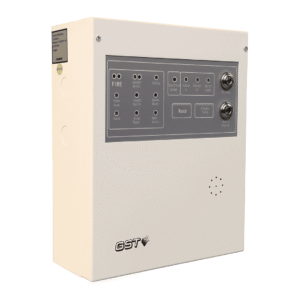
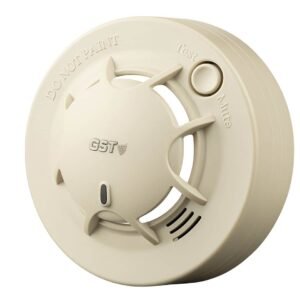
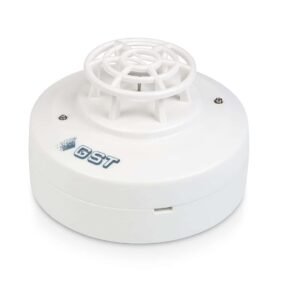
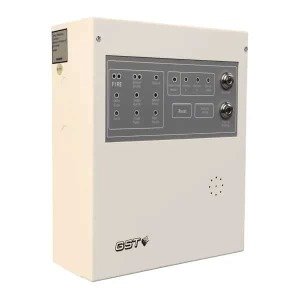
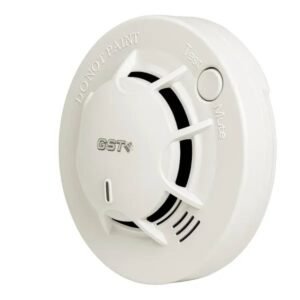
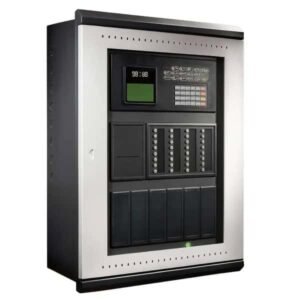
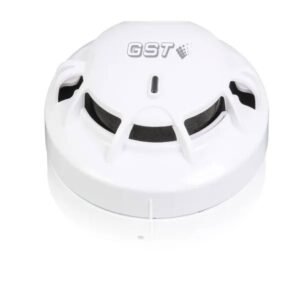
Fire safety in modern buildings is no longer just about installing detectors and sirens. Today, intelligent protection depends on one central component, the Fire Alarm Control Panel (FACP). It acts as the brain of the entire fire alarm system, continuously monitoring devices, processing signals and initiating life-saving actions within seconds. Whether you are designing a hospital, factory, high-rise tower, campus or data centre, selecting the right panel directly affects system reliability, response speed, compliance and long-term maintenance costs. Among the trusted global technologies available today, solutions from Gulf Security Technology (GST) are widely recognised for robust engineering, intelligent networking and dependable performance in mission-critical environments. This article breaks down the key technical parameters that define a reliable fire alarm control panel and helps consultants, system integrators and facility managers make confident decisions. Why the Fire Alarm Control Panel Matters Think of the control panel as: If the panel fails, the entire system fails, no matter how good your detectors are. That’s why technical specifications matter more than just pricing. 1. System Architecture: Addressable vs Conventional The first and most fundamental parameter is architecture type. Addressable Systems (Recommended for modern buildings) An addressable fire alarm panel communicates individually with each device. Every detector has a unique ID. Conventional Systems (For small or simple sites) A conventional fire alarm panel divides the building into zones rather than individual devices. Quick Comparison Parameter Addressable Conventional Device Identification Individual Zone-based Fault Finding Fast Manual Scalability High Limited Cabling Less More Intelligence Advanced Basic Expert Tip: For medium to large facilities, always choose an addressable system. It reduces troubleshooting time and enhances safety. 2. Loop Capacity & Device Count A reliable panel must support sufficient devices per loop. Key specs to evaluate: Why it matters: Modern gst fire alarm system panels often support high device density, allowing more detectors and modules on a single loop without signal degradation. 3. Processor Intelligence & Detection Algorithms A panel’s CPU determines how smart the system behaves. Look for: Benefits: Advanced systems dynamically adjust sensitivity based on environmental conditions like dust, humidity and temperature. 4. Communication Protocol Reliability Fire alarm panels must maintain continuous two-way communication with devices. Critical parameters: Without these, devices may go offline unnoticed. Reliable systems, especially those from GST, use stable proprietary protocols that maintain communication even in harsh industrial conditions. 5. Power Supply & Battery Backup During a fire, power failures are common. A dependable panel must operate even without mains power. Essential checks: Why critical: Because a panel without power equals zero protection. Always ensure batteries meet local fire codes. 6. Redundancy & Fault Tolerance Reliability increases when the system keeps running even after faults. Must-have features: Outcome: For large campuses, redundancy is not optional; it’s mandatory. 7. Networking & Scalability Modern buildings require multi-panel networking. Look for: Benefits: Advanced gst fire alarm system networks can connect dozens of panels across large sites. 8. Integration with Other ELV Systems A reliable panel must integrate with: Integration methods: Why important: Fire events require coordinated responses, such as: Without integration, evacuation becomes chaotic. 9. User Interface & Usability Operators must act quickly during emergencies. Good panels offer: Result: Complex interfaces slow down emergency response. 10. Compliance & Certifications Always verify: Compliance ensures: Panels lacking certification should never be installed. 11. Detector Compatibility The panel must support both: Consider: Broader compatibility = flexible system design. 12. Maintenance & Diagnostics Maintenance determines long-term reliability. Smart features include: Benefit: Reduces downtime and service costs. Technicians can locate issues within minutes instead of hours. 13. Event Logging & Reporting A reliable panel should store: Useful for: 14. Environmental Durability Panels must operate in harsh conditions. Check for: Industrial facilities require rugged designs. Why GST Panels Stand Out Across these technical parameters, Gulf Security Technology solutions consistently deliver: This makes GST ideal for: Final Thoughts Choosing a fire alarm control panel is not just a purchase decision; it’s a life safety decision. Focus on: When these parameters are strong, the system performs reliably during real emergencies. If you want fewer false alarms, easier maintenance and higher safety confidence, invest in a future-ready addressable fire alarm panel with proven technology like a GST fire alarm system. Because when seconds matter, reliability saves lives. Read Also: Interface Challenges Between Fire Alarm Systems and Other ELV Networks Read Also: Fire Alarm + PAVA Integration: A Smarter Emergency Communication Strategy
AI Video Analytics in Indoor Commercial Environments

Indoor commercial buildings are no longer protected by “just cameras.” Today, security systems think, analyse and respond in real time. This intelligence comes from AI video analytics, a technology that transforms traditional CCTV footage into actionable insights. From office towers and shopping malls to hospitals, factories and campuses, AI-driven surveillance helps teams detect threats faster, reduce manual monitoring, improve safety and optimise operations. Instead of watching hours of recordings, engineers and facility managers receive instant alerts, accurate reports and predictive intelligence. Simply put:👉 Cameras capture video.👉 AI video analytics interprets it.👉 Businesses make smarter decisions. This article explains how AI video analytics works indoors, where it delivers the most value and how to design scalable deployments that engineers will appreciate. What Is AI Video Analytics? AI video analytics uses artificial intelligence (AI), machine learning (ML) and computer vision to automatically analyse live or recorded video feeds. The system identifies patterns, objects, behaviours and anomalies without constant human intervention. Unlike traditional motion detection systems, AI can: Why Indoor Commercial Spaces Need AI Analytics Indoor environments create unique challenges: Traditional CCTV alone cannot scale to these demands. AI video analytics solves this by: 1. Reducing Human Dependency Security operators no longer watch screens continuously. The system flags only critical events. 2. Increasing Accuracy AI distinguishes real threats from shadows, reflections, or harmless movement. 3. Providing Business Intelligence Beyond safety, analytics reveal operational data like footfall, peak hours and space usage. 4. Delivering Real-Time Action Instant alerts allow teams to respond within seconds. Core Features of AI Video Analytics People Counting & Occupancy Monitoring Track how many people enter or exit areas. Ideal for malls, lobbies and conference halls. Intrusion Detection Detect unauthorised entry into restricted zones using virtual tripwires. Behavior Analysis Identify loitering, running, fighting, or abnormal activity. Facial Recognition (Where legally allowed) Enhance access control and VIP management. Object Detection Detect abandoned bags, missing equipment, or theft attempts. PPE & Compliance Monitoring Ensure helmets, masks, or safety gear usage in industrial settings. Heatmaps & Flow Analysis Visualise movement patterns to optimise space planning. Use Cases Across Indoor Commercial Environments Corporate Offices Shopping Malls & Retail Hospitals Warehouses & Factories Educational Campuses How AI Video Analytics Works (Step-by-Step) Step 1: Capture IP cameras record high-resolution footage. Step 2: Process Edge devices or servers analyse video using AI models. Step 3: Detect Algorithms identify events, objects, or anomalies. Step 4: Alert System sends real-time notifications. Step 5: Store & Report Data converts into dashboards and reports. Deployment options include: Architecture Options for Engineers Edge-Based Analytics Best for: medium sites Server-Based Analytics Best for: large campuses Hybrid Best for: enterprise projects Benefits That Matter to Engineers & Facility Managers Faster Incident Response Immediate alerts reduce reaction time. Lower Monitoring Costs Fewer guards are required for screen watching. Reduced False Alarms AI understands context better than motion detection. Actionable Data Reports guide layout and staffing decisions. Scalability Add cameras without redesigning infrastructure. Compliance Support Helps meet safety regulations and audit requirements. Designing an Effective AI Video Analytics System 1. Choose the Right Cameras 2. Optimise Placement 3. Plan Network Capacity 4. Select Processing Hardware 5. Define Use Cases First Don’t deploy AI without clear goals. Start with: 6. Ensure Privacy Compliance Common Challenges (And Solutions) Challenge Solution High false alerts Train AI models Poor lighting Use WDR cameras Bandwidth overload Edge processing Privacy concerns Anonymization tools Complex setup Professional integration AI Video Analytics + Smart Buildings Modern buildings integrate multiple ELV systems: AI video analytics connects seamlessly with these platforms to create intelligent ecosystems. Examples: This convergence transforms buildings into self-aware environments. Future Trends to Watch Edge AI Everywhere More intelligence is built directly into cameras. Predictive Analytics Systems forecast risks before incidents occur. Cloud Integration Centralised multi-site monitoring. Behavioral AI Detect suspicious behaviour patterns automatically. Digital Twins Video analytics feeding building simulations. Final Thoughts AI video analytics is no longer optional for modern indoor commercial environments. It is the foundation of smart security and operational intelligence. Organisations that adopt AI today: For engineers, it means smarter design.For managers, it means better decisions.For businesses, it means measurable ROI. If you are planning your next CCTV or ELV upgrade, integrate AI video analytics from day one. It transforms your cameras from passive recorders into active problem solvers. Read Also: Edge AI vs Centralized Analytics in Enterprise CCTV Read Also: Why Fire Alarm Systems Should Be Integrated with CCTV for Maximum Safety