Common Commissioning Mistakes in Addressable Fire Alarm Systems

Common Commissioning Mistakes in Addressable Fire Alarm Systems

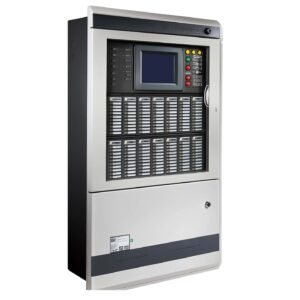
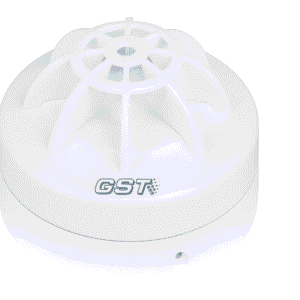
Commissioning is the most critical phase of any fire alarm project. You can install the best devices, use premium cables and follow perfect drawings, but if commissioning goes wrong, the entire system fails when it matters most. In modern buildings, addressable fire alarm systems act as the brain of life safety. They coordinate detectors, sounders, modules and evacuation devices in real time. However, many contractors still treat commissioning as a quick checklist instead of a structured engineering process. The result? False alarms, missing devices, delayed response, failed inspections and sometimes complete system shutdowns. This guide explains the most common commissioning mistakes in addressable fire alarm systems, how to prevent them, and how using a reliable platform like Gulf Security Technology (GST) helps engineers avoid costly failures. We’ll keep everything simple, practical and field-friendly, exactly how site engineers prefer. Why Proper Commissioning Matters Commissioning ensures that: Mistake #1: Poor Loop Wiring and Polarity Errors What happens? Technicians rush the loop termination. They mix polarity, leave loose connections, or create star topologies instead of proper loops. Symptoms Why it’s dangerous Addressable systems rely on clean digital communication. Bad wiring creates noise and signal loss. How to avoid GST panels provide loop diagnostics that quickly highlight short circuits or open lines, making troubleshooting faster. Mistake #2: Incorrect Device Addressing What happens? Engineers forget to set addresses or duplicate numbers across devices. Symptoms Real-world example A smoke detector in the server room shows as “Toilet Area.” During an emergency, responders waste precious minutes. How to avoid Modern GST fire alarm system software supports auto-discovery + manual verification, which reduces addressing mistakes significantly. Mistake #3: Skipping Device Labelling and Documentation What happens? Installers rely on memory instead of documentation. Symptoms Why it matters Fire authorities expect clear zone maps and device lists. Best practice This small step saves hours later. Mistake #4: Improper Cause & Effect Programming What happens? Logic programming is rushed or copied from another project. Symptoms Why it’s critical Cause & effect controls life safety automation. How to avoid GST panels allow graphical cause & effect configuration, which makes testing easier and reduces logic errors. Mistake #5: Ignoring Device Sensitivity Settings What happens? Default sensitivity remains unchanged. Symptoms Solution Adjust sensitivity based on the environment: Area Recommended Type Office Normal sensitivity Kitchen Heat detector Warehouse Adjustable smoke Server room High sensitivity GST detectors provide multi-criteria sensing, which reduces nuisance alarms. Mistake #6: Skipping Battery and Power Testing What happens? Engineers assume batteries work without load testing. Symptoms Correct approach Power reliability is non-negotiable. Mistake #7: Mixing Conventional and Addressable Logic Incorrectly Problems Best practice Use conventional only for: For large facilities, use a full addressable architecture. Mistake #8: Not Testing Every Device Physically Common shortcut Technicians test only sample detectors. Risk Unverified devices may never trigger during a real fire. Rule 100% testing is mandatory No exceptions. Mistake #9: Poor Network Integration Modern systems integrate with: Mistakes Prevention GST panels support flexible gateways, which simplify third-party integration. Mistake #10: No Final Authority Mock Inspection Reality Installers finish commissioning but skip mock inspections. Result The project fails official approval. Fix Before handover: Treat it like a real inspection day. Step-by-Step Commissioning Checklist Use this quick checklist: Why Engineers Prefer GST for Commissioning Here’s why many professionals choose GST fire alarm system solutions: Key benefits These features directly reduce commissioning errors and save time on-site. Final Thoughts Commissioning is not a formality; it is the moment of truth for any fire alarm system. Most failures come from small oversights: When teams follow a structured process and use reliable solutions like GST, these problems disappear. If you want faster approvals, fewer callbacks and safer buildings, focus on commissioning discipline, not shortcuts. Because when fire strikes, there is no second chance. Read Also: AI Video Analytics in Indoor Commercial Environments Read Also: Inside Innxeon Technologies: Brands, Expertise & PAN-India Fire Safety Vision