How Fire Alarm Control Panels Integrate with ELV and BMS Systems

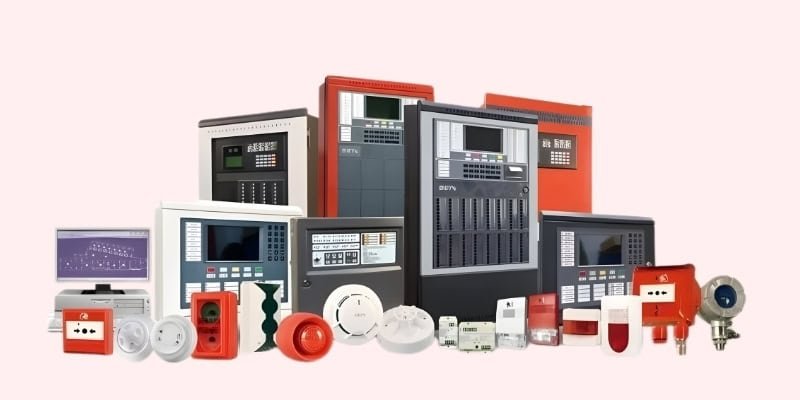
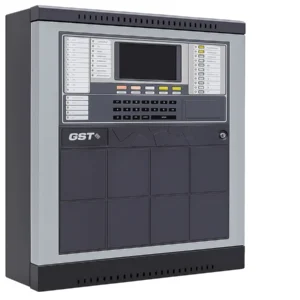
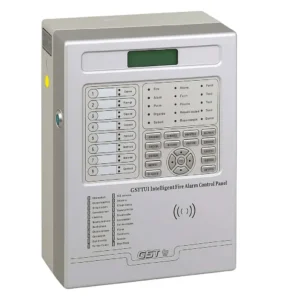
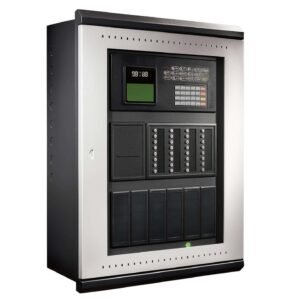
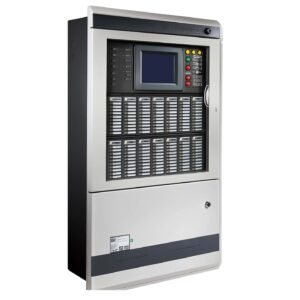
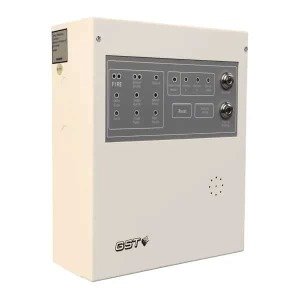
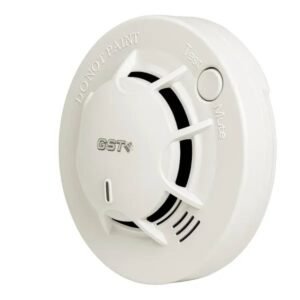
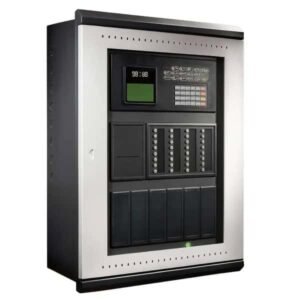
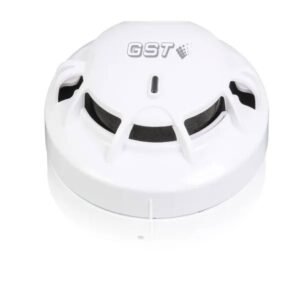
Modern buildings are no longer isolated systems. Today’s offices, malls, hospitals, airports, factories and smart campuses rely on connected safety ecosystems where fire detection, surveillance, HVAC, lighting and access control work together. At the centre of this ecosystem sits one critical device: the Fire Alarm Control Panel (FACP). Think of it as the brain of the entire life-safety network. When properly integrated with ELV (Extra Low Voltage) systems and BMS (Building Management Systems), the fire alarm panel does far more than trigger sirens. It can: In this guide, you’ll learn: Let’s break it down clearly and practically. What Is a Fire Alarm Control Panel? A Fire Alarm Control Panel (FACP) monitors devices such as: It receives signals, analyses events and executes programmed responses. Without integration, it only sounds an alarm. With integration, it becomes a command centre. Why Integration Matters in Modern Buildings Today’s buildings must comply with: Standalone systems create problems: Integrated systems solve these instantly: This is exactly where GST fire alarm system solutions shine. How Fire Alarm Panels Connect with ELV Systems What is ELV? ELV systems include: These systems operate below 50V but carry critical safety data. Integration Architecture (Simple View) Typical flow: Detector → Fire Panel → Relay/Protocol → ELV System → Action Example: Smoke detected → Panel triggers → CCTV auto-records → Doors unlock → Voice alarm plays Key Integration Points with ELV 1. CCTV System When fire occurs: Benefit: Faster verification, reduced false alarms 2. Access Control During an emergency: Benefit: Safe evacuation 3. PAVA / Voice Evacuation Panel triggers: Benefit: Controlled crowd movement 4. Elevators (Lift Control) Panel commands: Benefit: Prevents people from getting trapped 5. SMS / Remote Alerts Integration allows: Benefit: Immediate action even off-site How Fire Alarm Panels Integrate with BMS What is BMS? A Building Management System controls: BMS manages comfort.Fire alarm manages life safety. When combined, they become intelligent automation. Integration Methods Modern panels like GST support: These protocols allow two-way communication. Real-Time BMS Actions During Fire HVAC Shutdown Stops air circulation to prevent the spread. Smoke Extraction Starts exhaust fans automatically. Pressurization Fans Keeps staircases smoke-free. Emergency Lighting Turns on escape lighting instantly. Generator Start Ensures backup power. All of this happens automatically within seconds. Step-by-Step Integration Workflow Here’s how a real system works: Step 1 – Detection Addressable detectors detect smoke/heat precisely. Step 2 – Panel Processing Panel identifies: Step 3 – ELV Commands Step 4 – BMS Commands Step 5 – Operator Monitoring Everything is visible on a single dashboard. This automation can save minutes, which saves lives. Addressable vs Conventional Panels in Integration 🔹 Addressable fire alarm panel Best for integration because: Perfect for: 🔹 Conventional fire alarm panel Suitable for: Less precise but still reliable. For large integrated buildings, addressable is strongly recommended. Why Engineers Prefer GST Systems for Integration When planning integration, system capability matters. GST fire alarm system Advantages 1. Native BMS Protocols Supports BACnet/Modbus without extra gateways. 2. High Loop Capacity Handles thousands of devices easily. 3. Smart Networking Panels communicate across large campuses. 4. Easy ELV Interfacing Built-in relays and modules simplify wiring. 5. Reliable Hardware Designed for harsh environments. 6. Cost-Effective Enterprise features without premium pricing. This makes GST ideal for: Real-World Integration Examples Shopping Mall Hospital Factory Integration protects both people and assets. Installation Best Practices Engineers should follow: ✔ Use addressable architecture Provides precise control. ✔ Plan I/O points early Map all relay and protocol requirements. ✔ Test every interface Don’t assume automation works. ✔ Separate safety network Avoid overload or delays. ✔ Use certified equipment Ensures authority approval. ✔ Provide redundancy Critical for large sites. Final Thoughts Fire safety today is not just detection. It is intelligent coordination. When your Fire Alarm Control Panel integrates with ELV and BMS: For engineers and facility managers, integration is no longer optional. It is the new standard. And with GST fire alarm systems, achieving this level of intelligence becomes simple, scalable and reliable. If you’re planning your next project, design your fire alarm panel not just as a detector… but as the central brain of your entire building. Read Also: AI Video Analytics in Indoor Commercial Environments Read Also: Inside Innxeon Technologies: Brands, Expertise & PAN-India Fire Safety Vision