Industrial Surveillance + Fire Safety: A Unified Protection Strategy

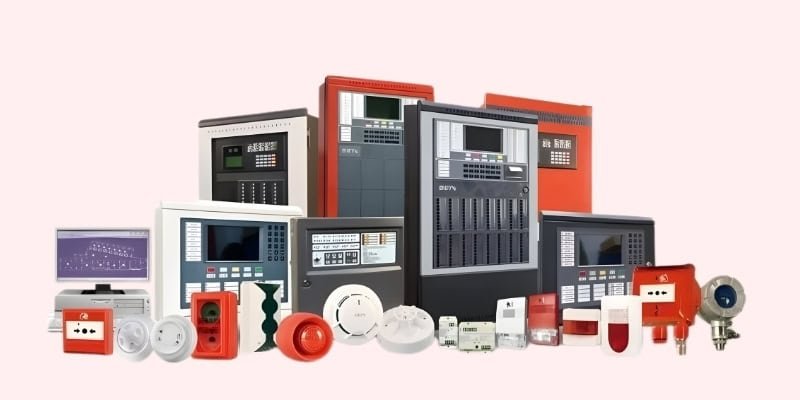
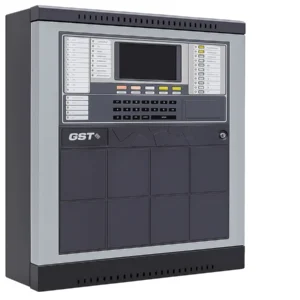
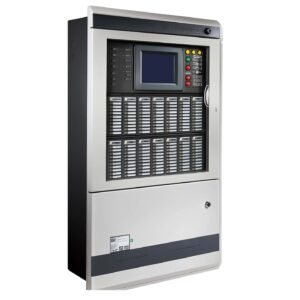
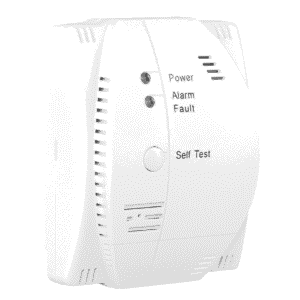
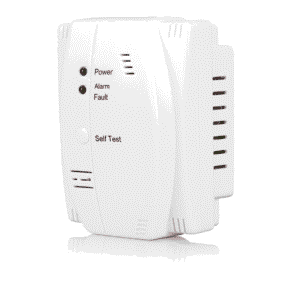
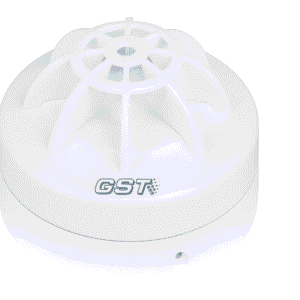
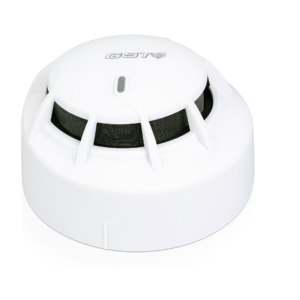
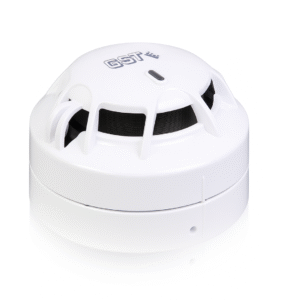
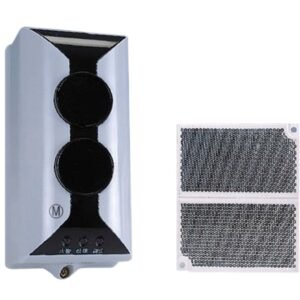
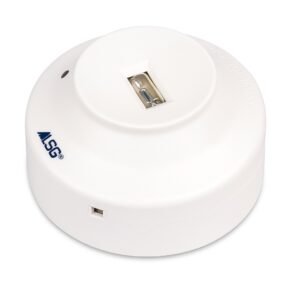
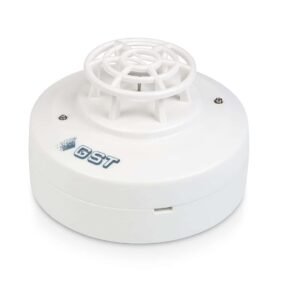
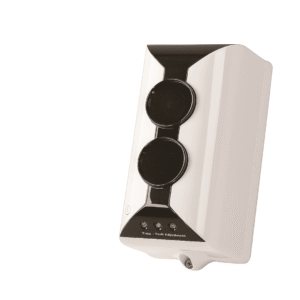
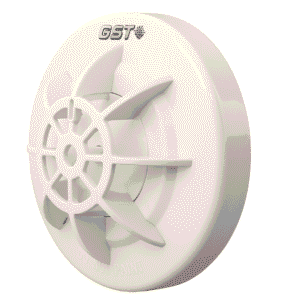
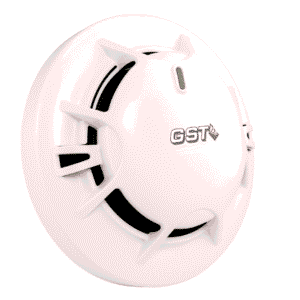
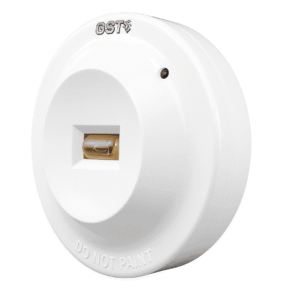
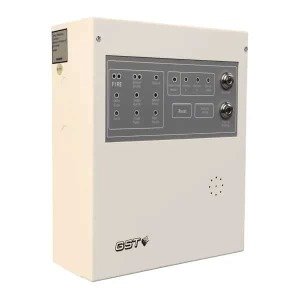
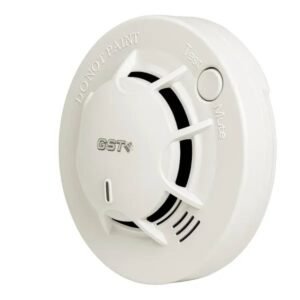
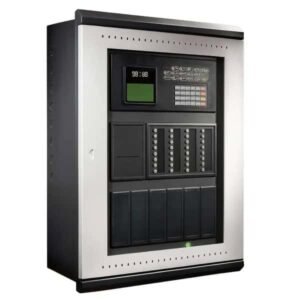
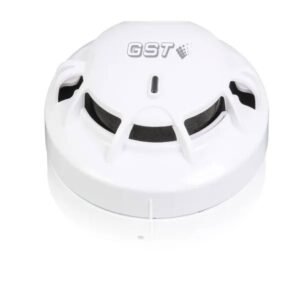
Let’s imagine we are standing inside a large manufacturing facility control room. Production lines are running. Electrical panels are active. Forklifts are moving inventory across the warehouse. Cameras are monitoring operations. Somewhere in the background, a fire alarm panel quietly supervises hundreds of detectors. Everything looks normal until something goes wrong. In industrial environments, fires rarely start dramatically. They usually begin as overheating cables, dust ignition, motor faults or electrical sparks. And when these early warning signs appear, the difference between a minor incident and a major shutdown depends on how quickly we detect and verify the problem. This is why we can no longer think about surveillance systems and fire alarm systems separately. A unified protection strategy combining CCTV monitoring with intelligent fire detection, like the GST fire alarm system distributed by Innxeon, allows us to detect, verify and respond faster. In this article, we’ll walk through how industrial surveillance and fire safety systems work together, how engineers design these integrations and why unified safety architecture is becoming the new industrial standard. Why Industrial Facilities Need a Unified Safety Strategy When we integrate surveillance with fire detection systems, we gain faster incident verification, better situational awareness and improved emergency response coordination across industrial facilities. Let’s think about how safety systems typically evolve. First, during plant construction, we install fire alarm systems for compliance. Later, during expansion or security upgrades, we install CCTV systems. Over time, both systems operate independently even though they monitor the same risks. Now imagine a smoke detector activates in a warehouse. Without integration, we must: This wastes critical time. But when systems are unified, the camera feed appears automatically when the alarm triggers. We immediately see what is happening. That is the core idea of unified safety. Industrial facilities that benefit most include: Modern addressable fire alarm panel systems make this integration practical and reliable. Key Takeaways Understanding the Core Concept of Integrated Safety Systems A unified protection strategy connects fire detection devices, alarm panels, CCTV systems and monitoring software into a single coordinated safety workflow. Integration does not mean replacing existing systems. It means allowing them to communicate. When a detector senses smoke or heat, the fire alarm panel sends an event signal. The surveillance system receives that event and automatically displays the relevant camera feed. Instead of reacting blindly to alarms, we respond with visual confirmation. The GST fire alarm system supports this approach because it is designed for: This turns safety systems into decision-support tools, not just alarm generators. Technical Architecture of Integrated Fire Safety and Surveillance Integrated safety architecture connects detectors, fire alarm panels, cameras and monitoring software through communication interfaces that automate alarm verification. Let’s walk through the system like engineers designing a plant. Integration usually happens inside the control room, where alarm panels and CCTV monitoring systems operate together. Fire Detection Layer This is where fire events are detected. We typically install: Depending on facility size, we choose between a conventional fire alarm panel and an addressable system. Addressable Detection Systems In large industrial environments, we prefer addressable detectors. Each detector has a unique ID, allowing us to identify the exact device location during an alarm. This is extremely valuable in: Instead of guessing zones, we know the exact source of risk. Conventional Detection Systems Smaller facilities may use conventional detectors, where alarms are identified by zone rather than device. These systems are simpler and cost-effective but provide less diagnostic information. Both systems are still used depending on project requirements. Surveillance Monitoring Layer Now let’s look at CCTV. Industrial surveillance usually covers: When integrated with fire detection systems, cameras automatically focus on the alarm location. This removes manual searching during emergencies. Control Room Integration Layer This is where the real coordination happens. Integration typically uses: A modern addressable fire alarm panel can send alarm signals to monitoring software, triggering the camera display automatically. We call this event-based monitoring. Instead of operators searching for information, the system guides them. Key Takeaways Real-World Industrial Use Cases Integrated systems help us detect early fire risks, verify incidents quickly and respond efficiently in industrial environments. Let’s walk through a few realistic scenarios. Warehouse Fire Detection Warehouses contain combustible materials, forklifts and electrical charging stations. If a smoke detector activates, cameras immediately show the affected corridor. We can quickly determine whether it is: This is where the reliability of the GST fire alarm system supplied by Innxeon becomes critical. Electrical Room Monitoring Electrical rooms are high-risk zones. Heat detectors connected to an addressable system can detect abnormal temperature rise. Cameras confirm whether smoke or sparks are present. This allows us to prevent shutdowns while maintaining safety. Manufacturing Line Safety Production lines generate: Integrated systems help us: Using addressable detectors, we immediately know where to respond. Key Takeaways Engineering Best Practices for Integration Successful integration requires planning, detector placement strategy, network reliability and centralised monitoring design. Let’s think like system designers. Use Addressable Systems for Large Facilities Addressable systems provide: The GST fire alarm system supports industrial-scale deployments and long-term expansion. Align Camera Placement with Detector Zones We should always design CCTV coverage around: Every alarm should be visually verifiable. Ensure Network Reliability Integrated systems depend on communication. We should implement: Safety systems must remain operational during emergencies. Centralize Monitoring Operators should monitor both: This simplifies training and reduces response time. Key Takeaways Conclusion: Building Safety Systems That Work Together Industrial safety is evolving. We are no longer installing independent systems; we are building connected safety ecosystems. When surveillance systems work alongside fire detection infrastructure, we gain: The GST fire alarm system distributed by Innxeon fits naturally into this unified strategy because of its scalability, reliability and integration readiness. As industrial environments grow more complex, unified protection strategies will define the future of safety engineering. And when we design safety systems that communicate with each other, we don’t just protect buildings, We protect people, operations and business continuity. Read Also: Why False Fire Alarms Occur in Commercial Buildings and How Engineers Prevent Them Read
Why Safety Infrastructure Should Include Both Detection & Monitoring

When we review a building’s fire safety system together, we usually begin by checking detectors, panels and alarm devices. Everything appears to be installed correctly, and the system looks ready. But then we ask ourselves something important: “If an alarm activates somewhere in this facility right now, will the right people know immediately?” That question shifts our thinking from fire detection alone to complete safety communication. In modern infrastructure, installing detectors is only one part of safety engineering. The real objective is to ensure that every alarm condition is detected, communicated, monitored and acted upon without delay. Across factories, commercial complexes, hospitals and campuses, we’ve repeatedly seen that safety systems become truly reliable only when detection and monitoring are designed together. This is where dependable equipment ecosystems, such as the GST fire alarm system supplied across India by Innxeon, support engineers in building safety infrastructure that does more than detect fire events. It ensures those events are seen, understood and responded to quickly. Let’s walk through how detection and monitoring work together to create safer facilities. Detection and Monitoring: Understanding the Complete Safety Picture Detection identifies fire conditions. Monitoring ensures the alarm information reaches people who can respond. Together, they form a complete fire safety communication system. When we design fire safety systems, we’re really designing information flow during emergencies. Detection devices answer: “Is something wrong?” Monitoring systems answer: “Who knows about it right now?” Both are essential. If we install detectors without monitoring visibility, alarms may activate, but response may be delayed. If we design monitoring without reliable detection, there is nothing meaningful to monitor. Safety infrastructure works best when these two layers are designed together. Simple way to think about it: What Happens When Detection Exists Without Monitoring Detection without monitoring can delay emergency response, hide equipment faults and reduce safety reliability in large facilities. Let’s think about a real scenario. We install detectors across a manufacturing plant using a conventional fire alarm panel. Everything is compliant and functional. But the plant operates 24/7. Now imagine: Those minutes matter. In large facilities, alarms often occur in areas that are: Without monitoring visibility, alarms may not reach the right people quickly. Another issue we often encounter is a silent system failure. A detector wiring fault might go unnoticed without monitoring alerts. That’s why modern fire safety design focuses on supervised systems, not just installed devices. Risks of detection-only systems: How Detection and Monitoring Work Together Detectors sense fire conditions, the control panel processes the signal and the monitoring systems display and communicate the event instantly. Let’s walk through the sequence together. Picture a smoke detector in an electrical room sensing smoke. Here’s what happens next: Step-by-Step System Flow This chain of events is what transforms detection into action. In many projects we support, engineers use an addressable fire alarm panel connected to monitoring software for full visibility. When equipment like addressable detectors communicates with monitoring systems through GST panels supplied by Innxeon, the entire safety workflow becomes clearer and faster. Addressable vs Conventional Systems in Monitoring Environments Addressable systems provide device-level monitoring information, while conventional systems provide zone-level information. Let’s compare them the way engineers usually do during design discussions. Addressable Systems: Precision Monitoring When we install addressable detectors, each device has a unique identity. The monitoring system shows the exact detector that triggered the alarm. This gives us: That’s why large facilities often use addressable systems. Conventional Systems: Simple Monitoring When we use conventional detectors, devices are grouped into zones. Monitoring tells us: “Alarm in Zone 3” Not: “Detector near Panel Room activated.” This approach works well for: Both architectures can be implemented using the GST fire alarm system, depending on project needs. Quick Comparison Summary Real-World Story: Designing Safety for an Industrial Plant Let’s walk through a typical project together. We’re designing fire safety for a multi-building industrial campus. The facility includes: If we only install detection devices, alarms may occur in distant buildings without immediate awareness. Now, imagine we integrate monitoring. The control room sees: Security teams respond faster.Maintenance teams identify issues earlier.Management gains confidence in system reliability. This is why engineers increasingly design systems where detection and monitoring are inseparable. Reliable distribution from suppliers like Innxeon ensures GST equipment reaches project sites on time, allowing these integrated systems to be commissioned without delays. Engineering Best Practices for Detection + Monitoring Systems Design detection and monitoring together from the beginning of the project, not as separate phases. From experience across multiple projects, a few practices consistently improve safety system performance. Plan Monitoring During Design, Not Commissioning Monitoring should be part of system architecture discussions early in the project. Adding monitoring later often causes: Choose Scalable Panel Infrastructure Large facilities grow over time. A scalable addressable fire alarm panel supports expansion without redesign. Use Compatible Detection Ecosystems Detection devices, panels, and monitoring interfaces should work within the same ecosystem, such as the GST product range supplied by Innxeon. Compatibility reduces commissioning risks. Monitor System Health Continuously Monitoring should include: This prevents system failure during emergencies. Engineering Checklist Why Reliable Supply Matters in Integrated Safety Systems When we talk about detection and monitoring, we often focus on engineering design. But project execution depends heavily on equipment availability. Safety systems cannot be partially installed or delayed due to missing components. Suppliers like Innxeon help maintain project continuity by distributing GST detection equipment across India, ensuring contractors and integrators receive the panels, detectors and accessories needed to complete monitoring-ready installations. Reliable supply supports reliable safety infrastructure. Building Safety Systems That Communicate When we design safety infrastructure together, thinking about both detection and monitoring, we move from installing equipment to building responsive safety systems. Detection tells us something is wrong.Monitoring ensures someone knows immediately. That connection is what makes safety infrastructure reliable. Across modern facilities, integrated systems using components like the GST fire alarm system, supplied consistently by Innxeon, help engineers create environments where alarms lead to action without delay. If detection is the eyes of a safety system, monitoring