Top 10 Reasons to Choose GST Fire Alarm Systems for Industrial Projects

Top 10 Reasons to Choose GST Fire Alarm Systems for Industrial Projects

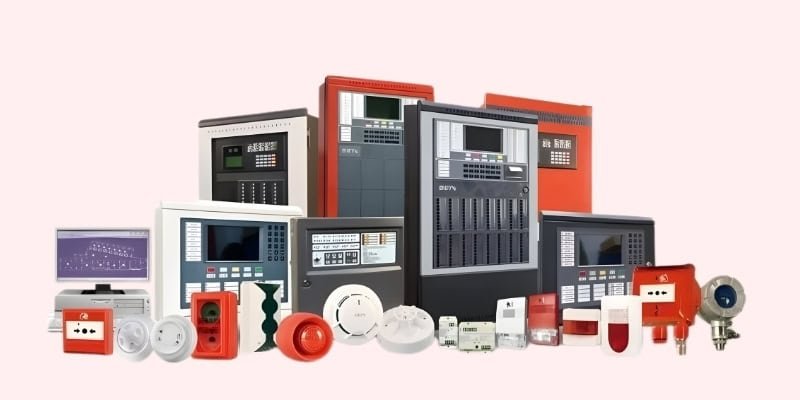
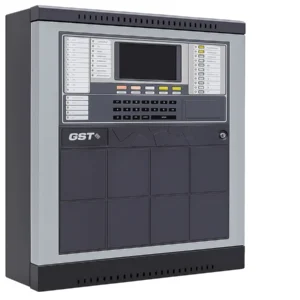
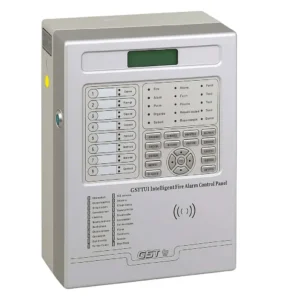
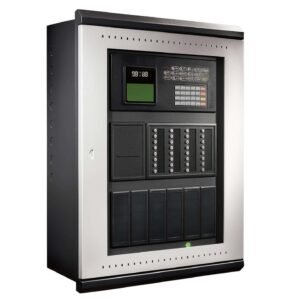
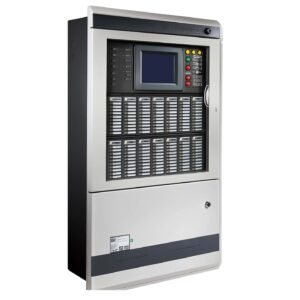
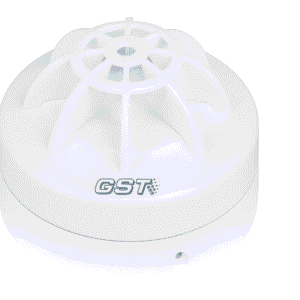
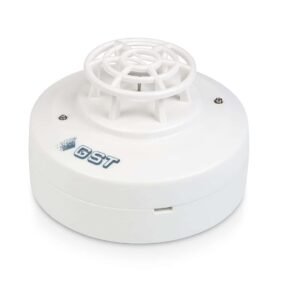
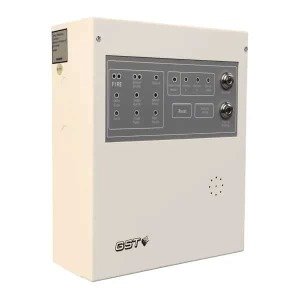
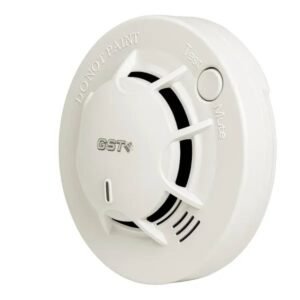
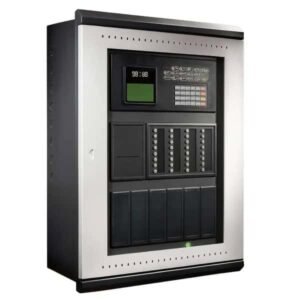
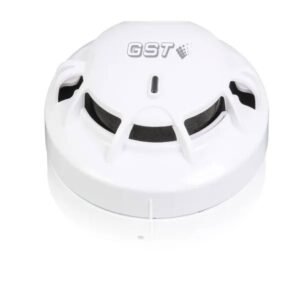
Industrial fire safety is not a checkbox. It’s an engineering responsibility. When we design an industrial facility, whether it’s a manufacturing plant, warehouse, pharmaceutical unit or power infrastructure, we are not just installing equipment. We are building a risk mitigation ecosystem. And one of the most critical components of that ecosystem is the fire alarm system. Today, we’ll walk through why GST fire alarm systems have become a preferred choice for industrial projects. We’ll break this down technically, practically and strategically, so you can make informed project decisions. Understanding Industrial Fire Alarm Systems An industrial fire alarm system is a network of detectors, control panels, notification devices and communication modules designed to detect fire hazards early and trigger alerts for evacuation and suppression. Unlike residential systems, industrial systems are engineered for scalability, environmental resilience and regulatory compliance. In industrial environments, detection must work reliably despite dust, vibration, temperature variations, electrical noise and high ceilings. This is where system design and technology matter deeply. When we choose a GST fire alarm system, we are choosing a platform built specifically for demanding commercial and industrial conditions. Core Concept: Why System Choice Impacts Safety Outcomes Fire alarm systems do more than detect smoke. They coordinate the response. In industrial settings, systems must: A poorly selected system increases downtime, regulatory risks and operational losses. A properly engineered system reduces risk exposure and improves compliance confidence. Now, let’s break down the top 10 reasons engineers increasingly select GST for industrial projects. 1. Advanced Addressable Technology for Large-Scale Projects Addressable systems allow each detector and device to have a unique digital identity, enabling precise fire location detection, faster troubleshooting and intelligent monitoring. This significantly improves response time and maintenance efficiency in industrial environments. Why Addressable Architecture Matters In large plants, knowing that “Zone 3” has smoke is not enough. We need to know which exact detector triggered the alarm. With an addressable fire alarm panel, every device communicates individually with the control unit. This means: Engineering Advantage Addressable systems reduce cable complexity and enable loop-based architecture. This simplifies expansion and reduces installation time in large industrial campuses. GST’s addressable platforms are designed for multi-building and high-device-count environments, making them ideal for manufacturing zones and logistics hubs. Key Benefits Summary: 2. Reliable Conventional Systems for Targeted Applications Conventional systems divide a facility into zones rather than individual device identification. They are cost-effective, simple to install and suitable for small or segmented industrial spaces. Not every project requires full addressable architecture. When to Use Conventional Systems A conventional fire alarm panel is suitable for: Detector Compatibility GST supports robust conventional detectors engineered for stable performance under industrial conditions. This flexibility allows consultants to choose the right system per building type without compromising quality. Decision Insight:Choose addressable for scalability and precision.Choose conventional for controlled, small-scale deployments. 3. Industrial-Grade Detector Technology Industrial detectors must resist dust, humidity, vibration and temperature variation while maintaining sensitivity. GST detectors are engineered with adaptive algorithms to minimise false alarms while maintaining reliable detection. Smart Detection Algorithms GST’s addressable detectors incorporate: This is essential in environments like cement plants or textile units where airborne particles are common. Stability in Harsh Environments Industrial operations generate noise, both electrical and environmental. Detector shielding and advanced signal processing ensure stable communication with the panel. Practical Impact: 4. Compliance with International Standards Industrial projects require fire systems that meet recognised standards for safety, performance and reliability. GST systems are built to align with international fire safety codes and certifications, ensuring smoother approvals and inspections. Compliance reduces project friction. When we specify compliant systems early, we avoid redesigns, penalties and delays. Why Compliance Matters in Industrial Projects For consultants and EPC contractors, this reduces risk exposure significantly. 5. Scalability for Future Expansion Scalable fire alarm systems allow future device additions, loop extensions and network integration without replacing the core infrastructure. Industrial facilities grow. Production lines expand. Warehouses extend. New buildings come up. GST addressable systems allow: This future-readiness protects capital investment. Engineering Best Practice:Design today with 30% capacity headroom for tomorrow. 6. Integration with Building Management & Safety Systems Modern fire alarm systems must integrate with BMS, access control, PA systems and suppression systems to enable coordinated emergency response. A fire alarm cannot operate in isolation. GST systems support integration with: In industrial settings, this integration can prevent escalation from small ignition to full-scale disaster. 7. Faster Installation and Commissioning Optimised panel design, loop configuration and device auto-addressing reduce installation time and commissioning complexity. Time is money in industrial projects. Addressable architecture reduces wiring complexity compared to traditional radial zoning. Commissioning Benefits This reduces dependency on extensive troubleshooting during handover. 8. Reduced Maintenance Costs Over Time Advanced diagnostics and device-level monitoring reduce maintenance labour and service downtime. Maintenance teams benefit from: Instead of inspecting entire zones, engineers can isolate specific devices. Over a 5–10-year lifecycle, this translates into measurable cost savings. 9. Strong Distribution & Technical Support Ecosystem A fire alarm system is only as good as its support network. When sourced through experienced distributors like Innxeon, projects gain: This ensures the GST fire alarm system is not just delivered, but properly engineered and maintained. 10. Proven Performance in Industrial Environments Industrial-grade fire systems must demonstrate long-term reliability in real operational conditions. GST systems have a track record across manufacturing, logistics, commercial complexes and infrastructure projects. Reliability builds confidence. Engineers prefer platforms that: Consistency reduces lifecycle risk. Real-World Application: Choosing the Right System Let’s walk through a scenario. Imagine we are designing a 250,000 sq. ft. manufacturing facility. We would typically: For high-bay warehouses → addressable detection is ideal.For small electrical rooms → conventional may suffice. Balanced engineering decisions create cost-efficient yet robust safety infrastructure. Engineering Best Practices for Selecting Fire Alarm Systems Safety decisions should be engineering-driven, not price-driven alone. Making the Right Engineering Decision Choosing a fire alarm system is not about selecting a brand. It’s about evaluating: GST systems provide flexibility, supporting both addressable fire alarm panel and conventional fire alarm panel architectures, along with durable

7 Signs You Need to Upgrade Your Existing Fire Detection System

7 Signs You Need to Upgrade Your Existing Fire Detection System

Introduction: Are We Trusting a System That No Longer Protects Us? We’ve all seen it in older facilities: a fire alarm panel tucked inside a dusty control room, detectors that haven’t been replaced in years, wiring diagrams that nobody fully understands anymore. On the surface, the system “works.” But the real question we should ask ourselves is this: Would it perform flawlessly during a real emergency? Fire detection systems are not a static infrastructure. Industrial risks evolve. Building layouts change. Electrical loads increase. Compliance codes update. When the protection system stays frozen in time while everything else moves forward, gaps appear, and those gaps can be costly. In this article, we’ll walk through seven practical engineering signs that indicate it’s time to upgrade your existing fire detection system. We’ll explore real-world scenarios, technical implications and how modern solutions like a well-designed GST fire alarm system can address these challenges without unnecessary complexity. Understanding Fire Detection Upgrades: What Does It Really Mean? Upgrading a fire detection system means replacing outdated panels, detectors and infrastructure with modern, compliant and intelligent equipment that improves reliability, monitoring accuracy and emergency response time. It ensures regulatory compliance, reduces false alarms and enhances system scalability for growing facilities. Upgrading does not always mean ripping out everything. Sometimes it involves migrating from a conventional fire alarm panel to an addressable fire alarm panel, replacing ageing detectors, or integrating monitoring software. The core goal is simple:Improve detection speed, accuracy, system visibility and long-term reliability. 1. Frequent False Alarms Are Disrupting Operations Frequent false alarms indicate sensor contamination, outdated detection technology, wiring issues, or system instability. When nuisance alarms interrupt production or evacuations, it signals declining system reliability. Persistent false triggers reduce trust in the alarm system and may delay real emergency responses. False alarms are not just inconvenient. In industrial environments, they stop production lines, interrupt processes and cause unnecessary evacuation fatigue. Over time, staff begin to ignore alarm signals, and that’s dangerous. Why False Alarms Increase in Older Systems Older conventional detectors rely on basic threshold-based sensing. Dust, humidity and industrial fumes can trigger them unintentionally. Ageing sensors lose calibration accuracy. Modern addressable detectors use intelligent algorithms to distinguish between environmental noise and actual fire signatures. They provide: This is where transitioning to a modern addressable fire alarm panel significantly improves operational stability. Key Takeaway: 2. Your System Lacks Device-Level Identification If your system cannot identify the exact detector or location of an alarm, it is likely conventional and outdated. Modern fire detection requires pinpoint device-level identification to reduce response time, enable targeted evacuation and improve troubleshooting efficiency. Let’s imagine a scenario. An alarm triggers in a 30,000 sq. ft. manufacturing unit. The panel only shows “Zone 4.” Now we must physically search that zone to locate the source. In high-risk environments, every minute matters. Conventional vs Addressable: Why It Matters Conventional fire alarm panel Addressable fire alarm panel A modern GST fire alarm system offers an addressable architecture that allows operators to immediately identify: Bullet Summary: 3. Spare Parts Are Hard to Find When replacement detectors, panels, or modules become unavailable due to discontinued models, the system becomes unreliable. Lack of spare parts increases downtime, repair delays and long-term operational risk. Many facilities still operate panels that are no longer manufactured. When a module fails, sourcing replacement parts becomes difficult. Why Obsolete Systems Increase Risk Upgrading to a currently supported platform ensures long-term component availability and compatibility. Modern GST systems offer scalable and supported product lines, ensuring: Engineering Insight:If procurement teams struggle to source original parts within 2–3 weeks, your system is already operationally vulnerable. 4. Expansion Is No Longer Possible If your fire alarm panel has reached maximum loop capacity or cannot support additional devices, expansion becomes impossible. Growing facilities require scalable detection systems that support future growth without requiring full replacement. Facilities evolve. We add new warehouses, production lines, server rooms or hazardous storage areas. But older panels often: Why Scalability Matters An upgrade to a modular addressable architecture enables: A GST fire alarm system is designed with modular scalability, allowing incremental upgrades instead of complete system replacement. Step-by-Step Decision Check: If yes, it’s upgrade time. 5. Maintenance Costs Keep Increasing Rising maintenance costs often indicate ageing wiring, sensor drift and repeated device failures. When annual service expenses approach the cost of partial system replacement, upgrading becomes more economical long-term. Older systems require: Hidden Cost of Ageing Systems Maintenance teams spend more time diagnosing issues in conventional panels because faults are zone-based, not device-specific. With intelligent addressable systems: Modern addressable detectors provide contamination alerts before failure, enabling proactive replacement. Cost Reality:Spending repeatedly on repairs is often more expensive than strategic upgrading. 6. Your System Does Not Meet Current Compliance Standards If your fire detection system does not meet updated national or industrial safety codes, it exposes your facility to legal penalties, insurance risks and operational shutdown. Regulatory compliance evolves, and outdated systems may fail inspection requirements. Standards evolve. Insurance audits become stricter. Authorities demand documented testing and reporting. Compliance Risks of Older Systems Modern panels provide: A current-generation GST platform is built to align with modern safety and performance expectations. Compliance Checklist: 7. No Integration With Central Monitoring If your fire detection system cannot integrate with centralised monitoring or building management systems, response coordination becomes slower. Modern facilities require integrated safety ecosystems that unify detection, surveillance and emergency response systems. Today’s facilities rely on centralised emergency management. When fire detection operates in isolation: Why Integration Is Essential Modern addressable systems support: Upgrading to a scalable GST architecture enables integration with broader safety infrastructure without excessive redesign. Real-World Application: When Should We Actually Upgrade? Let’s simplify the decision-making process. Upgrade when: Engineering Rule of Thumb:If three or more of these signs apply, conduct a formal system audit immediately. Engineering Best Practices for Upgrading Step 1: Conduct a Technical Audit Assess panel capacity, detector health, wiring condition and compliance status. Step 2: Compare Conventional vs Addressable Architecture Evaluate whether transitioning from conventional detectors to addressable