Fire Safety Infrastructure as a Brand Protection Strategy

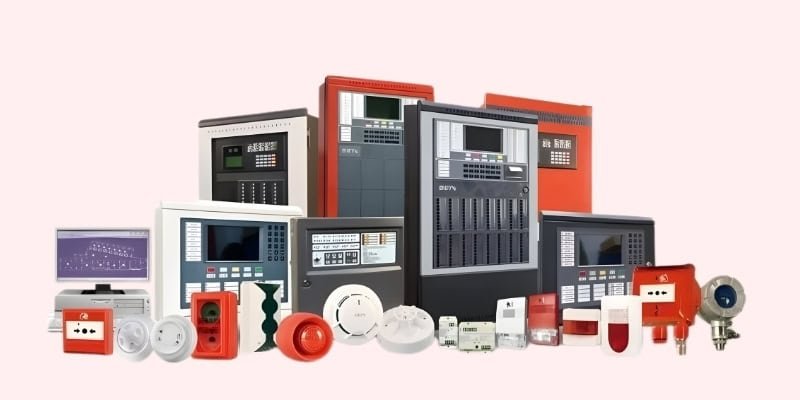
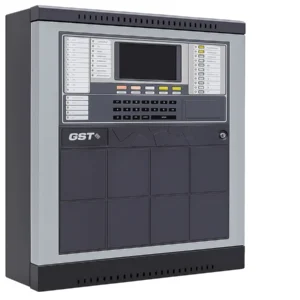
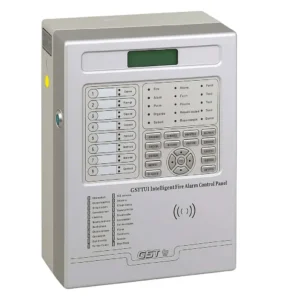
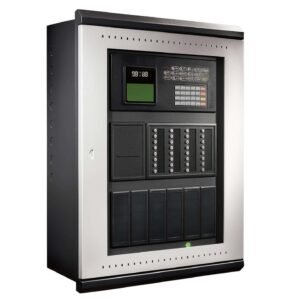
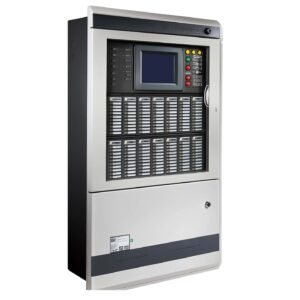
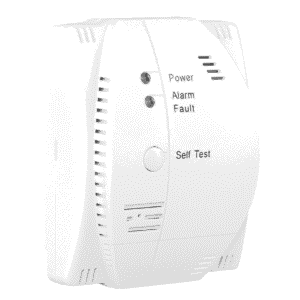
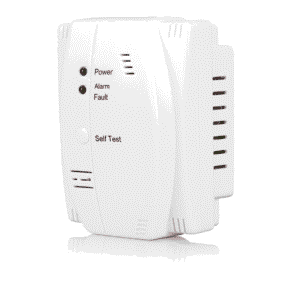
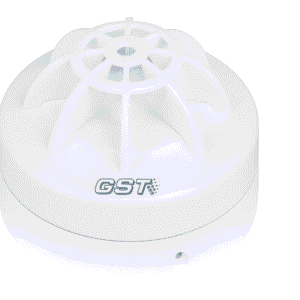
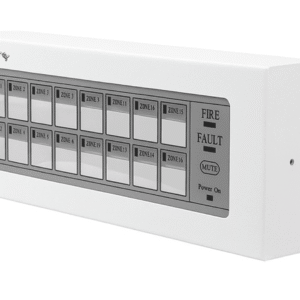
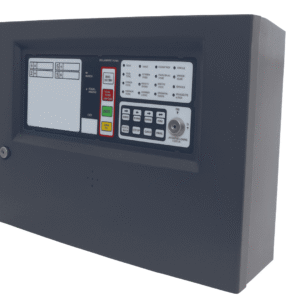
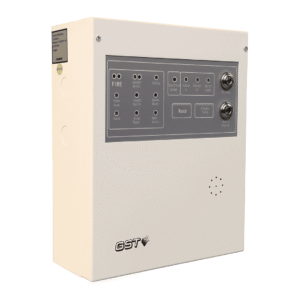
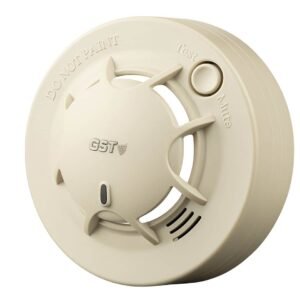
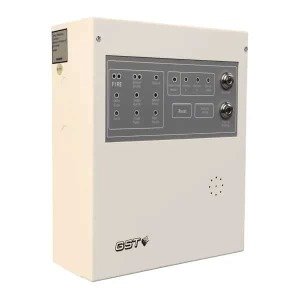
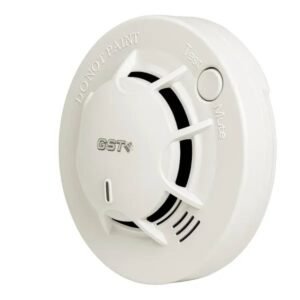
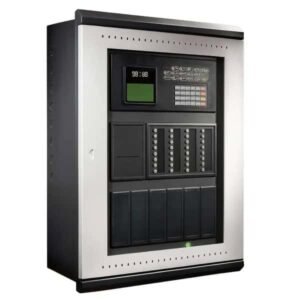
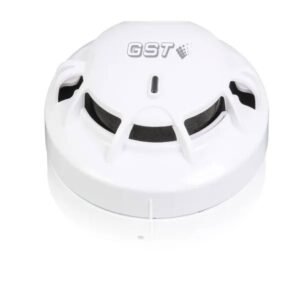
In industrial leadership meetings, we often discuss production targets, cost control, compliance audits and market expansion. But rarely do we sit together and ask a more strategic question: Is our fire safety infrastructure protecting our brand, or is it just meeting compliance requirements? In today’s industrial ecosystem, a single fire incident is no longer just an operational event. It becomes a headline, a social media discussion, an insurance case study and sometimes a legal investigation. The damage spreads beyond equipment and inventory. It impacts reputation, investor confidence, customer trust and long-term valuation. When we treat fire safety as infrastructure, not expense, we shift from regulatory thinking to brand strategy. Let’s walk through this together from an engineering and business perspective. What Is Fire Safety Infrastructure? Fire safety infrastructure is the integrated system of detection, alarm, monitoring, suppression and emergency response technologies designed to detect, control and communicate fire risks within a facility. It includes fire alarm panels, detectors, evacuation systems and monitoring integration to protect people, assets and operations. When we design a plant or commercial facility, fire safety infrastructure is not just a panel on the wall. It is a network of intelligence distributed across the building. It includes: If designed correctly, it becomes the first line of brand defence. Why Brand Protection Depends on Fire Safety Planning Fire incidents damage more than property. They disrupt operations, trigger insurance scrutiny, increase regulatory attention and erode customer trust. A strong fire safety infrastructure reduces downtime, legal exposure and reputational risk. Let’s consider what truly happens during a major fire event. Operational Downtime Becomes Market Risk When production halts for weeks, customers shift to competitors. Restarting a facility is not instant. Equipment recalibration, compliance inspections and workforce stabilisation take time. Brand perception changes from “reliable supplier” to “risk-prone operator.” Regulatory and Legal Exposure Expands After a fire, investigators examine detection systems first.Was the alarm system functioning?Were the detectors properly spaced?Was maintenance documented? Inadequate infrastructure transforms a fire into a negligence case. Insurance and Investor Confidence Decline Insurers reassess risk profiles. Premiums increase. Claims face scrutiny. Investors question governance and operational discipline. A well-engineered fire detection system demonstrates risk maturity, which protects valuation. Key Takeaway Summary: Core Concept: From Reactive Safety to Proactive Protection Reactive safety responds after flames are visible. Proactive protection detects anomalies at the earliest stage, often before ignition escalates. The difference lies in system design, detector intelligence, and response integration. Let’s compare. Reactive Approach This approach minimises initial capital cost but increases long-term brand risk. Proactive Infrastructure Strategy Here, detection becomes predictive. The system identifies abnormal conditions before a full-scale emergency develops. This is where selecting between an addressable fire alarm panel and a conventional fire alarm panel becomes strategic, not technical. Technical Breakdown: Infrastructure That Protects Reputation Addressable vs Conventional Architecture An addressable system identifies the exact device location during an alarm event, while a conventional system identifies only a general zone. Addressable systems enable faster response and reduced downtime. Addressable Fire Alarm Panel An addressable fire alarm panel assigns a unique ID to every detector. When triggered, it tells us exactly which device activated the room, rack, or corridor. This precision reduces: It also strengthens incident documentation, critical during legal reviews. Conventional Fire Alarm Panel A conventional fire alarm panel divides a building into zones. If an alarm activates, we only know the zone, not the exact device. For small facilities, this may be adequate. For industrial plants or data centres, it increases response delay. Detection Layer: Intelligence at the Edge Detection devices determine how early we respond. Addressable Detectors Addressable detectors communicate continuously with the control panel. They send status updates, contamination levels and fault signals. This enables: Conventional Detectors Conventional detectors operate within a circuit zone and trigger when thresholds are exceeded. They are simpler but offer limited diagnostic capability. In a large infrastructure, this limitation can delay investigation. Why GST Architecture Supports Brand Resilience The GST fire alarm system is engineered for scalable, intelligent detection environments. Its modular architecture allows: From a brand protection standpoint, system reliability equals reputational stability. Real-World Scenario: When Infrastructure Determines Headlines Let’s walk through two hypothetical industrial scenarios. Scenario 1: Limited Detection Design A manufacturing unit uses a basic zonal system. A cable tray overheats at midnight. Smoke triggers a general zone alarm. Security takes 10 minutes to identify the source. Fire spreads to the adjacent insulation.Production stops for 18 days.Media coverage highlights “delayed response.” Scenario 2: Intelligent Addressable Design Same overheating event.An addressable detector pinpoints “Cable Tray Section B – Line 4.”Security isolates power within minutes.Damage remains localised. Operations resume the next morning. The difference?Detection precision and system integration. Brand Impact Comparison: Engineering Best Practices for Brand-Focused Fire Infrastructure Brand-protective fire infrastructure requires risk-based design, intelligent panel selection, scalable detection, integration planning and lifecycle maintenance protocols. Let’s outline this clearly. Step 1: Risk Mapping Before System Selection Map high-risk zones: Match detector type to risk category. Step 2: Choose Architecture Based on Scale Use addressable systems when: Use conventional systems for: Step 3: Integrate With Monitoring Systems Integrate fire alarm outputs with: Integration reduces verification time. Step 4: Design for Scalability Industrial facilities expand.Your fire system must expand without replacement. Select panels and loops with future capacity. Step 5: Implement Lifecycle Maintenance Strategy Maintenance records protect against liability claims. Fire Safety as a Governance Signal When investors evaluate companies, they assess governance maturity. Strong fire infrastructure demonstrates: It communicates seriousness, internally and externally. In many industrial audits, documentation from the fire alarm panel becomes evidence of preparedness. Fire Safety Is Brand Insurance When we look at fire safety only through a compliance lens, we underestimate its strategic value. But when we view it as brand protection infrastructure, our design decisions change. We choose: A robust fire detection ecosystem, built around intelligent panels, reliable detectors and integrated monitoring, protects more than property. It protects continuity.It protects trust.It protects reputation. In industrial leadership, brand strength is built through risk discipline. Fire safety infrastructure is one of the clearest
Legal Liability & Fire Safety: What Business Leaders Must Know

Fire safety is not just a compliance requirement. It is a board-level risk. When a fire incident occurs in an industrial facility, the consequences extend far beyond damaged equipment. Investigations begin. Insurance assessments follow. Regulatory scrutiny intensifies. And leadership decisions come under review. If you are a CEO, plant head, project consultant or procurement leader, you carry more legal responsibility than you may realise. Let us walk through this together, not as a theoretical discussion, but as a practical engineering and risk management conversation. Why Legal Liability in Fire Safety Is a Leadership Issue Legal liability in fire safety refers to the responsibility business leaders hold for preventing, detecting and responding to fire risks within their facilities. If systems are inadequate, improperly maintained, or non-compliant, organisations may face civil lawsuits, criminal charges, regulatory penalties, insurance rejection and long-term reputational damage. When we approve budgets, delay upgrades or ignore risk assessments, we are not making operational decisions alone. We are shaping legal exposure. After any major fire incident, investigators ask: If the answer to any of these is “no,” liability shifts upward. What Is Legal Liability in Fire Safety? Legal liability in fire safety is the obligation of property owners, employers and decision-makers to implement adequate fire prevention, detection and protection systems in accordance with applicable laws and safety standards. Failure to meet these obligations can result in financial penalties, criminal prosecution or compensation claims. Civil Liability This arises when injured parties, employees or third parties file compensation claims. Courts examine whether “reasonable safety measures” were in place. If a factory installs outdated systems like a poorly maintained conventional fire alarm panel where risk requires zoning intelligence, that decision becomes evidence. Criminal Liability In severe negligence cases, especially where fatalities occur, authorities may pursue criminal charges against responsible individuals. This is particularly common where safety audits were ignored. Regulatory Penalties Fire departments and statutory bodies can issue fines, shut down operations or suspend occupancy certificates. Key Takeaway:Legal liability is not triggered by fire alone; it is triggered by preventable failure. The Core Concept: Duty of Care in Industrial Fire Safety Every organisation has a legal “duty of care.” Let’s break that down technically. Duty of care in fire safety means an organisation must take all reasonable and technically appropriate measures to prevent and mitigate fire risks. This includes proper system design, certified equipment selection, trained personnel, regular inspection and documented maintenance in accordance with safety codes and industry standards. What “Reasonable Measures” Actually Mean From an engineering perspective, reasonable measures include: Installing low-cost equipment in a high-risk chemical plant is not “reasonable.” Technology Selection and Legal Exposure Choosing between an addressable fire alarm panel and a conventional fire alarm panel is not just a technical preference. It affects traceability and response speed. In litigation, the question becomes:“Was the system capable of pinpointing the fire source immediately?” If not, delay equals liability. Technical Breakdown: How Detection Systems Influence Legal Risk Fire detection is where engineering meets law. Let’s examine how. Modern fire detection systems reduce legal liability by enabling faster response, precise location identification and audit-ready event logging. Advanced systems provide device-level intelligence, while outdated systems may only indicate zones. The higher the risk environment, the stronger the expectation for intelligent, addressable detection systems. Conventional Systems and Their Limitations Conventional detectors are grouped in zones. When triggered, the panel shows only the affected zone. This creates: In small, low-risk facilities, this may be acceptable. In industrial complexes? Risky. Addressable Systems and Accountability Addressable detectors communicate individually with the panel. The system identifies: The GST fire alarm system is an example of a solution designed for traceability and scalable industrial performance. From a legal perspective, detailed event logs demonstrate proactive risk control. Engineering Comparison Summary Conventional Systems Addressable Systems Real-World Scenario: When Downtime Becomes Legal Damage Let us consider a realistic situation. A manufacturing plant experiences a fire in a cable tray section. The installed system uses outdated conventional detectors. The alarm indicates “Zone 4.” The staff take 12 minutes to locate the source. By then: Now the legal question emerges:Was the detection system proportionate to the risk? If risk assessment recommended addressable detectors and management chose otherwise to reduce capex, the liability becomes difficult to defend. Insurance Implications Insurers evaluate: If systems are inadequate, claim settlements may be reduced. Engineering Best Practices to Minimise Legal Exposure To reduce fire safety liability, organisations must adopt risk-based system design, select compliant and certified equipment, implement intelligent detection technology, conduct periodic testing, document all inspections and train personnel. Proactive engineering decisions demonstrate due diligence and significantly reduce exposure to legal and financial consequences. Let us walk through practical steps. 1. Conduct Formal Fire Risk Assessments Risk assessment reports become legal evidence of diligence. 2. Choose Risk-Appropriate Systems For industrial facilities: For small offices, conventional fire alarm panel solutions may suffice. 3. Maintain Audit Trails Maintain documentation of: Legal defence relies on records. 4. Integrate Monitoring and Response Modern systems like the GST fire alarm system support: Integrated systems demonstrate layered protection. Step-by-Step: How to Evaluate Your Fire Liability Risk If gaps exist, corrective action should not be delayed. Decision-Making Framework for Business Leaders When evaluating upgrades, consider three dimensions: Risk Severity Legal Exposure Business Continuity Impact Investment in intelligent detection often costs less than a single day of shutdown. Conclusion: Leadership Means Accountability Fire incidents test more than infrastructure. They test leadership judgment. Legal liability does not begin when flames appear. It begins when risk assessments are ignored, when upgrades are postponed, and when documentation is incomplete. As business leaders, we must ask: Modern systems, intelligent detection, and proactive engineering decisions are not expenses. They are legal safeguards. Because in fire safety, prevention protects lives, and preparation protects leadership. If we approach fire protection strategically, we do more than comply.We protect our people, our assets, and our credibility. Read Also: Top 10 Reasons to Choose GST Fire Alarm Systems for Industrial Projects Read Also: 7 Signs You Need to Upgrade Your Existing Fire Detection