
Top Fire Safety Risks in Warehouses and Manufacturing Plants
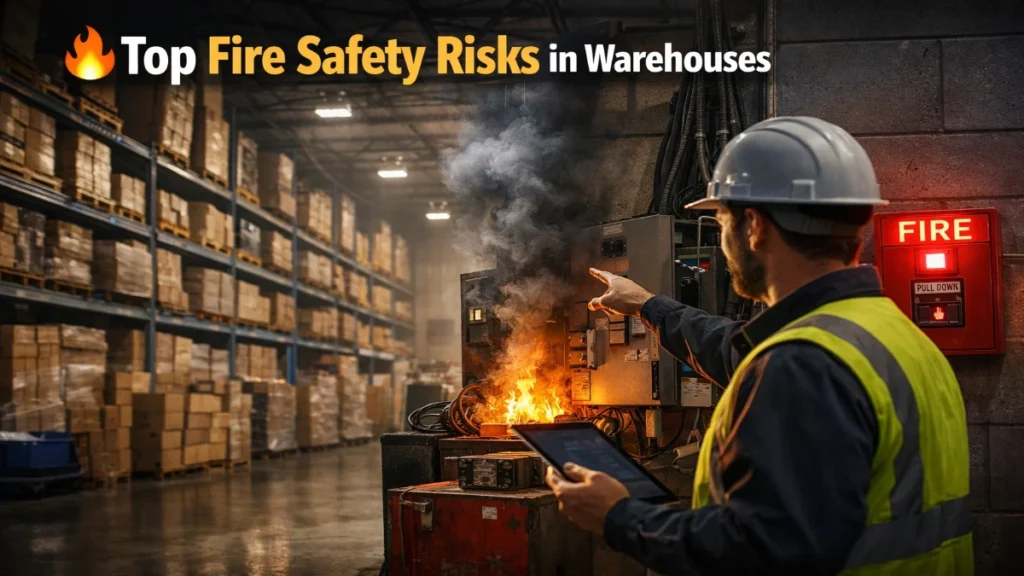
Industrial warehouses and manufacturing plants play a critical role in modern supply chains. They store raw materials, manage production processes and distribute finished goods across markets. However, these facilities also face some of the highest fire risks among commercial and industrial environments. A single fire incident in a warehouse or manufacturing plant can cause massive financial losses, operational downtime and even endanger human lives. According to industrial safety reports worldwide, most industrial fires are preventable and are caused by electrical faults, improper storage practices, combustible dust and a lack of adequate fire protection systems. Understanding the top fire safety risks in warehouses and manufacturing plants is essential for safety engineers, facility managers, plant heads and system integrators. By identifying these risks early, organisations can implement proactive safety strategies that reduce fire hazards and ensure regulatory compliance. In this comprehensive guide, we will explore the most common fire hazards in industrial facilities and practical solutions to mitigate them. Why Warehouses and Manufacturing Plants Face Higher Fire Risks Warehouses and industrial plants naturally contain multiple elements that can fuel a fire: When these factors combine with insufficient safety measures, even a small ignition source can quickly escalate into a major fire incident. Additionally, fires in large industrial facilities often spread rapidly due to: Because of these risks, modern fire safety strategies must combine technology, engineering design and operational discipline. 1. Electrical System Failures Electrical faults remain a leading cause of industrial fires in warehouses and manufacturing plants. Electrical systems in industrial facilities operate continuously and power multiple machines, lighting systems, conveyors and automation equipment. Over time, electrical components may deteriorate or become overloaded. Common Electrical Fire Hazards When insulation breaks down or circuits overload, sparks can ignite nearby combustible materials. How to Reduce Electrical Fire Risks Organisations should implement the following measures: Smart monitoring technologies can also detect abnormal heat patterns before electrical failures occur. 2. Combustible Dust Explosions Combustible dust is one of the most underestimated fire hazards in manufacturing plants. Industries such as: often generate fine dust particles during production. When dust particles accumulate in the air and come into contact with an ignition source, they can cause dust explosions. Conditions That Trigger Dust Explosions A dust explosion requires five elements: This combination is known as the Dust Explosion Pentagon. Prevention Strategies To minimise combustible dust risks: Early detection and proper facility design can significantly reduce the risk of catastrophic explosions. 3. Improper Storage of Flammable Materials Warehouses frequently store flammable liquids, chemicals and packaging materials. If these materials are not stored properly, they can easily ignite during an electrical fault or mechanical failure. High-Risk Materials in Warehouses Some common flammable materials include: Stacking these materials without fire protection significantly increases the fire load. Safe Storage Best Practices To reduce fire hazards: Proper inventory management also ensures that outdated or unstable chemicals do not accumulate. 4. Overheated Machinery and Equipment Manufacturing plants operate with heavy machinery that generates heat during production. Examples include: If machinery overheats or operates without proper maintenance, it can become a source of ignition for a fire. Common Causes of Machinery Fires Preventive Measures Facilities should implement: Industrial IoT monitoring systems can now detect abnormal machine behaviour and alert operators before failures occur. 5. Poor Housekeeping Practices Housekeeping is one of the simplest yet most overlooked fire prevention strategies in warehouses and manufacturing plants. Accumulated waste materials can act as fuel sources for fire. Common Housekeeping Issues When these materials accumulate near electrical panels or machinery, they significantly increase fire risks. Effective Housekeeping Policies Facilities should: A clean facility significantly reduces potential fire fuel sources. 6. Inadequate Fire Detection Systems Many industrial facilities rely on outdated fire detection systems that cannot detect fires early enough. Warehouses often have high ceilings and large open spaces, which can delay smoke detection. Challenges in Warehouse Fire Detection Modern Fire Detection Technologies Modern facilities should consider: Early detection dramatically reduces fire damage by allowing faster emergency response. 7. Lack of Fire Suppression Systems Fire detection alone cannot stop a fire. Facilities must also have effective suppression systems. Many warehouse fires spread quickly because suppression systems are either absent or poorly designed. Common Fire Suppression Solutions Industrial facilities may use: The selection depends on: For example, warehouses storing flammable liquids require specialised suppression systems. 8. Human Error and Lack of Safety Training Human error remains a major contributor to industrial fires. Employees may unknowingly create fire hazards due to a lack of awareness. Examples of Unsafe Practices Importance of Fire Safety Training Regular safety training helps employees: Organisations should conduct periodic fire drills and safety workshops to ensure preparedness. 9. Hot Work Activities Hot work refers to operations that produce flames, sparks, or heat. Examples include: These activities frequently occur in manufacturing plants and maintenance operations. Risks of Hot Work Sparks generated during hot work can ignite nearby combustible materials. Many industrial fires occur because proper safety procedures were not followed. Hot Work Safety Controls Facilities should implement: These measures ensure hot work activities remain controlled and safe. 10. Poor Emergency Planning Even with advanced fire protection systems, a lack of emergency planning can worsen fire incidents. Many facilities fail to prepare employees for emergencies. Essential Emergency Preparedness Measures A strong fire emergency plan should include: Emergency response planning ensures faster evacuation and reduces panic during incidents. The Role of Technology in Industrial Fire Safety Modern fire safety systems now integrate advanced technologies to reduce risks in industrial environments. Some of the most effective innovations include: These technologies help identify fire risks before they escalate into major incidents. By combining engineering controls, automation and safety training, organisations can build safer industrial environments. Best Practices for Improving Fire Safety in Industrial Facilities Organisations should adopt a proactive fire safety strategy that includes: Conducting Regular Fire Risk Assessments Fire risk assessments help identify hazards and ensure compliance with safety regulations. Installing Advanced Fire Detection Systems Modern detection systems provide early warning and faster response times. Implementing Preventive Maintenance Programs Regular maintenance reduces the