
Power Management and Redundancy Strategies in the GST-IFP8 Panel
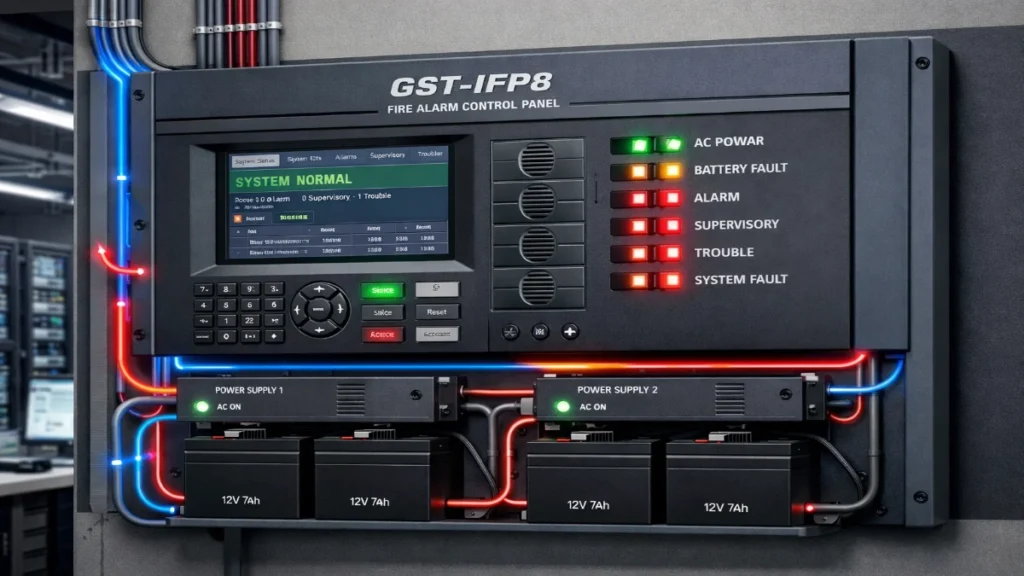
In modern fire safety systems, reliable power management and effective redundancy strategies are crucial for ensuring the uninterrupted operation of fire alarm panels. The GST-IFP8 Panel, part of the comprehensive GST Fire Alarm System family, is engineered with advanced power solutions that prioritise safety, reliability and continuous protection even during power disturbances. In this article, we will explain how the GST-IFP8 panel manages power, why redundancy matters and how its design supports high availability. Whether you are specifying systems for commercial buildings or learning about fire alarm reliability, this guide will help you understand core power management strategies. Introduction to Power Management in Fire Alarm Systems A fire alarm panel is only as reliable as its power supply. Fire detection systems must remain operational at all times, especially during emergencies when power outages are common. Power management in a fire alarm panel includes: Without efficient power management, a fire alarm panel could fail during critical moments, delaying detection and evacuation. The GST-IFP8 takes these requirements seriously by applying robust strategies to manage and maintain power. Why Redundancy Matters Redundancy refers to backup or alternative systems that take over in the event of the primary system’s failure. In fire safety systems, redundancy ensures the panel continues to operate even if a component stops working. Redundancy is essential because: In critical infrastructure like hospitals, data centres, or commercial complexes, even a momentary loss of fire detection and alarm functions can have severe consequences. Redundancy protects against such failures. Overview of GST-IFP8 Panel The GST-IFP8 Panel is a next-generation fire alarm control unit from Gulf Security Technology (GST) designed for flexibility and reliability. It supports both conventional and advanced configurations and integrates seamlessly with a variety of fire detection devices. Key features include: This makes the GST-IFP8 a versatile choice for commercial, industrial and residential applications. 4. Power Architecture of GST-IFP8 Power architecture refers to how power is supplied, monitored and distributed in a fire alarm panel. The GST-IFP8 employs a layered power system to ensure continuous operations. Primary Power Supply The GST-IFP8 typically operates from a standard AC mains source (e.g., 230VAC in many regions). The incoming power passes through: Quality regulation is critical because unstable input can damage sensitive electronics such as addressable detectors and logic circuits on the panel. Secondary (Backup) Power If the mains supply fails, the GST-IFP8 automatically switches to backup power without interruption. Backup power is usually supplied by sealed lead-acid or maintenance-free batteries sized according to regulatory requirements. Backup power functions include: This means the system can operate continuously for hours without mains power, making it reliable during blackouts or emergencies. Intelligent Power Distribution Beyond supplying power, the GST-IFP8 intelligently distributes energy to all connected components. Dedicated Power Outputs The panel has separate outputs for: Each output is individually monitored for faults and can be reset without affecting the entire system. Load Prioritisation During battery operation, the panel prioritises powering critical circuits: Less critical loads may be limited or disabled to extend battery life during prolonged outages. Redundancy Features in the GST-IFP8 Redundancy in GST-IFP8 is built into both hardware and software. Dual Power Path Monitoring The panel continuously checks both the primary and backup power paths, with logic that: This proactive approach helps facility managers stay ahead of potential power issues. Battery Supervision and Alerts Battery failure is one of the most common causes of fire alarm downtime. The GST-IFP8 monitors: If a battery begins to fail, the panel alerts maintenance personnel well before critical depletion. Power Supply Redundancy (Optional) Some installations require dual AC supplies or redundant power supplies. The GST-IFP8 supports configurations where: These options ensure maximum uptime even in complex power environments. Integration with Detection Devices The power and redundancy strategies of the GST-IFP8 support both traditional and modern detection technologies: Whether you use conventional zones or intelligent addressable devices, the GST-IFP8 ensures they remain powered and monitored. Benefits of Advanced Power Management Effective power management yields several advantages: Enhanced Safety With reliable operation, occupants receive timely alerts during emergencies. Firefighters and responders can act faster, reducing risk and damage. Compliance with Codes and Standards Fire codes require fire alarm panels to maintain operation during power loss. Redundancy and power monitoring in GST-IFP8 help meet or exceed these standards. Lower Maintenance Costs Predictive alerts for battery health and power anomalies reduce emergency repairs and unplanned downtime. Easy Serviceability Clear indicators and logging make troubleshooting straightforward, reducing service time. Practical Deployment Scenarios Understanding real-world use cases of GST-IFP8 helps illustrate its power and redundancy strengths: Commercial Office Building In a multi-story office block: Retail and Public Venues Retail spaces often experience fluctuating power due to high electrical loads. The GST-IFP8 maintains steady operation through: Industrial Facility Large industrial sites may use: Here, reliability is crucial to prevent costly downtime or catastrophic fire events. Maintenance and Best Practices To maximise performance: These simple practices ensure the GST-IFP8 operates optimally year-round. Why Choose GST-IFP8 for Your Fire Safety Needs The GST-IFP8 Panel, as part of a complete gst fire alarm system, stands out due to: These benefits make the GST-IFP8 a top choice when reliability and performance matter most. Note: Power management and redundancy strategies are essential components of any effective fire alarm panel. The GST-IFP8 delivers both with intelligent design, proactive monitoring and flexible deployment options. From primary and backup power systems to seamless load distribution and device support, this panel ensures that your fire safety system stays operational under all conditions. Whether your facility uses conventional setups or advanced addressable technologies, the GST-IFP8 provides peace of mind with dependable power and enhanced safety. For facility managers, installers and safety planners, understanding and choosing the right panel is the first step toward better fire protection. Read Also: Scaling a Multi-Building Fire Alarm Network Using GST Panels Read Also: What Makes the GST-200N Panel Consultant-Friendly in Fire Alarm Design
Scaling a Multi-Building Fire Alarm Network Using GST Panels
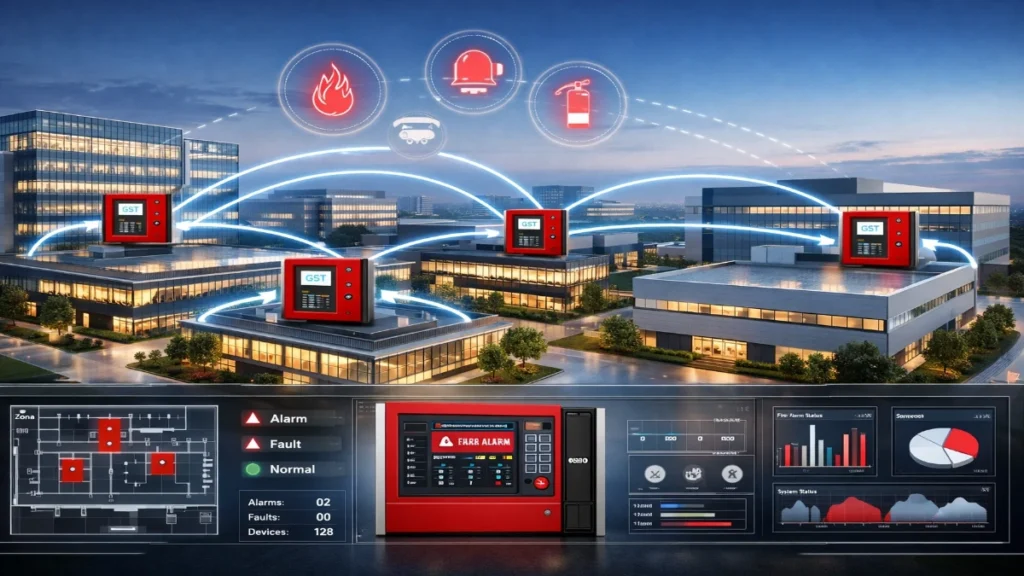
Large campuses, industrial parks, hospitals, universities, airports, IT parks and smart cities rarely operate from a single building. Instead, they function as multi-building environments, often spread across wide geographical areas. In such projects, fire safety becomes more complex and traditional single-panel systems quickly reach their limits. This is where scalable fire alarm networks become critical. Modern fire safety planning requires systems that can: GST (Gulf Security Technology) fire alarm panels are purpose-built for these requirements. With strong networking capability, intelligent addressable technology and compatibility with both addressable and conventional devices, GST panels make scaling multi-building fire alarm systems efficient, cost-effective and future-ready. This article explains how to scale a multi-building fire alarm network using GST panels, while meeting international safety standards and real-world operational needs. Understanding Multi-Building Fire Alarm Networks A multi-building fire alarm network connects multiple fire alarm panels installed in different buildings into a unified monitoring and control system. Instead of treating each building as an isolated unit, all panels communicate with each other and with a central fire command centre. Common Use Cases In such environments, fire safety teams need real-time visibility, quick response coordination and system-wide control. Why GST Panels Are Ideal for Multi-Building Scaling 1. Native Networking Capability GST panels are designed with built-in networking support, allowing multiple panels to communicate over: This enables centralised monitoring without signal degradation over long distances. 2. Modular and Expandable Architecture Unlike rigid systems, GST panels allow: You can scale from 2 buildings to 200+ panels without replacing existing infrastructure. Addressable vs Conventional Architecture in Multi-Building Projects Addressable Systems for Large Networks For large campuses, addressable fire alarm panel architecture offers significant advantages: GST addressable panels support thousands of devices across multiple loops, making them ideal for complex layouts. Conventional Systems for Small or Legacy Buildings Some campuses still include smaller structures where conventional fire alarm panel systems remain practical. GST allows seamless integration of: This hybrid approach reduces upgrade costs while maintaining centralised control. Designing a Scalable Multi-Building Network with GST Panels Step 1: Centralised vs. Distributed Control Strategy GST systems support both: This ensures safety even if one network segment fails. Step 2: Zoning and Building Segmentation Each building can be: This helps emergency teams respond precisely rather than evacuating entire campuses unnecessarily. Role of GST Fire Alarm System in Centralised Monitoring A fully networked GST fire alarm system allows: Security and facility teams can monitor the entire campus from a single control room, improving response coordination. Networking Multiple GST Panels: How It Works Panel-to-Panel Communication GST panels communicate using: This ensures reliable data transfer even in high-interference environments like factories or substations. Distance and Reliability Advantages With fibre optic support, GST networks can span: This makes them suitable for large industrial and infrastructure projects. Integrating Addressable Detectors Across Multiple Buildings Addressable detectors are essential in multi-building systems because they: GST addressable detectors integrate seamlessly with GST panels and support: This improves detection accuracy across diverse building types. Using Conventional Detectors in Hybrid Networks In retrofit or budget-sensitive buildings, conventional detectors still play an important role. GST panels support: This hybrid flexibility allows phased upgrades without compromising safety. Cause-and-Effect Programming Across Buildings One of the biggest advantages of scaling with GST panels is intelligent cause-and-effect logic, such as: These actions can be triggered locally or across buildings, depending on fire location and severity. Compliance with International Fire Safety Standards GST fire alarm systems comply with: This ensures that multi-building networks meet regulatory approvals across commercial, industrial and government projects. Maintenance and Diagnostics in Large Networks Centralised Fault Monitoring With GST panels, maintenance teams receive: This reduces downtime and improves system reliability. Simplified Testing and Commissioning GST software tools allow: This is critical for large campuses where manual inspection is time-consuming. Cybersecurity and Network Safety GST networking solutions support: This ensures system integrity in smart buildings and IT-heavy environments. Scalability for Future Expansion One of the strongest reasons consultants choose GST is future-proof scalability: This protects long-term investment and supports phased development projects. Real-World Applications of GST Multi-Building Networks Industrial Parks Hospitals IT Campuses Common Mistakes to Avoid When Scaling Fire Alarm Networks GST panels address all these challenges with a unified ecosystem. Why Fire Consultants and System Integrators Prefer GST These features make GST a trusted choice for complex, multi-building fire alarm projects. Building Smarter, Safer Fire Alarm Networks with GST Scaling a multi-building fire alarm network is no longer just about adding more panels. It is about intelligence, reliability, expandability and centralised control. With its advanced networking, flexible architecture and seamless integration of addressable fire alarm panel, conventional fire alarm panel, addressable detectors and conventional detectors, the GST fire alarm system offers a future-ready solution for modern fire safety challenges. For consultants, system integrators and project owners planning large campuses or expanding facilities, GST panels provide the confidence, compliance and control required to protect lives and assets, today and in the future. Read Also: Why GST Addressable Systems Reduce Risk in Large Fire Safety Projects Read Also: Why Engineers Choose GST-IFP4E Addressable Fire Alarm Panel for Mid-to-Large Projects
Why GST Addressable Systems Reduce Risk in Large Fire Safety Projects
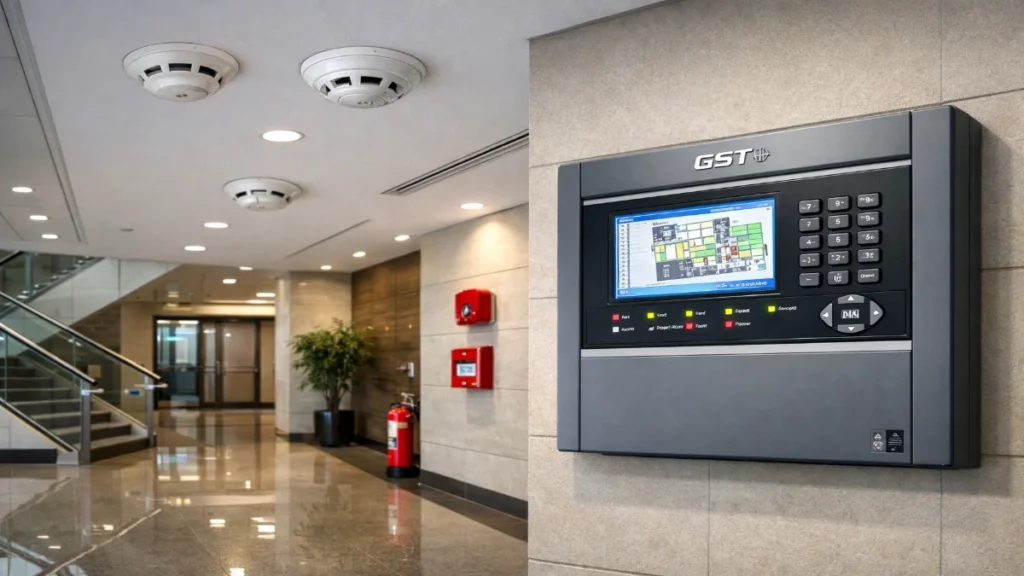
Fire safety in large buildings is no longer just about compliance; it is about risk reduction, operational continuity and protecting human life. As infrastructure grows more complex, traditional fire alarm technologies struggle to provide the speed, accuracy and intelligence needed for modern environments. This is where GST Addressable Fire Alarm Systems by Gulf Security Technology stand out. Designed for large-scale fire safety projects, these systems significantly reduce risk through precise detection, faster response and intelligent system control. In this article, we explain why engineers, consultants and facility managers trust GST addressable systems and how they help minimise fire-related risks in large projects such as hospitals, airports, data centres, commercial complexes and industrial facilities. Understanding Risk in Large Fire Safety Projects Before discussing solutions, it is important to understand why risk is higher in large projects. Common Fire Safety Risks in Large Buildings Large fire safety projects face multiple challenges: A delayed or inaccurate alarm response can lead to: To control these risks, intelligent fire detection and monitoring systems are essential. What Is a GST Addressable Fire Alarm System? A GST addressable fire alarm system assigns a unique digital address to every connected device, detectors, call points, sounders and modules. This allows the control panel to identify exactly which device is in alarm, trouble, or fault condition. Unlike traditional systems, addressable technology provides actionable information, not just alerts. Addressable vs Conventional Systems: Risk Perspective Understanding the difference between addressable and conventional systems highlights why addressable technology is preferred for large projects. Conventional Fire Alarm Systems A conventional fire alarm panel divides a building into zones. When an alarm occurs, the panel only identifies the affected zone, not the specific device. Risk limitations: GST Addressable Fire Alarm Systems GST addressable systems pinpoint the exact device location, such as: This precision dramatically reduces risk by enabling faster, more informed decisions. How GST Addressable Systems Reduce Fire Risk 1. Precise Fire Location Identification One of the biggest risk factors during a fire event is uncertainty. GST addressable systems eliminate this by: This accuracy helps emergency teams respond faster and more effectively, limiting fire spread. 2. Faster Emergency Response Time In fire safety, every second matters. GST addressable systems: Because responders know where to go immediately, the risk of escalation reduces significantly. 3. Intelligent False Alarm Management False alarms are a serious risk in large buildings. They can: GST addressable systems use: This intelligence allows the system to distinguish real fire conditions from environmental disturbances, minimising unnecessary evacuations. 4. Continuous System Health Monitoring A fire alarm system that fails silently creates a hidden risk. GST addressable systems continuously monitor: Any fault is immediately reported to the control panel, ensuring no undetected failures remain in the system. 5. Reduced Cabling and Installation Risk Complex cabling increases installation errors and future faults. GST addressable systems: Fewer cables mean: 6. Scalable Design for Future Growth Large projects often expand over time. A rigid system creates future risks. GST addressable solutions are: New devices can be added without major rewiring, ensuring long-term risk control as the facility grows. Role of GST Addressable Detectors in Risk Reduction Detection quality directly affects system performance. GST addressable detectors provide: Compared to conventional detectors, addressable detectors provide individual status reporting, making maintenance and fault detection more reliable. Centralised Control Through GST Fire Alarm Systems A GST fire alarm system acts as a centralised command centre for large facilities. Benefits of Centralised Intelligence This centralised approach ensures consistent risk management across the entire project. Cause-and-Effect Programming: Smarter Risk Control GST addressable panels allow detailed cause-and-effect logic, such as: Instead of a full building response, actions remain targeted and controlled, reducing unnecessary disruption and improving safety outcomes. Compliance and Regulatory Risk Reduction Non-compliance is a major project risk. GST addressable systems are designed to meet: Their detailed event logs and diagnostics simplify: Lower Maintenance Risk Over System Lifetime A system that is difficult to maintain becomes unreliable over time. GST addressable systems: This proactive maintenance approach ensures the system remains fully operational when needed most. Real-World Applications Where GST Reduces Risk GST addressable systems are ideal for: In each case, the system’s intelligence helps manage complex risk environments effectively. Addressable vs Conventional: Long-Term Risk View Factor Conventional System GST Addressable System Fire Location Accuracy Zone-based Device-level Response Speed Slower Faster False Alarm Control Limited Advanced Maintenance Visibility Low High Scalability Restricted Flexible This comparison clearly shows why addressable systems are safer for large projects. Why GST Is the Safer Choice Large fire safety projects demand accuracy, reliability and intelligence. GST addressable fire alarm systems reduce risk by: For consultants, engineers and building owners, choosing GST addressable systems is not just a technical decision; it is a risk management strategy that protects lives, assets and reputations. Read Also: Why Engineers Choose GST-IFP4E Addressable Fire Alarm Panel for Mid-to-Large Projects Read Also: Lifecycle Cost Advantages of GST Addressable Fire Alarm Systems
Why Engineers Choose GST-IFP4E Addressable Fire Alarm Panel for Mid-to-Large Projects
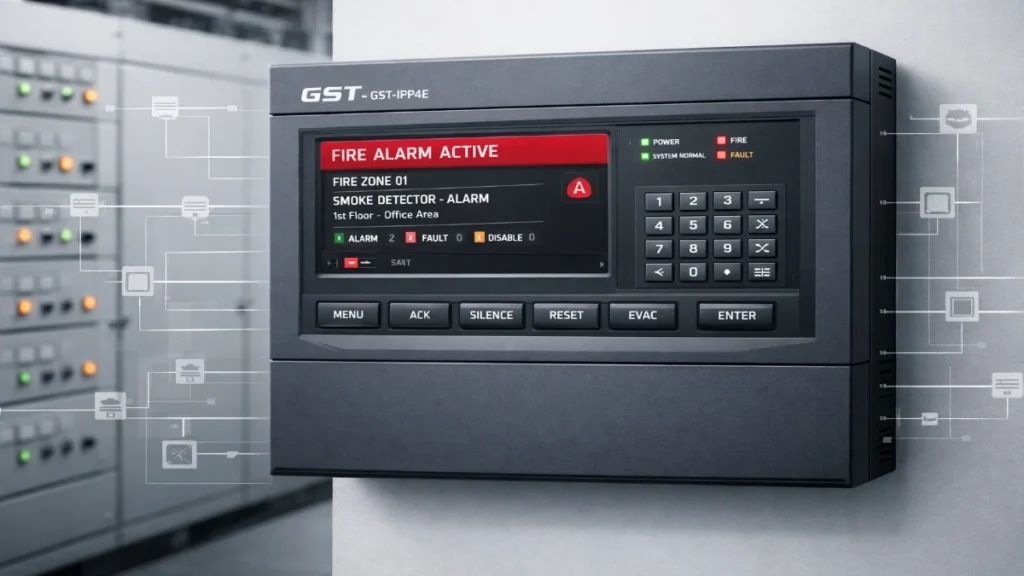
Fire alarm system design is one of the most critical responsibilities for consulting engineers, system integrators and project managers. In mid-to-large commercial and industrial projects, engineers must balance system reliability, scalability, compliance, lifecycle cost and ease of maintenance, all without compromising life safety. This is where the GST-IFP4E Addressable Fire Alarm Panel has earned strong trust among fire safety professionals. Designed by GST (Gulf Security Technology), this intelligent panel delivers robust performance, advanced addressability and project-friendly flexibility that engineers consistently prefer for complex installations. This article explains why engineers choose the GST-IFP4E addressable fire alarm panel for mid-to-large projects, covering technical advantages, design flexibility, real-world usability and long-term value. Understanding the Role of the GST-IFP4E in Modern Fire Alarm Design The GST-IFP4E is a fully intelligent addressable fire alarm control panel designed to manage large numbers of devices across multiple zones, floors or buildings. Unlike entry-level systems, it is built for high-occupancy, high-risk, and mission-critical environments. Engineers value this panel because it offers: These qualities make it ideal for airports, hospitals, IT parks, malls, high-rise buildings, manufacturing plants and infrastructure projects. 1. Addressability That Engineers Can Fully Trust Exact Location Identification During Emergencies One of the main reasons engineers select the GST-IFP4E is its true addressable architecture; each device, whether a detector, module, or call point, has a unique digital address. This allows the panel to: Compared to a conventional fire alarm panel, which only shows a zone in alarm, an addressable fire alarm panel like the GST-IFP4E provides pinpoint accuracy. This level of clarity is essential in large buildings where seconds matter. 2. Scalable Design for Mid-to-Large Projects Designed to Grow With the Project Mid-to-large projects often evolve during execution. Engineers prefer systems that can scale without redesigning the entire fire alarm layout. The GST-IFP4E supports: This scalability makes it far more suitable than traditional conventional fire alarm panel systems, which quickly reach their limitations in complex projects. 3. Seamless Integration With GST Fire Alarm Ecosystem One Brand, One Responsibility Engineers often face compatibility challenges when mixing products from different manufacturers. The GST-IFP4E eliminates this risk by working seamlessly with the complete GST fire alarm system range. This includes: Using a single, unified ecosystem improves system stability and simplifies approvals, testing and long-term maintenance. 4. Superior Performance of GST Addressable Detectors Intelligent Detection With Reduced False Alarms The GST-IFP4E supports advanced addressable detectors that use intelligent algorithms to differentiate between real fire conditions and environmental disturbances. Benefits engineers value: When compared to conventional detectors, addressable detectors connected to the GST-IFP4E provide continuous communication and real-time status updates, which are critical for large projects. 5. Clear Advantage Over Conventional Fire Alarm Panels Why Engineers Move Beyond Conventional Systems While conventional fire alarm panels still have their place in small buildings, they fall short in modern mid-to-large developments. Engineers choose GST-IFP4E because it overcomes key limitations such as: In contrast, the GST-IFP4E simplifies design, improves diagnostics and reduces long-term costs, making it a strategic choice for professional engineers. 6. Faster Commissioning and Easier Programming Saving Time on Site Project timelines are always tight. Engineers appreciate that the GST-IFP4E offers: These features significantly reduce commissioning time, especially in projects with hundreds or thousands of devices. Faster commissioning means: 7. Advanced Fault Management for Mission-Critical Sites Built for Reliability In large installations, system faults are inevitable. What matters is how the panel handles them. The GST-IFP4E provides: This ensures the fire alarm system remains operational even during partial failures, an essential requirement in hospitals, data centres and industrial facilities. 8. Compliance With Global and Local Fire Standards Confidence for Consultants and Authorities Engineers must design systems that pass approvals without complications. The GST-IFP4E is designed to comply with international fire safety standards, making it suitable for global and regional projects. Compliance benefits include: This makes the panel a dependable choice for consultants working on regulated, high-value projects. 9. Lower Lifecycle Cost Despite Advanced Features Smart Investment for Long-Term Projects Although addressable systems have a higher initial cost than conventional ones, engineers understand that total lifecycle cost matters more. The GST-IFP4E reduces long-term expenses through: Compared to systems based on conventional detectors, the GST-IFP4E delivers better value over the life of the building. 10. Future-Ready Architecture Designed for Tomorrow’s Buildings Smart buildings demand intelligent fire systems. The GST-IFP4E supports: Engineers choose it because it protects their design from becoming obsolete, even as building technology evolves. Why GST-IFP4E Is the Engineer’s Choice Engineers choose the GST-IFP4E Addressable Fire Alarm Panel because it delivers precision, reliability, scalability and long-term value, all essential for mid-to-large fire safety projects. By combining intelligent detection, seamless integration, robust fault handling and future-ready design, the GST-IFP4E stands out as a professional-grade solution that engineers can specify with confidence. For projects where safety, compliance and performance cannot be compromised, the GST-IFP4E remains a trusted and proven choice. Read Also: Lifecycle Cost Advantages of GST Addressable Fire Alarm Systems Read Also: What Makes the GST-200N Panel Consultant-Friendly in Fire Alarm Design
Lifecycle Cost Advantages of GST Addressable Fire Alarm Systems
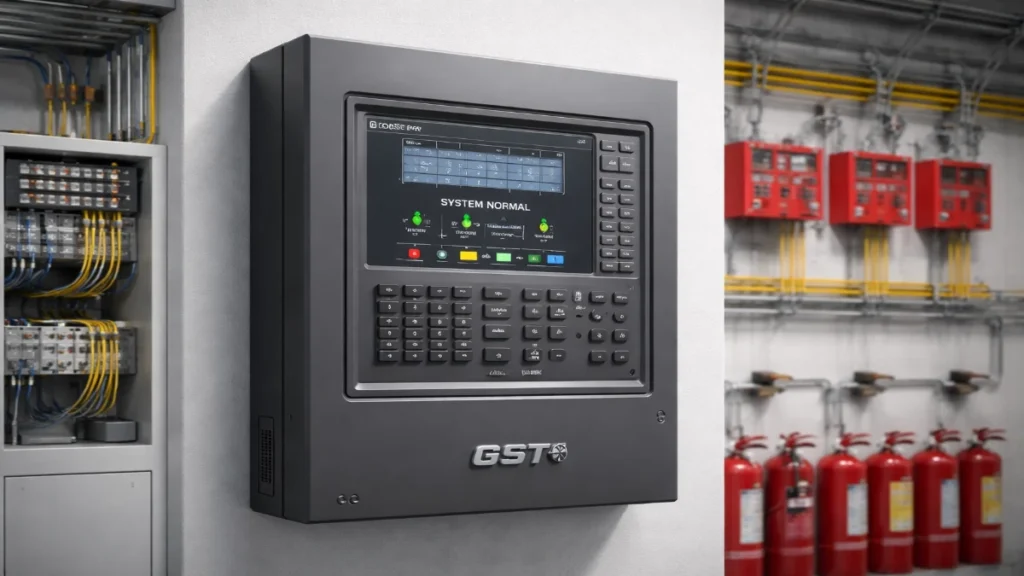
Fire alarm systems are not one-time purchases. They are long-term safety investments that remain active for 10–20 years or more. While many buyers focus only on the initial price, experienced consultants, facility managers and building owners evaluate the total lifecycle cost before making a decision. This is where GST Addressable Fire Alarm Systems clearly stand out. From design and installation to operation, maintenance, expansion and eventual upgrades, GST systems consistently deliver lower lifetime ownership costs without compromising safety or compliance. This article provides a detailed explanation of why GST addressable systems offer superior lifecycle cost advantages, particularly when compared to traditional solutions. What Is Lifecycle Cost in Fire Alarm Systems? Lifecycle cost refers to the total cost of owning and operating a fire alarm system over its entire usable life. It includes: A system with a lower upfront price can become more expensive over time if it causes frequent faults, requires manual intervention, or becomes obsolete quickly. Why GST Focuses on Long-Term Value, Not Just Initial Cost GST (Gulf Security Technology) designs its addressable fire alarm systems with a long-term performance mindset. Every component, from control panels to addressable detectors, is engineered to reduce operational complexity and lifetime expenses. Instead of forcing system replacements, GST supports scalable, backwards-compatible and service-friendly architectures, which directly reduce ownership costs over decades. Lower Design and Engineering Costs Simplified System Architecture GST addressable systems utilise an intelligent loop-based architecture, enabling hundreds of devices to operate on a single loop. This reduces: Compared to a conventional fire alarm panel, which requires multiple zones and extensive wiring, GST systems significantly lower engineering time and material usage. Consultant-Friendly Documentation GST provides: This reduces redesign cycles and engineering errors, saving consultancy hours and project costs. Reduced Installation Costs Over the System Life Less Cabling, Less Labor With GST addressable systems: Even during future modifications, installers can add devices without disturbing existing wiring, something not easily possible in conventional fire alarm panel setups. Faster Commissioning GST panels offer: These features reduce commissioning time and minimise costly site visits during project handover. Intelligent Devices Reduce Operational Costs Smart Addressable Detectors = Fewer False Alarms GST addressable detectors use advanced algorithms to analyse smoke, heat and environmental conditions. This intelligence helps: False alarms are expensive. They disrupt operations, reduce trust in the system and may even lead to penalties. GST significantly lowers these indirect costs. Precise Event Identification Each device has a unique address. When an alarm occurs, the system identifies: This eliminates time wasted searching zones, which is common with conventional detectors. Lower Maintenance and Service Costs Predictive Maintenance Instead of Reactive Repairs GST addressable systems continuously monitor device health and report: Maintenance teams can address issues before failures occur, reducing emergency service calls and downtime. Faster Fault Isolation In traditional systems, a single fault can disable an entire zone. GST panels isolate faults automatically, allowing: This is a major lifecycle cost advantage for hospitals, data centres, malls and industrial facilities. Reduced Spare Parts and Inventory Costs GST maintains long product lifecycles and backward compatibility, which means: Facilities do not need to stock multiple detector types or obsolete components, unlike mixed or legacy systems. Easy Expansion Without System Replacement Scalable Architecture As buildings grow, GST systems grow with them: This avoids the common situation where conventional systems must be replaced entirely during expansion. Software-Driven Configuration Most changes in a gst fire alarm system are software-based, not hardware-based. This reduces: Energy Efficiency Reduces Operating Expenses GST panels and devices are designed for low power consumption: Lower energy usage translates into reduced electricity bills and longer battery life, especially important in large installations. Compliance Stability Lowers Long-Term Risk Designed for Global and Local Standards GST systems are engineered to meet: This protects building owners from future retrofit costs due to regulatory changes. Audit-Ready Reporting Event logs, alarm histories, and fault records help facilities pass inspections without additional system upgrades or documentation expenses. Training and Skill Availability Reduce Dependency Costs GST systems follow logical, intuitive programming and operation, making it easier to: This is particularly valuable for organisations managing multiple sites. Comparison: GST Addressable vs Conventional Lifecycle Cost Cost Factor GST Addressable System Conventional System Initial Wiring Lower Higher False Alarms Minimal Frequent Fault Isolation Automatic Manual Expansion Cost Low High Maintenance Predictive Reactive System Replacement Rare Common Lifecycle Cost Significantly Lower Higher Why Consultants Recommend GST for Long-Term Projects Fire safety consultants increasingly recommend GST because: For high-value assets, GST delivers predictable costs, consistent performance and future-ready safety. Lifecycle Cost Advantage in Real-World Applications Commercial Buildings Reduced downtime, minimal false alarms and easy tenant modifications. Industrial Facilities Reliable detection in harsh environments and fault tolerance during operations. Hospitals and Data Centers Continuous system availability and precise alarm identification. Educational Institutions Low maintenance overhead and simplified system management. Final Thoughts: True Value Lies in the Lifecycle The real cost of a fire alarm system is not what you pay on day one; it is what you spend over the next 10–20 years. GST Addressable Fire Alarm Systems consistently deliver: When lifecycle cost matters, and it always does, GST proves to be a smarter, more economical choice than traditional alternatives. Read Also: What Makes the GST-200N Panel Consultant-Friendly in Fire Alarm Design Read Also: GST Addressable Fire Alarm Panel Specifications Explained for Buyers
What Makes the GST-200N Panel Consultant-Friendly in Fire Alarm Design
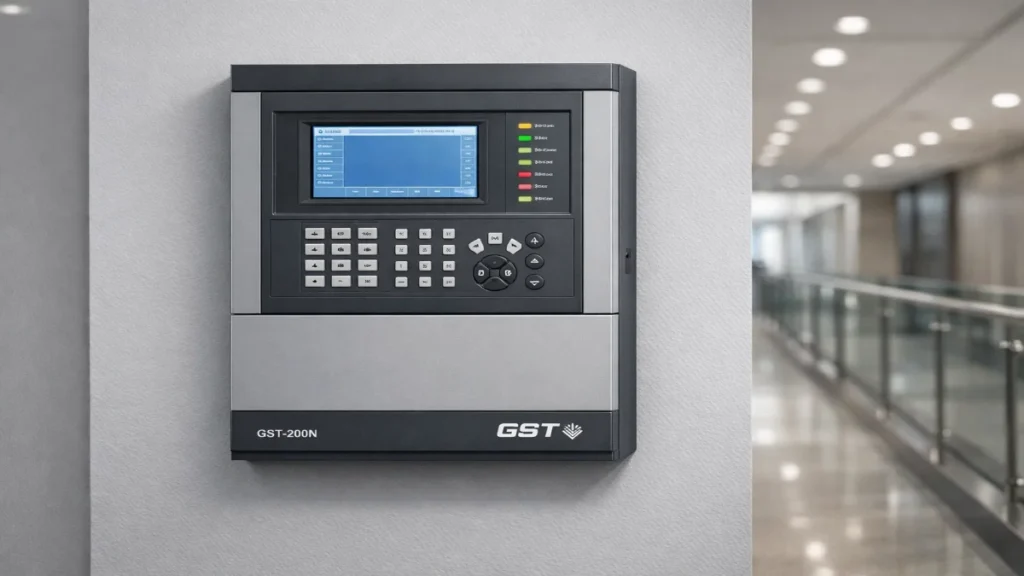
In today’s safety-driven building environment, fire alarm systems are no longer optional; they are critical infrastructure. Consultants, engineers and project managers demand solutions that are intelligent, reliable, flexible and cost-effective. Among the many options in the market, the GST-200N Panel from Gulf Security Technology (GST) has emerged as a standout choice. It has quickly become a favourite among fire safety consultants for its innovative design, advanced features, adaptability and compliance with international safety standards. In this article, we explore what makes the GST-200N Panel consultant-friendly in fire alarm design, including its technical strengths, real-world benefits and how it simplifies complex safety requirements without compromising performance. 1. Consultant Priorities in Fire Alarm System Design Before we dive into the GST-200N, it’s important to understand what fire safety consultants look for when they select a fire alarm solution: These priorities shape the decision-making process. A fire alarm panel that satisfies these criteria not only protects life and property but also minimises long-term operational costs. 2. Introducing the GST-200N Panel The GST-200N Panel is an advanced fire alarm control panel designed and manufactured by Gulf Security Technology (GST), a trusted brand recognised for durable, state-of-the-art fire detection and alarm products. The GST-200N stands out for its: ✔ Modular and future-ready architecture✔ Compatibility with both addressable and conventional devices✔ Powerful processing and alarm management✔ High-resolution diagnostics and troubleshooting This mix of features makes it an ideal choice for consultants designing systems that need both simplicity and sophistication. 3. Dual Support: Addressable and Conventional Systems One of the key strengths of the GST-200N Panel is its flexible support for both addressable fire alarm panel and conventional fire alarm panel architectures. Addressable Fire Alarm Panel Integration In modern buildings, especially high-rise complexes, hospitals, airports and commercial zones, addressability is essential. Addressable systems allow each device (like a sensor or detector) to have a unique ID. This means: The GST-200N natively supports addressable configurations with an intuitive mapping interface, allowing consultants to lay out zones and devices easily during design. Conventional Fire Alarm Panel Compatibility For smaller facilities, simpler requirements, or budget-conscious projects, a conventional fire alarm panel may be sufficient. The GST-200N supports conventional loops while maintaining: This duality makes the GST-200N convenient for consultants who deal with mixed-type projects across different site scales. 4. Intelligent Device Support: Addressable and Conventional Detectors A fire alarm panel’s value is enhanced by the quality of detectors it supports. The GST-200N excels in this area by being compatible with both addressable detectors and conventional detectors. Addressable Detectors Addressable detectors feed specific data back to the panel, including: This smart communication allows consultants to design systems that predict and prevent fire events rather than merely react to them. Conventional Detectors While simple, conventional detectors remain valuable in many applications. They’re ideal for: The ability of the GST-200N to support these ensures consultants can tailor system design without overengineering solutions. 5. User-Friendly Interface and Programming Tools Fire safety consultants often spend significant time during the design and commissioning phase. The GST-200N supports this effort with user-centric tools: ✔ Clear LCD with intuitive menu navigation✔ Graphical interface for zone and device assignment✔ Remote programming support✔ Exportable configuration reports These features allow consultants to configure projects faster, debug issues effectively and generate documentation without delays. 6. Scalability for Large Projects Scalability is a major factor in consultant decisions. The GST-200N Panel allows: For consultants working on mixed-use developments, educational campuses or industrial complexes, this future-proof design ensures that current installation can grow with future needs. 7. Compliance, Standards and Safety Certifications Consultants must ensure that any fire alarm solution adheres to local codes and international standards. The GST-200N meets or exceeds requirements set by: ✔ NFPA (National Fire Protection Association)✔ UL (Underwriters Laboratories)✔ EN 54 Fire Detection standards This compliance gives consultants confidence that the system will stand up to regulatory audits, insurance checks and safety certification processes. 8. Advanced Diagnostics and Maintenance Support Post-installation support and maintenance are vital components of fire safety design. GST has built the GST-200N with advanced diagnostics that help consultants and facility managers: This proactive view reduces downtime and enhances long-term safety performance. 9. Cost Effectiveness Across the System Lifecycle While equipment cost matters, consultants increasingly evaluate lifecycle cost, which includes installation, maintenance, upgrade flexibility and energy consumption. The GST-200N provides: These advantages reduce operational expenses and improve total return on investment. 10. Why Consultants Prefer the GST-200N Panel When you combine all the strengths listed above, a clear picture emerges. Consultants prefer the GST-200N Panel because it: 11. Practical Application Examples Commercial Buildings In modern offices with open spaces and complex HVAC systems, the GST-200N’s addressable capabilities reduce false alarms while speeding up emergency responses. Hospitals and Healthcare Facilities Life safety here depends on precision and redundancy. Addressable detectors provide granular monitoring and the panel’s scalability supports extensive zones. Educational Campuses From auditoriums to dormitories, consultants can design tailored systems combining addressable and conventional fire alarm panel elements for cost-effective coverage. Industrial and Warehousing Harsh environments require rugged detectors and clear fault reporting, something the GST-200N handles with strength and efficiency. Note: The GST-200N Panel sets a new benchmark for consultant-friendly fire alarm design. It provides the best mix of flexibility, intelligence, scalability and compliance, all packaged in an intuitive, easy-to-deploy platform. Whether you are designing a complex addressable fire alarm panel solution for a high-rise tower or a simple conventional fire alarm panel system for a small facility, the GST-200N meets consultants’ needs without compromise. With support for both addressable detectors and conventional detectors, this panel empowers safety professionals to design smarter, safer and more efficient fire protection systems. Read Also: GST Addressable Fire Alarm Panel Specifications Explained for Buyers Read Also: What Makes a GST Fire Alarm Supplier Technically Reliable
GST Addressable Fire Alarm Panel Specifications Explained for Buyers
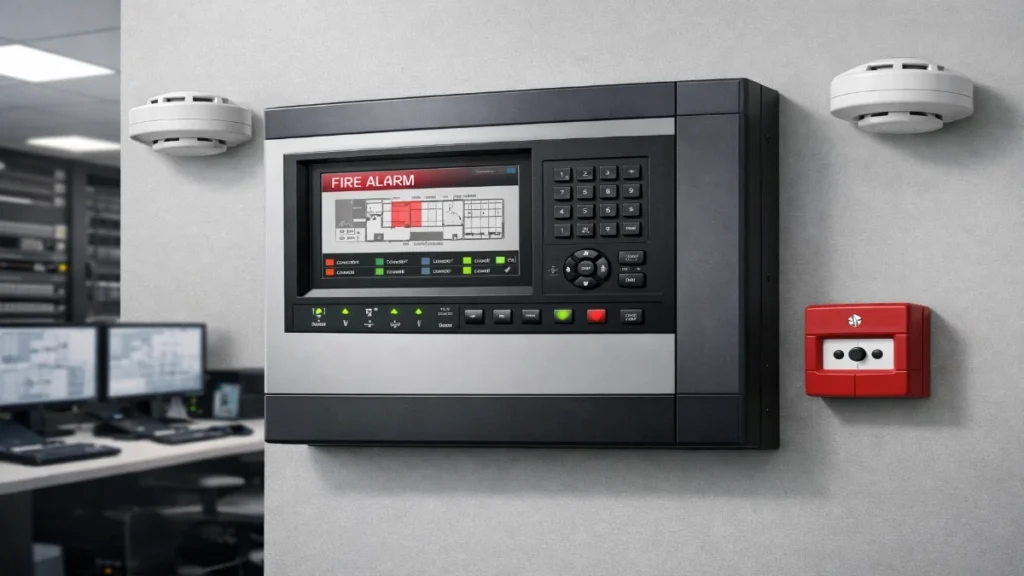
Choosing the right fire alarm system is one of the most critical safety decisions for any building owner, consultant, or facility manager. Among the many options available today, GST addressable fire alarm panels have earned strong trust across commercial, industrial and mission-critical projects. However, many buyers feel confused when they read technical specifications. Terms like loop capacity, protocol type, redundancy and detector compatibility often appear complex. This detailed guide explains GST addressable fire alarm panel specifications in a clear, buyer-friendly way, so you can make a confident and informed decision. Whether you are upgrading an existing system or planning a new installation, this article will help you understand what truly matters inside a GST panel and why it matters for safety, compliance and long-term reliability. What Is a GST Addressable Fire Alarm Panel? A GST addressable fire alarm panel is the intelligent control unit of a modern fire detection system. Unlike traditional panels, it identifies the exact device location, such as a specific smoke detector or manual call point, during an alarm or fault. Each device connected to the panel has a unique digital address, allowing faster response, easier maintenance and precise fault diagnosis. This intelligence makes GST panels ideal for large and complex buildings. Why Understanding Panel Specifications Is Important for Buyers Many buyers compare fire alarm panels only on price. This approach often leads to operational issues later. Specifications define how a system performs during real emergencies, not just during normal operation. By understanding GST panel specifications, buyers can: Loop Capacity: The Backbone of an Addressable System What Is a Loop? A loop is the communication path that connects the fire alarm panel to field devices such as detectors and sounders. GST Panel Loop Specifications Most GST addressable panels support: This means a single GST panel can monitor thousands of devices, making it scalable for future expansion. Buyer Tip:Higher loop capacity reduces the number of panels required, saving space, wiring cost and maintenance effort. Addressing Method: Intelligent Device Identification GST panels use soft addressing, meaning device addresses are assigned digitally through the panel. Why Soft Addressing Matters This is a major advantage compared to older systems and improves long-term serviceability of your addressable fire alarm panel. Compatibility with Addressable Devices Addressable Detectors Support GST panels are fully compatible with a wide range of addressable detectors, including: Each detector communicates real-time status data to the panel, improving accuracy and response speed. Conventional Zone Integration Many GST panels also support hybrid configurations using modules for conventional detectors, making it easier to upgrade legacy systems without full replacement. This flexibility allows smooth migration from a conventional fire alarm panel to a modern addressable architecture. Detection Algorithms and False Alarm Reduction GST addressable panels use advanced processing algorithms to analyse detector signals. Key Features These features significantly reduce nuisance alarms caused by dust, steam, or minor environmental changes. For buyers, this means: Power Supply and Battery Specifications Built-In Power Design GST fire alarm panels include: Backup Duration Most models support: This ensures compliance with international fire standards and uninterrupted protection during power failures. Redundancy and Fault Isolation Features Short-Circuit Protection GST panels use loop isolators to prevent a single wiring fault from disabling the entire system. Panel Fault Management This design ensures system continuity even during partial failures, an essential requirement for hospitals, data centres and high-rise buildings. Communication Protocol and Speed GST panels use proprietary high-speed communication protocols that ensure: This reliability becomes critical during multiple simultaneous alarm events, where delays could cost lives. Display and User Interface Specifications LCD Display GST panels feature: Control Access Levels This structure prevents unauthorised access while allowing trained personnel to manage events efficiently. Event Memory and Data Logging GST addressable fire alarm panels store: This data is essential for: Networking and Expandability Panel Networking GST panels can be networked via: This allows multiple panels to operate as a single integrated gst fire alarm system, ideal for: Integration with Other Building Systems GST panels support seamless integration with: This integration ensures coordinated emergency response across all safety systems. Compliance with International Standards GST addressable fire alarm panels are designed to comply with: For buyers, certification ensures acceptance by consultants, insurers and regulatory bodies. Installation and Maintenance Advantages Simplified Wiring Easy Maintenance This lowers the lifetime ownership cost significantly compared to conventional systems. Addressable vs Conventional: Buyer Comparison Feature Addressable Panels Conventional Panels Device Identification Exact location Zone only Wiring Complexity Lower Higher Scalability High Limited Maintenance Intelligent Manual Ideal Use Medium to large buildings Small buildings While conventional detectors still serve small applications, buyers planning long-term safety investments prefer addressable systems for flexibility and reliability. Who Should Choose GST Addressable Fire Alarm Panels? GST panels are ideal for: Buyer Checklist Before Finalising a GST Panel Before purchasing, confirm: Final Thoughts: Making the Right Buying Decision Understanding GST addressable fire alarm panel specifications empowers buyers to move beyond price-based decisions and focus on performance, reliability and safety. GST panels combine intelligent detection, robust engineering, international compliance and long-term scalability, making them a preferred choice for modern fire protection projects. A well-specified fire alarm system is not just equipment; it is a life-safety commitment. When buyers understand the specifications, they invest not only in compliance but in confidence, continuity and protection. Read Also: What Makes a GST Fire Alarm Supplier Technically Reliable Read Also: When Is the Right Time to Upgrade to a GST Addressable Fire Alarm System?
What Makes a GST Fire Alarm Supplier Technically Reliable
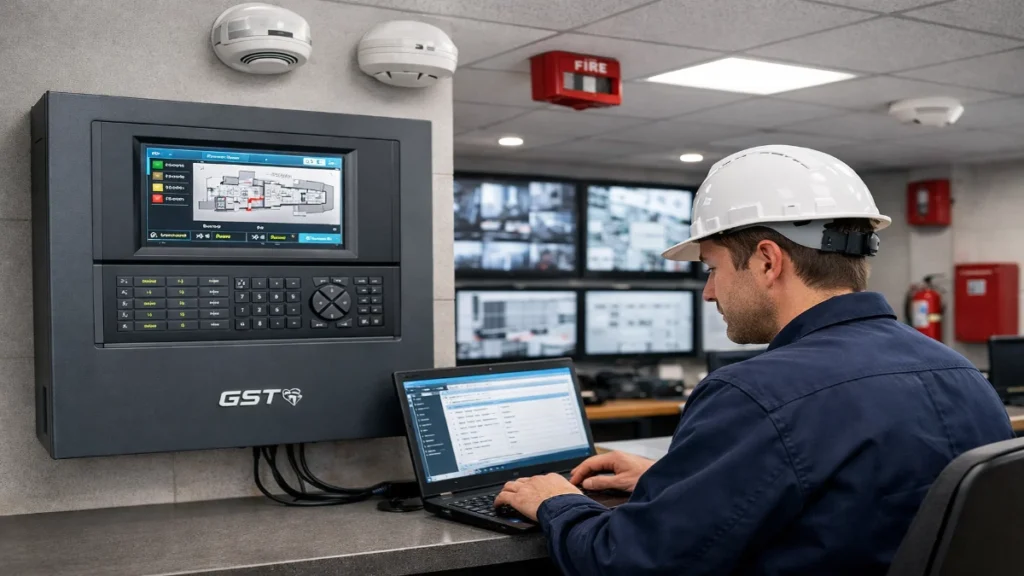
In fire safety, technical reliability is non-negotiable. A fire alarm system does not get a second chance to perform. When an emergency occurs, the system must detect, communicate and respond without delay or confusion. While many buyers focus on panel specifications or detector prices, experienced consultants and facility managers know a critical truth: The reliability of a fire alarm system depends as much on the supplier as on the product itself. This is where GST (Gulf Security Technology) stands apart. Beyond manufacturing compliant panels and devices, GST has built a strong reputation through technically reliable suppliers who understand design, installation, programming, commissioning and long-term system performance. This article explains what makes a GST fire alarm supplier technically reliable and why this reliability directly impacts safety, compliance and lifecycle cost. 1. Deep Technical Understanding of Fire Alarm Systems A technically reliable GST fire alarm supplier is not just a trader. They are system experts. Understanding System Architecture Reliable suppliers clearly understand: They can explain why a specific configuration is recommended, not just what to install. Knowledge Beyond Catalogues GST suppliers with technical strength: This depth of knowledge is a major reason GST fire alarm systems perform consistently in real-world conditions. 2. Certified Training & Manufacturer Authorization Direct Support from GST One of the biggest indicators of technical reliability is formal authorisation from GST. Reliable suppliers: This ensures the system works exactly as designed by the manufacturer. Reduced Risk of Errors Untrained suppliers often: GST-trained suppliers avoid these mistakes, protecting system integrity from day one. 3. Strong System Design Capability (Not Just Supply) A technically reliable GST fire alarm supplier contributes at the design stage, not after installation problems appear. Code-Compliant Design Expertise They design systems aligned with: They correctly select between: Optimised Device Placement Proper spacing, mounting height and detector selection reduce: This design expertise ensures GST systems deliver their full performance potential. 4. Accurate Product Selection for Each Application GST offers a wide product range. A reliable supplier knows which product to use, and which not to. Correct Panel Selection They guide customers in choosing: Instead of overselling, they match system capacity with actual site requirements. Right Detector for the Right Risk Technically reliable suppliers understand: This ensures that addressable detectors and conventional detectors perform accurately in their intended environments. 5. Advanced Programming & Cause-and-Effect Logic Programming is where technical reliability truly shows. Intelligent System Behaviour GST systems support advanced cause-and-effect logic. Reliable suppliers: This results in calm, controlled responses instead of panic or confusion. Reduced False Alarms Well-programmed systems: This is a key reason GST installations are preferred in critical buildings. 6. Professional Installation & Commissioning Standards Even the best system fails if installed poorly. Structured Installation Practices Reliable GST suppliers: Thorough Commissioning Process They: This commissioning discipline ensures the GST fire alarm system performs reliably from day one. 7. Strong Troubleshooting & Diagnostic Capability Fire alarm systems require fast, accurate fault resolution. Using GST’s Diagnostic Features Effectively Technically reliable suppliers: This minimises downtime and keeps buildings continuously protected. 8. Long-Term Service & Preventive Maintenance Expertise Reliability is proven over years, not weeks. Structured AMC & Maintenance Plans Reliable suppliers provide: This proactive approach extends system life and maintains compliance. Lifecycle Cost Advantage Proper maintenance: Over time, technically reliable GST suppliers save clients high operational costs. 9. Compliance Documentation & Authority Coordination A reliable supplier understands that documentation is as important as installation. They support clients with: This ensures smooth handover and regulatory acceptance. 10. Proven Track Record Across Multiple Sectors Technical reliability is reinforced by experience. GST fire alarm suppliers with strong credentials typically have installations in: Their experience allows them to anticipate challenges and design solutions proactively. Why GST Fire Alarm Suppliers Stand Out Technically GST has built its reputation on: When these products are delivered by technically reliable suppliers, the result is a fire alarm system that performs consistently, scales easily, and remains dependable under real emergency conditions. Reliability Comes from the Right Supplier A fire alarm system is only as reliable as the people who design, install and maintain it. A technically reliable GST fire alarm supplier combines: When these qualities come together, GST fire alarm systems deliver what matters most:early detection, clear communication and dependable protection when it matters most. Read Also: Why GST Addressable Systems Perform Better During Multiple Alarm Events Read Also: Fault Isolation & Redundancy Features in GST Fire Alarm Panels
Why GST Addressable Systems Perform Better During Multiple Alarm Events
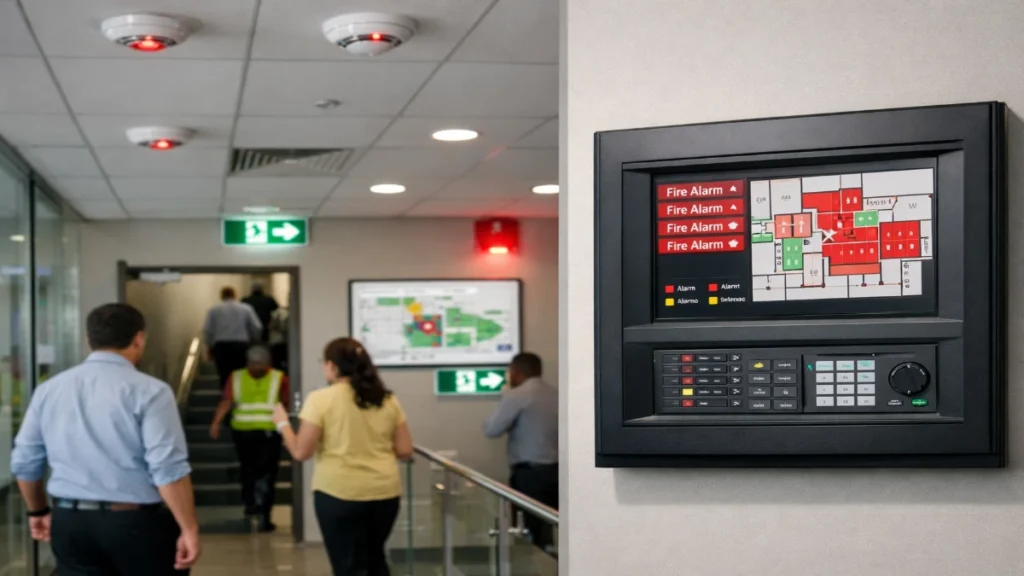
In modern buildings, fire safety is no longer limited to detecting a single incident. Large infrastructures such as hospitals, airports, IT parks, manufacturing plants, malls and high-rise residential complexes face multiple alarm events, sometimes simultaneously, sometimes cascading across zones. In these situations, the performance of the fire alarm system directly impacts evacuation speed, emergency response and overall life safety. This is where GST addressable systems clearly outperform traditional solutions. GST (Gulf Security Technology) has earned global recognition for designing intelligent, resilient and scalable fire alarm technologies that maintain accuracy and stability even when multiple alarms trigger at the same time. This article explains why GST addressable systems perform better during multiple alarm events, how they differ from conventional solutions and why system designers, consultants and facility managers increasingly prefer GST for complex projects. Understanding Multiple Alarm Events in Real-World Buildings Multiple alarm events occur when more than one fire or fault condition is triggered simultaneously or in rapid succession. This is common in: During such scenarios, a fire alarm system must: Many traditional systems struggle under this load. GST addressable fire alarm systems are specifically engineered to handle it efficiently. What Makes GST Addressable Systems Different? An addressable fire alarm panel assigns a unique digital address to every connected device, detectors, call points, modules and sounders. GST builds advanced intelligence into both the panel and field devices, enabling precise communication even during peak alarm activity. In contrast, a conventional fire alarm panel works on zone-based logic, which limits information accuracy when multiple alarms occur. Key Reasons GST Addressable Systems Excel During Multiple Alarm Events 1. Individual Device Identification Without Confusion During multiple alarms, clarity is critical. GST addressable systems instantly identify: Because each device has its own address, the system never “guesses.” Even if ten addressable detectors activate simultaneously, the panel processes each event independently and displays precise information. This eliminates the uncertainty often seen in conventional detectors, where an entire zone goes into alarm without pinpoint accuracy. 2. High-Speed Data Processing Under Heavy Load GST addressable panels are designed with high-speed processors and optimised loop communication protocols. This allows the system to: Even during widespread incidents, the GST fire alarm system remains responsive and stable, ensuring alarms, notifications and control actions occur without lag. 3. Intelligent Loop Isolation and Fault Management One major reason GST systems perform better during multiple alarm events is intelligent fault isolation. If a short circuit or device fault occurs during an emergency: This ensures that multiple alarm events do not compromise the entire system, a common limitation in conventional fire alarm panel designs. 4. Smart Alarm Prioritisation and Event Sequencing GST addressable systems use advanced algorithms to manage alarm priorities. When multiple events occur, the panel: This intelligent prioritisation allows emergency teams to respond faster and more accurately, especially in complex environments. 5. Enhanced Communication With Addressable Detectors GST’s addressable detectors continuously communicate with the panel, not just during alarms, but also during normal operation. This constant data exchange allows the system to: Unlike conventional detectors, which only signal alarm or normal status, GST addressable detectors provide richer diagnostic data, improving decision-making during emergencies. 6. Reduced False Alarms During Simultaneous Events False alarms during multiple alarm conditions can create panic and delay real emergency responses. GST minimises this risk by using: As a result, GST addressable systems remain reliable and trustworthy, even when multiple sensors activate in challenging environments. 7. Seamless Integration With Emergency Control Systems During multiple alarm events, fire alarms must do more than sound sirens. GST systems integrate smoothly with: Each alarm event triggers predefined, intelligent responses, ensuring coordinated safety actions across the building. Addressable vs Conventional Systems During Multiple Alarms Limitations of Conventional Fire Alarm Panels A conventional fire alarm panel groups devices into zones. When multiple alarms occur: These limitations make conventional systems less suitable for large or complex buildings. Why GST Addressable Systems Are Better Suited GST addressable solutions overcome these challenges by offering: This makes them ideal for facilities where multiple alarm events are likely or expected. Real-World Applications Where GST Addressable Systems Excel Hospitals and Healthcare Facilities Hospitals experience frequent multi-alarm situations due to: GST addressable systems ensure alarms are accurate, localised and non-disruptive, allowing staff to respond without unnecessary panic. Airports and Transportation Hubs Large terminals can trigger multiple alarms across zones. GST systems provide: Industrial and Manufacturing Facilities Dust, heat and machinery can create complex alarm scenarios. GST addressable detectors adapt intelligently, ensuring reliable fire detection without false triggers. Commercial High-Rise Buildings With multiple tenants and interconnected floors, simultaneous alarms are common. GST systems provide scalable protection with centralised control, even during peak emergency events. Maintenance and Diagnostics During Multiple Alarm Conditions GST addressable systems also simplify post-event analysis by offering: This allows facility managers to quickly restore normal operations and improve future safety planning. Why Consultants and Specifiers Prefer GST Fire consultants and project specifiers often recommend GST because: These qualities make GST a preferred brand in tender-based and mission-critical projects worldwide. Final Thoughts Multiple alarm events are no longer rare; they are a reality in today’s complex buildings. Systems that fail under pressure put lives and assets at risk. GST addressable systems consistently perform better during multiple alarm events because they combine: When compared to conventional fire alarm panels and conventional detectors, GST’s addressable solutions clearly stand out as safer, smarter and more dependable. For projects where performance during emergencies truly matters, GST addressable fire alarm systems are not just an option; they are a strategic choice.
Fault Isolation & Redundancy Features in GST Fire Alarm Panels
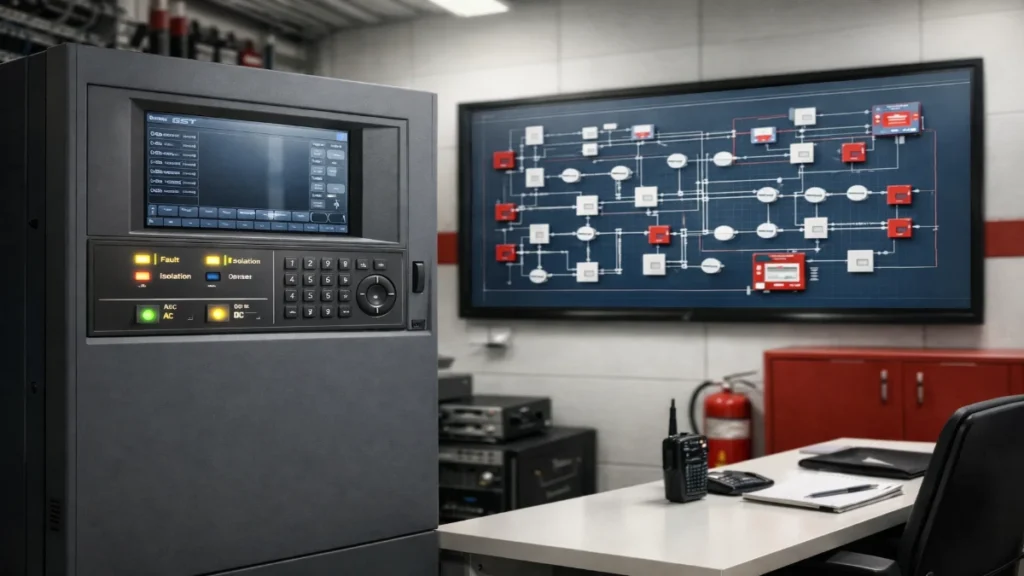
Fire alarm systems are no longer evaluated only on how fast they detect fire. In modern buildings, system reliability during faults is equally critical. A single cable short, device failure or power fluctuation should never compromise life safety. This is where fault isolation and redundancy play a vital role. GST Fire Alarm Panels (Gulf Security Technology) are engineered with advanced fault isolation and redundancy mechanisms that ensure uninterrupted operation, even when part of the system fails. These features make GST panels a preferred choice for high-rise buildings, hospitals, data centres, airports, industrial plants and government projects. This article explains how fault isolation and redundancy work in GST fire alarm systems, why they matter and how GST performs better than many conventional alternatives, all in simple and easy-to-understand language. What Is Fault Isolation in Fire Alarm Systems? Fault isolation refers to a system’s ability to identify, contain and isolate faults without affecting the rest of the fire alarm network. Common Faults in Fire Alarm Systems In poorly designed systems, one fault can disable an entire loop or zone. GST eliminates this risk through intelligent isolation technology. What Is Redundancy in Fire Alarm Panels? Redundancy refers to having backup paths, components or power sources so that the system continues to operate even if one part fails. Why Redundancy Is Critical GST fire alarm panels are built with layered redundancy, ensuring the system remains operational at all times. Why Fault Isolation & Redundancy Matter More Today Modern buildings are: A single fault should never disable emergency detection or evacuation alerts. Regulatory authorities and consultants now demand high fault tolerance, especially in mission-critical infrastructure. How GST Fire Alarm Panels Handle Fault Isolation 1. Intelligent Loop-Level Isolation GST addressable fire alarm panel technology uses smart loop architecture with built-in isolation logic. This ensures that partial system faults do not escalate into system-wide failures. 2. Isolator Modules for Enhanced Protection GST supports addressable isolator modules placed strategically along the loop. Benefits: This is especially useful in: 3. Device-Level Fault Identification GST panels do not just show “fault present.” They clearly identify: This level of visibility significantly reduces downtime and maintenance effort. 4. Automatic System Recovery Once the fault is resolved: This self-healing capability is a major advantage of the GST fire alarm system. Redundancy Features in GST Fire Alarm Panels 1. Dual Power Supply Architecture GST panels support: If mains power fails: This redundancy ensures continuous protection during power outages. 2. Redundant Communication Paths GST addressable systems use robust communication protocols that: This is critical in systems using thousands of addressable detectors. 3. CPU and Memory Protection GST panels are designed with: If any processing anomaly occurs, the system recovers automatically without affecting field devices. 4. Network Redundancy for Large Systems In multi-panel or networked systems: This makes GST ideal for airports, metros, data centres and smart cities. Comparison: GST Addressable vs Conventional Systems Fault Handling Capability Feature GST Addressable Conventional Fire Alarm Panel Fault Isolation Automatic & intelligent Limited or none Fault Location Exact device address Zone-level only System Recovery Automatic Manual reset Scalability Very high Limited Downtime Risk Minimal High While a conventional fire alarm panel may be suitable for small buildings, it lacks the advanced fault tolerance required for modern infrastructure. Fault Isolation in Addressable vs Conventional Detectors Addressable Detectors (GST) Conventional Detectors This is why GST strongly recommends addressable detectors for medium to large installations. How GST Minimises False Alarms During Fault Conditions Faults often cause nuisance alarms in poorly designed systems. GST prevents this through: This ensures alarms are triggered only by real fire events, even during fault scenarios. Maintenance Advantages of GST Fault Isolation Faster Troubleshooting Reduced System Downtime Lower Long-Term Costs This makes GST systems cost-effective over their entire lifecycle. Compliance with Global Safety Standards GST fire alarm panels are designed to meet: Fault isolation and redundancy features are now mandatory in many global codes and GST systems are fully aligned with these expectations. Real-World Applications Where GST Excels GST fault-tolerant design is widely used in: In these environments, system failure is not an option. Why Consultants and System Integrators Prefer GST These factors consistently position GST as a trusted brand in fire safety technology. Future-Ready Design of GST Fire Alarm Panels GST continuously evolves its systems to: This ensures long-term compatibility with smart buildings and advanced safety ecosystems. Conclusion Fault isolation and redundancy are no longer optional features; they are essential requirements for modern fire alarm systems. GST Fire Alarm Panels stand out by offering intelligent fault handling, automatic recovery and multi-layer redundancy that protect lives and assets even during unexpected failures. Whether you are upgrading from a conventional fire alarm panel or designing a large-scale system with addressable detectors, GST delivers unmatched reliability, safety and peace of mind. GST (Gulf Security Technology) continues to set benchmarks in fire detection by ensuring that even when something goes wrong, safety never stops. Read Also: When Is the Right Time to Upgrade to a GST Addressable Fire Alarm System? Read Also: Why GST Panels Remain Stable During Partial System Failures
When Is the Right Time to Upgrade to a GST Addressable Fire Alarm System?
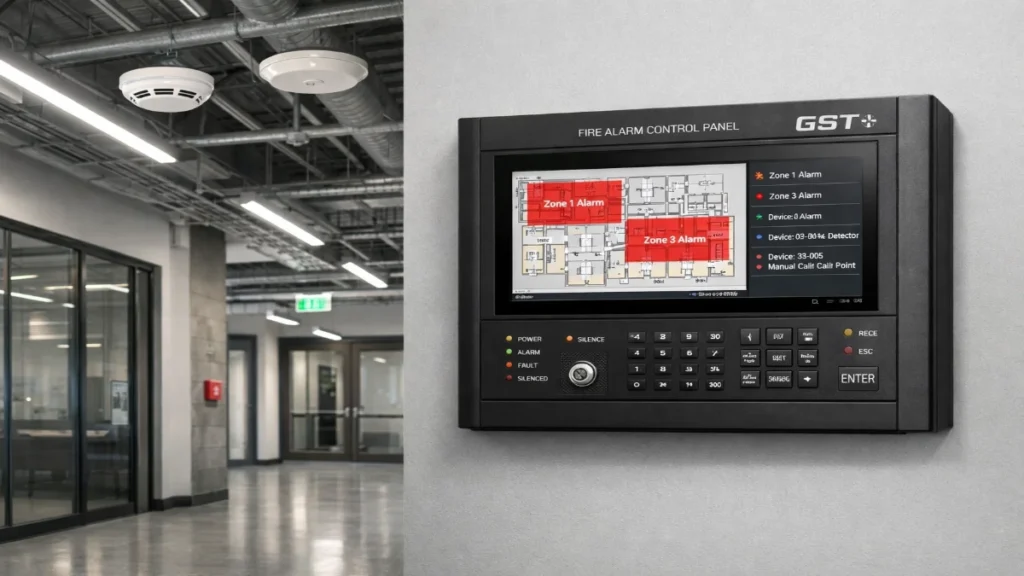
Fire safety is not something organisations should review only after an incident. As buildings grow larger, systems become more complex and regulations evolve, fire detection technology must keep pace. Many facilities today still rely on older or basic fire alarm solutions that were installed years ago. While these systems may still function, they may no longer provide the speed, accuracy and reliability modern environments demand. This raises an important question for facility owners, consultants, and safety managers: When is the right time to upgrade to a GST addressable fire alarm system? In this article, we will explore the key signs, operational challenges, compliance triggers and business scenarios that indicate it is time to move from legacy systems to a modern GST fire alarm system. We will also explain why GST addressable technology is widely trusted in commercial, industrial and mission-critical buildings. Understanding the Difference: Conventional vs Addressable Fire Alarm Systems Before discussing upgrade timing, it is important to understand how older systems differ from modern addressable solutions. Conventional Fire Alarm Systems: A Basic Overview A conventional fire alarm panel divides a building into zones. When a detector triggers, the panel only identifies the affected zone, not the exact device. This approach works for small buildings but creates limitations in larger or high-risk environments. Limitations of conventional systems include: Conventional systems also rely on conventional detectors, which lack intelligence and self-diagnostic capabilities. Addressable Fire Alarm Systems: How They Improve Safety An addressable fire alarm panel assigns a unique digital address to every device on the loop. This allows the system to identify the exact detector or module that has triggered an alarm or fault. A modern GST fire alarm system offers: This fundamental difference plays a major role in deciding when to upgrade. Key Signs It Is Time to Upgrade to a GST Addressable Fire Alarm System 1. Your Existing System Is More Than 8–10 Years Old Fire alarm technology has evolved significantly in the last decade. Older systems often lack: If your system is nearing the end of its lifecycle, upgrading to a GST addressable solution ensures long-term reliability and support. AEO Insight:Most fire alarm systems should be reviewed for upgrade after 8–10 years due to component ageing and compliance changes. 2. Frequent False Alarms Are Disrupting Operations False alarms are more than an inconvenience. They disrupt work, reduce trust in safety systems and may even lead to penalties. Conventional systems using basic conventional detectors are more prone to false triggers from dust, humidity, or temperature fluctuations. GST addressable systems use intelligent addressable detectors that analyse smoke patterns, heat trends and environmental data. This dramatically reduces nuisance alarms and improves system credibility. 3. You cannot identify the Exact Fire Location Quickly In an emergency, every second matters. If your fire panel only shows a zone instead of a precise location, responders lose valuable time. A GST addressable fire alarm panel instantly displays: This level of clarity improves evacuation, firefighting response and overall safety outcomes. 4. Your Building Has Expanded or Changed Its Layout Many facilities evolve. Offices expand, factories add production lines, and hospitals create new wings. Conventional systems struggle to adapt to such changes. Loop-based GST addressable systems allow: If your building has grown beyond its original design, upgrading becomes a necessity rather than a choice. 5. You Are Managing a High-Occupancy or High-Risk Facility Certain environments demand higher fire safety standards, such as: In these settings, the precision and reliability of a GST addressable system provide a critical safety advantage over conventional solutions. 6. Compliance Requirements Have Changed Fire safety codes and local regulations are updated regularly. Older systems may no longer meet: Upgrading to a GST fire alarm system helps ensure compliance with national and international fire safety norms while preparing your facility for future regulatory updates. Business and Operational Reasons to Upgrade Reduced Maintenance and Downtime GST addressable systems continuously monitor device health. They provide early warnings for: This predictive maintenance approach reduces downtime and prevents system failures during emergencies. Improved Return on Investment (ROI) While addressable systems may have a higher initial cost than conventional panels, they offer long-term financial benefits: Over time, the total cost of ownership is significantly lower. Seamless Integration with Other Safety Systems Modern GST systems integrate easily with: This integrated approach enhances overall building intelligence and emergency coordination. Why GST Is the Preferred Choice for Addressable Fire Alarm Upgrades Proven Technology and Reliability GST (Gulf Security Technology) is globally recognised for delivering robust, high-performance fire detection solutions. Their addressable systems are designed for reliability under demanding conditions. Advanced Intelligent Detection GST addressable detectors use advanced algorithms to distinguish real fire threats from environmental noise. This ensures faster detection with fewer false alarms. Scalable System Architecture Whether you are upgrading a single building or managing a multi-site facility, GST systems scale effortlessly without compromising performance. User-Friendly Interface and Diagnostics GST panels offer intuitive displays, clear event logs and simple configuration tools. This makes system management easier for facility teams and service engineers. When an Upgrade Becomes Urgent, Not Optional You should consider immediate upgrading if: In these cases, continuing with an outdated system increases risk and liability. Final Thoughts: Choosing the Right Time Means Choosing Safety The right time to upgrade to a GST addressable fire alarm system is before your current system becomes a liability. If your building has grown, your risks have increased, or your system feels outdated, delaying the upgrade can compromise safety, compliance and operational continuity. A modern GST fire alarm system delivers clarity, intelligence and reliability, qualities that conventional systems can no longer guarantee in today’s complex environments. Upgrading is not just a technical decision.It is a strategic investment in life safety, business continuity and future readiness. Read Also: Why GST Panels Remain Stable During Partial System Failures Read Also: How GST Fire Alarm Panels Handle Device Communication Under High Load
Why GST Panels Remain Stable During Partial System Failures
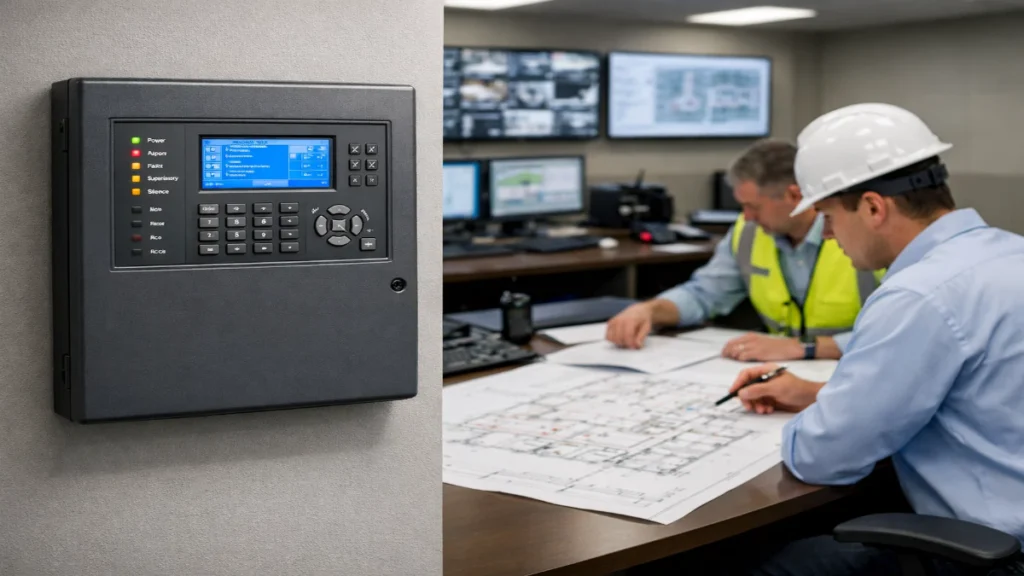
Fire alarm systems are expected to perform flawlessly, especially during emergencies. But real-world conditions are rarely perfect. Cable faults, device failures, power issues or environmental disturbances can affect parts of a fire alarm network. In such situations, the real test of a fire alarm system lies in how well it continues to operate during partial system failures. This is where GST fire alarm panels stand out. GST (Gulf Security Technology) panels are widely known for their exceptional stability, fault tolerance, and intelligent system design, even when one or more components fail. This article explains why GST panels remain stable during partial failures, how their architecture supports continuity and why they are trusted in mission-critical and high-risk buildings worldwide. Understanding Partial System Failures in Fire Alarm Systems Before exploring GST’s stability, it’s important to understand what a partial system failure means. A partial system failure occurs when: In such cases, a poorly designed fire alarm system may: GST panels are designed to avoid these risks by isolating faults and maintaining overall system performance. GST’s Design Philosophy: Stability First GST designs its panels with one primary goal:The system must continue protecting lives and property, even when faults occur. This philosophy is reflected in: Unlike basic systems that fail as a whole, GST panels ensure localised failure does not become a total system failure. Intelligent Loop Architecture for Fault Tolerance One of the strongest reasons GST panels remain stable is their intelligent loop-based design. In an addressable fire alarm panel, all devices communicate digitally over a loop. GST enhances this design with: 🔹 Automatic Loop Fault Detection GST panels continuously monitor loop integrity. If a short circuit or open circuit occurs, the panel: 🔹 Loop Isolation Technology With loop isolators: This ensures that fire detection and notification remain active, even during wiring failures. Advanced Fault Isolation at Device Level GST systems not only isolate faults at the loop level, but they also go further. Device-Level Fault Management If a single device (such as a detector or manual call point) fails: This is especially effective in buildings using addressable detectors, where each device has a unique digital identity. Stable Communication Under Partial Failures Communication reliability plays a major role in system stability. GST fire alarm panels use: When communication errors occur: This ensures no loss of critical event data, even during intermittent faults. Redundant Power Design for Continuous Operation Power failure is one of the most common causes of system instability. GST addresses this with robust power redundancy. 🔹 Dual Power Supply Architecture GST panels support: If mains power fails: 🔹 Power Segmentation If a power issue affects one module: This design prevents total system collapse due to localised power faults. Modular Panel Design Prevents System-Wide Failure GST panels use a modular architecture, which is a major advantage during partial failures. Each module (CPU, loop card, power card, network card) works independently. If one module fails: This approach is far superior to fixed-board systems often found in older conventional fire alarm panel designs. Stable Performance in Networked Systems Large buildings often use networked GST panels across multiple floors or blocks. What Happens During Partial Network Failure? If one panel or network segment fails: This makes GST ideal for: Intelligent Firmware and Self-Diagnostics GST panels continuously analyse system health using built-in diagnostics. Key Capabilities: Instead of crashing during errors, the system: This proactive approach significantly reduces unexpected downtime. Addressable vs Conventional Systems During Failures Understanding the difference highlights why GST performs better. Addressable Fire Alarm Panel (GST) Conventional Fire Alarm Panel GST also supports conventional detectors, but integrates them in a way that enhances reliability rather than limiting it. Real-World Stability in High-Risk Environments GST panels are commonly installed in environments where failure is not an option. Examples: In these settings: Reduced False Alarms During Partial Failures System instability often leads to false alarms. GST avoids this through: Even when some devices behave abnormally, the system: Compliance with Global Fire Safety Standards GST panels are designed to meet international standards, such as: These standards demand: GST’s stable behaviour during partial system failures is not accidental; it is engineered and certified. Why Stability Matters More Than Ever Modern buildings rely heavily on automation and integrated safety systems. A fire alarm panel is no longer just a signalling device; it is the core of life safety infrastructure. GST panels ensure: Final Thoughts: Why GST Panels Are Trusted for Stability Partial system failures are inevitable in complex fire alarm installations. What matters most is how the system responds. GST fire alarm panels respond with: This is why professionals across industries continue to choose the GST fire alarm system for projects where stability, reliability and safety cannot be compromised. By maintaining performance even during partial failures, GST panels prove that true fire safety is not about avoiding faults, but about surviving them without losing protection. Read Also: Why GST Fire Alarm Panels Are Preferred in Tender-Based Projects Read Also: Why GST Panels Are Often Selected for Mission-Critical Buildings