
GST Fire Alarm System Design vs Cost Optimisation Strategy
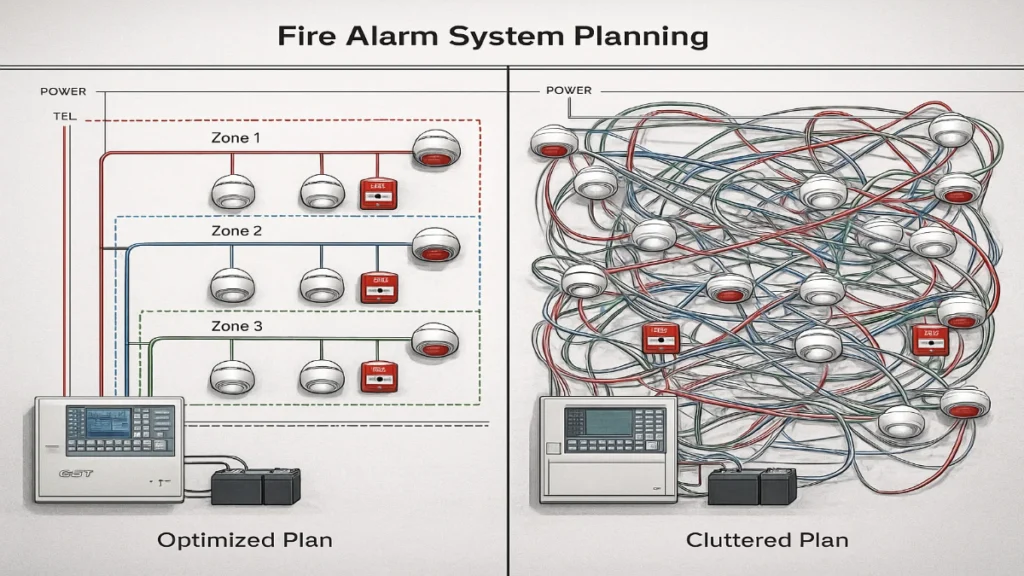
Fire alarm system planning is no longer just about meeting code requirements. In large commercial, industrial and infrastructure projects, the real challenge lies in balancing system design excellence with cost optimisation. Poor design decisions increase project costs, lead to rework and inflate long-term maintenance expenses. On the other hand, excessive cost-cutting compromises safety, compliance and system reliability. This is where GST Fire Alarm Systems (Gulf Security Technology) stand out. GST enables consultants, system integrators and project owners to achieve technically sound fire alarm designs while maintaining strict cost efficiency without sacrificing safety or future scalability. In this article, we will explain how GST fire alarm system design compares with traditional cost-cutting approaches and why design-driven cost optimisation is the smarter strategy for modern projects. Understanding Fire Alarm System Design vs Cost Optimisation Many projects mistakenly treat fire alarm design and cost optimisation as opposing goals. In reality, good design is the foundation of cost control. Fire Alarm System Design Focuses On: Cost Optimisation Focuses On: GST fire alarm systems bridge this gap by offering intelligent, modular and scalable solutions that naturally reduce unnecessary costs through better design logic. Why Poor Design Increases Fire Alarm System Costs Many high-budget projects face cost overruns not because of premium equipment, but due to design inefficiencies. Over-Design Using excessive detectors, oversized panels or unnecessary redundancy increases material and installation costs. This often happens when systems lack flexibility. Under-Design Cutting corners leads to: Brand Limitations Some fire alarm brands force rigid designs due to: GST avoids all three pitfalls by offering flexible, intelligent design options that adapt to real project needs. How GST Enables Intelligent Fire Alarm System Design GST fire alarm systems are engineered with design freedom at their core. This allows consultants and designers to create optimised layouts without inflating costs. Modular Panel Architecture GST addressable fire alarm panels allow: This prevents unnecessary capital investment during early project stages while keeping future expansion open. High Loop Device Capacity With higher device counts per loop, GST systems: Fewer loops mean lower material costs and simpler commissioning. Wide Detector Portfolio GST offers: Designers can select only what the risk demands, instead of overspecifying devices to compensate for limitations. Cost Optimisation Through Accurate Risk-Based Design Cost optimisation does not mean choosing cheaper devices. It means choosing the correct devices. Example: Intelligent Multi-Sensor Usage Instead of installing multiple detector types in challenging environments, GST multi-sensor detectors: This results in lower operational expenditure over the system’s life. Application-Specific Design GST supports tailored solutions for: Each application benefits from optimised device selection, not generic layouts. GST Fire Alarm Cabling Strategy and Cost Control Cabling accounts for a significant portion of fire alarm system costs. Loop-Based Addressable Systems GST addressable systems: This leads to: Fault-Tolerant Loop Design GST loop isolation technology: Better reliability equals lower long-term expenses. Panel Selection Strategy: Right-Sizing Saves Money Choosing the wrong panel size is a common cost mistake. Oversized Panels Increase initial costs without adding real value. Undersized Panels Force panel replacements or additional panels later. GST Advantage GST panels allow: This ensures you pay only for what you need, when you need it. Compliance-Driven Design Reduces Hidden Costs Non-compliance is one of the most expensive mistakes in fire alarm projects. GST Systems Support: This results in: Compliance-ready systems protect both budget and reputation. Installation Efficiency as a Cost Optimisation Tool GST systems simplify installation through: This reduces: Shorter project timelines translate directly into lower costs. Lifecycle Cost Comparison: GST vs Low-Cost Alternatives Initial price alone does not define system value. Low-Cost Systems Often Lead To: GST Lifecycle Advantages: Over 10-15 years, GST systems cost significantly less than cheaper alternatives. Consultant Perspective: Why GST Supports Better Design Decisions Consultants prefer GST because it allows: This confidence reduces design risk and project liability. Why Design-First Cost Optimisation Always Wins Projects that prioritise design quality first always achieve better cost control than those focused only on price reduction. GST fire alarm systems make this possible by combining: The result is a fire alarm system that protects lives, satisfies authorities and respects project budgets. Note: The real choice is not between design vs cost, but between short-term savings and long-term value. GST Fire Alarm Systems prove that: For consultants, developers and facility owners, GST delivers optimised fire safety without financial compromise. Read Also: GST Intelligent Multi-Sensor Detector – Best Use Cases Read Also: Why Consultants Specify GST Fire Alarm Systems in Large Projects
Why Consultants Specify GST Fire Alarm Systems in Large Projects
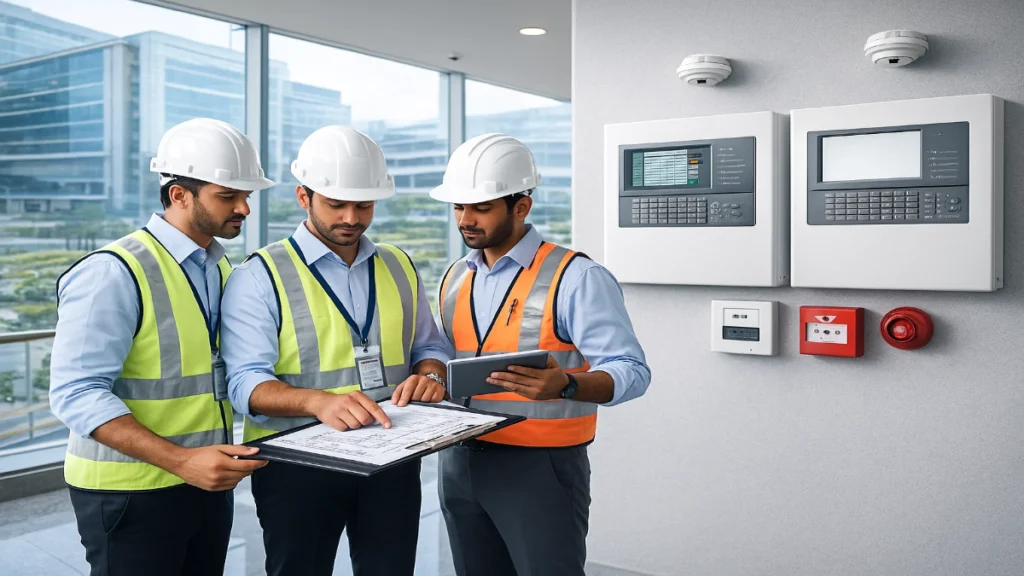
Large construction projects demand more than basic compliance. Airports, IT parks, hospitals, manufacturing plants, malls, data centres and high-rise commercial buildings require fire alarm systems that deliver reliability, scalability, long-term value and regulatory confidence. This is why experienced fire safety consultants play a critical role during the design and specification stage. Across India and many international markets, consultants consistently specify GST Fire Alarm Systems for large and complex projects. This preference is not driven solely by branding. It is based on proven performance, engineering flexibility, compliance readiness and lifecycle efficiency. This article explains why consultants trust and recommend GST Fire Alarm Systems for large-scale projects, and what makes these systems suitable for high-risk, high-value environments. The Consultant’s Responsibility in Large Fire Safety Projects Fire safety consultants act as technical decision-makers. Their recommendations directly impact life safety, asset protection and legal compliance. When specifying a fire alarm system for a large project, consultants must ensure the solution: Because the margin for error is extremely small, consultants prefer systems with a strong global track record and consistent field performance. GST meets these expectations at every stage. Proven Reliability in Large and Complex Environments Reliability is the primary reason consultants specify GST fire alarm systems. Large projects operate continuously, often with thousands of occupants and sensitive equipment. False alarms, delayed detection, or system failures can cause operational disruption and safety risks. GST systems are engineered to maintain consistent performance under demanding conditions such as dust, humidity, electrical noise and high occupancy levels. GST addressable detectors, modules and panels are designed for stable communication and accurate signal processing. This ensures dependable operation even when thousands of devices are connected across multiple loops and panels. For consultants, this reliability reduces risk during approval, commissioning and long-term operation. Scalable Architecture for Large Projects Large projects rarely remain static. Buildings expand, tenants change, and usage patterns evolve. Consultants, therefore, prioritise systems that can scale without major redesign. GST fire alarm systems support modular and expandable architectures. Panels can handle multiple loops, large device counts and networking across buildings. This makes GST suitable for: Consultants appreciate this flexibility because it allows them to design systems that meet current requirements while accommodating future growth. Advanced Addressable Technology Preferred by Consultants Most large projects require addressable fire alarm systems rather than conventional panels. GST has a strong portfolio of intelligent addressable solutions that consultants trust for precision and control. Addressable systems allow each device to have a unique identity. This enables: GST addressable panels and detectors provide detailed event information, which is essential for large facilities where quick decision-making matters. Compliance with Indian and International Fire Codes Consultants must ensure that their specifications meet applicable standards, such as: GST fire alarm systems are designed to align with recognised fire safety standards, making approval smoother during the plan submission and inspection stages. This compliance confidence is a major reason consultants repeatedly specify GST, especially for projects involving government bodies, multinational companies and regulatory scrutiny. Reduced False Alarms Through Intelligent Detection False alarms are one of the biggest operational challenges in large buildings. They cause panic, disrupt operations and reduce occupant trust in the fire alarm system. GST intelligent detectors use advanced sensing and processing techniques to differentiate between real fire conditions and environmental disturbances such as dust, steam or fumes. Consultants value this capability because it improves system credibility and ensures alarms are taken seriously when they occur. Seamless Integration with Other Life Safety Systems In large projects, the fire alarm system does not operate in isolation. It must integrate with: GST fire alarm systems support integration through compatible modules and interfaces, allowing consultants to design unified life safety solutions. This interoperability simplifies system coordination during emergencies and improves overall building safety. Strong Technical Documentation and Design Support Consultants rely heavily on technical documentation during the design and approval stages. GST provides detailed manuals, wiring diagrams, system architecture guidelines and device specifications. This documentation helps consultants: Clear technical support reduces design errors and improves project execution quality. Long-Term Cost Efficiency and Lifecycle Value While the initial system cost is important, consultants focus more on the total lifecycle cost. Large projects operate for decades and fire alarm systems must remain functional, maintainable and upgrade-friendly. GST systems are designed for durability and ease of maintenance. Components are readily available and system diagnostics simplify fault identification. This results in: Consultants often recommend GST because it delivers value well beyond the installation phase. Suitability for Multiple Project Types GST fire alarm systems are specified across a wide range of large projects, including: This versatility gives consultants confidence that GST can adapt to different risk profiles and occupancy requirements. Consistent Performance in Indian Environmental Conditions Indian projects face unique challenges such as high temperatures, humidity, dust and voltage fluctuations. Fire alarm systems must perform reliably in these conditions. GST devices are designed to handle such environmental factors, making them suitable for both urban and industrial settings. Consultants working across different regions find GST systems dependable regardless of local conditions. Consultant Trust Built Through Field Experience Consultants often base their specifications on real-world experience rather than marketing claims. GST fire alarm systems have been installed in numerous large projects, creating a strong reference base. Positive feedback from previous installations strengthens consultant trust and leads to repeat specification in future projects. Ease of Commissioning and Testing Large projects involve complex commissioning processes. GST systems offer features that simplify testing, device identification and system validation. This reduces commissioning time and minimises delays during handover, which is a key concern for consultants managing tight project timelines. Alignment with Smart Building Trends Modern large projects increasingly adopt smart building concepts. Fire alarm systems must align with these technologies without compromising safety. GST fire alarm systems support intelligent monitoring and system integration, allowing consultants to design solutions that fit modern infrastructure while maintaining compliance. Why GST Continues to Be a Preferred Choice for Consultants Consultants specify GST fire alarm systems because they consistently meet critical project requirements. These systems combine reliability,
Why GST Fire Alarm Panels are the Most Reliable Panels in India
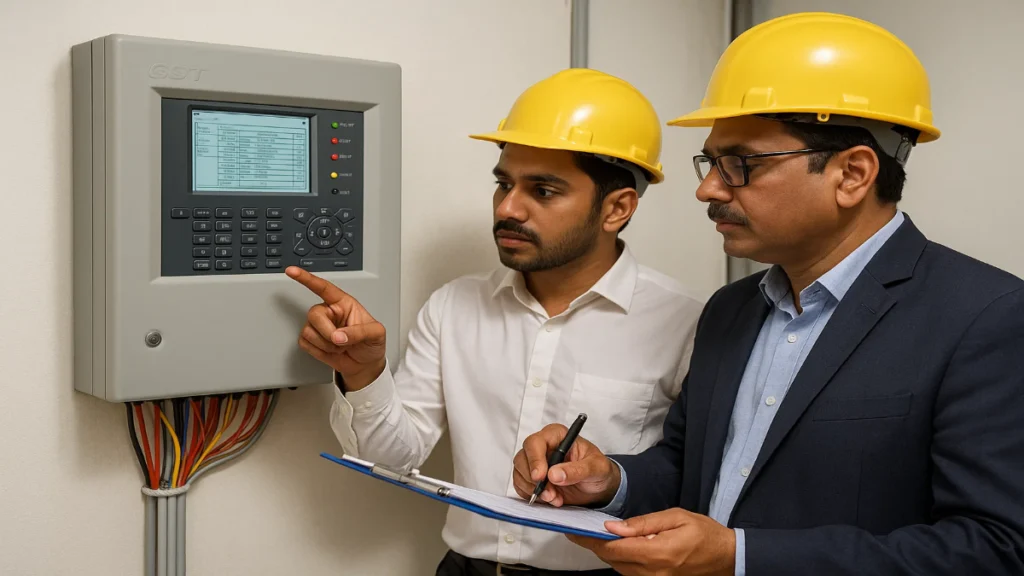
Reliability in fire alarm systems is not a feature; it is a responsibility. In a country like India, where buildings range from high-rise commercial towers to densely populated residential complexes and large industrial facilities, the performance of a fire alarm panel can directly influence life safety, property protection and business continuity. A reliable fire alarm panel must detect threats early, communicate alerts clearly, integrate with other safety systems and continue operating even in challenging conditions. GST Fire Alarm Panels have steadily built a reputation across India for consistently meeting these expectations with technical excellence. Used widely in airports, hospitals, IT parks, factories, hotels and infrastructure projects, GST panels are often chosen not only for compliance but for long-term dependability. This article explains in detail why GST Fire Alarm Panels are among the most reliable fire alarm panels in India, covering their technology, design philosophy, compliance, performance and real-world suitability. Understanding Reliability in Fire Alarm Panels Before examining GST panels specifically, it is important to define what reliability means in the context of fire alarm systems. Reliability is the ability of a system to perform its intended function accurately and continuously under all expected operating conditions. A reliable fire alarm panel should detect fire events quickly without false alarms, function continuously during power fluctuations, communicate accurately with field devices and provide clear information to operators. It should also be easy to maintain, scalable for future expansion and supported by a strong service network. GST Fire Alarm Panels are engineered with all these factors in mind. Proven Brand Presence in the Indian Fire Safety Market GST, also known as Gulf Security Technology, has established a strong footprint in the Indian fire safety industry. Over the years, GST panels have been deployed in thousands of projects across different sectors. This widespread adoption is not accidental. Consultants, system integrators and end users consistently select GST because of its stable performance and predictable behaviour in real-world conditions. In India, where environmental factors such as dust, humidity, temperature variations and power quality issues are common, fire alarm panels must be robust. GST panels are designed to operate reliably despite these challenges, making them suitable for Indian operating environments. Advanced Addressable Technology One of the key reasons behind the reliability of GST Fire Alarm Panels is their advanced addressable technology. Addressable systems allow each device, such as smoke detectors, heat detectors and manual call points, to have a unique identity. This technology enables precise event identification. When an alarm or fault occurs, the panel displays the exact device location, reducing response time and minimising confusion. Accurate identification is critical during emergencies, and GST panels excel in delivering clear, actionable information. Addressable architecture also improves system stability. The panel continuously monitors device communication, detects faults early and isolates issues before they escalate into system failures. Stable Performance with Low False Alarm Rates False alarms are one of the biggest concerns in fire alarm systems. Frequent false alarms reduce trust in the system, disrupt operations and can lead to unnecessary evacuations. GST Fire Alarm Panels are known for their stable detection logic and compatibility with intelligent detectors. GST panels use refined algorithms to interpret signals from detectors. This allows them to differentiate between real fire conditions and environmental disturbances such as dust, steam or minor temperature changes. As a result, GST systems deliver dependable detection while significantly reducing false alarms. This reliability is especially valuable in sensitive environments such as hospitals, hotels, data centres and commercial buildings. Compliance with Indian and International Standards Reliability is closely linked to compliance. GST Fire Alarm Panels are designed and tested to meet relevant Indian and international fire safety standards. Compliance ensures that panels perform consistently under defined test conditions and meet safety benchmarks. GST panels align with standards commonly referenced in India, including IS and EN certifications, depending on the model and application. This compliance provides confidence to consultants, approving authorities and building owners. Certified systems also simplify project approvals and audits, reducing delays and ensuring smooth commissioning. Robust Hardware Design Hardware reliability is a major factor in fire alarm panel performance. GST panels feature durable enclosures, high-quality electronic components and well-engineered power supplies. The panels are designed to handle voltage fluctuations, which are common in many parts of India. Built-in protection circuits help prevent damage from power surges, short circuits and electrical noise. This hardware resilience contributes to long-term system stability and reduced downtime. Additionally, GST panels are designed for continuous operation, ensuring uninterrupted monitoring even during extended use. Intelligent System Monitoring and Diagnostics GST Fire Alarm Panels continuously monitor system health. They track device communication, loop integrity, power status and internal panel conditions. Any abnormality triggers a fault indication, allowing maintenance teams to address issues proactively. This intelligent diagnostics capability improves reliability by preventing minor issues from becoming major failures. Early fault detection reduces system downtime and ensures that the fire alarm system remains operational at all times. Clear fault messages displayed on the panel help technicians quickly identify and resolve problems without guesswork. Scalability and System Flexibility A reliable fire alarm panel must adapt to changing building requirements. GST panels are designed with scalability in mind. They support multiple loops, a large number of devices and networked configurations for large or complex sites. This flexibility allows buildings to expand their fire alarm systems without replacing the entire panel. Scalability ensures long-term reliability by accommodating future needs while maintaining consistent performance. Networked GST panels also provide redundancy, which enhances reliability in large installations such as airports, campuses and industrial plants. User-Friendly Interface and Clear Information Human interaction plays an important role in system reliability. During emergencies, operators must understand panel information quickly. GST Fire Alarm Panels feature intuitive interfaces, clear displays and logical menu structures. The panels present alarms, faults and system status in a clear and readable format. This reduces operator errors and ensures faster response times. A system that communicates clearly is inherently more reliable during critical situations. Seamless Integration with Other Safety Systems GST Fire Alarm
GST Fire Alarm Cost Estimation for New Construction Projects
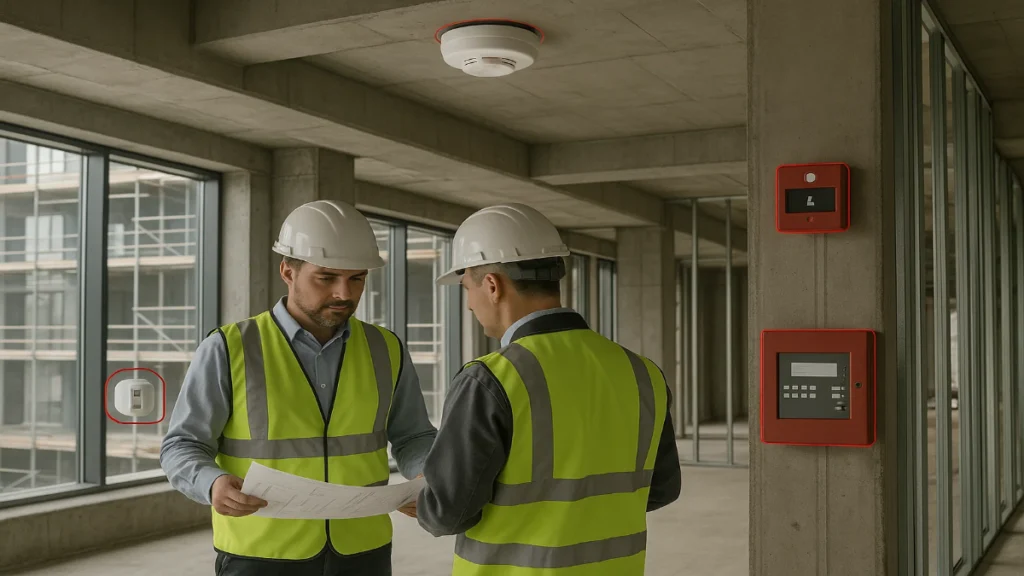
In modern construction planning, fire alarm systems are designed as part of the building’s core life-safety infrastructure rather than an auxiliary service. Their layout, capacity and system integration directly influence statutory approvals, operational reliability and long-term maintenance efficiency. For this reason, accurate cost estimation of a GST fire alarm system during the early design phase is essential for new construction projects. A well-calculated estimate aligns system design with regulatory requirements, prevents scope changes during execution and ensures predictable project budgeting throughout the construction lifecycle. Why Fire Alarm Cost Estimation Matters in New Construction Fire alarm systems are among the first safety services reviewed by fire authorities before granting approvals and occupancy certificates. In new construction projects, inaccurate estimation often leads to redesign, additional material procurement and installation delays. Unlike retrofit installations, new construction offers the advantage of planned routing, optimal device placement and system scalability. However, these advantages only translate into cost efficiency when estimation is done correctly at the planning stage. Proper estimation ensures: Understanding GST Fire Alarm Systems in Construction Planning GST fire alarm systems are commonly specified in new construction projects because they support both conventional and addressable architectures. Most medium to large projects prefer addressable or intelligent addressable systems due to better fault diagnostics and precise fire location identification. From a planning perspective, GST systems allow designers to: These characteristics directly affect how cost estimation is structured for new buildings. Key Components That Define Fire Alarm Cost Accurate estimation begins with understanding the major system components and their role in the overall budget. Fire Alarm Control Panel The control panel acts as the system’s command centre. Its cost depends on loop capacity, device limit, networking capability and redundancy requirements. New construction projects typically select panels with spare capacity to support future expansion. Automatic Detectors Smoke detectors, heat detectors and multi-sensor detectors account for the largest portion of equipment cost. Their quantity depends on floor area, ceiling height, occupancy classification and risk zones defined by fire regulations. Manual Call Points Manual call points are installed at exits, staircases and circulation areas. Their cost impact increases in buildings with multiple floors and escape routes. Notification Devices Sounders, hooters and visual alarm devices ensure occupant alerting during emergencies. The number and type depend on ambient noise levels and building usage. Interface Modules Modules enable communication between the fire alarm system and other building services, such as: New construction projects often require more modules due to higher integration requirements. Cabling and Installation Accessories Fire-rated cables, conduits, junction boxes and mounting accessories form a significant cost component, especially in high-rise or large-footprint projects. Factors That Influence GST Fire Alarm Cost Estimation No single cost figure applies to all construction projects. Several technical and regulatory factors influence the final estimate. Building Size and Height Larger buildings require more devices, longer cable runs, and higher-capacity panels. High-rise structures may also require zoning and networking between panels. Occupancy Type Fire alarm requirements differ for offices, hospitals, hotels, industrial plants and residential complexes. High-risk occupancies demand additional detection and control logic. Regulatory Compliance Requirements Local fire authority guidelines determine detector spacing, alarm audibility, redundancy and integration needs. Compliance directly impacts material quantity and system design. System Architecture Selection Addressable systems have higher initial costs than conventional systems but offer better scalability and lower long-term maintenance costs. Most new construction projects choose addressable systems for this reason. Integration Scope Integration with building management systems, public address systems, or access control increases both hardware and programming costs. Approximate Cost Range for New Construction Projects While exact pricing depends on project specifics, cost estimation typically follows building scale and complexity. Small commercial buildings usually require lower investment due to limited device count and simpler layouts. Mid-scale residential and commercial projects fall into a moderate range because of multi-floor coverage and integration requirements. Large commercial complexes, hospitals, malls and industrial facilities require higher budgets due to extensive detection coverage, redundancy and system networking. These estimates generally include equipment supply, installation, testing and commissioning but may exclude statutory approval fees. Structured Cost Estimation Process A professional estimation process ensures technical accuracy and budget control. Review of Architectural and MEP Drawings Designers study floor plans, ceiling layouts and electrical drawings to identify device locations and routing paths. Device Quantity Calculation Each floor is analysed to determine the required number of detectors, call points, sounders and modules based on coverage norms. Panel and Loop Planning Panel capacity is selected based on total device count and future expansion needs. Cable Length Estimation Cable routes are mapped to calculate fire-rated cable quantities accurately. Installation and Commissioning Cost Assessment Labour costs include installation, testing, programming and system handover documentation. Cost Efficiency Advantages in New Construction New construction projects benefit from optimised fire alarm planning because: When planned correctly, this results in lower installation labour and better system aesthetics. Long-Term Cost Considerations Initial installation cost is only one part of the financial picture. Addressable fire alarm systems reduce troubleshooting time, which lowers maintenance expenses. System scalability prevents costly panel replacement when buildings expand. Energy-efficient panels also reduce operational costs over time. Common Errors in Fire Alarm Cost Estimation Many projects underestimate detector quantity by ignoring ceiling height and room usage. Others fail to include interface modules during initial planning. Excluding fire-rated cabling to reduce upfront cost often leads to compliance failure and reinstallation expenses. Another common mistake is selecting panels without spare capacity, resulting in early system upgrades. How to Optimise Fire Alarm Budget Without Compromising Compliance Early involvement of fire consultants ensures alignment with regulations. Coordinating fire alarm layouts with electrical and HVAC teams reduces conflicts and labour costs. Selecting scalable panels and standardised devices improves long-term cost efficiency. Clear documentation supports faster approvals and avoids redesign delays. Note: GST fire alarm cost estimation for new construction projects is a technical planning exercise that directly affects compliance, budgeting and long-term system performance. Treating fire alarm systems as core infrastructure rather than an afterthought ensures smoother execution and predictable costs. By understanding system components, regulatory
GST Intelligent Multi-Sensor Detector – Best Use Cases
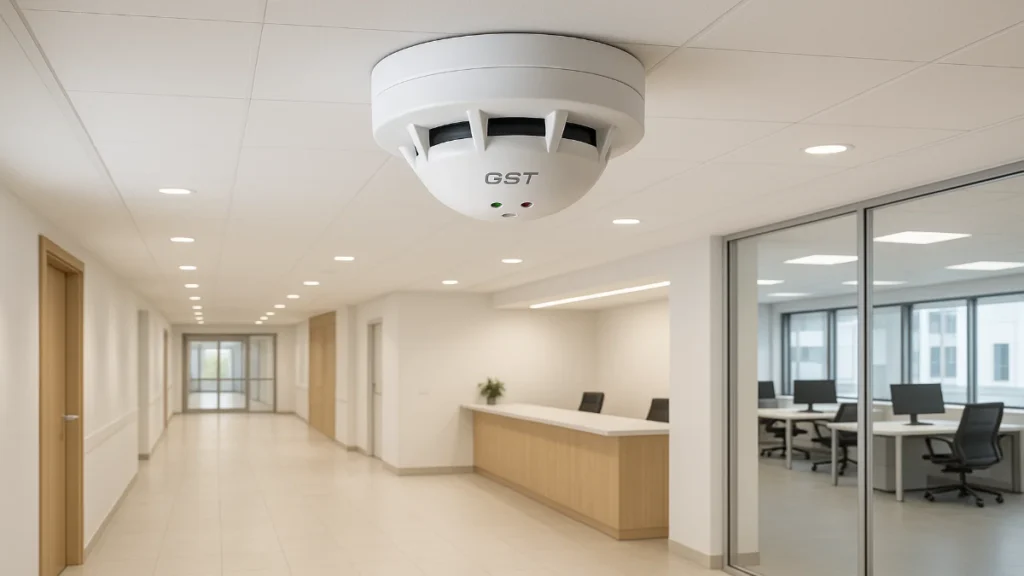
Fire detection technology is evolving quickly and one of the most significant advancements in recent years is the adoption of intelligent multi-sensor detectors. These detectors combine multiple sensing technologies, typically smoke, heat and sometimes CO (carbon monoxide), to provide faster, smarter and more reliable fire detection. Among the widely used options in commercial and industrial markets, the GST Intelligent Multi-Sensor Detector has gained attention because of its combination of advanced detection algorithms and compatibility with modern addressable fire alarm systems. In this article, you will learn what makes multi-sensor detectors essential, how GST’s intelligent design improves fire safety and where these detectors deliver the highest value. The goal is to help building owners, consultants, contractors and facility managers make informed decisions about deploying multi-sensor technology effectively. Understanding Intelligent Multi-Sensor Detection Traditional fire detectors rely on a single principle, either smoke, heat or gas detection. While functional, they come with certain limitations. For example, smoke detectors may trigger nuisance alarms in dusty or humid environments and heat detectors may respond more slowly to smouldering fires. Intelligent multi-sensor detectors solve this gap by combining more than one sensing element. Most commonly, they integrate optical smoke detection with rate-of-rise or fixed-temperature heat sensors. Some high-end versions may add CO detection to identify slow-burning fires earlier than smoke-based devices can. The intelligence comes from the built-in algorithms that evaluate patterns, analyse multiple parameters at the same time and make decisions based on real-time environmental data. This multi-dimensional approach significantly reduces false alarms while speeding up genuine fire detection. GST multi-sensor detectors follow this same advanced logic, using dual-sensor technology supported by their addressable fire alarm protocol. This makes them effective in a variety of challenging environments where conventional detectors fall short. Key Advantages of GST Intelligent Multi-Sensor Detectors A multi-sensor detector brings important benefits, especially when integrated into a professional fire alarm ecosystem. These strengths make multi-sensor detectors a reliable option, especially in settings where fire behaviour can vary. Best Use Cases for GST Intelligent Multi-Sensor Detectors Multi-sensor detectors are not meant for every environment, but they excel in areas where a single technology might struggle. Below are the situations where GST intelligent multi-sensor detectors perform best and offer long-term benefits. Hotels and Hospitality Spaces Hotels require detection systems that are both highly sensitive and free from nuisance alarms. Guests may use showers, hair dryers and steam-producing appliances, which often cause false alarms in traditional smoke-only detectors. The GST multi-sensor detector evaluates both smoke and heat trends, making it more accurate in distinguishing real fire conditions from humidity or steam. Guest rooms, corridors, reception areas and lounges benefit from intelligent detection because they have varied fire risks. The multi-sensor design offers stability, precise monitoring and quick alerts without unnecessary disruptions to guests or staff. The environment requires a well-balanced approach to sensitivity, making multi-sensor technology ideal. Hospitals and Healthcare Facilities Healthcare spaces are complex environments with sensitive equipment, oxygen cylinders, chemical storage rooms and patient areas that require continuous monitoring without disturbance. False alarms in hospitals can cause panic, interrupt patient care and delay critical operations. In this case, GST’s intelligent multi-sensor detectors offer a stable and reliable detection mechanism. The heat-and-smoke combination helps differentiate actual risks from operational activities such as warm airflows, disinfectant vapours or minor dust disturbances during cleaning. The detectors enhance safety in patient rooms, intensive care units, diagnostic centres, rehabilitation blocks and administrative floors. Their accuracy ensures uninterrupted operations and a safer environment for patients, visitors and staff. Corporate Offices and IT Workspaces Offices are ideal environments for multi-sensor technology because fire risks vary widely. Electrical rooms, conference halls, pantry spaces, cubicles and server areas have different fire signatures. Using individual smoke detectors alone may not provide comprehensive protection. Multi-sensor detectors work well in office settings because they respond quickly to smouldering fires caused by wires, appliances and electrical faults. They also help in large open spaces where air-conditioning can delay the buildup of smoke. The dual detection principle ensures faster identification of both slow and fast-developing fires. In workplaces with expensive hardware and high occupancy levels, intelligent detectors help ensure business continuity and protect valuable assets. Commercial Buildings, Malls and Complexes Large commercial buildings experience fluctuating occupancies and diverse fire risks, from retail stores and food courts to entertainment zones. A multi-sensor detector simplifies fire system design by reducing the need for different types of detectors in varied areas. Retail stores often generate dust when unpacking inventory. Food courts release heat and light smoke. Escalator spaces, basements and corridors experience airflow changes. The GST multi-sensor detector intelligently distinguishes between harmless environmental variations and real fire indicators. The detectors also integrate well with centralised addressable fire alarm panels, which is crucial for large properties where real-time monitoring and zone identification are necessary. Factories, Light Industries and Manufacturing Units Industrial environments often challenge traditional smoke detectors. Dust, fumes, temperature variations and machinery emissions can lead to false alarms and maintenance issues. While some zones may require heat detectors only, many indoor areas still need smoke detection. This is where multi-sensor detectors strike a balance. They deliver accurate detection without overly sensitive triggers. For example, in packaging areas, assembly lines, light manufacturing units, printing zones and certain warehouse sections, heat and smoke both play essential roles. The GST detector’s intelligence helps differentiate between operational processes and actual fire threats. When used strategically with industrial ventilation and housekeeping practices, multi-sensor detectors provide an effective solution for production facilities. Educational Institutions and Schools Schools and colleges face mixed environments, from classrooms and libraries to labs and auditoriums. These spaces need quick and accurate detection but cannot afford false alarms that interrupt ongoing sessions. Multi-sensor detectors reduce alarm disruptions caused by chalk dust, humidity or minor fumes from science labs. They also provide faster response in high-occupancy areas such as auditoriums, cafeterias and hostels, ensuring timely evacuation if needed. Their balanced sensitivity makes them highly effective across wide educational spaces. Warehouses, Storage Facilities and Logistics Buildings Warehouses store diverse materials, some of which
Why GST Fire Alarm Costs Less in Long-Term Maintenance
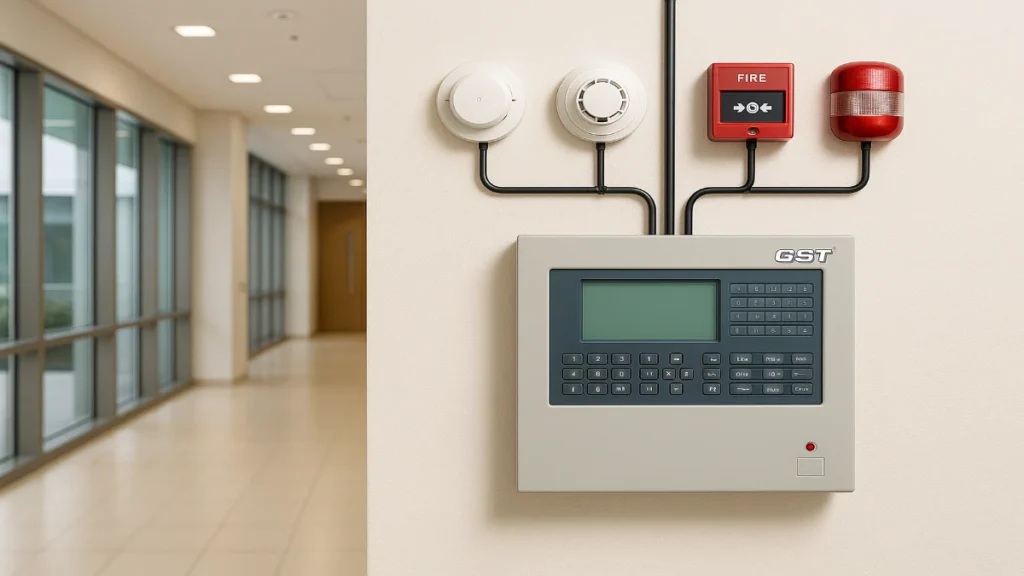
Fire protection is a crucial requirement for every commercial building, factory, warehouse, hospital, school and residential complex. While most people look at the initial price of a fire alarm system, the real financial impact comes from long-term maintenance costs. This includes servicing, calibration, spare parts, software updates, labour and routine inspections. Among the various fire alarm brands used in India, GST (Gulf Security Technology) has gained recognition for offering lower long-term maintenance costs. This is not because of promotions or marketing claims but due to practical and structural advantages built into the system’s architecture, device design and long-term reliability. This article explains in detail why GST fire alarm systems cost less to maintain, how they perform compared to general industry standards and what makes them a preferable choice for long-term operational cost savings. Understanding What Long-Term Maintenance Really Means Choosing a fire alarm system is not only about the price of the panel and detectors. Maintenance is an ongoing responsibility. Every building must follow the required inspection, testing and maintenance schedule to comply with fire safety norms. Long-term maintenance includes: The total cost depends on how stable, durable and user-friendly the system is over several years of use. This is where GST systems provide an advantage. Why GST Fire Alarm Systems Reduce Long-Term Maintenance Costs GST systems are widely used in medium and large-scale buildings because they help reduce operational and maintenance expenses over the life of the system. The following sections explain how. Flexible System Design Helps Avoid Costly Replacements GST panels and devices use a modular structure. When one detector or module becomes faulty, the rest of the system continues working without interruption. This means building owners don’t have to replace entire loops or multiple devices unnecessarily. The flexibility also allows technicians to isolate specific devices, perform repairs quickly and restore the system without causing downtime. This modular approach helps reduce long-term maintenance bills because only the damaged part requires attention, not the entire system. Strong Build Quality Ensures Long Life of Detectors and Modules Fire detection devices must work reliably for several years. Any weakness in build quality can lead to sensor failure, false alarms and frequent replacements. GST detectors and modules are engineered with strong casing materials, stable electronic boards and high-precision sensors. They perform consistently even in industrial environments where conditions are dusty, humid or subject to temperature variations. Durable hardware directly lowers long-term costs because devices do not need frequent replacement, recalibration or emergency servicing. Widespread Availability of Spare Parts Reduces Downtime and Cost One of the biggest advantages of GST systems in India is the easy availability of spare parts, such as: When spare parts are easily accessible, maintenance becomes faster and more affordable. Other brands sometimes require long waiting periods or higher costs for replacements, leading to longer downtime and increased expenses. GST’s wide distribution network ensures that spare parts are readily available across the country, which naturally reduces maintenance costs and prevents delay-related expenses. Lower False Alarm Rate Reduces Repeated Service Visits False alarms can be expensive for building owners. Each false alarm leads to: GST systems are designed with intelligent sensing algorithms that help distinguish between real fire conditions and disturbances like dust, steam or temperature fluctuations. A lower false alarm rate results in smooth building operations and saves significant maintenance costs over the years. It also increases system life because devices are not triggered unnecessarily. Power-Efficient Design Lowers Running Expenses Fire alarm systems run 24/7, which means their power consumption has a long-term financial impact. Devices that consume more loop current or panel power require larger batteries and frequent replacements. GST systems are designed to use low loop current and optimised standby power. This reduces the load on backup batteries and extends their life. In addition, lower power consumption results in reduced electricity usage over many years. Saving on electricity and battery replacements contributes to a noticeable reduction in long-term maintenance expenses. Simple Software Structure Reduces Technical Complexity Modern addressable systems depend heavily on programming and software configuration. Some systems require advanced software, hardware keys or certified specialists for even basic changes. GST takes a simplified approach where: When software maintenance is simple, buildings do not need to pay extra for specialists, complicated tools or extended technical sessions. This directly lowers ongoing maintenance costs. Expansion-Friendly Architecture Saves Cost as Buildings Grow Commercial properties often expand by adding new floors, rooms or utility spaces. A fire alarm system that cannot expand easily becomes more expensive in the long run because it requires partial or complete replacement. GST systems are built for scalability. Their architecture supports: This compatibility reduces long-term expenses because buildings can grow without replacing existing fire alarm infrastructure. How GST Compares with Typical Fire Alarm Brands in Maintenance Cost Every brand has strengths, but GST stands out in several cost-related areas. Below is a general and informational comparison reflecting common industry practices. Maintenance Aspect GST Fire Alarm (General) Other Brands (Typical) Spare part availability Widely available Limited in many regions Detector replacement cycles Long durability Varies widely False alarm frequency Low Often higher Software updates Easy Complicated Technician availability High Moderate Expansion cost Moderate Significantly higher Loop current consumption Low Moderate Emergency service needs Low Can be frequent These differences become more noticeable over a 5–10 year operational cycle, where GST systems tend to reduce maintenance-related expenses by a substantial percentage. Why Commercial Buildings Prefer Low-Maintenance Systems Like GST Modern commercial buildings have strict requirements for safety and operational continuity. Facilities such as hospitals, malls, factories, hotels, IT parks and warehouses cannot afford constant service interruptions. They choose GST systems because of advantages like: Low-maintenance systems not only reduce expenses but also improve building safety, compliance and operational efficiency. Common Real-World Situations Where GST Helps Lower Costs In practical scenarios, GST systems provide noticeable savings. For example: These kinds of everyday situations create long-term financial advantages for building owners. Key Areas Where GST Delivers Long-Term Savings While there are many technical factors, the most important reasons behind
How Much Does a Full GST Fire Alarm System Cost for a Commercial Building?
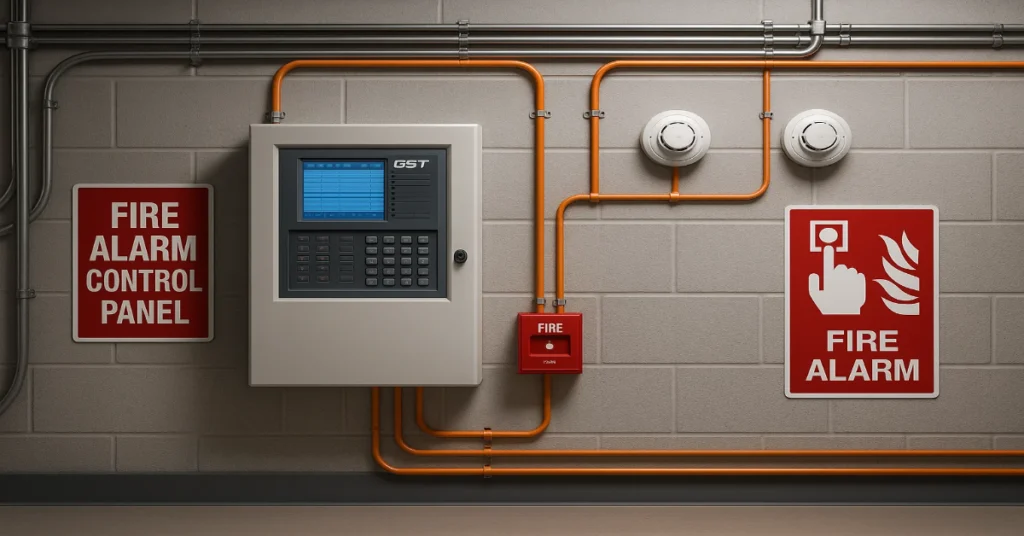
Fire safety is a legal requirement and a long-term investment for every commercial building. Whether you manage an office, warehouse, mall, hospital, school, hotel or manufacturing unit, installing a GST fire alarm system ensures early detection, quick evacuation and compliance with national fire norms. But the first question every buyer asks is:“How much does a full GST fire alarm system cost for a commercial building?” The truth is, there is no fixed price, because several factors decide the total investment. However, with proper understanding, you can estimate your budget correctly and avoid over-spending or under-planning. In this guide, you will learn: Understanding the GST Fire Alarm System A full fire alarm system is not a single device. It is a complete network of intelligent devices designed to detect smoke, heat, or fire and alert occupants. A typical GST addressable fire alarm system includes: Because each building is unique, the cost depends on: Full Cost Breakdown of GST Fire Alarm System (2025 Pricing) Below is a clear pricing structure to help you understand the total investment. GST Fire Alarm Panel Cost GST panels are available mainly in: Average Market Price (2025): The panel cost increases with loop capacity, built-in features, local standards and expansion requirements. Detector Costs (Smoke & Heat) Detectors are the primary sensors of the system. Commercial buildings usually use a combination of smoke detectors, heat detectors and multi-criteria detectors. Average Prices: Larger buildings require more detectors due to more rooms, corridors and specific fire-risk zones. Manual Call Points (MCP) Cost These are placed at exits and pathways for manual activation during fire. Average Price: Hooters, Sounders & Strobes Cost Sounders notify occupants, while strobes help in noisy or visually critical environments. Average Prices: Modules Cost (I/O, Relay, Monitor, Isolators) Modules integrate external systems like sprinklers, pumps, or gas suppression systems. Average Prices: High-rise and industrial buildings require more modules. Cabling, Conduits & Accessories Cost This is usually the hidden cost everyone forgets. Average Price Range: For multi-floor buildings, cabling cost becomes significant. Battery and Power Supply Cost Fire alarm panels must work during power failures. Average Prices: Labor, Installation, Commissioning & Programming Cost Skilled installation affects performance and compliance. Average Charges: Too low installation cost usually means compromise in quality. Total Cost Estimation Based on Building Size To simplify budgeting, here are realistic estimates. Cost for a Small Commercial Building (up to 10,000 sq. ft.) Typical Requirements: Estimated Total Cost: ₹1.2 Lakh to ₹2.4 Lakh (including installation) Ideal for: Cost for a Medium Commercial Building (10,000 to 40,000 sq. ft.) Typical Requirements: Estimated Total Cost: ₹3.2 Lakh to ₹7.5 Lakh Ideal for: Cost for a Large Building (40,000 sq. ft. to 1 lakh+ sq. ft.) Typical Requirements: Estimated Total Cost: ₹8 Lakh to ₹22 Lakh Ideal for: What Factors Increase or Reduce Cost? Why Costs Increase How to Reduce Cost Without Compromising Safety Why GST Fire Alarm Systems Are Preferred in Commercial Buildings GST (Gulf Security Technology) systems are widely used because they offer: For commercial buildings, this balance of reliability, affordability and scalability makes GST a leading choice for fire safety deployments. What Budget Should You Plan? To summarize, here is the complete budget range: Building Size Approx. Cost Small Commercial ₹1.2 Lakh – ₹2.4 Lakh Medium Commercial ₹3.2 Lakh – ₹7.5 Lakh Large Commercial ₹8 Lakh – ₹22 Lakh The total cost depends mainly on building size, number of devices, cable length and system complexity. GST fire alarm systems offer a flexible and reliable solution for every commercial requirement. If you plan your fire protection system wisely, you can achieve high safety standards without unnecessary expenditure. Read Also: Why GST 200N 1-Loop & 2-Loop Are the Highest-Selling Addressable Fire Alarm Panels in 2025 Read Also: Why Addressable Panels Are Becoming Popular in Factories
Why GST 200N 1-Loop & 2-Loop Are the Highest-Selling Addressable Fire Alarm Panels in 2025
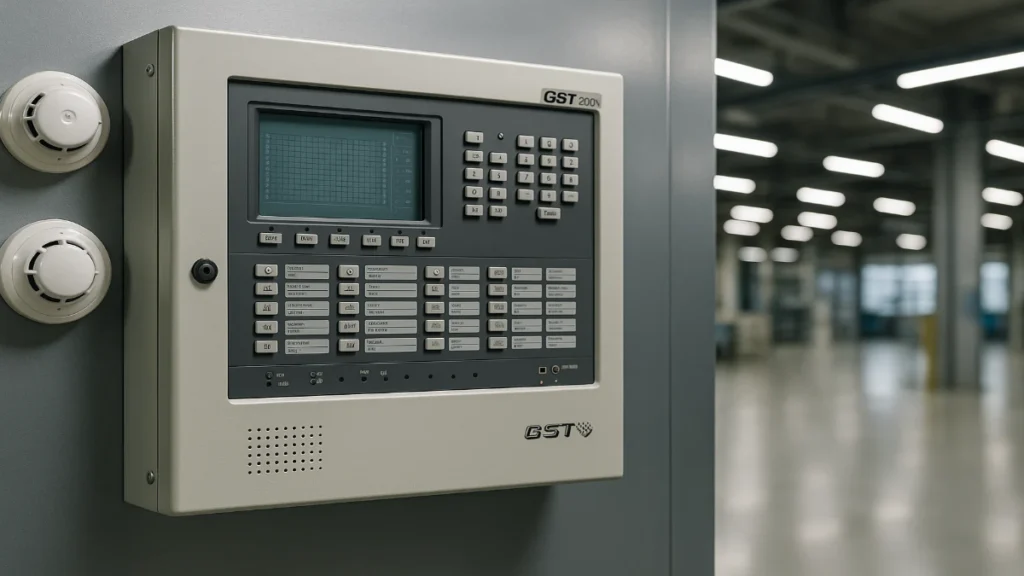
Fire safety technology has evolved rapidly in the last decade, but only a few fire alarm panels have consistently remained at the top of the market. Among them, the GST 200N 1-Loop and 2-Loop Addressable Fire Alarm Panels continue to dominate sales across India and several global regions. Facility owners, integrators, consultants and fire safety engineers regard these panels as reliable, cost-efficient and future-ready. But why exactly do these panels continue to be the highest-selling in their category? This detailed article breaks down the reasons, covering technology, design, performance, scalability, compatibility and practical use cases. 1. Understanding the GST 200N Addressable Fire Panel Before exploring why the GST 200N leads the market, it’s important to understand what it offers. The GST 200N series includes: Both versions are part of an intelligent addressable platform designed by Gulf Security Technology (GST), a widely trusted brand in the fire safety industry. The GST 200N provides: These features form the foundation, but market dominance requires more than technical specifications. Let’s break down what sets GST 200N apart. 2. Strong Market Trust and Proven Reliability One of the biggest reasons the GST 200N panel sells more than other addressable systems is its reliability in real-world environments. Fire alarm systems are mission-critical. When a fire event occurs, the system must respond instantly. GST 200N has earned a reputation for: In industries like manufacturing plants, data centres, hospitals and education institutions, reliability is more important than any other feature. The GST 200N has proven its consistency for years, making it a preferred choice for installations of all sizes. 3. Ideal Price-to-Performance Ratio Many addressable fire panels offer advanced features, but their pricing often makes them unsuitable for medium and small projects. GST fills this gap. The GST 200N offers high-end features at an accessible price, making it the best value in the addressable category. Integrators prefer it because: This combination places GST 200N in a sweet spot where both performance and affordability meet. 4. Flexible Loop Capacity for All Project Sizes GST’s 200N series offers two variants: GST 200N 1-Loop GST 200N 2-Loop This modular approach allows businesses to select the right capacity according to their project size and budget. 5. Wide Compatibility with GST Detectors & Modules Another reason the GST 200N sells exceptionally well is its large ecosystem of compatible devices: This ensures: Because GST accessories are widely available across India, integrators experience zero downtime during installation and maintenance. 6. Easy Installation & Commissioning Saves Time Fire safety engineers and system integrators prefer the GST 200N because it is: The panel uses clear labelling, simple loop wiring and a user-friendly interface. Even technicians who are new to addressable systems find the 200N series manageable. This reduces: Projects finish faster, which makes system integrators more efficient and more profitable. 7. High Scalability for Future Expansion GST systems are designed with long-term thinking. As buildings expand, fire systems must expand too. The GST 200N supports: This scalability makes the panel suitable for buildings that expect future growth. 8. Exceptional Build Quality and Long Service Life The GST 200N is designed using industrial-grade components that withstand: This durability makes it suitable for: Panels that last long naturally dominate the market. 9. Intuitive User Interface for Easy Monitoring The panel features: Security staff can quickly identify: This reduces response time during emergencies. 10. GST 200N Performs Exceptionally Well in Harsh Indian Conditions India has: GST products, including the 200N series, are tested to perform effectively under such conditions. This makes them more suitable for Indian buildings than some imported brands designed for colder, low-humidity climates. 11. Strong Distributor Network & Easy Support Availability Another reason for the GST 200N’s high sales volume is the robust service and distribution ecosystem. Across India, GST distributors ensure: Building owners feel confident when they know their fire system brand can be serviced quickly. 12. GST 200N Is Trusted Across Multiple Industries The GST 200N is widely installed across: This cross-industry adoption further boosts its credibility and sales. 13. Compliance with National and International Standards The panel follows multiple safety and performance standards. This ensures: Regulators and consultants trust GST because of its strong certification background. 14. Reduced Maintenance & Lower Cost of Ownership The GST 200N is engineered for: This significantly reduces operational expense, making it attractive for large buildings where maintenance costs add up quickly. 15. Why GST 200N Continues to Outperform Competitors Summarising its market dominance: These combined advantages make the GST 200N 1-Loop and 2-Loop panels the highest-selling addressable fire alarm panels in the market. Note: The dominance of the GST 200N is not accidental. It is the result of engineering excellence, long-term reliability and a deep understanding of what the Indian fire safety market needs. Whether it is used in a small retail shop or a massive industrial campus, the GST 200N continues to deliver consistent performance, making it the preferred choice for consultants, integrators and building owners. Its balance of technology, durability, value and ease of use ensures that it remains the bestselling addressable fire alarm panel even as newer technologies emerge. Read Also: Buy Fire Alarm Accessories (Modules, Hooters, Detectors) – Checklist Read Also: Buy GST Fire Alarm Panel Online in India
Buy Fire Alarm Accessories (Modules, Hooters, Detectors) – Checklist
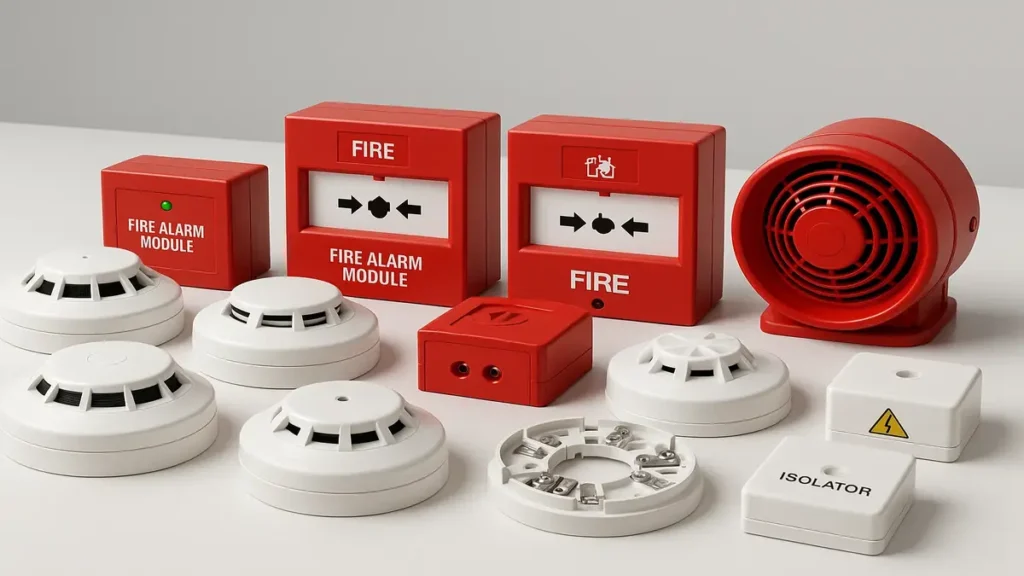
Fire alarm accessories are essential components of any modern fire safety system. These accessories help detect fire, alert occupants, communicate with the control panel and activate safety equipment. Whether you are setting up a new fire alarm system or upgrading an existing installation, choosing the right accessories ensures fast response, fewer false alarms and full compliance with fire safety norms. In 2025, the options available online have increased significantly. This makes buying easier, but also more confusing. Different brands, communication protocols, certifications and compatibility factors must be considered before making a purchase. This detailed guide explains everything you need to check before buying fire alarm accessories such as detectors, hooters, modules, isolators and MCPs so that your system stays reliable and compliant. Understanding Fire Alarm Accessories Fire alarm accessories work together to detect fire and respond instantly. Each accessory plays a unique role: Detectors These sense an abnormal condition such as smoke, heat, flame or gas.Common types include smoke detectors, heat detectors, multi-sensor detectors, beam detectors, gas sensors and flame detectors. Notification Appliances These inform occupants visually or audibly when a fire is detected.Examples include hooters, sounders, strobes and sounder-cum-strobes. Manual Call Points (MCPs) These allow any person to manually trigger the alarm in case of emergency. Modules Modules act as communication bridges between the fire alarm panel and external devices.Popular module types include input modules, output modules, monitor modules, relay modules, loop isolator modules and dual modules. Power & Installation Accessories Batteries, SMPS power units, mounting bases, back boxes, housings, relay bases and connectors all support the system’s operation. A fire alarm panel whether addressable or conventional works properly only when paired with the correct accessories. Checklist to Use Before Buying Fire Alarm Accessories (2025 Edition) This checklist ensures you buy the right components that match your building’s fire safety requirements. Panel Compatibility Compatibility is the most important factor. Check whether your panel is addressable or conventional. Accessories must match the panel’s operating method, communication protocol and wiring requirements. Addressable panels use unique communication languages. For example, GST addressable systems communicate on their own protocol. Accessories such as detectors, MCPs and modules must support the same protocol for error-free functioning. Conventional panels are simpler, but the voltage ratings and wiring style must still match. Using incompatible accessories can cause: Always confirm compatibility before purchase. Certification and Standards Fire alarm accessories should follow approved safety certifications. Look for: Certified devices provide reliable performance and smoother fire NOC approvals. Building Requirements Every building has different fire safety needs. The accessories you choose depend on the environment, occupancy and hazard level. Homes and Small Offices Smoke detectors and compact sounders are usually enough. Commercial Spaces Multi-sensor detectors, sounder-strobes and control modules are commonly required. Factories and Warehouses Heat detectors, beam detectors, industrial hooters and loop isolators are important due to harsh environments. Hotels and Hospitals Addressable systems with intelligent detectors offer better control and monitoring. Choosing accessories based on building type ensures accurate detection with minimal false alarms. Wiring and Voltage Needs Before buying any accessory, check the wiring method required. Fire alarm cables must be high-quality FRLS or FRLSH cables.Also confirm: Incorrect wiring can overload the panel or cause system failure. Brand Ecosystem Most fire alarm systems work best when accessories match the panel’s brand ecosystem. For example, GST addressable panels perform optimally with GST detectors, hooters, modules and loop isolators because the communication language is fully synchronized. Mixing accessories from multiple brands may cause: Matching accessories to your panel brand ensures safer and smoother system operation. Documentation and Installation Guides Always check whether the accessory comes with: These documents help installers avoid mistakes and allow easy troubleshooting. Spare Availability and Durability Fire alarm accessories should be durable and easy to replace. Check whether spare parts like detector bases, MCP glasses and batteries are easily available. The typical life of detectors is 8–10 years depending on the environment. How to Choose Each Type of Fire Alarm Accessory Below is a simple selection guide for key accessories. Choosing Detectors A detector must match the environment, temperature, risk zone and building layout. Smoke detectors work well in clean indoor environments, while heat detectors suit hot or dusty spaces. Multi-sensor detectors provide high accuracy in modern buildings. If you are using a GST system, choose detectors that follow the same addressable loop communication protocol for maximum stability. Choosing Hooters and Sounders Hooters should be selected based on sound level, usually 85–120 dB depending on the building. Sounder-cum-strobes are preferred in noisy areas or for visually impaired zones. Always check power consumption and voltage ratings. Choosing Modules Modules connect your fire panel with external devices such as sprinklers, smoke extract systems, fan controls, lifts and relays. Choose modules based on: Addressable modules must match the panel protocol. Choosing Manual Call Points MCPs should be easy to operate, clearly visible and durable. Options include break-glass and resettable types. Outdoor areas may need weatherproof MCPs. Choosing Batteries and Power Supplies Always choose SMF (Sealed Maintenance Free) batteries of the correct voltage and Ah capacity. Addressable panels require enough battery backup to run in standby mode for 24 hours and in alarm mode for at least 30 minutes. Common Mistakes to Avoid When Buying Fire Alarm Accessories Avoiding these mistakes ensures your system stays safe: Good planning helps avoid costly corrections. Why Many Buyers Prefer GST Accessories GST (Gulf Security Technology) is widely used across commercial and industrial buildings. Many buyers prefer using GST-compatible accessories because: Final Buying Checklist Keep this simple checklist in mind before you purchase: When all accessories are correctly selected and installed, your fire alarm system works smoothly and reliably. Read Also: Buy GST Fire Alarm Panel Online in India Read Also: 7 Fire Safety Innovations You’ll See in Every Building by 2030
Buy GST Fire Alarm Panel Online in India
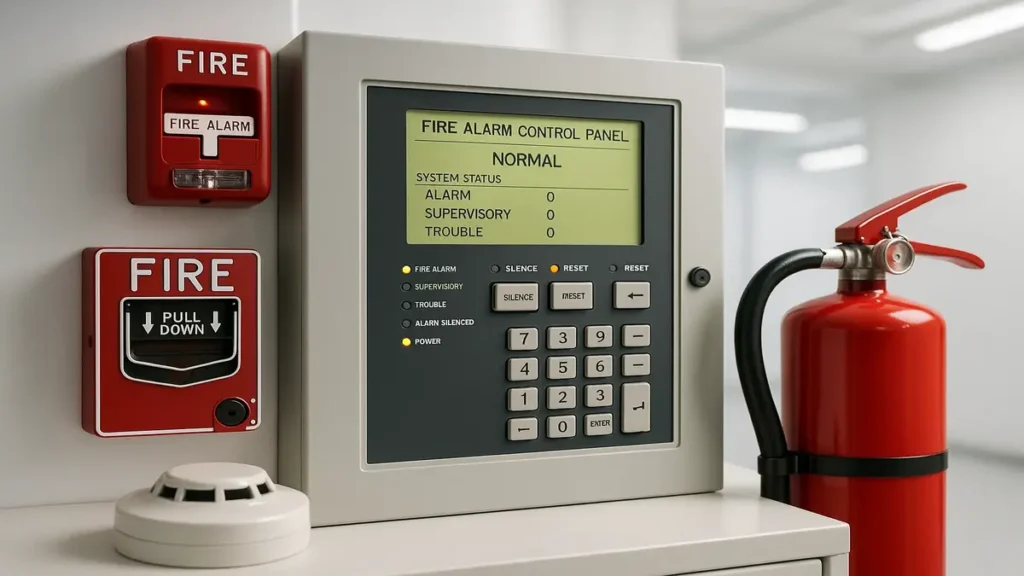
Fire safety has become a top priority for businesses, industries and commercial buildings in India. With rising compliance demands, updated fire norms and more awareness, organisations now prefer reliable fire alarm systems that offer accuracy and long-term stability. In 2025, buying a fire alarm panel online has become easier, faster and more transparent especially for well-known brands such as GST (Gulf Security Technology). This guide helps you understand everything you need to know before you buy a GST Fire Alarm Panel online in India in 2025, including features, compliance, types, pricing factors and where to buy. The goal is to make your decision simple, informed and safe. Why Buying Fire Alarm Panels Online Has Become Popular in 2025 A few years ago, customers avoided buying fire alarm systems online due to trust issues and lack of technical clarity. But in 2025, the buying process has changed significantly. Here’s why: 1. Transparent Product Information Online platforms now provide detailed specifications, compliance certificates, user manuals and device compatibility charts. This helps customers compare and choose without confusion. 2. Verified Dealers Authorised dealers like Innxeon ensure genuine GST products, updated models, warranty coverage and expert guidance. This reduces the risk of counterfeit or incompatible devices. 3. Easy Price Comparison You can compare prices across multiple marketplaces, dealers and websites. This helps in budgeting and selecting the right configuration. 4. Faster Delivery and Installation Support Online dealers now provide: This creates a complete buying ecosystem for businesses. 5. Better Availability of Stock Unlike offline stores, online dealers maintain updated inventory data. This saves time, especially for urgent projects or fire NOC requirements. Understanding GST Fire Alarm Panels GST fire alarm panels are used in: They are known for their stability, device compatibility, fault monitoring and addressable technology options. Types of GST Fire Alarm Panels Available Online in 2025 When you plan to buy a GST fire alarm panel online, you will usually find two main categories: 1. GST Conventional Fire Alarm Panels These are suitable for: Common features include: 2. GST Addressable Fire Alarm Panels These are designed for: They offer: Addressable panels are popular in India because they help buildings comply with: What to Check Before Buying a GST Fire Alarm Panel Online in India (2025 Checklist) Buying online can be convenient, but you must check the right details before placing an order. Here is a complete checklist to help you make the best choice. 1. Check Product Authenticity Ensure that: Innxeon, for example, is an authorised dealer of GST in India, which ensures product authenticity and after-sales support. 2. Confirm Compatibility With Detectors & Modules Because GST has different series of devices, always check: This ensures your existing or new system runs smoothly. 3. Ask for Compliance Certificates Fire systems must align with Indian safety standards. Request: This is especially important for commercial buildings undergoing audits. 4. Look for Technical Support Availability A fire panel is a long-term device, so choose a seller offering: This ensures that the system remains stable and efficient. 5. Compare Prices Across Certified Platforms Online pricing can vary. Compare: Avoid prices that look unrealistically low, they often indicate counterfeit products. 6. Check Delivery Location & Time Large panels are sensitive equipment. A good dealer will offer: This becomes even more important for urgent fire NOC projects. 7. Verify Return/Replacement Policy Since fire alarm panels are technical equipment, choose sellers with: Why Many Buyers Prefer GST Panels in 2025 Businesses prefer GST fire alarm systems because they offer balanced performance and long-term stability. Here are the factors that make GST a widely chosen brand in India: These points help organisations make more confident buying decisions. How Much Does a GST Fire Alarm Panel Cost in India in 2025? (General Overview) Pricing varies based on: General price idea: For accurate pricing, genuine dealers like Innxeon provide updated quotes depending on your requirement. Where to Buy GST Fire Alarm Panels Online in India (2025) When shopping online, always choose verified and authorised sellers. Recommended type of sources include: Innxeon, being an authorised GST dealer in India, provides genuine GST fire alarm panels, approved accessories and technical support through online purchase channels. Steps to Buy a GST Fire Alarm Panel Online Here’s a simple step-by-step guide for first-time buyers: Step 1: Identify your building type Determine whether you need: Step 2: Finalise detector count & wiring layout This helps determine the right panel model. Step 3: Confirm device compatibility Check if the selected panel supports: Step 4: Choose an authorised seller This guarantees authenticity and proper documentation. Step 5: Request a quote or add to cart Select your required model and proceed. Step 6: Check warranty and support terms Ensure you understand the service process. Common Mistakes to Avoid When Buying Fire Alarm Panels Online Many buyers face problems due to small mistakes. Avoid these issues to ensure a smooth purchase. 1. Buying from unverified sellers Low prices can often indicate fake products. 2. Ignoring compatibility Different GST series have specific loop capacities. 3. Not checking delivery timelines This is important for project deadlines and fire audits. 4. Buying without proper technical guidance If unsure, always consult an expert or authorised dealer. Benefits of Buying From an Authorised GST Dealer Like Innxeon Innxeon provides these benefits as an authorised GST dealer in India. The Future of Buying Fire Alarm Panels Online in India By 2025, the online fire safety industry has matured significantly. Here’s what customers can expect in the coming years: 1. Better customization tools Customers may soon configure systems online before buying. 2. Faster delivery services Logistics networks are improving for fragile and sensitive devices. 3. More clarity in specifications Brands and dealers now offer transparent technical information. 4. Centralised helpline and online technical guidance Support will become even more accessible. Buying a GST fire alarm panel online in India in 2025 has become easier, safer and more reliable thanks to authorised dealers, transparent information and better digital platforms. Whether you need a small conventional panel for your
Why Addressable Panels Are Becoming Popular in Factories
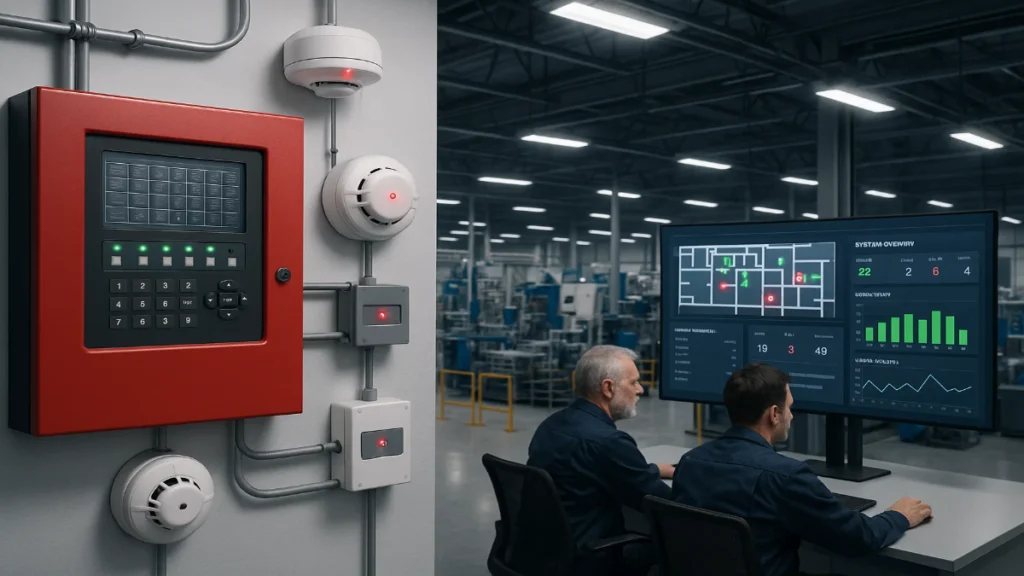
Industrial facilities have always operated in high-risk environments. With heavy machinery, high-energy electrical systems, chemicals and continuous production cycles, factories face a greater need for real-time fire protection than most other buildings. As industries continue to adopt automation and smarter systems, fire safety technology is evolving as well. One major shift happening across manufacturing plants is the growing preference for addressable fire alarm panels over traditional conventional systems. Factories are choosing addressable panels because they offer better accuracy, faster response, easier maintenance and long-term cost benefits. They also align with modern safety compliance standards and the increasing push toward Industry 4.0. In this detailed article, we’ll explore why addressable panels have become the new standard in industrial fire safety and how brands like GST (Gulf Security Technology) provide reliable, advanced options widely used across factories. Understanding the Basics: What Makes Addressable Panels Different? A traditional fire alarm system only tells you which zone has a fire. This is a big limitation in industries where zones can be large, complex and full of equipment. Addressable panels work differently.Every device like detector, manual call point, module has a unique address. So when a fire starts, the panel shows the exact device that triggered the signal. Simple Example In a factory, this difference saves time, reduces confusion and allows teams to respond precisely where needed. Why Factories Are Rapidly Shifting to Addressable Fire Alarm Panels Factories operate under high pressure to reduce downtime, maintain safety and follow strict compliance guidelines. Below are the key reasons why addressable panels are becoming the preferred choice across industries. 1. Real-Time Visibility and Pinpoint Accuracy Factories often have: In such environments, knowing the exact fire point is crucial. How Addressable Panels Help In industries like pharmaceuticals, textiles, chemicals, food processing and metal manufacturing, this level of detail prevents accidents from turning into disasters. 2. Faster Response Helps Reduce Downtime Every minute of downtime costs factories money. Traditional panels can delay response because the fire team must search the entire zone to identify the issue. Addressable systems speed up emergency response by: In an environment where downtime translates to financial loss, this is one of the biggest reasons factories prefer addressable panels. 3. Intelligent Detection Minimizes False Alarms False alarms interrupt production. They force evacuation, cause unnecessary panic and sometimes stop machinery that must not shut down abruptly. Addressable panels use intelligent algorithms that: Brands like GST offer multi-criteria detectors as informational examples, which combine optical and heat sensing to reduce false alarms, extremely important in dusty or high-temperature environments. 4. Better Safety Compliance and Audit-Ready Reporting Factories must comply with: Addressable systems make compliance simpler through: Most modern addressable panels, including systems provided by GST, generate detailed logs that help factories during audits without spending hours collecting data manually. 5. Scalable and Future-Ready for Expanding Factories Industrial facilities grow over time. Production lines expand, new sections open and additional machinery gets installed. Conventional panels often struggle with scalability because they require rewiring entire zones. Why Addressable Panels Work Better for Expansion This scalability is a major reason factories planning long-term investments prefer addressable solutions. 6. Reduced Maintenance Time and Cost Factories operate non-stop, which means fire systems must stay functional without disruptions. How Addressable Panels Simplify Maintenance Instead of shutting down large zones or spending hours searching, technicians directly address the problem. This saves time and reduces workforce costs. 7. Integration With Modern Industrial Automation (Industry 4.0 Ready) Factories today are moving toward smart, automated ecosystems. A fire alarm system is no longer an isolated unit, it must work with: Addressable panels support seamless integration because they are software-friendly and communication-ready. As an informational example, GST’s addressable panels support networking and integration interfaces, allowing factories to centralize control and improve emergency response workflows. 8. Early Warning and Prediction-Based Monitoring Some addressable systems offer advanced features such as: Factories that deal with flammable chemicals, paper products or electrical machinery benefit greatly from such predictive analysis. These features help identify risks before they turn into a fire, making the workplace safer and more secure. 9. Better Reliability in Harsh Industrial Environments Factories expose devices to: Addressable systems are built to withstand industrial conditions better than traditional ones because: These features make addressable technology more reliable in demanding environments. 10. Long-Term Cost Efficiency While conventional systems may appear cheaper initially, they become more expensive in the long run due to: Addressable panels reduce these long-term costs through: For factories operating on tight budgets and long-term planning, addressable panels prove to be a better investment. Where Addressable Panels Fit Best in Factories Addressable systems enhance safety in almost every industrial area, including: 1. Production Lines Machinery and equipment generate heat, sparks, and electrical loads that require precise monitoring. 2. Hazardous Storage Zones Areas with chemicals, flammable liquids or raw materials benefit greatly from fast, accurate fire detection. 3. Electrical Rooms Addressable heat detectors help identify overheating panels, transformers and motors. 4. Warehouses and Loading Areas Large spaces require zone-free detection for faster emergency response. 5. Control Rooms Integration with other automation systems improves incident handling. 6. High-Ceiling Manufacturing Halls Special sensors offer better performance in complex spatial layouts. Why Many Factories Use GST Addressable Panels Factories often choose GST’s addressable solutions because they offer: Challenges Factories Solve by Switching to Addressable Panels Switching from conventional to addressable systems solves major industrial safety challenges: Addressable systems help industrial teams work more efficiently and keep production running smoothly while ensuring worker safety. Future Trends: Why Addressable Technology Will Continue to Dominate As industries continue to adopt smart technologies, addressable fire alarm systems will play an even bigger role. Future trends include: Factories looking for long-term safety infrastructure already see addressable panels as the foundation for future-ready fire protection. Note: Addressable fire alarm panels are becoming popular in factories because they offer precision, speed, scalability and long-term efficiency, qualities essential in modern industrial environments. Their ability to integrate with automation systems, reduce false alarms and support predictive monitoring makes them a superior choice
The Most Cost-Efficient Fire Safety Setup for 2025
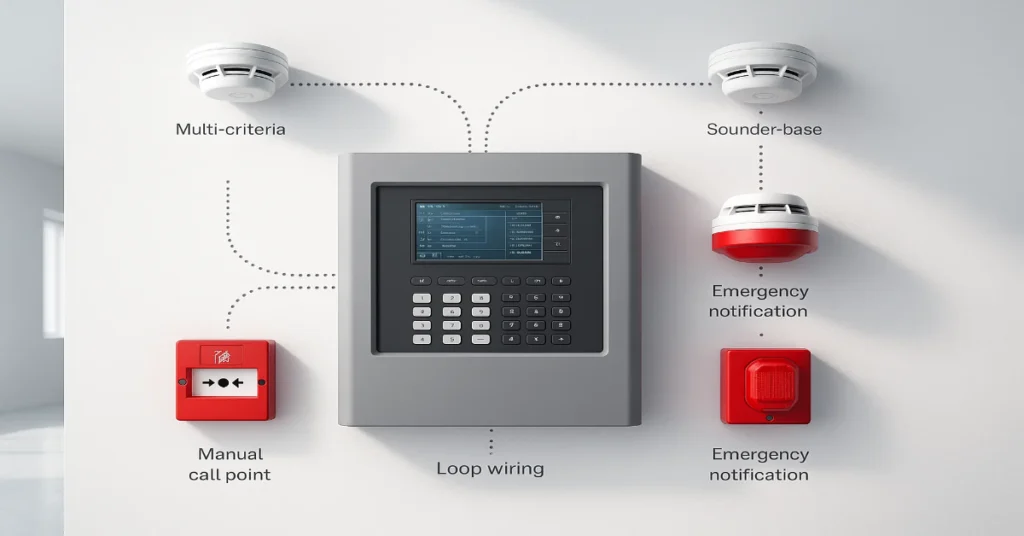
Fire safety standards are getting stricter, technologies are evolving faster and building owners today want systems that protect people without increasing long-term operational costs. As 2025 begins, one question rises in almost every commercial, industrial and residential project: “What is the most cost-efficient fire safety setup that actually works in the long run?” Cost-efficiency is no longer about choosing the cheapest equipment. It is about choosing a system that reduces installation cost, minimizes false alarms, lowers maintenance expenses, avoids downtime and meets compliance requirements without last-minute spending. This detailed guide breaks down the smartest and most financially sustainable fire safety setup for 2025, explains how modern technologies reduce costs and highlights where brands like GST (Gulf Security Technology) fit in. Why Cost-Efficiency Matters More Than Ever in 2025 Buildings today are becoming more complex, energy-efficient and automated. Fire risks come not only from flames but also from: At the same time, project budgets are shrinking and operation teams are under pressure to reduce recurring service costs. A cost-efficient fire safety setup helps in: ✔ Lower installation expenses Better architecture, optimized wiring and modular systems reduce project cost. ✔ Minimum false alarms False alarms waste manpower, cause panic and invite penalties in many cities. ✔ Low maintenance overheads A system that is easy to test and service cuts yearly service cost drastically. ✔ Faster issue detection Modern panels identify exactly where the fault is, saving hours of manpower. ✔ Compliance without extra spending When a system meets EN standards, local regulations and NOC requirements, owners avoid repeated modification costs. ✔ Long-term savings A high-quality system survives for 10–15 years, reducing replacement frequency. In short, a cost-efficient setup is not basic or cheap, it is smart, scalable and low-maintenance. Core Components of a Cost-Efficient Fire Safety Setup To build a financially sustainable fire protection system, you need a well-balanced combination of: Let’s break down each element and understand how to make cost-efficient choices. 1. Choose Addressable Systems Over Conventional Systems Why Addressable is More Cost-Efficient in 2025 Initially, addressable panels seem costlier, but their lifetime savings are significantly higher because: ✔ Faster installation due to loop wiring Addressable devices run on a loop instead of individual wiring, reducing cable costs. ✔ Pinpoint identification The system shows the exact detector that triggered an alarm.Result: zero time wasted searching floors and rooms. ✔ Lower troubleshooting cost Faults, wiring issues, and device failures are identified automatically. ✔ Scalable as your building grows You can add devices, floors, or zones without replacing the entire panel. ✔ Minimum false alarms Addressable detectors are more intelligent and less sensitive to dust, moisture and small disturbances. Note: Brands like GST include addressable panels widely used in commercial and industrial projects because of their stable loop architecture and large device support. 2. Use Multi-Criteria Detectors Instead of Single-Sensor Devices Traditional smoke detectors easily give false alarms due to: Multi-criteria detectors analyze a combination of smoke, heat and sometimes CO levels. This makes them more reliable and more cost-efficient. Benefits of Multi-Criteria Detectors Over 10 years, a multi-sensor detector saves several times its cost in unwanted alarm prevention. 3. Modular Fire Alarm Panels for Future-Proof Savings A modular panel allows you to add cards, loops and communication modules only when required. Cost Advantages This is especially beneficial for: Note: GST addressable panels are known for their modular structure, enabling cost-efficient scalability. 4. Use Loop Isolators to Prevent Entire-System Failure Loop isolators are small devices that isolate short circuits.Without them, a single line fault can shut down the entire system. Cost-Saving Benefits For large buildings, loop isolators are essential and save money over time. 5. Choose Sounder-Base Detectors for Faster Installation Installing separate sounders, detectors and bases increases: Sounder-base detectors combine these into one device. Advantages Modern projects prefer these for time and labor savings. 6. Use Addressable Manual Call Points With LED Indicators Addressable MCPs provide accurate signaling, help in faster emergency communication and reduce inspection effort. Cost-Efficiency Their LED indicators also help easily identify active units. 7. Invest in Long-Life Batteries and Smart Power Management Many people try to save cost by choosing inexpensive batteries, but these end up failing quickly. In 2025, the best cost-efficient approach is: Benefits UPS-backed fire panels also reduce load on batteries and extend their life. 8. Integrate Fire and Building Automation When fire safety connects with building automation, the system becomes more efficient and reduces manual work. Examples Cost Advantage This reduces the need for separate manual interventions and prevents property damage during an emergency. 9. Remote Monitoring for Reduced Manpower Cost In 2025, remote monitoring is one of the biggest cost savers. Central monitoring software allows: When issues are identified early, on-site visits reduce by 40–50%. Note: Brands like GST support various remote monitoring tools that improve system oversight without increasing cost. 10. Regular Preventive Maintenance to Avoid Heavy Repairs Preventive maintenance avoids large breakdowns and extends life. A cost-efficient schedule includes: Smart panels help automate these reminders, reducing the workload on teams. The Most Cost-Efficient Setup for 2025 (Complete Formula) Below is a practical configuration that balances cost, safety and long-term performance: ✔ Addressable fire panel with modular expansion Reduces wiring and future upgrade cost. ✔ Multi-criteria smoke/heat detectors Lower false alarms = lower service bills. ✔ Sounder-base detectors or integrated notification devices Simplifies wiring and installation. ✔ Addressable manual call points with indicators Ensures faster emergency response. ✔ Loop isolators at correct intervals Protects the system and reduces repair cost. ✔ Long-life SMF batteries + smart charging Less frequent replacements, better reliability. ✔ Remote monitoring software Lower manpower cost, faster detection of issues. ✔ Clean agent suppression (optional based on building type) Ideal for server rooms, labs, or electrical spaces. ✔ Regular preventive maintenance Ensures devices last long and stay compliant. This combination is the most cost-efficient because it reduces: Where Brands Like GST Fit In GST (Gulf Security Technology) is widely used in many markets because the brand manufactures: Their systems are often selected in cost-conscious projects because of