
7 Fire Safety Innovations You’ll See in Every Building by 2030
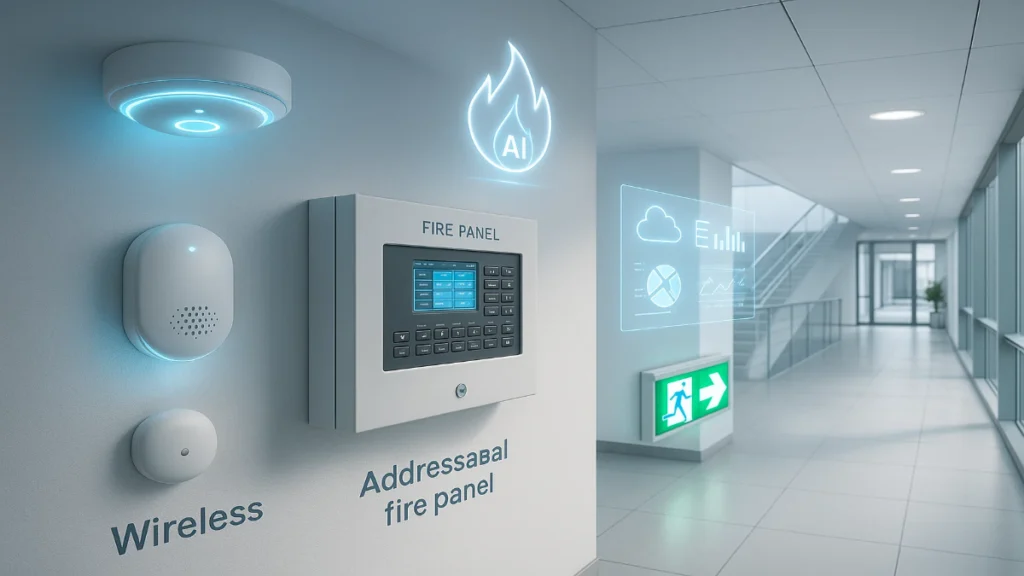
Fire safety is transforming faster than ever. With smart buildings, AI-driven systems and stricter compliance standards, the way buildings detect, respond to and prevent fire hazards is undergoing a major shift. By 2030, most commercial, residential and industrial buildings will rely on intelligent, future-ready systems instead of traditional manual solutions. This article explores seven major fire safety innovations expected to become standard worldwide by 2030. These trends are driven by new technologies, global safety regulations and manufacturers like GST (Gulf Security Technology) introducing more advanced fire detection and alarm solutions suitable for modern building needs. The goal is to help facility managers, building owners, consultants and safety engineers understand what’s coming and how to prepare. Why Fire Safety Is Changing So Rapidly Several major factors are influencing the shift toward smarter fire safety: By 2030, fire alarm systems will not just detect a fire, they will predict, communicate and automatically coordinate safety actions. 1. AI-Enabled Fire Detection Systems Traditional fire alarm systems respond only when smoke, heat or flames reach a certain threshold. But by 2030, AI-enabled detection will become standard in most buildings. How AI-Based Detection Works Artificial intelligence analyzes multiple data points in real time: AI can detect fire far earlier than humans or conventional detectors. Why This Will Be Standard by 2030 Role of GST GST already integrates intelligent algorithms in detectors and addressable systems. By 2030, AI-driven features will become more mature and universal. 2. Smart Addressable Panels With Predictive Maintenance Smart addressable panels have already replaced many conventional systems. But by 2030, they will go further with predictive maintenance, meaning they will detect internal faults before they cause device failures. Features You Will See Why This Matters Predictive maintenance helps facility teams fix issues before the system breaks down. This prevents: GST’s Contribution GST’s addressable panels already include real-time loop diagnostics and device tracking, setting the foundation for predictive maintenance standards expected by 2030. 3. Cloud-Based Fire Monitoring & Remote Management By 2030, buildings will no longer rely only on control rooms. Cloud-based monitoring will allow: All accessible from smartphones, tablets or any secure web dashboard. Why Cloud Fire Safety Will Become Mandatory GST and Cloud Integration Many GST systems are already compatible with centralized monitoring software. As cloud adoption grows, such systems will become standard in every large building. 4. Multi-Criteria Detectors for Zero False Alarms False alarms cause huge losses in industries, hotels, malls and hospitals. That’s why multi-criteria detectors, which analyze multiple fire indicators, will be common by 2030. These detectors combine: Together, these ensure accuracy with near-zero false alarms. Why All Buildings Will Use This GST’s Product Evolution GST already manufactures multi-sensor detectors used in airports, high-rise buildings and industries. Technology will only become more advanced by 2030. 5. Integrated Fire Safety with BMS, Access Control & IoT By 2030, fire safety will be fully integrated with other building systems through IoT, BACnet and Modbus protocols. In a fire event, systems will automatically: This creates a coordinated response, reducing confusion and human errors. Why Integration Will Be Universal GST’s Integration Capability GST addressable panels support integrations with BMS and IoT-based fire coordination, a feature that will be expected in all buildings by 2030. 6. Wireless Fire Detection Systems for Old & Complex Buildings Wireless fire alarm technology will grow massively due to the rising need for: Why Wireless Will Be Everywhere Installing wired loops is expensive and often impossible in: Wireless systems speed up deployment and allow fast reconfiguration. Future Wireless Innovations Expected by 2030 GST’s Technology Direction GST already produces wireless and hybrid alarm solutions. By 2030, these systems will meet the same standards as wired panels. 7. Voice Evacuation & Intelligent Emergency Messaging Voice evacuation will replace traditional sirens in most modern buildings by 2030. Why Voice Evacuation Is More Effective Instead of just a bell ringing, systems can announce: Advanced Features Coming by 2030 GST & Intelligent PA/VA GST’s addressable systems already integrate with PA/VA for smart evacuation, creating a strong foundation for the advanced voice-based solutions coming in the next decade. Fire Safety Data Will Drive Smarter Building Designs By 2030, fire safety systems will collect and analyze huge amounts of data that architects and safety engineers can use to: Data-driven fire engineering will reduce risks before a fire even happens. What Building Owners Should Do Today To prepare for 2030 fire safety standards, building owners and developers should start: Selecting brands like GST, known for reliable, standards-compliant fire systems can make upgrades smoother and more future-ready. The Future of Fire Safety Is Intelligent, Integrated & Predictive By 2030, every building from small offices to mega malls will depend on advanced, AI-enabled fire safety systems. These innovations will reduce risks, save costs and ensure faster emergency responses. The transformation is already underway. With manufacturers like GST continuously improving their technologies, buildings can now adopt smarter detection, faster communication and more automated evacuation processes. If you are designing, renovating or managing a property, investing in future-ready fire safety solutions today will ensure your building stays compliant, protected and technologically ahead in the coming decade. Read Also: How to Future-Proof Your Fire Alarm System Using GST Panels Read Also: How GST Panels Help You Get Fire NOC Faster
How to Future-Proof Your Fire Alarm System Using GST Panels
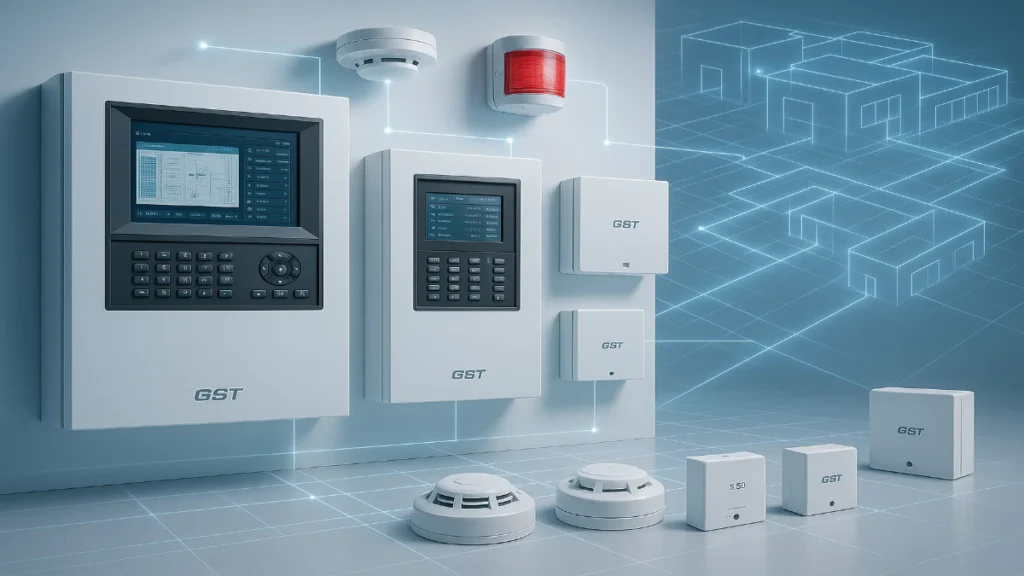
Fire safety is no longer limited to simple detection and alarm triggers. Modern buildings whether commercial, industrial, retail or residential need fire systems that can adapt, scale and remain reliable as infrastructure evolves. Technology changes fast and so do fire safety standards. That’s why future-proofing your fire alarm system has become essential for long-term safety and compliance. Among the available fire alarm solutions, GST (Gulf Security Technology) stands out for building future-ready, scalable and intelligent fire alarm panels. GST’s addressable and conventional systems are designed to support long-term growth, new device integrations, digital monitoring and industry certifications making them ideal for projects that demand safety today and flexibility tomorrow. This detailed guide explains how you can future-proof your fire alarm system with GST panels, what features matter the most and why the right system ensures lower maintenance costs and better compliance for years to come. Why Future-Proofing Your Fire Alarm System Matters Future-proofing means preparing your fire detection system to adapt to new requirements without major replacements. Here’s why it has become so important: 1. Rapid Technology Upgrades Fire alarm technology now includes smart communication, networking, AI-enabled analytics, cloud monitoring and more. If your panel cannot accommodate technology upgrades, you will be forced to replace the entire system later. 2. Evolving Building Layouts Renovations, expansions and interior redesigns are common in malls, hospitals, offices, hotels, warehouses and factories. A rigid fire alarm system cannot adjust to such changes. 3. Increasing Compliance Requirements Indian fire norms increasingly align with international standards. A flexible system like GST ensures continuous compliance with progressive rules. 4. Long-Term Cost Savings A future-ready fire system minimizes replacement costs, reduces downtime and avoids expensive rewiring during upgrades. 5. Better Safety Over Time A scalable and intelligent system ensures faster detection, quicker evacuation and more accurate alerts as new sensors or technologies become available. Why GST Panels Are Built for the Future GST has designed its panels with long-term adaptability in mind. Whether it’s addressable panels (like GST200, GST100, GST5000 Plus) or conventional panels, each system is engineered to remain relevant for years through modularity, flexible architecture and compatibility with wide product families. Here’s how GST ensures future-proofing: 1. Modular Architecture for Easy System Expansion The biggest advantage of GST panels is their modular architecture. You can add or remove modules based on site requirements, which reduces unnecessary costs. GST modules that support future expansion: Because GST panels are modular, a small system can grow into a multi-building setup without reinstalling everything. This is essential for malls, corporate offices, warehouses, IT parks, townships and manufacturing plants that expand over time. 2. Wide Compatibility with GST Detectors and Field Devices GST provides one of the most complete ecosystems of detectors, modules and notification devices. This makes future upgrades simple and cost-effective. Compatible GST Devices Include: Because all these devices come from the same brand ecosystem, integration becomes smooth and future expansion remains hassle-free. 3. Scalable Loop Capacity for Long-Term Growth GST addressable panels offer strong loop capacity to support a large number of devices: A single loop can cover multiple floors or sections and additional loops can be added as the building grows. 4. Smart Networking for Multi-Building Campuses Future-proofing is impossible without reliable networking. GST supports advanced networking that allows multiple panels to communicate across a large site. GST networking advantages: This is especially beneficial for IT parks, universities, malls, hotels, airports and industrial plants. 5. Built-In Diagnostics and Self-Testing Features Future-proof systems must be easy to maintain. GST panels reduce downtime through: These features allow technicians to identify issues early and reduce annual maintenance costs. 6. International Standards and Certifications A future-ready system must follow global standards for safety and compliance. GST products are compliant with: Using an internationally certified panel ensures your system remains compliant for decades even when laws evolve. 7. Integration-Friendly Design Future buildings focus on automation. GST supports integration with: This flexibility protects your investment as buildings adopt smart technologies. 8. Designed for Power Efficiency and Climate Reliability For India’s climate and frequent power fluctuations, GST offers: This ensures long-term durability and reduces the need for frequent hardware replacements. How to Future-Proof Your Building Using GST Panels Here are practical steps to build a system that stays reliable for 10–15 years or more. Step 1: Choose an Addressable System Over Conventional If your goal is future-readiness, addressable systems offer: GST’s addressable panels are ideal for sites that will grow over time. Step 2: Plan for Extra Loops and Extra Capacity Even if you don’t need them now, choose a panel with expansion capability. Example:If your building needs 2 loops today, choose GST200N which supports loop expansion. Step 3: Use Compatible GST Modules for Integrations Add I/O modules during commissioning to keep the system automation-ready. This allows easy integration later without panel replacement. Step 4: Add Loop Isolators for Better Fault Tolerance Isolators help the system continue working even if a section of the loop fails. This enhances long-term reliability. Step 5: Implement Networkable Architecture If you anticipate building expansion, select GST networking panels. You can connect multiple buildings without changing the entire system infrastructure later. Step 6: Invest in Certified Devices Always use EN54-certified GST detectors and modules. They last longer, reduce false alarms and support compliance for years. Step 7: Plan a Preventive Maintenance Schedule Future-proofing is not only about hardware but also long-term care. A yearly maintenance plan should include: GST panels support all these diagnostics smoothly. Top GST Panels Best Suited for Future-Proof Installations GST200N Addressable Panel GST5000 / GST5000 Plus GST100 Addressable Panel GST Conventional Panels Long-Term Benefits of a Future-Proof GST Fire Alarm System When you adopt GST, you secure your fire system for the next decade: Future-proofing your fire alarm system is not an optional strategy, it’s a smart, essential step for long-term safety, compliance and financial efficiency. GST panels provide all the essential features needed to build a forward-compatible fire alarm system, including scalability, integration, diagnostics, networking and global-certified reliability. Whether you’re installing a new
Budget-Friendly GST Fire Panel Options for Small Businesses

Fire safety is not optional, especially for small businesses that operate with limited staff, tight budgets and high dependency on uninterrupted daily operations. One small incident can cause severe damage to property, inventory and reputation. This is where a reliable fire alarm control panel becomes crucial. But here’s the challenge… Many small businesses hesitate to invest in a fire alarm system because they assume it is expensive, complicated and difficult to maintain. The truth is very different. In 2025, several GST fire panel options offer affordable pricing, strong performance and easy installation, making them ideal for retail shops, offices, small warehouses, cafés, schools, clinics and similar setups. This guide explains everything small business owners need to know, including: Let’s get started. Why Small Businesses Need a Reliable Fire Alarm Panel Even small properties have fire risks; kitchens, storage areas, electrical rooms and AC units can spark emergencies. A dependable fire alarm panel helps: Small businesses do not need highly advanced systems used in large industries. However, they must choose a panel that is certified, stable and compatible with essential detection devices. GST offers a balanced mix of affordability and reliability, which is why many small commercial spaces prefer it. Why GST Panels Are a Smart Budget Choice GST (Gulf Security Technology) is known for offering: For small businesses, the main advantage is simple: You get high-quality fire protection without paying premium rates. GST panels also support both conventional and addressable technologies, giving businesses flexibility based on their budget and future scalability. Choosing Between Conventional & Addressable Panels Understanding the difference helps small business owners pick the right panel without overspending. Conventional Panels (Budget-Friendly Option) Ideal for:Retail shops, small offices, clinics, coaching classes, cafés. Addressable Panels (Modern & Future-Proof) Ideal for:Multi-floor buildings, medium-sized offices, warehouses, hotels. Which Do Small Businesses Prefer? Conventional panels remain the top choice because of their lower price and easy setup. However, many businesses are now shifting to addressable panels due to better accuracy and long-term cost savings. Best Budget-Friendly GST Fire Panels for Small Businesses Below are the most practical and cost-effective GST panels that small businesses usually choose: 1. GST 100 Series: Conventional Fire Alarm Panels (Best for Tight Budgets) Why it is a great budget choice:The GST100 series is designed for small-scale sites and supports up to 16 zones depending on the model. It is affordable, stable and compatible with a wide range of basic fire detectors. Features: Why small businesses choose it If your premises need a basic system without advanced features, this is the most cost-effective solution. 2. GST200N: Addressable Fire Alarm Panel (Best for Growing Businesses) Why it is budget-friendly yet powerful:The GST200N is an entry-level addressable panel that supports up to two loops. It is cost-efficient for businesses that want more reliability and future scalability. Features: Why small businesses choose it Even though it is an addressable system, the pricing is very reasonable compared with other global brands. 3. GST102 Conventional Mini Panel (Best for Micro Businesses) This compact 2-zone panel is ideal for: Features: If your premises require only 4–6 detectors, this is the most affordable and suitable GST solution. Device Compatibility Overview Choosing a budget-friendly panel is only useful if you know which devices it supports. Here is a simplified compatibility guide: Compatibility with Conventional Panels (GST100 Series) Supports: Good for:Very small setups with low fire hazard areas. Compatibility with GST Addressable Panels (GST200N) Supports: Good for:Businesses that want precision and future expansion. Typical Budget for Small Businesses (Approx. Estimate) Conventional system overall cost:₹15,000 – ₹45,000(Panel + detectors + call points + installation) Addressable system overall cost:₹65,000 – ₹1,50,000(Panel + devices based on loop capacity) Why the variation?It depends on the number of detectors, type of building, cable length and sounder requirements. Small cafés, clinics, or salons usually need 4–8 detectors, making conventional panels the most affordable. Medium offices may prefer addressable systems due to accuracy. Installation & Maintenance: How Small Businesses Save More Installation Cost Saving Tips Maintenance Savings with GST Panels GST systems generally require: Common yearly maintenance includes: Budget range: ₹2,000 – ₹7,000 per year How to Choose the Right Budget Panel for Your Business Here is a simple decision guide: Choose a Conventional Panel If: Choose an Addressable Panel If: Must-Have Features for Small Businesses Real-Life Examples of Where These Panels Fit Best Retail Shop (400–800 sq ft) Small Restaurant or Café Small Office or Clinic Small Warehouse Common Mistakes Small Businesses Should Avoid A carefully selected GST panel helps avoid these problems and ensures long-lasting fire safety. Final Buying Tips for Small Business Owners A budget-friendly fire alarm system should protect you not only at the time of purchase but for many years with low running cost. Note: Small businesses do not need expensive fire alarm solutions. They need reliable, affordable, easy-to-maintain and certified systems, and GST offers the right balance. Whether you choose a conventional system like the GST100 or upgrade to an addressable option like GST200N, you get value, performance and long-term peace of mind. A fire alarm panel is not an expense for a small business, it is an investment in safety, continuity and compliance. If you want a system that fits your budget and still delivers professional-grade protection, GST fire panels are a practical choice for 2025 and beyond. Read Also: Top Selling GST Fire Alarm Panels in India (2025 Edition) Read Also: GST Detectors Compatibility Guide (Complete Panel-to-Device Chart)
GST Detectors Compatibility Guide (Complete Panel-to-Device Chart)
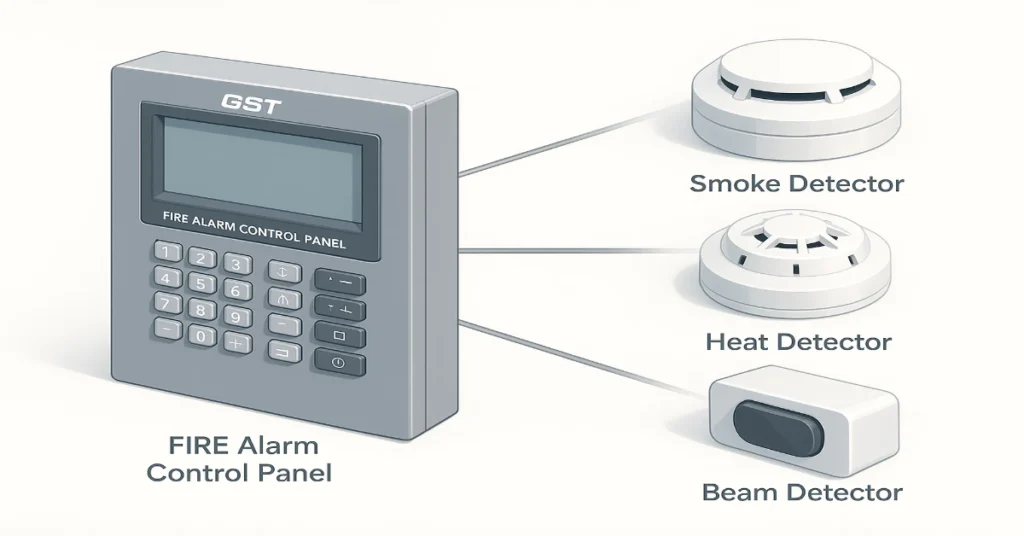
Fire safety systems work at their best only when every component speaks the same language. In modern buildings, compatibility between fire alarm panels and detectors is one of the most important factors that defines system performance, reliability and long-term maintenance cost. When detectors are not compatible with the control panel, problems start to appear; frequent faults, communication errors, delayed alarms, false alarms and even system breakdowns. That is why global brands design their detectors and panels using proven protocols, stable algorithms and strict standards to ensure smooth communication on every loop. This guide explains complete compatibility between GST fire panels and GST detectors, presented in a panel-to-device chart, along with system requirements, best practices, wiring guidelines and field insights. The goal is to help consultants, integrators and building owners choose the right detector for the right panel, without confusion. Why Compatibility Matters in Addressable Fire Alarm Systems In an addressable system, every detector has a unique address. It talks to the fire panel through digital communication. If this communication breaks or mismatches, the panel may: This is why certified manufacturers design their ecosystem as a tightly integrated architecture. GST is known for providing one of the most stable panel-to-detector compatibilities in the addressable segment, making it widely used across India in malls, IT parks, industries, hotels and high-rise buildings. Types of GST Detectors and Their Use Cases Before we jump into the compatibility chart, it is important to understand the types of detectors commonly deployed in GST systems. 1. Addressable Smoke Detectors Used in: Offices, lobbies, hotels, IT parks, schoolsFeatures: 2. Addressable Heat Detectors Used in: Parking areas, pump rooms, kitchens, boiler roomsFeatures: 3. Multi-Sensor Detectors Used in: High-sensitivity environments (server rooms, data centers, premium hotels)Features: 4. Beam Detectors Used in: Warehouses, atriums, auditoriums, mallsFeatures: 5. Aspirating Smoke Detectors (Using GST Network Compatibility) Used in: Server rooms, labs, archives, clean roomsFeatures: These detectors are tested and certified to ensure full compatibility with GST’s addressable loops. GST Panels Overview (Addressable Series) GST offers a wide range of addressable panels designed for different building sizes: Each panel supports different loop capacities, device limits and networking options. The next section covers compatibility between all major GST detectors and these panels. GST Detector-to-Panel Compatibility Chart (Complete Guide) 1. Smoke Detectors Compatibility Chart Detector Model Type GST100N GST200N GST5000 GST5000E Notes I-9102 Photoelectric Smoke Detector ✔ Compatible ✔ Compatible ✔ Compatible ✔ Compatible Most commonly used detector in GST systems I-9102Ex Explosion-proof Smoke Detector ✔ ✔ ✔ ✔ For hazardous zones; requires zone selection I-9102 Intelligent Enhanced Photoelectric Model ✔ ✔ ✔ ✔ Supports advanced drift compensation 2. Heat Detectors Compatibility Chart Detector Model Type GST100N GST200N GST5000 GST5000E Notes I-9103 Fixed Heat Detector ✔ ✔ ✔ ✔ Suitable for high-temperature areas I-9103R Rate-of-Rise Heat Detector ✔ ✔ ✔ ✔ Best for areas with fluctuating temperatures I-9103Ex Explosion-proof Heat Detector ✔ ✔ ✔ ✔ Designed for industrial sites 3. Multi-Sensor Detectors Compatibility Chart Detector Model Type GST100N GST200N GST5000 GST5000E Notes I-9105 Smoke + Heat Multi-Sensor ✔ ✔ ✔ ✔ Reduces false alarms and increases sensitivity I-9105 Intelligent Advanced Multi-Sensor ✔ ✔ ✔ ✔ Recommended for high-risk areas 4. Beam Detector Compatibility Chart Detector Model Type GST100N GST200N GST5000 GST5000E Notes I-9105R Beam Detector Reflective Beam Detector ✔ ✔ ✔ ✔ Widely used for large open spaces I-9105R Intelligent Enhanced Beam Detector ✔ ✔ ✔ ✔ Provides stable long-distance detection 5. Aspirating Detector Compatibility Chart (Using Modules) Detector Type Integration Method GST100N GST200N GST5000 GST5000E Notes Aspirating Smoke Detector I/O Module / Addressable Interface ✔ ✔ ✔ ✔ Works through addressable module integration 6. Manual Call Points (For completeness) Device Model Type GST100N GST200N GST5000 GST5000E I-9201 Addressable MCP ✔ ✔ ✔ ✔ I-9202 Waterproof MCP ✔ ✔ ✔ ✔ Technical Compatibility Requirements Even though GST detectors are designed to work across their panel series, proper installation practices ensure long-term reliability. 1. Loop Voltage Requirements All GST addressable detectors are engineered to operate within standard loop voltage ranges (typically 24V loop), ensuring stable communication even on long loops. 2. Addressing Method GST detectors use electronic addressing to avoid manual DIP errors.The panel automatically recognizes: This reduces commissioning time and eliminates typical installation mistakes. 3. Wiring Guidelines To maintain compatibility performance: 4. Maximum Devices Per Loop Although GST panels support high loop counts, device limits vary: Consult project documentation for exact device count per loop. Field Insights: What Installers Should Know About Compatibility 1. Loop Stability Depends on Cable Quality Even if sensors are compatible, poor-quality cable can cause loop errors. 2. Multi-Sensors Reduce False Alarms Using multi-sensors in mixed environments improves system stability and reduces service calls. 3. Beam Detectors Need Correct Alignment Misalignment is the most common issue, not compatibility. 4. Commissioning Tools Help Validate Detectors GST supports easy device testing and verification through handheld tools and panel diagnostics. 5. Clean Environment Helps Smoke Detectors Perform Better Dust accumulation can lead to sensitivity drift, periodic maintenance is essential. Common Compatibility Mistakes and How to Avoid Them Mistake 1: Mixing Third-Party Detectors Addressable systems are protocol-based. Using non-original detectors can cause: Mistake 2: Using Wrong Base Plates Each GST detector series has a recommended base for proper connectivity. Mistake 3: Incorrect Sensitivity Settings Always follow environment guidelines to avoid false alarms or late detection. Mistake 4: Installing Smoke Detectors in Dusty Zones Heat detectors or multi-sensors are better for such environments. How to Choose the Right Detector for Your Panel 1. Identify Building Type 2. Check Panel Series All GST detectors support GST100N, GST200N, GST5000 and GST5000E.Choose based on building size, loop load, expansion plan and networking needs. 3. Evaluate Environmental Conditions Temperature, dust, humidity, air movement all affect detector selection. 4. Consider Maintenance Access High ceilings → Beam detectorsDense and critical areas → Multi-sensor detectors Why a Compatibility Guide Matters GST’s panel and detector ecosystem offers one of the most stable, field-proven compatibility structures in India. Whether you are designing a new system or upgrading an old one, this compatibility guide ensures you
How GST Panels Help You Get Fire NOC Faster
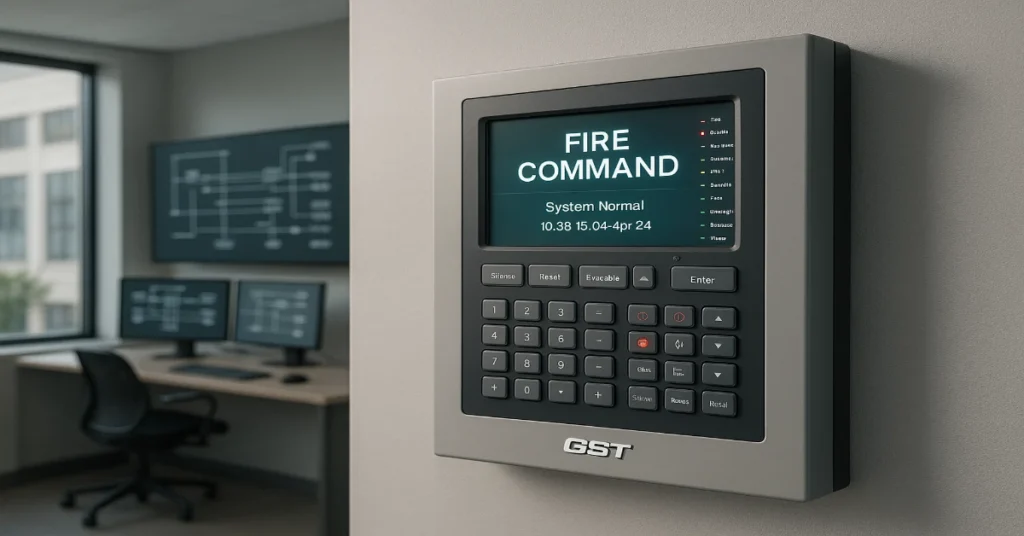
Getting a Fire NOC (No Objection Certificate) has become a critical requirement for commercial buildings, residential complexes, factories, warehouses, malls, hospitals, hotels and IT parks. Without this certificate, businesses cannot legally operate, receive occupancy permissions or complete government approvals. However, the biggest challenge for builders and facility owners today is speed. Fire NOC applications often get delayed due to missing documentation, outdated systems, non-compliant fire panels and incorrect installation standards. This is where GST Fire Alarm Panels (Gulf Security Technology) stand out. Known for their high reliability, advanced compliance features and globally approved detection technology, GST panels significantly reduce Fire NOC approval time, often from weeks to just a few days. This article explains, in simple and professional language, how GST fire panels speed up the NOC process, why fire officers prefer them and what makes the brand a trusted choice for faster approvals. Why Fire NOC Gets Delayed: Common Real Problems Before understanding the solution, it’s important to know why Fire NOC applications fail: Most of these delays come from non-compliant fire alarm systems. If your system is not up to the standards of NBC, IS codes or local fire norms, your NOC will face multiple rejections. GST Panels solve these exact problems. What Makes GST Panels Fire-NOC Friendly? GST fire alarm panels are designed with international certifications, stable technology and inspection-ready features that fire departments look for. This directly reduces the verification time and increases the chances of first-attempt approval. Here’s how. 1. Globally Certified Technology That Matches Fire NOC Requirements One of the biggest reasons fire officers approve GST systems faster is the brand’s strong global compliance. GST products come with: These certifications prove that the system meets international safety norms. When fire officers see a certified brand panel, they naturally trust the performance. When you install a panel without industry approvals, the fire department is forced to conduct more checks and request additional evidence. That consumes time. A globally certified GST panel eliminates this bottleneck, making inspection and NOC clearance faster. 2. Accurate Addressing Makes Physical Verification Quick Fire officers always cross-check whether detectors, MCPs, sounders and modules are installed in the correct location. In older or poorly programmed systems, addresses often mismatch, which leads to: GST addressable panels come with automatic device identification, stable loop communication and precise addressing. This ensures that: This alone cuts the inspection time by 40–50%. 3. Clear and Reliable Event Logs Help in Faster Documentation Fire departments verify: GST panels store clear event logs and provide easy export options to support documentation. Officers don’t have to wait for technicians to generate manual reports. With GST: This removes unnecessary delays during the review stage. 4. In-Built Self-Diagnostics Reduce Errors During Inspection Fire NOC teams check for faults such as: Traditional systems often show false faults or unstable communication during inspection. GST panels include advanced self-diagnostic features that identify issues proactively. Before the inspection day, the panel alerts the technician about any: As a result, the site is fully ready on the first day of inspection, making the approval smooth and fast. 5. GST Loop Technology Ensures Stable Performance One of the main reasons for NOC rejection is loop instability, especially in large buildings. GST uses robust loop protocols supported by: These features make sure the system remains stable during the fire officer’s testing. No unexpected faults, no communication breakdown, just smooth performance. Stable loops lead to faster inspection and quicker approval. 6. Easy Cause-and-Effect Programming Meets NOC Standards Fire NOC requires: GST panels include flexible programming where cause-and-effect logic can be set accurately. Fire officers can check everything on-screen, which makes verification quick and transparent. Most fire officers appreciate GST systems because: This improves your chances of first-time NOC approval. 7. Fire Officers Are Familiar with GST Systems In many cities in India, fire departments regularly inspect buildings equipped with GST systems. Because of the brand’s popularity and proven reliability, officers already understand: Familiarity improves inspection speed. When officers know the system well, the approval process becomes naturally faster and smoother. 8. GST Panels Provide Easy Commissioning Reports A mandatory requirement for Fire NOC is proper commissioning documentation, such as: GST systems help generate: This removes manual errors and ensures your Fire NOC file is complete and professional. 9. Compatible With All Major System Integrations Needed for NOC Building NOC approvals often require seamless integration with: GST’s interface modules ensure smooth integration without complex wiring or custom programming. When integration is simple, fire departments can verify: in a single visit. This significantly speeds up the NOC process. 10. Reduced False Alarms During Inspection Helps Avoid Rejection False alarms during inspection are one of the most common reasons for NOC delays. GST detectors offer: This ensures zero false alarms during testing, which helps complete the inspection smoothly and professionally. 11. GST Panels Support Large Projects Without Complications If you are dealing with: GST’s modular and expandable architecture allows you to build large systems without compromising reliability. Fire officers prefer brands that perform consistently on large sites. GST fits perfectly: For big projects, this directly reduces approval time. 12. Strong After-Sales Support Ensures Fast Corrections Sometimes officers request small corrections before approval: GST’s wide service network in India ensures: This reduces the lag between inspection and final approval. GST Panels Are the Smartest Choice for Faster Fire NOC If your goal is to get Fire NOC without delays, GST addressable panels offer the ideal combination of compliance, reliability, speed and documentation support. They help you get Fire NOC faster because: For builders, contractors, facility managers and system integrators looking to achieve faster approvals, GST fire panels are a practical, cost-effective and compliant choice. Read Also: Difference Between EN54 Certified Panels vs Local Panels: Why GST Matter Read Also: Why Malls & Shopping Complexes Prefer GST Addressable Panels
Difference Between EN54 Certified Panels vs Local Panels: Why GST Matter
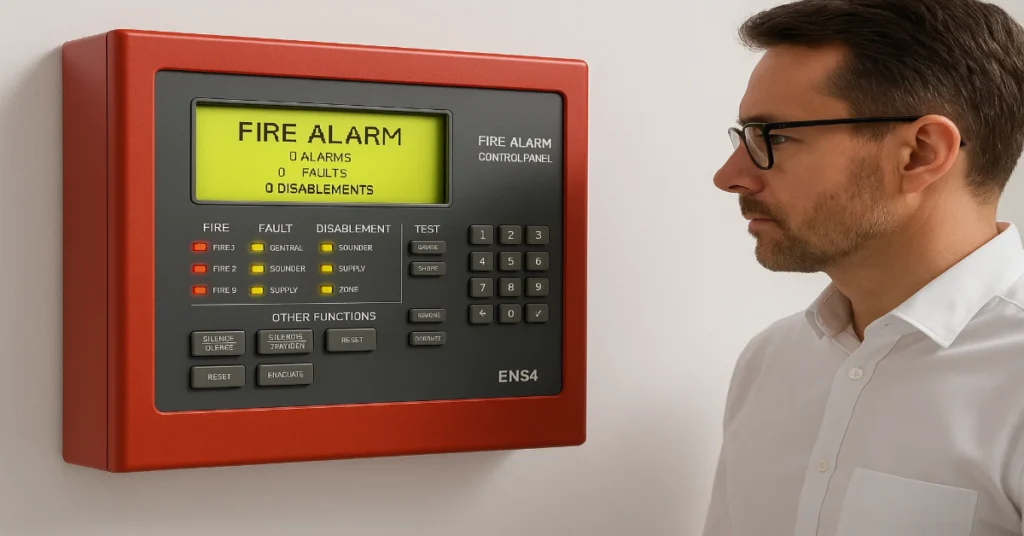
Fire safety is one area where cutting costs can lead to huge risks. In commercial buildings, residential towers, malls, data centres, hotels, warehouses and industrial plants, the quality of the fire alarm panel decides how quickly a fire is detected, how efficiently the system responds and ultimately, how many lives are protected. However, in India, many buildings still use local non-certified fire alarm panels because they seem cheaper upfront. But the reality is the opposite, choosing non-certified systems usually leads to higher long-term costs, safety failures and issues in obtaining Fire NOC approvals. This is where EN54 certified panels, especially globally trusted brands like GST (Gulf Security Technology) stand out. EN54 is a European standard recognized worldwide for fire detection and alarm systems. Panels certified under EN54 undergo rigorous testing, ensuring performance, durability and reliability that local untested panels simply cannot match. This article explains the key differences between EN54 certified panels vs local panels, and why choosing GST EN54-certified panels is the safest and smartest decision for any building. Understanding EN54 Certification in Simple Words EN54 is a European safety standard created specifically for fire detection and alarm systems. It ensures that: Countries across Europe, Asia, Africa and the Middle East recognize EN54 as a trusted benchmark. In India, EN54 is widely accepted by Fire Departments and consultants. Buildings using EN54-certified systems face fewer issues during audits and NOC inspections. Local Panels: What Are They and Why Are They Risky? Local or non-certified fire alarm panels are made without any strict testing standards. They often look similar to branded systems but lack: Most importantly, local panels are not validated by any recognized testing authority. That means there is no guarantee that they will work during a real fire emergency. EN54 Certified Panels vs Local Panels – Key Differences Below is a clear, building-owner–friendly comparison: 1. Reliability & Performance Result: Local panels may work fine on day one, but reliability drops quickly. GST EN54-certified panels continue to perform consistently even after years of operation. 2. Accuracy in Fire Detection Result: EN54-certified panels protect people without causing unnecessary panic. 3. Communication & System Integration Result: For modern buildings requiring scalable fire protection, GST EN54 panels outperform by a huge margin. 4. Build Quality & Lifespan Result: Lower upfront cost of local panels leads to higher maintenance and replacement costs later. 5. Fire NOC Approval Result: If you want faster Fire NOC, certified brands like GST are the safest choice. 6. Warranty, Support & Spare Parts Result: GST ensures peace of mind for the entire life of the system. 7. Scalability for Future Expansion 8. Cost Comparison (Realistic View) Many buyers think local panels are “cheap,” but here’s the truth: Cost Factor GST EN54 Panels (Certified) Local Panels (Non-Certified) Upfront Cost Medium Low Maintenance Low High Replacement Frequency Very Low High Fire NOC Approval Fast Slow & costly System Failures Rare Common Lifetime Cost Lowest Very High Local panels look cheaper initially but become the costliest option over time. Why GST Panels Lead the EN54 Category GST (Gulf Security Technology) is one of the world’s most trusted fire alarm brands with presence in 100+ countries. Their products comply strictly with EN54 standards and offer: GST panels are used in: When consultants or fire officers inspect a site and see GST panels, they immediately recognize it as a high-quality, globally approved system. Real-World Impact: Why EN54 Panels Prevent Big Disasters Here are simple examples: Case 1: False Alarm Problem A mall using local panels faces frequent false alarms. Customers panic, businesses close temporarily and staff waste time.Switching to GST EN54-certified panels reduces false alarms by up to 80%. Case 2: Fire Detected Late In a warehouse with local panels, dust caused detectors to malfunction. Fire was detected too late, leading to heavy losses.EN54 detectors and panels from GST are dust-resistant and more accurate. Case 3: NOC Delayed A commercial building installed a local panel to save money. Fire department rejected the system and asked for EN54-approved products. The builder wasted money and time.GST panels get approvals quickly because they meet all standards. These examples show how certified systems save money, prevent losses and improve safety. Why GST Should Be Your First Preference If you want: …then GST EN54-certified fire alarm panels are unbeatable. Local panels cannot match their performance, quality or long-term value. Choose Safety, Choose GST The difference between EN54-certified panels and local panels is huge. Local panels may save money today, but they bring hidden risks, safety failures, unreliable performance and heavy long-term costs. On the other hand, GST fire alarm panels, backed by EN54 certification, offer: Choosing GST is not just a purchase, it is an investment in safety, reliability, reputation and peace of mind. Read Also: GST Addressable Panel Review: Features, Pros, Cons & Pricing Read Also: Top Selling GST Fire Alarm Panels in India (2025 Edition)
Buy Complete GST Addressable Fire Alarm System Package: Panel + Devices + Cables
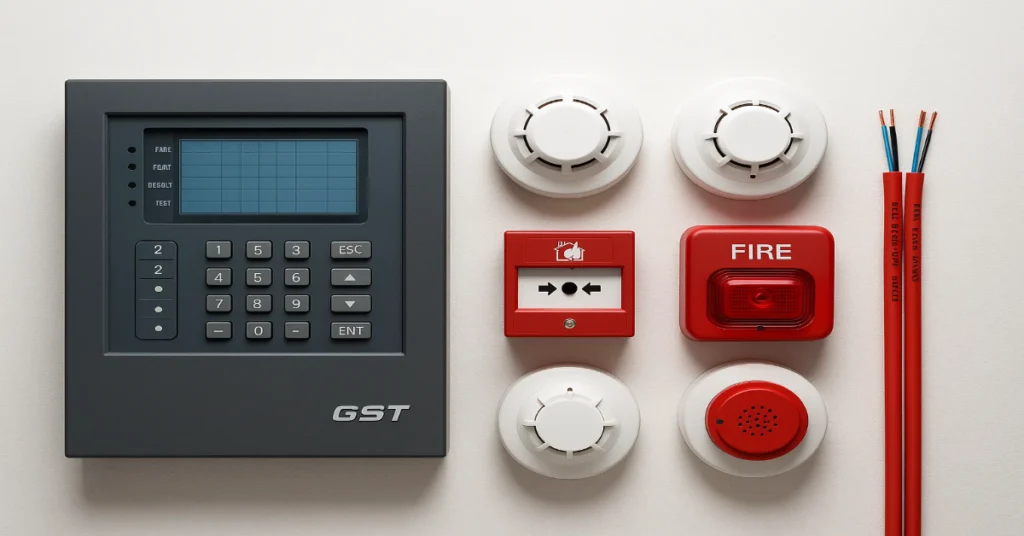
When you’re responsible for fire safety in a building, whether commercial, industrial or large-scale residential, you need a fire detection & alarm system you can trust. Choosing a complete addressable fire alarm package from GST offers you a unified solution: the control panel, the detectors/devices, the wiring/cabling and all related modules. This article walks you through what that package typically includes, why choosing GST (Gulf Security Technology) matters, how to plan the installation and how to purchase with confidence in India. Why choose a GST addressable fire alarm system? Brand & reliability GST has a strong global reputation in fire alarm detection and control systems. GST addressable panels such as the GST200N‑2 Addressable Intelligent Fire Alarm Control Panel and others are widely supplied by authorised resellers in India.Key reasons: What “addressable package” means A complete package means the control panel + all the peripheral devices + cabling infrastructure (loop cables, sounder circuits, power supply cables) + modules (input/output, interface cards) + documentation (layout, zone plan) + ideally commissioning and servicing. Instead of sourcing disparate parts, you contract a supplier for the whole lot. For example: So when you purchase a “complete package”, you get everything you need to deploy an addressable fire alarm system effectively, not just the panel. What to look for in the package: Detailed Checklist Here’s a breakdown of elements you should verify and integrate in your purchase and installation plan: 1. Control Panel specifications 2. Addressable Devices Key factors: 3. Cabling and wiring infrastructure Addressable systems have specific wiring demands: 4. Documentation, certification & servicing 5. Scalability & future proofing 6. Local sourcing, support & service in India How to Buy: Step-by‐Step Guide Here’s a practical roadmap for purchasing and installing a complete GST addressable package. Step 1: Define your building and requirements Step 2: Request proposal from authorised GST supplier Step 3: Review the proposal & technical specs Step 4: Installation & commissioning Step 5: Operation & Maintenance Benefits of purchasing a complete package Considerations & Potential Pitfalls Example Package Outline Here is an illustrative example of what a complete package might include (actual quantities & models depend on your building size and hazard type): Investing in a complete GST addressable fire alarm system package is a smart decision if you require a reliable, scalable, compliant and service-friendly fire safety solution. By choosing a trusted brand like GST, ensuring the package covers the panel, devices and cabling and by paying attention to installation and maintenance, you can significantly enhance building protection. For your site in anywhere in India, make sure to partner with a local authorised supplier, verify all the technical details, plan for future expansion and don’t overlook the importance of service and maintenance. Fire safety is not just about ticking a box, it’s about creating an active, managed system that protects lives and property. Read Also: Buy GST Smoke Detectors & Heat Detectors: Full Range for Commercial Buildings Read Also: NBC & NFPA-Compliant GST Fire Alarm Systems: Certification Assistance for Projects
Top Selling GST Fire Alarm Panels in India (2025 Edition)
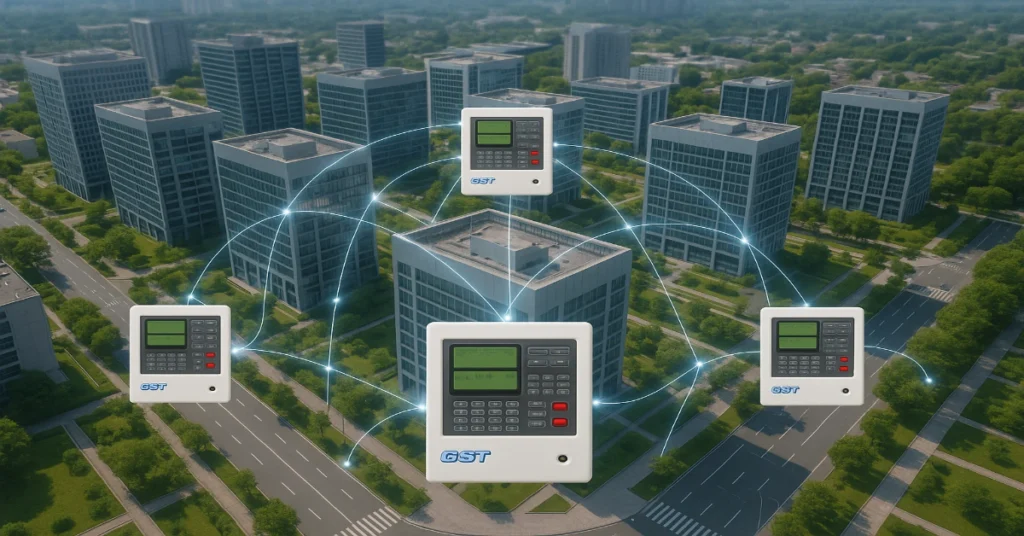
Fire protection technology in India is evolving fast. As buildings grow larger and more complex, the need for intelligent, reliable and scalable addressable fire alarm panels has become stronger than ever. In 2025, one brand continues to dominate conversations among system integrators, consultants, OEMs and end-users: GST (Gulf Security Technology). Known for its cutting-edge addressable systems, high manufacturing quality and long-term stability, GST panels have become a preferred choice for commercial establishments, IT parks, malls, hospitals, warehouses, airports and high-rise residential projects across India. This comprehensive 2025 edition breakdown will help you explore: Understanding Why GST Panels Lead the Market in 2025 Before diving into the top-selling models, it’s important to know why GST has such a strong position in India’s fire safety market. Reliable Electronics & Stable Performance GST products are engineered for long-term stability, critical for 24/7 fire monitoring. Integrators often praise their low failure rates and consistent loop performance. High Compatibility With Field Devices GST panels work seamlessly with the brand’s own detectors, modules, call points, sounders and third-party integrations through appropriate interfaces. Modular & Scalable From small buildings to mega campuses, GST panels allow easy expansion without replacing the entire system. Better Loop Loading Capacity GST’s addressable loops support a high number of devices, making installations cost-effective. Strong Service Network in India Thanks to wide distributor networks, availability of spares and quick support, GST systems remain practical for long-term maintenance. These strengths form the foundation for the brand’s fast-moving panels in 2025. Top Selling GST Fire Alarm Panels in India (2025 Edition) Each model is analyzed based on architecture, ideal use cases, technical strengths and pricing expectations. GST200 Series Addressable Fire Alarm Control Panel A budget-friendly favorite for small to medium buildings The GST200 Series continues to be one of the most widely adopted addressable panels in India due to its compact configuration and high feature-to-cost ratio. Why It Sells the Most The panel is perfect for projects where pricing matters but reliability cannot be compromised. Contractors choose it frequently for small hotels, offices, schools and retail shops. Features Ideal For Pros Limitations Price Range (Indicative) ₹65,000 – ₹90,000 depending on configuration and loop count. GST5000 Intelligent Addressable Fire Alarm Panel India’s most demanded mid-sized multiloop system The GST5000 continues to dominate mid-segment projects in India. It offers strong performance, modular configurations and excellent device load capacity. Why It’s a Bestseller Consultants and integrators prefer GST5000 because it fits 70% of typical Indian commercial projects. It brings scalability without overcomplicating the architecture. Core Features Best Uses Pros Limitations Price Range (Indicative) ₹2,00,000 – ₹4,50,000+ depending on loop quantity and configuration. GST-Networked System (GST200 + GST5000 + GST Intelligent Network Cards) The top choice for multi-tower and multi-building properties Many Indian developers in 2025 prefer using networked GST systems that combine GST200 panels in each block with a central GST5000 or complete peer-to-peer network configuration. Why This Combination Is a Fast-Mover Instead of installing one huge panel, developers and system integrators prefer decentralization. It is easier to maintain, reduces downtime and isolates faults more effectively. System Benefits Common Use Cases Pros Limitations Price Range (Indicative) System price varies widely from ₹5 lakh to ₹1+ crore, depending on network size. GST MIMIC System (Fire Graphics + GST Panels) Highly popular for control rooms and high-security sites Though not a standalone panel, GST’s fire graphic software and mimic panels are among the top-selling add-ons in 2025. These systems provide real-time graphical mapping of alarms and faults. Where It’s Used Why It Sells Well Facility teams prefer visual monitoring for fast response. The system integrates smoothly with GST5000 and GST200 networks. Price Range Starts from ₹1.5 lakh depending on display configuration. What Makes These GST Panels Stand Out in India’s 2025 Market? 1. Friendly Architecture GST panels support structured data, clear event logs and traceable alarms. 2. Reliability Indian environments often involve dust, humidity and voltage fluctuations. GST detectors and panels handle these conditions better than many imported systems. 3. Better Availability of Devices GST’s local network ensures quicker deliveries, even for large projects. 4. Simplified Commissioning Auto-addressing, user-friendly interfaces and modular programming reduce installation time. 5. Long-Term Parts Support For facility owners, long-term serviceability is a major factor, GST remains dependable in this aspect. Which GST Panel Should You Choose in 2025? A Quick Guide Below is a simplified selection matrix: Building Type Recommended GST Panel Small Offices GST200 Retail Shops GST200 Hotels (mid-size) GST5000 Warehouses GST5000 Hospitals GST5000 or networked setup Malls GST5000 multi-loop IT Parks Networked GST200 + GST5000 High-Rise Apartments Networked GST system Airports/Metros GST5000 + Graphics System GST Fire Alarm Panel Pricing in India (2025) Prices may vary across regions and projects, but here is an accurate market snapshot: Consultants usually finalize exact pricing based on system design, device count and integration complexity. The demand for intelligent addressable fire systems in India continues to grow sharply in 2025, and GST remains a front-runner thanks to its: Whether you’re managing a commercial property, expanding a factory, upgrading a hotel or planning a multi-tower campus project, GST fire alarm panels offer dependable and future-ready solutions. They strike an ideal balance between advanced technology and long-term affordability, a reason they remain top-selling fire alarm panels across India in 2025. Read Also: What Fire System to Buy for Buildings With Frequent Power Cuts Read Also: GST Addressable Panel Review: Features, Pros, Cons & Pricing
GST Addressable Panel Review: Features, Pros, Cons & Pricing
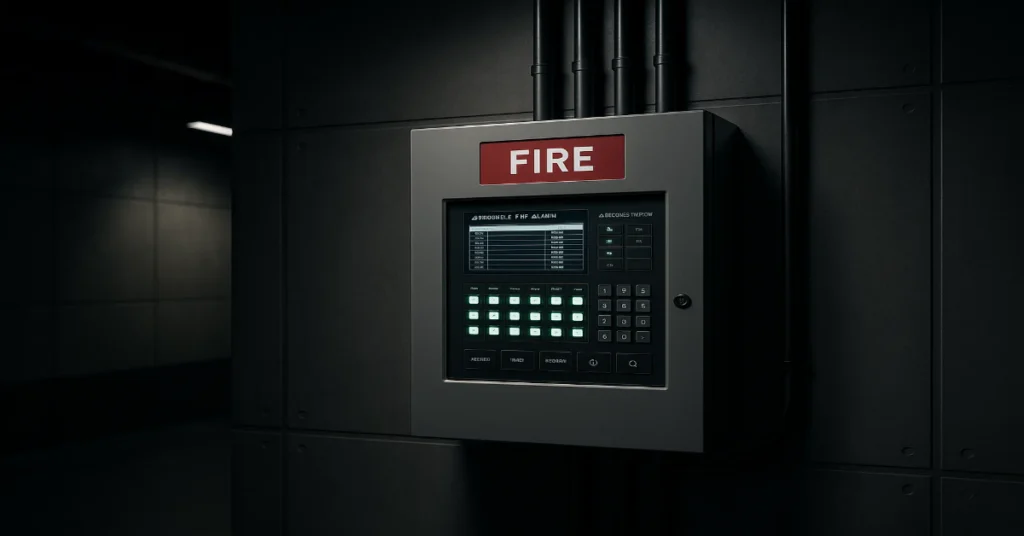
Modern buildings depend heavily on smart fire safety systems that offer fast detection, reliable communication and minimal downtime. GST, or Gulf Security Technology, is one of the most recognizable names in the addressable fire alarm industry. Over the years, GST addressable panels have earned a reputation for being stable, scalable and installer-friendly especially in commercial, institutional and high-occupancy buildings across India, the Middle East, Africa and Southeast Asia. This detailed review breaks down how GST addressable panels perform in real-world conditions, their core features, their advantages and disadvantages and how pricing compares against market alternatives. If you’re evaluating fire alarm systems for a new project or looking to upgrade from conventional panels, this guide gives you a complete breakdown. Understanding GST Addressable Panels: What Makes Them Different? GST addressable fire alarm panels are designed to identify individual devices; detectors, call points, modules on a loop rather than treating them as zones. This is important for buildings where precision, faster response and diagnostics matter. When a device triggers an alarm or fault, the panel shows the exact location, allowing teams to act quickly. What makes GST stand out is its emphasis on: GST panels are often used in malls, airports, hotels, campuses, industrial plants and healthcare facilities because they balance affordability with professional-grade performance. Core Features of GST Addressable Panels GST addressable panels are known for their rich feature set. Below is a deep breakdown of the most important ones that matter during specification and field deployment. 1. Flexible Loop Architecture GST panels support large loops that can include hundreds of devices depending on the model. Their proprietary communication protocol ensures stability even when loops are long or have multiple isolators. Key advantages of GST’s loop design: Installers often appreciate that GST loops work well with different cable grades commonly used in India, UAE and African markets. 2. Built-in Event Logging & History Tracking GST panels maintain logs of alarms, faults, supervisory events and system resets. This is beneficial for audits, fire safety inspections and root-cause analysis after incidents. A typical GST addressable panel can store thousands of events with timestamps. Technicians can view logs directly from the panel or retrieve them through programming tools. 3. Intuitive User Interface & LCD Display Most GST addressable models come with: This makes the panel easy for security teams and fire safety officers to operate without extensive training. 4. Modular Expandability Many GST panels support additional loop cards, networking modules and communication interfaces. This allows buildings to start small and expand over time. Expandable options include: This is one reason GST panels remain cost-effective for long-term building growth. 5. Stable Networking for Multi-Building Installations GST networking allows multiple panels to communicate and work as a unified system. This is crucial for: Panels can share alarm information and synchronize evacuation strategies. This ensures consistent response regardless of where an incident occurs. 6. Compatibility With a Wide Device Ecosystem GST offers an extensive range of addressable devices including: The advantage: you get a single ecosystem with streamlined programming. 7. Smart Diagnostics & Real-Time Monitoring GST panels continuously monitor: This helps reduce downtime and improves confidence in system reliability. GST Addressable Panels: Pros & Cons Every system has strengths and trade-offs. Below is an professional evaluation. Pros Strong Stability & Reliability GST panels are known for solid performance even in challenging electromagnetic environments. Installer-Friendly Configuration Programming tools and loop addressing mechanisms make installation relatively straightforward. Wide Availability of Devices GST’s device lineup is broader than many mid-range brands, providing flexibility for various building types. Cost-Effective Compared to Global Premium Brands You get professional-grade performance without the high pricing of certain international competitors. Good After-Sales Support in Many Regions Because GST is widely distributed, spare parts and servicing are easier to find. Ideal for Mid to Large Installations Multi-loop and network-ready architecture makes GST suitable for complex projects. Cons Some Panels Require Learning Curve for Advanced Features While basic operation is simple, advanced programming may require training. Design & UI Are Practical but Not Ultra-Modern The interface focuses on functionality, not aesthetics. Third-Party Device Compatibility Is Limited GST systems are designed to work best with their own ecosystem. Programming Software Access May Require Authorization Installers need training or distributor support to use configuration tools effectively. Performance Review: How GST Addressable Panels Perform in Real Projects To provide a meaningful review, below are insights based on common real-world use cases. 1. In Commercial Buildings GST panels perform reliably in malls, office towers and retail spaces. Rapid pinpointing of alarm locations helps prevent unnecessary evacuation. 2. In Hotels & Hospitality The silent test features, sounder base options, and multi-criteria detectors make GST suitable for hotels that prioritize guest comfort. 3. In Hospitals GST panels are widely used in healthcare because of: 4. In Industrial Facilities With robust loop performance and industrial-grade detectors, GST panels hold up well in factories and warehouses. 5. In Educational Institutions Wide networking capability helps large schools and university campuses manage fire safety across multiple blocks. GST Addressable Panel Pricing (Indicative Market Range) Actual costs vary based on region, panel model, loops required, accessories and installation complexity. Below is an industry-wide approximation: Component Estimated Price Range (India Market Approximation) 1 Loop Addressable Panel ₹38,000 – ₹65,000 2 Loop Panel ₹65,000 – ₹95,000 4 Loop Panel ₹95,000 – ₹1,40,000 Loop Devices (Detectors, MCPs) ₹1,000 – ₹3,500 each Modules ₹2,000 – ₹7,500 Sounders / Sounder Bases ₹1,500 – ₹4,000 Loop Isolators ₹1,000 – ₹1,800 Factors that affect pricing include: For large projects, integrators often provide discounted packages. Who Should Buy GST Addressable Panels? GST panels are ideal for: GST is especially a good fit if you want: Are GST Addressable Panels Worth It? GST addressable fire alarm panels offer a strong balance of performance, cost-effectiveness, stability and long-term value. Their ability to handle extensive device loops, support modular expansion and integrate with large campuses makes them suitable for nearly every building category. They may not have the most modern UI compared to a few premium international brands,
Must-Have Modules for Any GST Addressable System (I/O Modules, Loop Isolators)
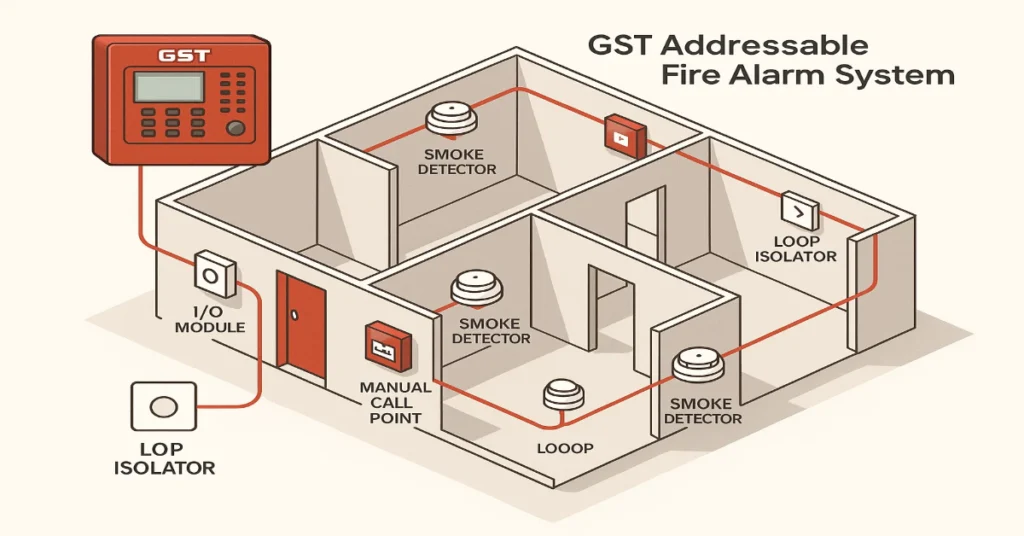
Modern buildings demand a fire alarm system that responds fast, communicates clearly and adapts to changes over time. Addressable fire alarm systems meet these expectations because they offer flexibility, intelligence and precise pinpointing of alarm locations. Among all addressable system brands, GST (Gulf Security Technology) has become a widely adopted choice across malls, hospitals, corporate towers, hotels, manufacturing units, airports and government buildings, mainly because its modular design allows integrators to build systems that are both scalable and future-ready. While panels, detectors and manual call points often receive the attention, the real backbone of an addressable system lies in its modules, especially I/O modules and loop isolators. These components silently ensure that the system works smoothly, even in harsh electrical conditions or during expansion, retrofitting or integration with third-party equipment. This article explores why I/O modules and loop isolators are essential for any GST addressable system, how they function, how they are used and how they future-proof fire safety infrastructure. Why Modules Matter in an Addressable Fire Alarm System To understand the importance of modules, you first need to understand the architecture of an addressable fire alarm loop. A loop connects all devices, detectors, call points, sounders and modules back to the fire alarm control panel. Every GST addressable device has a unique address, allowing the panel to identify where an incident occurs. But what happens when: This is exactly where modules come into play. They enable the system to perform additional tasks, communicate with external equipment and isolate faults so the loop continues functioning. Understanding the Two Most Critical Modules – I/O Modules & Loop Isolators Below is a deep and practical explanation of their roles in any GST addressable system. I/O Modules: The Communication Bridge for Fire System Integration I/O modules (Input/Output modules) are among the most frequently used components in any addressable system. They work as translators between the fire alarm panel and external third-party systems. What an I/O Module Does An I/O module allows the fire panel to: In other words, every time a fire alarm needs to trigger something or monitor something, you need an I/O module. GST’s addressable I/O modules are used widely because they: Where I/O Modules Are Essential Below are typical real-world scenarios where an I/O module becomes mandatory. Fire Pump Start/Stop Commands The fire alarm system must start the pump automatically when a sprinkler flow switch or deluge valve is triggered. The I/O module receives the feedback and issues the command. AHU & HVAC Shutdown To prevent smoke circulation, the panel must shut down: An I/O module ensures immediate action during a fire event. Lift Grounding and Door Release Most buildings integrate: I/O modules handle all these commands through cause-and-effect programming. Access Control, Turnstiles & Barrier Systems Safety protocols require instant unlocking of gates and access points. I/O modules ensure all secured doors open when a fire occurs. Integration with Gas Suppression Systems For suppression rooms such as: I/O modules handle: Sprinkler and Valve Monitoring When sprinkler zones activate, the I/O module sends feedback to the fire control panel for immediate display. Monitoring Third-Party Panels I/O modules integrate: This makes the fire alarm panel the central command unit of the building. Advantages of Using Quality I/O Modules in GST Addressable Systems 1. Smooth Integration Without Errors GST modules ensure reliable communication even in high-noise electrical environments. 2. Modular Upgradability They support expansion without changing the entire loop design. 3. Cost-Effective Design Only the required number of modules are added, avoiding over-engineering. 4. Precise Addressability Every module provides pinpoint location and status, improving emergency response. 5. Stable Cause-and-Effect Logic GST’s modules align perfectly with the panel’s programmable logic, ensuring predictable, safe automation. Loop Isolators: The Insurance Policy for Loop Health Loop isolators are another must-have module for any GST addressable system. They protect the fire alarm loop from complete failure by isolating faulty sections. Why Loop Isolators Are Mandatory Addressable loops operate on continuous communication. If a short circuit occurs: Loop isolators prevent this catastrophic chain reaction. How Loop Isolators Work A loop isolator is placed at regular intervals on the loop. When it detects a short or fault: In GST systems, loop isolators react extremely fast, ensuring downtime is nearly zero. Where Loop Isolators Should Be Installed 1. Between Every 20–25 Devices Industry standards and best practices recommend spacing isolators based on device load and loop length. 2. At Each Floor Entry/Exit This ensures one floor fault does not impact others. 3. Before and After High-Risk Areas Like: 4. At the End of Long Cable Runs To limit the fault zone and maintain loop integrity. Advantages of Loop Isolators in GST Addressable Systems 1. Prevents Full Loop Failure Only the faulty section is isolated. 2. Faster Troubleshooting The panel displays the isolated address, helping technicians locate the problem quickly. 3. Improves System Reliability Even during faults, life-safety devices continue operating. 4. Enhanced Safety in Large Buildings They are especially crucial in malls, airports, hospitals and IT campuses with long loops. 5. Supports Stable Loop Voltage Isolators maintain uniform power and communication levels across the loop. Why GST’s Modular Approach Makes System Design Easier While many brands offer modules, GST’s addressable architecture is known for: This allows consultants and integrators to design systems that are: How to Choose the Right Modules for Your Project Selecting the correct number and type of modules ensures optimal performance. Below is a simple selection framework. Choosing I/O Modules: Key Parameters Determine Integration Needs List all equipment requiring command or monitoring signals: Check Input/Output Requirements Choose modules with: depending on project needs. Consider Cable Routing Modules should be placed near the equipment they control to reduce cable cost. Metering & Monitoring Ensure modules support: Choosing Loop Isolators: Key Parameters Loop Length and Load Longer loops need more isolators. Building Layout Place isolators at: Risk Assessment Install additional isolators near equipment rooms or areas prone to mechanical damage. Manufacturer Compatibility Always use isolators recommended for your loop, GST isolators are optimized for GST panels. Best Practices for
Why Malls & Shopping Complexes Prefer GST Addressable Panels

Modern malls and shopping complexes operate like self-contained cities. They host thousands of visitors, manage diverse retail spaces, control complex HVAC and electrical systems and run long hours. With such extensive activity, fire safety becomes a non-negotiable priority. Even a small fire or false alarm can disrupt business, create panic, damage property and affect human life. To meet these challenges, malls across India and globally are increasingly shifting to addressable fire alarm systems and among these, GST addressable panels have gained strong preference for their reliability, intelligence and long-term operational value. This article explains why malls and shopping complexes prefer GST addressable panels, how they strengthen safety and why they are considered the most dependable choice for large retail infrastructures. Fire Safety Challenges Unique to Malls Malls are complex environments with multiple layers of fire risk that demand more than conventional fire safety systems. High Daily Footfall Thousands of people move through malls every day, especially during weekends, festive seasons and special events. In such crowded environments, a fire system must provide extremely accurate alerts to avoid panic or unnecessary evacuations. Diverse Zones Under One Roof A mall typically includes retail stores, multiplex cinemas, food courts, game zones, parking basements, warehouses and service areas. Each area has a different fire load and requires specific sensitivity settings for smoke and heat detection. Wide Range of Fire Loads Restaurants deal with open flames and cooking smoke, apparel stores have flammable materials, electronics stores operate heavy electrical equipment and cinemas use soundproofing materials that burn rapidly.A general-purpose system cannot efficiently handle such varied risk profiles. Complex Infrastructure Large HVAC systems, vertical risers, false ceilings, ducts and concealed wiring all create conditions for fast smoke movement. Early detection is crucial to prevent escalation. Long Operating Hours Many malls remain open for 12 to 18 hours every day. Fire systems must therefore perform consistently and reliably without downtime. These challenges make a smart, addressable system essential for reliable mall protection. Why Addressable Panels are the Right Fit for Malls Addressable fire alarm panels provide intelligent, real-time communication with each device in the system. This allows accurate identification of alarms, faults and environmental changes. Precise Location Identification Each smoke detector, heat detector or module has a unique address.When a fire occurs, the system instantly shows the location, for example, “Smoke Detector – Food Court – East Wing – Level 2.”This precision saves valuable time and reduces the risk of confusion during emergencies. Early and Continuous Monitoring Addressable detectors communicate with the panel continuously, making it easier to detect small changes in smoke levels or temperature before a fire grows. Minimal False Alarms False alarms are extremely disruptive in malls. They reduce customer confidence, interrupt business and can cause unnecessary evacuation.Addressable systems apply intelligent algorithms that reduce false triggers from: This improves operational stability. Controlled Evacuation Instead of sounding alarms across the entire mall, addressable panels support phased evacuation.Only the affected zones are alerted first, preventing mass panic and ensuring smoother crowd control. Better Maintenance Visibility The system displays which devices need cleaning, calibration or replacement, helping maintenance teams plan proactively. Why GST Addressable Panels Are the Top Choice for Malls Addressable technology is available from many brands, but malls consistently prefer GST panels because they are engineered to handle large, complex infrastructures with high reliability. Superior Performance in Large Retail Spaces Malls require thousands of detectors, hundreds of modules and multiple interconnected panels.GST panels handle large installations smoothly because they offer: Whether a mall has three floors or ten, GST systems scale effortlessly with the structure. Clear Visibility for Every Tenant Space Each shop inside a mall operates independently and each has its own fire risks.GST panels provide detailed visibility into every shop and zone, including: This simplifies tenant management and makes compliance easier. Strong Integration with BMS and Other Mall Systems Modern malls depend heavily on Building Management Systems (BMS) to automate HVAC, lighting, lifts, access control and energy management.GST systems integrate smoothly with these platforms through: This enables automatic responses, such as: Such coordinated actions help contain incidents quickly. Reliable, Stable and Consistent Operation Malls cannot afford system failures.GST is known for its robust design and stability, thanks to: These features ensure that the system performs reliably even during heavy loads or electrical disturbances. Simple and Efficient Maintenance Fire system maintenance in malls takes time because technicians must work around visitors and operating shops.GST makes this easy by offering: Self-Diagnostic Functions The system identifies dirty or aging detectors and alerts maintenance teams before failure occurs. Loop-Based Testing Technicians can test entire loops instead of inspecting individual devices, saving hours of work. Easy Device Replacement New devices can be added without reprogramming the entire system, ideal for malls undergoing renovations. Detailed Logs GST panels maintain clear records of alarms, faults and device performance, making troubleshooting faster. These features reduce long-term service costs and minimize downtime. Compliance with Global and Local Standards Malls must follow strict fire norms to obtain NOCs and maintain insurance approvals.GST panels adhere to global certifications and Indian compliance standards, making them trusted by: This helps ensure hassle-free approvals during installation and expansion. Perfect for Renovations and Future Growth Malls frequently undergo changes, adding new retail units, expanding cinemas or upgrading interiors.GST addressable systems are designed for flexibility, allowing: Mall owners avoid the cost of reinstallation during upgrades. How GST Panels Improve Daily Mall Operations Beyond fire detection, GST systems improve everyday workflows in malls. Enhanced Control Room Management GST panels offer user-friendly interfaces that display real-time information clearly. Security teams can monitor: This reduces human error and speeds up response during emergencies. Support for Multi-Mall Monitoring Developers who own multiple malls can integrate all systems into a centralized monitoring platform.This enables: Better Protection for Retailers Each retailer depends on mall infrastructure for fire safety.GST ensures reliable protection for: This enhances the confidence of tenants and supports smooth business operations. Financial Benefits of Choosing GST Addressable Panels Although addressable systems cost more upfront than conventional systems, malls choose GST because the
Fire Panels With Modular Architecture: Why They Save Money Over Time
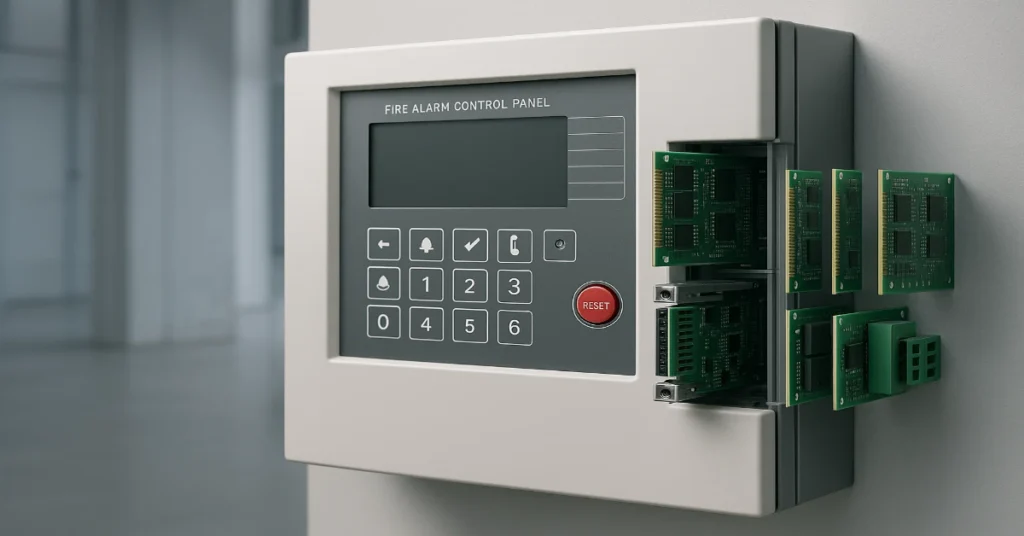
Fire safety systems are long-term investments. When organizations choose a fire alarm panel, they usually focus on the upfront cost, how much the panel, detectors or accessories cost today. But fire protection is not a one-time expense. It evolves with your building, regulations, occupancy load, safety goals and future expansions. This is exactly where modular-architecture fire panels stand out. In the last decade, more building owners, consultants and facility managers have started shifting from fixed, rigid fire alarm panels to modular designs offered by advanced addressable systems. Brands known for scalable architectures, such as those used widely in commercial, industrial and infrastructure projects have made modularity a trusted foundation for long-term fire safety planning. But what does modular architecture actually mean? And how does it translate into real, measurable cost savings? This article dives deep into how modular fire panels work, the financial advantages they create and why they outperform conventional “fixed-capacity” panels over the lifespan of a building. What Is Modular Architecture in Fire Panels? A fire alarm panel with modular architecture is designed like a building block system. Instead of offering a fixed number of loops, zones or interfaces, it allows users to add, remove or replace modules based on current or future requirements. Examples of modules include: This architecture lets you scale your fire detection system without replacing the panel, wiring, or major components. Brands with advanced addressable systems, like the ones used commonly in IT parks, tech campuses, hospitals, airports, manufacturing units and commercial complexes, typically follow this modular approach, giving building owners a more flexible, economical path forward. Why Modular Fire Panels Save Money Over Time Below are the most important ways modularity reduces long-term costs, simplifies operations and increases system lifespan. 1. Lower Installation Cost Because You Don’t Buy Everything Upfront Traditional fire panels force you to purchase full capacity on day one, even if you don’t need it. Modular panels work differently. You only install the modules you need today, such as: As your building grows, you simply add more modules without replacing the entire panel. This avoids unnecessary upfront expenses and reduces procurement costs by 30-40% during the initial installation. This is why modern addressable systems with modular design are preferred for campuses and multi-phase projects. 2. Easy, Affordable Expansion Without System Replacement When your fire protection system grows, expansion becomes a major cost factor.Conventional panels often require: Modular panels eliminate these expenses. You can scale vertically (more detectors, more loops) or horizontally (new buildings, new floors, new areas) by simply plugging in new modules. This results in: For organizations with future growth plans, IT hubs, universities, manufacturing sites, hotels, hospitals, this scalability becomes a vital long-term cost saver. 3. Reduced Maintenance Costs Due to Independent Replaceable Modules Maintenance costs are a significant part of fire system ownership. With a modular system: This dramatically reduces service charges, downtime and component replacement cost. A modular addressable panel allows technicians to isolate the fault to a single card. This means: For buildings with continuous operations, like data centres, airports, industrial facilities, this reliability reduces risk and cost. 4. Longer System Lifespan (10–20 Years With Module Upgrades) One of the biggest financial benefits of modular fire panels is their extended lifespan. In fixed systems, technology upgrades often require replacing the entire panel. In modular systems, you only update the modules. Examples: This ensures that your fire alarm system stays technologically current for years. Building owners often extend the life of their fire panel by an additional 8-10 years simply by upgrading modules instead of replacing the whole system. 5. Reduced Downtime Means Lower Operational Loss Every minute of downtime in fire detection increases operational risks, especially in high-value facilities like: Modular panels reduce downtime because: When downtime becomes costly, modular architecture offers a clear operational advantage. 6. Better Integration with Modern Building Systems (No Extra Panels Required) Modern infrastructure requires communication between: Modular fire panels allow easy integration using plug-in interface modules. Instead of purchasing new devices or integration panels, you simply add: This eliminates expensive external integration hardware. Brands known for intelligent addressable technologies, especially those used frequently in airports, tech parks and industrial zones, have strong modular integration capabilities, giving them an edge in complex project environments. 7. Easier Compliance With Future Regulations (Lower Re-Certification Cost) Fire safety regulations evolve every few years. This usually means more: Modular panels make compliance easier because you only need to install the required modules, not overhaul the system. This drastically lowers the cost of: Buildings with modular architecture panels stay compliant longer and at lower cost. 8. Less Hardware Clutter and Reduced Cabinet Costs Fixed fire panels often require: A modular panel fits most expansion modules within the same cabinet. This saves money on: Especially in commercial complexes or industrial plants, saving wall space and cabinet cost directly reduces project cost. 9. Highly Reliable System Architecture (Lower Fault-Related Expenses) Modular panels use isolated modules, meaning: This reliability prevents costly issues like: Reliability directly translates into lower financial losses and better safety outcomes. 10. Lower Training and Manpower Costs Modular panels are easier to: Technicians can handle modules individually, reducing skill requirements and training time. This also cuts down on: This is particularly beneficial for organizations with multi-building campuses. How GST’s Modular Addressable Architecture Fits Into This Vision GST systems are widely used in global commercial, industrial and infrastructure projects. One of the reasons is their strong modular architecture, which offers: This modular design helps building owners upgrade, expand and maintain systems more economically over long periods, making them a practical choice for customers who prioritise cost-efficiency and long-term performance. Real-World Scenarios Where Modular Panels Save Money Scenario 1: A Growing IT Park An IT park starts with 2 buildings and later expands to 7.With a modular panel, only loop cards and networking modules are added, saving lakhs in reinstallation costs. Scenario 2: A Hospital With Continuous Operation A hospital needs zero downtime.Faulty modules are replaced instantly without shutting down the system, eliminating service disruption. Scenario