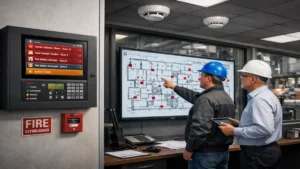
Fire safety in workplaces and commercial buildings often suffers due to misinformation. Many business owners believe their existing safety measures are enough, simply because “nothing has gone wrong yet.” However, fire hazards do not wait for the right time. A small spark, unnoticed smoke, or delayed response can turn into a catastrophic incident within minutes.
This is why understanding common fire safety myths is essential for every business, whether it is a hotel, warehouse, office, retail outlet, data centre, or manufacturing plant. Fire protection is not just a compliance requirement but a fundamental part of risk management and business continuity planning.
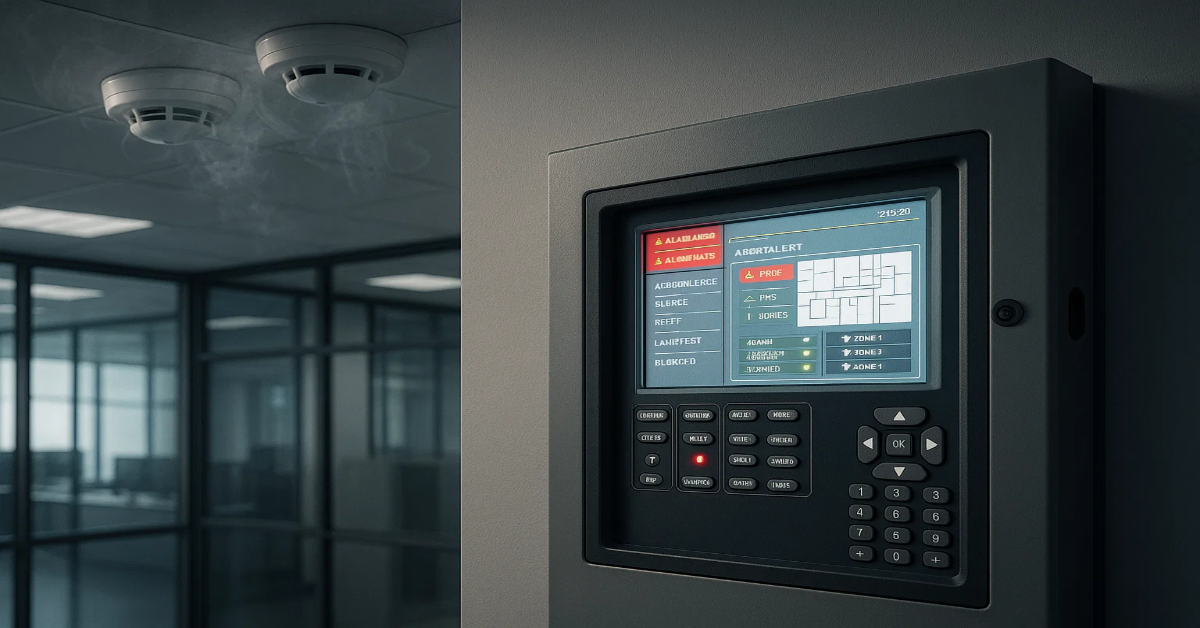
This detailed guide breaks down the most dangerous fire safety myths that put businesses at risk, explains the truth behind each and highlights how modern systems, such as addressable fire alarm technologies including those used by GST, are helping organizations strengthen their safety infrastructure.
Why Fire Safety Myths Are Dangerous for Businesses
Myths create a false sense of security. Many organizations assume basic fire equipment, occasional inspections or old fire alarm panels are enough to protect their premises. Unfortunately, this mindset often leads to:
• delayed detection
• slow evacuation
• ineffective response
• uncontrolled fire spread
• higher property losses
• legal consequences
• downtime and operational shutdown
Fire safety is not just about having equipment, it is about system reliability, updated technology and people being aware of how to react during emergencies.
Let’s look at the most common myths businesses still believe and understand the real risks behind them.
Myth 1: “A Basic Fire Alarm System Is Enough for Any Business.”
Many businesses think that having any fire alarm panel, especially an old or conventional one is sufficient. This assumption becomes dangerous when premises expand, occupancy increases or operations become more complex.
The Reality
Basic or outdated systems cannot provide:
• pinpoint accuracy of where the fire started
• differentiated alerts for smoke, heat, or system faults
• early warning in large or multi-floor buildings
• automatic diagnostic reporting
• networked communication with other safety systems
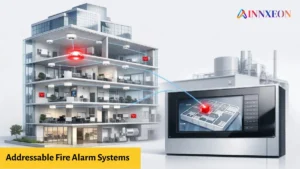
Modern buildings require modern systems. That is why many industries are moving toward addressable fire alarm technology, including solutions offered by GST, which help identify exact detector locations and reduce reaction time. This is not about brand promotion; it is simply the direction in which fire technology has evolved.
Myth 2: “Fire Safety Is Only Needed for Industrial Sites.”
Some business owners assume that industries like manufacturing, oil & gas or chemical plants face high fire risks, while offices, hotels or commercial outlets do not. This thinking leads to minimal investment in fire protection for so-called “low risk” buildings.
The Reality
Fire incidents happen everywhere. Offices, malls, hospitals and hotels experience fires due to:
• overloaded electrical circuits
• AC compressor failures
• short circuits in lighting systems
• kitchen accidents
• UPS room overheating
• server room smoke
• smoking in prohibited areas
Even a small retail shop contains flammable materials like paper, packaging, fabrics or cleaning chemicals. No business is fire-proof, which makes modern detection systems essential across all sectors.
Myth 3: “Fire Extinguishers Alone Will Protect the Building.”
Extinguishers are important, but they are often mistaken as the primary fire safety tool.
The Reality
Extinguishers work only if:
• an employee is present nearby
• the fire is at its earliest stage
• the right type of extinguisher is used
• the person knows how to operate it
• the extinguisher is maintained and not expired
Most fires grow too quickly for extinguishers to be effective.
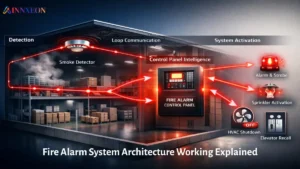
That is why reliable detection, especially from addressable fire alarm systems plays a critical role. These systems detect smoke or heat early, send signals to control panels and activate alerts automatically. Early detection is the most important step, not manual extinguishing.
Myth 4: “False Alarms Are Normal in Every Building.”
Many businesses accept false alarms as part of their daily routine. Some even disconnect detectors temporarily to avoid disturbances, an extremely risky practice.
The Reality
Frequent false alarms are a sign of:
• poor-quality detectors
• dusty or corroded equipment
• improper maintenance
• outdated panels
• wiring issues
• conventional system limitations
Addressable fire alarm systems, like those widely adopted across India including GST models, significantly reduce false alarms by analyzing sensor data more intelligently. When a business switches from conventional to addressable, the difference in accuracy is immediately noticeable.
False alarms are not “normal”, they are the early warning signs of system failure.
Myth 5: “Fire Safety Is Only About Meeting Local Compliance.”
Many businesses treat fire protection like a checklist item. Once they pass inspections, they assume they are safe for the next few years.
The Reality
Compliance ensures minimum safety, not maximum safety.
Standards evolve. Risks change. Buildings age. Electrical loads increase. Human behavior shifts. Technology progresses.
Fire safety must be:
• proactive
• regularly updated
• preventive
• aligned with the business environment
Companies that rely only on compliance often fail during actual emergencies.
Addressable systems like those commonly implemented using GST’s technology offer better future-proofing because they support scalable architecture, easy integration and automated monitoring.
Myth 6: “Older Fire Alarm Panels Work Just As Well as New Ones.”
Many businesses avoid system upgrades because the old panel “still works.” However, functioning does not mean performing.
The Reality
Older systems often lack:
• advanced sensor communication
• loop-based wiring diagnostics
• precise fault tracking
• real-time monitoring
• compatibility with new detectors
• backup protocols
Additionally, procurement of spare parts for older panels becomes difficult over time.
New-generation addressable systems offer improved:
• response time
• integration
• accuracy
• firmware updates
• fire logic flexibility
This improvement directly impacts business safety. That is why engineers today prefer advanced systems from trusted brands such as GST, not as a promotional claim, but as part of the technological evolution in the fire detection industry.
Myth 7: “Training Employees Once a Year Is Enough.”
Some organizations conduct a single annual drill just to satisfy safety audits.
The Reality
During a real fire event:
• panic spreads
• visibility reduces
• smoke confuses people
• staircases become crowded
• decision-making becomes slow
Only regular training prepares employees to react confidently.
Businesses should practice:
• evacuation drills
• extinguisher operations
• detector and alarm awareness
• emergency response roles
• reporting procedures
Even with the most advanced fire alarm system, human response determines safety outcomes.
Myth 8: “We Don’t Need Smart Monitoring; Our Guards Monitor Everything.”
Depending solely on manual monitoring is outdated and risky.
The Reality
Security personnel cannot:
• monitor every corner 24/7
• detect smoke inside closed rooms
• identify wiring faults
• diagnose detector issues
• provide instant alerts across the building
Smart fire alarm systems, such as addressable technology, offer automated monitoring and display exact fault locations on the panel. This is why most modern buildings rely on intelligent systems rather than manual observation.
Myth 9: “Small Businesses Don’t Need Advanced Fire Systems.”
Small shops, offices, or warehouses often believe fire safety is an unnecessary expense.
The Reality
Small businesses face:
• tighter spaces
• limited exits
• higher storage density
• less staff training
• lower emergency preparedness
A fire in a small business can destroy years of effort within minutes.
Lightweight addressable systems, including compact models available in GST’s ecosystem, are increasingly used by SMEs because they offer scalable safety without heavy investment.
Fire safety is not about business size, it’s about risk.
Myth 10: “Installing a Fire Alarm System Once Is Enough.”
Many buildings install a system during construction and forget about it for years.
The Reality
Fire alarm systems require:
• regular maintenance
• detector cleaning
• battery replacement
• panel health checks
• loop testing
• firmware updates
Ignoring maintenance causes slow response, undetected faults and eventual system failure.
Modern addressable systems help businesses by providing automatic fault alerting, making maintenance faster and more reliable than older systems.
How Modern Addressable Fire Alarm Systems Reduce Risk
Across India, many businesses are upgrading to modern addressable fire alarm technologies. The shift is not due to brand marketing, it is because these systems solve problems that conventional panels cannot.
Addressable systems offer:
• faster and more accurate fire detection
• identification of the exact detector that triggered the alarm
• real-time fault diagnostics
• reduced false alarms
• easier system expansion
• better compliance with updated codes
• compatibility with large or complex buildings
GST is one of the widely used addressable fire alarm platforms in India due to its reliability and engineering-friendly architecture. Mentioning GST here is only to highlight an industry trend; numerous buildings from hotels to manufacturing plants prefer addressable systems with stable performance.
The message is simple: modern technology reduces risk.
Best Practices Businesses Should Follow
To reduce the impact of fire safety myths, organizations should:
• choose modern fire detection systems suitable for their building
• train employees regularly
• conduct risk assessments
• maintain all fire equipment
• test alarms and detectors frequently
• update safety protocols
• prepare evacuation routes and signage
• review fire safety annually
Good fire safety practices protect people, property and business continuity.
Myths Endanger Businesses – Awareness Protects Them
Fire safety myths are more dangerous than most business owners realize. From underestimating risks to relying on old technology, misinformation leads to delayed detection and slow response during emergencies.
By understanding the truth behind these myths, businesses can:
• upgrade their safety systems
• strengthen emergency preparedness
• reduce operational risk
• minimize downtime
• protect lives and property
Modern addressable technologies, including systems widely used in India such as GST, are not luxury additions but essential safety tools that help businesses stay protected without depending solely on outdated or manual processes.
Fire safety begins with awareness, and it succeeds with reliable systems, trained teams and proactive planning.
Read Also: Why Hotel Chains Are Switching to Addressable Fire Alarm Panels
Read Also: Buy GST Detectors and Modules: Confirm Authenticity and Warranty