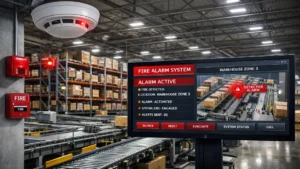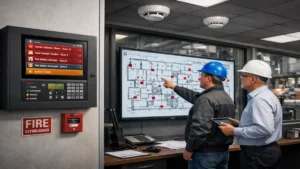
Fire detection technology is evolving quickly and one of the most significant advancements in recent years is the adoption of intelligent multi-sensor detectors. These detectors combine multiple sensing technologies, typically smoke, heat and sometimes CO (carbon monoxide), to provide faster, smarter and more reliable fire detection. Among the widely used options in commercial and industrial markets, the GST Intelligent Multi-Sensor Detector has gained attention because of its combination of advanced detection algorithms and compatibility with modern addressable fire alarm systems.
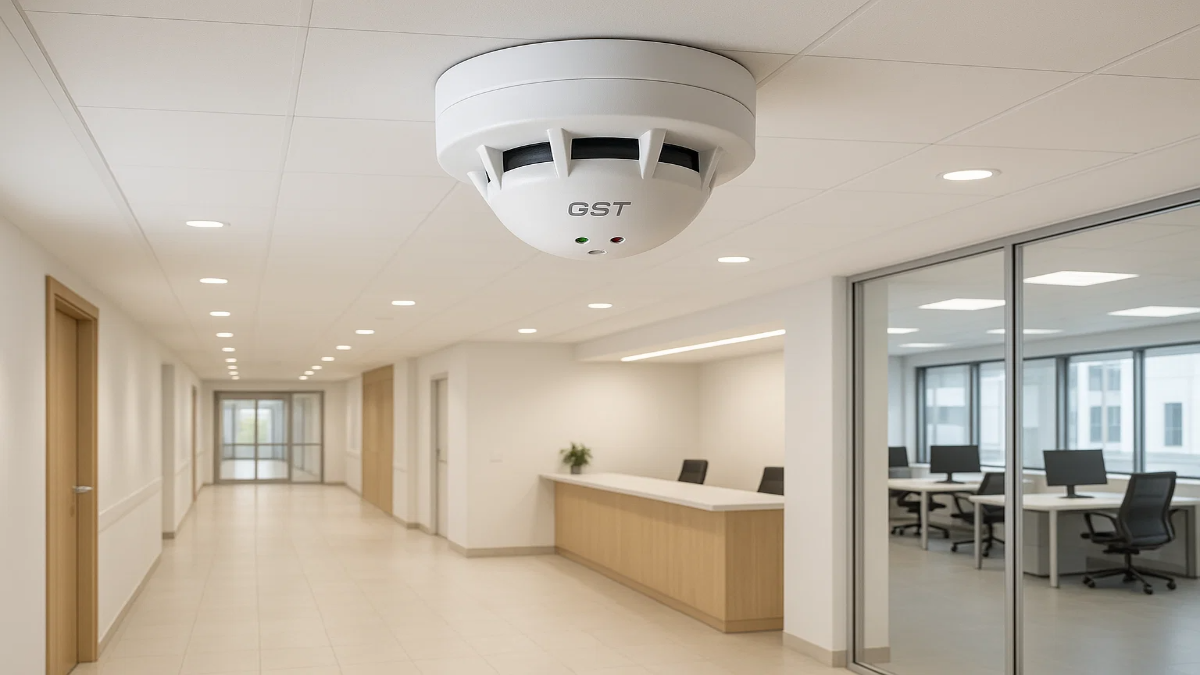
In this article, you will learn what makes multi-sensor detectors essential, how GST’s intelligent design improves fire safety and where these detectors deliver the highest value. The goal is to help building owners, consultants, contractors and facility managers make informed decisions about deploying multi-sensor technology effectively.
Understanding Intelligent Multi-Sensor Detection
Traditional fire detectors rely on a single principle, either smoke, heat or gas detection. While functional, they come with certain limitations. For example, smoke detectors may trigger nuisance alarms in dusty or humid environments and heat detectors may respond more slowly to smouldering fires.
Intelligent multi-sensor detectors solve this gap by combining more than one sensing element. Most commonly, they integrate optical smoke detection with rate-of-rise or fixed-temperature heat sensors. Some high-end versions may add CO detection to identify slow-burning fires earlier than smoke-based devices can.
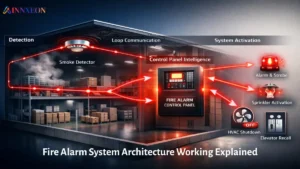
The intelligence comes from the built-in algorithms that evaluate patterns, analyse multiple parameters at the same time and make decisions based on real-time environmental data. This multi-dimensional approach significantly reduces false alarms while speeding up genuine fire detection.
GST multi-sensor detectors follow this same advanced logic, using dual-sensor technology supported by their addressable fire alarm protocol. This makes them effective in a variety of challenging environments where conventional detectors fall short.
Key Advantages of GST Intelligent Multi-Sensor Detectors
A multi-sensor detector brings important benefits, especially when integrated into a professional fire alarm ecosystem.
- Stronger fire detection accuracy: When smoke and heat data are analysed together, the system is better at distinguishing real fire signatures from harmless disturbances like steam or dust. This dual evaluation improves accuracy and reduces misinterpretations.
- Reduced false alarms in a complex environment: False alarms are disruptive and expensive. Restaurants, factories and hotel kitchens often face false alarms with single-technology smoke detectors. A multi-sensor detector helps avoid unnecessary evacuations and operational downtime.
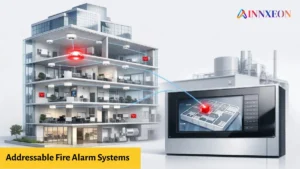
- Compatibility with addressable systems: Since GST multi-sensor detectors work with addressable panels, they offer pinpoint location identification, faster response and easier maintenance compared to conventional devices.
- Better response to diverse fire types: Different fires produce different signatures. Some produce a lot of heat early; others produce thick smoke first. A multi-sensor detector can detect both smouldering and flaming fires effectively.
- Advanced algorithmic intelligence: Beyond the physical sensor elements, the internal software within GST multi-sensor detectors enhances situational analysis. This digital intelligence helps the system adjust sensitivity levels and prevent false triggers.
These strengths make multi-sensor detectors a reliable option, especially in settings where fire behaviour can vary.
Best Use Cases for GST Intelligent Multi-Sensor Detectors
Multi-sensor detectors are not meant for every environment, but they excel in areas where a single technology might struggle. Below are the situations where GST intelligent multi-sensor detectors perform best and offer long-term benefits.
Hotels and Hospitality Spaces
Hotels require detection systems that are both highly sensitive and free from nuisance alarms. Guests may use showers, hair dryers and steam-producing appliances, which often cause false alarms in traditional smoke-only detectors. The GST multi-sensor detector evaluates both smoke and heat trends, making it more accurate in distinguishing real fire conditions from humidity or steam.
Guest rooms, corridors, reception areas and lounges benefit from intelligent detection because they have varied fire risks. The multi-sensor design offers stability, precise monitoring and quick alerts without unnecessary disruptions to guests or staff. The environment requires a well-balanced approach to sensitivity, making multi-sensor technology ideal.
Hospitals and Healthcare Facilities
Healthcare spaces are complex environments with sensitive equipment, oxygen cylinders, chemical storage rooms and patient areas that require continuous monitoring without disturbance. False alarms in hospitals can cause panic, interrupt patient care and delay critical operations.
In this case, GST’s intelligent multi-sensor detectors offer a stable and reliable detection mechanism. The heat-and-smoke combination helps differentiate actual risks from operational activities such as warm airflows, disinfectant vapours or minor dust disturbances during cleaning.
The detectors enhance safety in patient rooms, intensive care units, diagnostic centres, rehabilitation blocks and administrative floors. Their accuracy ensures uninterrupted operations and a safer environment for patients, visitors and staff.
Corporate Offices and IT Workspaces
Offices are ideal environments for multi-sensor technology because fire risks vary widely. Electrical rooms, conference halls, pantry spaces, cubicles and server areas have different fire signatures. Using individual smoke detectors alone may not provide comprehensive protection.
Multi-sensor detectors work well in office settings because they respond quickly to smouldering fires caused by wires, appliances and electrical faults. They also help in large open spaces where air-conditioning can delay the buildup of smoke. The dual detection principle ensures faster identification of both slow and fast-developing fires.
In workplaces with expensive hardware and high occupancy levels, intelligent detectors help ensure business continuity and protect valuable assets.
Commercial Buildings, Malls and Complexes
Large commercial buildings experience fluctuating occupancies and diverse fire risks, from retail stores and food courts to entertainment zones. A multi-sensor detector simplifies fire system design by reducing the need for different types of detectors in varied areas.
Retail stores often generate dust when unpacking inventory. Food courts release heat and light smoke. Escalator spaces, basements and corridors experience airflow changes. The GST multi-sensor detector intelligently distinguishes between harmless environmental variations and real fire indicators.
The detectors also integrate well with centralised addressable fire alarm panels, which is crucial for large properties where real-time monitoring and zone identification are necessary.
Factories, Light Industries and Manufacturing Units
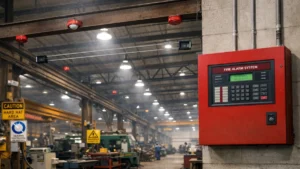
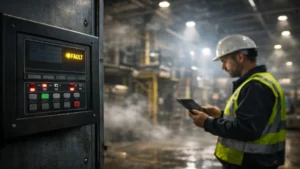
Industrial environments often challenge traditional smoke detectors. Dust, fumes, temperature variations and machinery emissions can lead to false alarms and maintenance issues. While some zones may require heat detectors only, many indoor areas still need smoke detection.
This is where multi-sensor detectors strike a balance.
They deliver accurate detection without overly sensitive triggers. For example, in packaging areas, assembly lines, light manufacturing units, printing zones and certain warehouse sections, heat and smoke both play essential roles. The GST detector’s intelligence helps differentiate between operational processes and actual fire threats.
When used strategically with industrial ventilation and housekeeping practices, multi-sensor detectors provide an effective solution for production facilities.
Educational Institutions and Schools
Schools and colleges face mixed environments, from classrooms and libraries to labs and auditoriums. These spaces need quick and accurate detection but cannot afford false alarms that interrupt ongoing sessions.
Multi-sensor detectors reduce alarm disruptions caused by chalk dust, humidity or minor fumes from science labs. They also provide faster response in high-occupancy areas such as auditoriums, cafeterias and hostels, ensuring timely evacuation if needed.
Their balanced sensitivity makes them highly effective across wide educational spaces.
Warehouses, Storage Facilities and Logistics Buildings
Warehouses store diverse materials, some of which may produce low-level heat or slow smoke during early fire stages. High ceilings and air circulation systems complicate early detection.
Multi-sensor detectors are suitable for mid-height warehouses, cold-storage corridors, packaging zones, document storage areas and logistic hubs where both heat and smoke signatures must be evaluated. They offer better responsiveness in mixed-risk storage conditions and reduce the chances of late fire detection.
GST devices also integrate with monitoring panels capable of sending alerts directly to control rooms or facility management teams, improving emergency response time.
Residential Complexes and Smart Buildings
Modern residential buildings with BMS (Building Management System) and addressable fire panels benefit from multi-sensor detectors because they offer stable protection across various home environments.
Cooking fumes, bathing steam and HVAC airflows often cause false alarms in traditional smoke detectors. A multi-sensor device avoids unnecessary triggers by verifying the heat pattern along with smoke concentration.
Apartments, villa projects, gated communities and co-living spaces increasingly prefer advanced multi-sensor systems due to their reliability and compatibility with central fire alarm infrastructures.
Why Multi-Sensor Detectors Are Becoming a Global Standard
Global fire safety codes and building regulations are gradually recommending multi-sensor technology, especially in sensitive or mixed-risk environments. Intelligent detectors contribute to life safety, asset protection and operational efficiency.
They offer:
- Enhanced detection accuracy
- Reduced nuisance alarms
- Adaptive sensitivity control
- Improved fire response time
- Compatibility with modern panels and monitoring systems
The GST multi-sensor detector aligns with these global trends through stable performance, advanced design and system integration capabilities. Its intelligent algorithmic evaluation helps the device perform consistently in real-world conditions, making it a preferred choice among installers, consultants and facility planners.
How to Decide if a Multi-Sensor Detector Is Right for Your Project
A multi-sensor detector is ideal when:
- Your environment has variable fire risks
- You require high accuracy and minimal false alarms
- Your building uses an addressable fire alarm system
- You need reliable detection in mixed-activity zones
- You want stable performance with reduced maintenance issues
However, highly dusty, windy or extremely hot industrial areas may still require specialised detectors (beam detectors, flame detectors, or heat-only detectors). Multi-sensor detectors perform best when installed in controlled indoor environments, but can be used widely with proper design and placement.
Consultants and safety engineers often evaluate risk zone-by-zone to determine the ideal balance of detection technologies.
Note: The GST Intelligent Multi-Sensor Detector combines advanced sensing, improved stability and smart fire detection logic, making it highly suitable for diverse commercial, industrial and residential applications. It plays a crucial role in minimising false alarms while improving fire response, making it valuable in hotels, hospitals, offices, schools, malls, warehouses and more.
With its intelligent design and ability to handle complex environments, the GST multi-sensor detector stands as a practical and reliable choice for modern fire safety systems. When used in the right zones, it enhances protection, ensures operational continuity and delivers long-term peace of mind.
Read Also: Why GST Fire Alarm Costs Less in Long-Term Maintenance
Read Also: Buy Fire Alarm Accessories (Modules, Hooters, Detectors) – Checklist