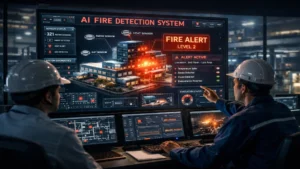
Industrial facilities operate in complex environments where safety, legal regulations and operational standards must work together. Compliance is not just a bureaucratic requirement; it is the foundation of safe and uninterrupted industrial operations. When organisations fail to meet regulatory compliance requirements, the consequences can be severe, ranging from financial penalties to complete shutdown of operations.

Across industries such as manufacturing, warehousing, oil and gas, pharmaceuticals and infrastructure development, regulatory authorities enforce strict compliance frameworks. These regulations cover areas such as workplace safety, fire protection systems, environmental protection, electrical safety and operational procedures. If businesses fail to comply, they risk not only legal action but also operational disruptions that can impact productivity, reputation and long-term growth.
This article explains how compliance failures can shut down industrial operations, why they occur and how organisations can prevent them through proactive strategies.
What Is Compliance in Industrial Operations?
Compliance refers to the process of following all applicable laws, regulations, industry standards and safety guidelines that govern industrial activities. These requirements are designed to ensure safe working conditions, protect the environment and reduce risks to people and assets.
Industrial compliance usually covers several areas, including:
- Workplace safety regulations
- Fire safety standards
- Environmental protection laws
- Electrical safety requirements
- Equipment maintenance standards
- Building and infrastructure safety codes
- Data and security regulations in modern automated facilities
Regulatory authorities and government agencies conduct inspections to ensure organisations meet these requirements. When violations are discovered, authorities may impose fines, issue warnings, suspend licenses or shut down operations entirely.
Why Compliance Matters in Industrial Environments
Industrial operations involve heavy machinery, hazardous materials, electrical systems and complex workflows. Even small compliance gaps can create serious risks.
Compliance helps organisations:
- Protect employee safety
- Prevent fire and industrial accidents
- Maintain operational continuity
- Avoid legal penalties
- Protect corporate reputation
- Ensure long-term sustainability
When organisations ignore compliance requirements, they expose themselves to operational disruptions that can halt production lines, damage equipment, and endanger lives.
Major Compliance Failures That Can Shut Down Industrial Operations
1. Fire Safety Compliance Violations
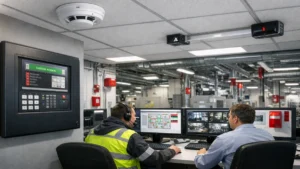
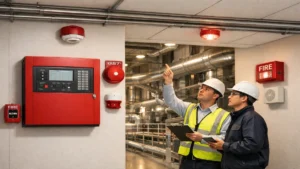
Fire safety compliance is one of the most critical regulatory requirements in industrial environments. Facilities that fail to install or maintain proper fire protection systems can face immediate shutdown orders.
Common fire safety compliance failures include:
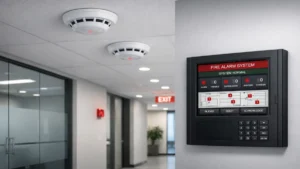
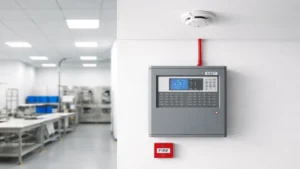
- Lack of fire alarm systems
- Non-functional smoke detectors
- Improper fire sprinkler installations
- Blocked emergency exits
- Expired fire extinguishers
- Inadequate evacuation plans
Industrial fires can spread rapidly due to combustible materials, chemicals and electrical equipment. Because of this risk, regulatory authorities enforce strict fire safety inspections.
If inspectors identify serious fire safety violations, they may suspend facility operations until corrective actions are completed.
2. Environmental Compliance Violations
Environmental regulations are designed to protect air, water and land from industrial pollution. Many industries must comply with strict environmental standards regarding emissions, waste disposal and hazardous materials management.
Failure to comply with environmental regulations can result in:
- Operational shutdown orders
- Heavy financial penalties
- Legal actions and lawsuits
- Revocation of operating permits
Common environmental compliance failures include:
- Improper disposal of hazardous waste
- Air pollution beyond permitted levels
- Water contamination from industrial discharge
- Failure to maintain environmental monitoring systems
Industrial shutdowns due to environmental violations are increasingly common as governments strengthen environmental enforcement policies.
3. Workplace Safety Violations
Workplace safety compliance protects employees from injuries, accidents and hazardous working conditions. Industrial workplaces are required to follow safety standards related to equipment usage, worker training and protective measures.
Examples of workplace safety violations include:
- Lack of employee safety training
- Unsafe machinery operations
- Missing protective equipment
- Poor hazard communication
- Failure to maintain safety documentation
When safety inspectors identify serious violations, authorities may suspend operations until safety improvements are implemented.
Industrial accidents caused by safety violations can lead to investigations, lawsuits and extended shutdowns that disrupt production for weeks or months.
4. Electrical Safety Non-Compliance
Industrial facilities rely heavily on complex electrical systems that power machines, lighting, control systems and automation equipment. Improper electrical installations or poor maintenance can create serious fire and safety risks.
Electrical compliance failures often include:
- Overloaded circuits
- Faulty wiring
- Lack of proper grounding
- Absence of circuit protection devices
- Uncertified electrical installations
Electrical fires are a leading cause of industrial accidents. Regulatory authorities frequently inspect electrical systems to ensure compliance with safety codes.
If serious electrical hazards are identified, operations may be halted immediately to prevent potential disasters.
5. Equipment Maintenance Failures
Industrial machines require regular inspection and maintenance to operate safely and efficiently. Compliance regulations often require documented maintenance schedules and equipment certifications.
Common maintenance-related compliance issues include:
- Failure to inspect machinery regularly
- Lack of preventive maintenance records
- Operating outdated or unsafe equipment
- Ignoring manufacturer safety guidelines
When equipment failures cause safety risks, regulatory authorities may shut down production lines until proper maintenance procedures are implemented.
6. Building and Infrastructure Compliance Issues
Industrial buildings must comply with structural safety codes, emergency infrastructure requirements and facility design standards.
Compliance failures related to infrastructure can include:
- Structural weaknesses in buildings
- Inadequate emergency evacuation routes
- Improper storage of hazardous materials
- Unsafe warehouse racking systems
Regulatory inspectors may suspend facility operations if infrastructure risks threaten employee safety or operational stability.
Real Consequences of Compliance Failures
Compliance violations can trigger several serious consequences that affect both operations and business sustainability.
Immediate Operational Shutdown
In severe cases, regulatory authorities can order an immediate shutdown of the facility until compliance issues are resolved. This can stop production instantly, causing major financial losses.
Financial Penalties
Regulatory fines can be extremely costly, especially for repeated violations. Some penalties increase based on the severity of the violation and the duration of non-compliance.
Legal Liability
If compliance failures lead to accidents, injuries, or environmental damage, companies may face legal action, compensation claims and criminal investigations.
Reputational Damage
Industrial accidents caused by compliance failures often attract media attention. Negative publicity can damage a brand’s reputation and reduce customer trust.
Loss of Operating Licenses
In extreme cases, authorities may permanently revoke operating permits, forcing businesses to close facilities entirely.
Why Compliance Failures Happen in Industrial Facilities
Despite strict regulations, many organisations still experience compliance failures. Several factors contribute to these issues.
Lack of Compliance Awareness
Some organisations underestimate the importance of regulatory requirements or fail to stay updated with changing regulations.
Poor Documentation and Record Keeping
Regulatory inspections often require detailed documentation related to maintenance, safety training and operational procedures. Missing records can result in compliance violations.
Budget Constraints
Some organisations delay safety upgrades or compliance improvements due to budget limitations, increasing operational risks.
Rapid Industrial Expansion
When facilities expand quickly, compliance management can become difficult. New equipment, buildings and processes may not meet regulatory requirements.
Inadequate Safety Culture
Organisations that do not prioritise safety and compliance often experience repeated violations and operational disruptions.
How Industrial Facilities Can Prevent Compliance Failures
Preventing compliance failures requires a proactive and structured approach to safety management and regulatory adherence.
Conduct Regular Compliance Audits
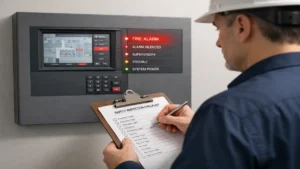
Internal audits help identify compliance gaps before regulatory inspectors do. Organisations should conduct regular safety, fire protection and environmental compliance assessments.
Implement Preventive Maintenance Programs
Routine equipment maintenance ensures machines operate safely and meet regulatory standards.
Install Advanced Safety Systems
Modern industrial facilities should implement technologies such as:
- Smart fire detection systems
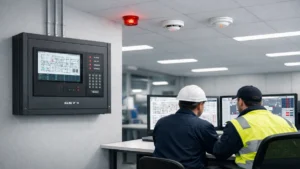
- Automated safety monitoring systems
- Environmental monitoring solutions
- Integrated alarm and evacuation systems
These technologies help detect risks early and prevent compliance violations.
Train Employees on Compliance Requirements
Employee awareness plays a critical role in maintaining compliance. Organisations should conduct regular training programs covering:
- Workplace safety procedures
- Fire safety protocols
- Emergency response plans
- Equipment handling guidelines
Maintain Proper Documentation
Accurate documentation of maintenance activities, safety training and inspections is essential during regulatory audits.
Work with Compliance Experts
Many organisations partner with compliance consultants and safety professionals who help ensure facilities meet all regulatory standards.
The Role of Technology in Compliance Management
Modern technology is transforming compliance management in industrial environments.
Advanced digital systems now allow organisations to monitor safety conditions in real time. Examples include:
- IoT-based safety sensors
- Automated compliance tracking software
- Predictive maintenance systems
- AI-powered risk detection tools
These technologies help organisations identify compliance risks before they escalate into regulatory violations.
Digital compliance platforms also simplify documentation, reporting and audit preparation.
Future Trends in Industrial Compliance
Industrial compliance regulations continue to evolve as governments prioritise worker safety and environmental protection.
Several trends are shaping the future of compliance management:
- Increased automation in safety monitoring
- Stricter environmental regulations
- Greater use of AI and data analytics in compliance inspections
- Integration of smart safety systems in industrial infrastructure
Organisations that adopt modern safety technologies and compliance management systems will be better prepared to meet these evolving requirements.
Note: Compliance failures are not minor administrative issues; they can completely shut down industrial operations. Violations related to fire safety, workplace safety, environmental protection, electrical systems and equipment maintenance can trigger serious consequences, including operational shutdowns, financial penalties and legal liabilities.
Industrial organisations must treat compliance as a strategic priority rather than a regulatory burden. By implementing proactive safety practices, adopting modern technologies and maintaining strong compliance management systems, businesses can reduce operational risks and maintain uninterrupted operations.
A culture of compliance not only protects workers and assets but also strengthens operational resilience, reputation and long-term business sustainability.
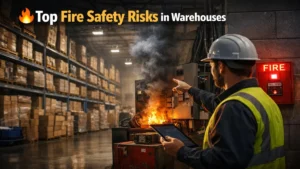
Read Also: Top Fire Safety Risks in Warehouses and Manufacturing Plants
Read Also: How Technology Is Transforming Modern Fire Safety Systems?