In large fire safety projects, consultant technical audits decide which fire alarm systems get approved and which get rejected. Consultants evaluate systems based on international standards, reliability, scalability, documentation and real-world performance. A single technical mismatch can delay approvals, increase project costs, or force a complete redesign.
Over the years, GST fire alarm panels by Gulf Security Technology have consistently passed these audits across commercial buildings, industrial plants, hospitals, airports and high-rise developments. Their success is not accidental. It results from strong engineering design, compliance with global standards and transparent technical documentation.
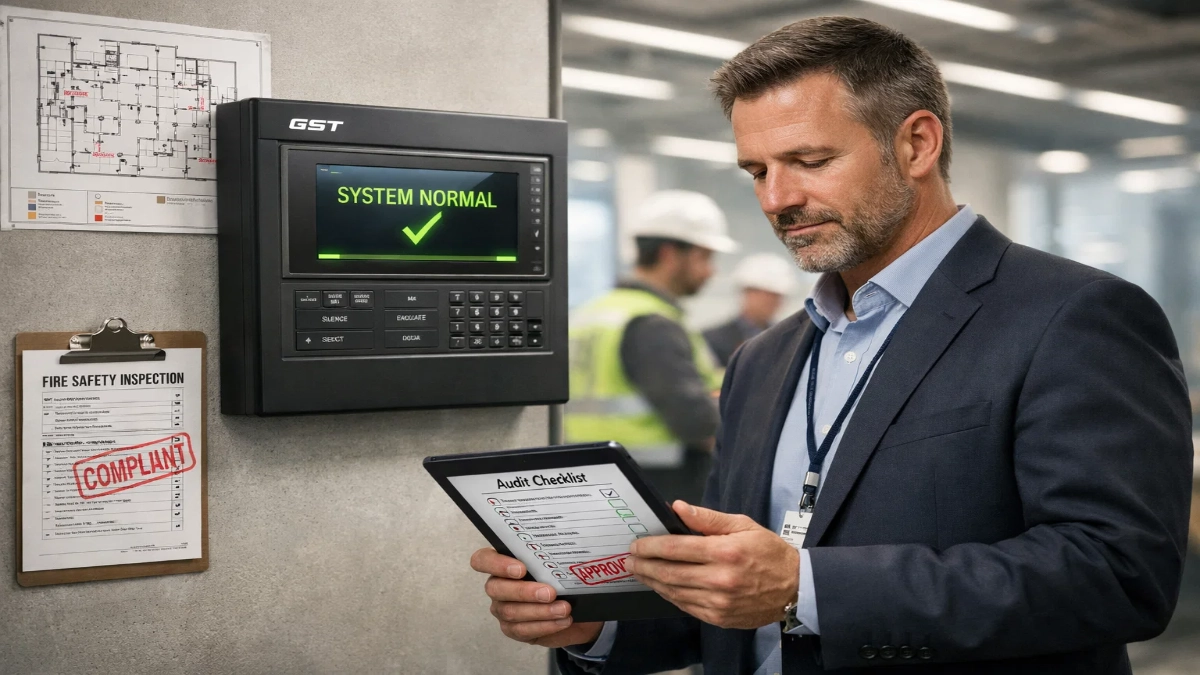
This article explains how GST fire alarm panels meet and exceed consultant audit expectations, and why consultants often approve GST systems for complex projects.
Understanding Consultant Technical Audits
What Is a Fire Alarm Consultant Audit?
A consultant technical audit is a structured evaluation of a fire alarm system before or during project execution. Consultants review:
- Panel architecture and processing capability
- Compliance with EN, UL and local fire codes
- Loop design, isolation, and fault tolerance
- Power redundancy and battery calculations
- Device compatibility and address capacity
- Documentation, drawings and test reports
Only systems that pass all checkpoints receive final approval.
Compliance with International Fire Safety Standards
Strong Foundation with Global Certifications
One of the primary reasons GST panels pass audits is clear compliance with international standards. Consultants prefer systems that reduce approval risk.
GST fire alarm panels comply with:
- EN 54 series standards for fire detection and alarm systems
- Relevant UL listings for selected models
- Local fire authority norms across multiple regions
This compliance reassures consultants that the gst fire alarm system follows globally accepted safety benchmarks.
Why Standards Matter to Consultants
Standards ensure:
- Predictable system behaviour during emergencies
- Interoperability with certified devices
- Long-term reliability and legal compliance
GST provides certificates, test reports and scope documents, making audit verification faster and smoother.
Robust Panel Architecture That Auditors Trust
Advanced Processing and Memory Design
Consultants examine how a panel handles data under stress conditions. GST panels use high-performance microprocessors and optimised firmware to process thousands of events without lag.
This capability becomes critical in large installations using an addressable fire alarm panel, where hundreds or thousands of devices communicate simultaneously.
Stable System Logic
GST panels maintain:
- Clear cause-and-effect programming
- Deterministic response times
- Event prioritisation for fire, fault and supervisory signals
Auditors value predictable logic because it reduces false alarms and ensures a fast response.
Superior Loop Design and Fault Isolation
Why Loop Stability Is a Key Audit Parameter
Consultants closely analyse loop behaviour. A single short circuit should never disable an entire system.
GST panels excel here due to:
- Built-in loop isolation technology
- Support for isolator modules and isolator bases
- Automatic fault segmentation and recovery
If a loop fault occurs, unaffected sections remain operational, an essential audit requirement.
Addressable vs Conventional Evaluation
In projects comparing an addressable fire alarm panel with a conventional fire alarm panel, consultants often approve GST addressable systems because they offer:
- Device-level fault identification
- Faster troubleshooting
- Lower maintenance downtime
High Device Capacity for Complex Buildings
Handling High Device Density with Ease
Modern buildings require thousands of detection points. GST panels support high device counts per loop without compromising performance.
This capability allows consultants to:
- Reduce the number of panels
- Simplify system topology
- Lower infrastructure costs
GST panels integrate seamlessly with addressable detectors, including smoke, heat and multi-sensor devices.
Reliable Power Management and Redundancy
Audit Focus on Power Calculations
Consultants verify whether a system can operate during mains failure. GST panels meet audit expectations with:
- Dual power supply architecture
- Accurate battery charging and monitoring
- Extended standby and alarm duration support
GST provides clear battery calculation sheets, which consultants can easily validate during audits.
Fault-Tolerant Power Design
Even if one power module fails, the system continues to operate. This redundancy strengthens confidence during technical evaluation.
Clear and Transparent Technical Documentation
Documentation That Auditors Appreciate
One of the most common reasons systems fail audits is poor documentation. GST avoids this problem by offering:
- Detailed product datasheets
- Loop loading calculations
- Wiring diagrams and topology examples
- Cause-and-effect programming guides
Consultants can quickly verify compliance without requesting repeated clarifications.
Compatibility with Addressable and Conventional Devices
Flexible System Design
Consultants often work on projects with mixed requirements. GST supports:
- Advanced addressable detectors for large zones
- Reliable conventional detectors for smaller or legacy areas
This flexibility helps projects transition from conventional fire alarm panel setups to modern addressable systems without full replacement.
Real-World Testing and Proven Performance
Factory and Site Acceptance Tests
GST panels undergo:
- Factory Acceptance Testing (FAT)
- Site Acceptance Testing (SAT)
- Environmental and endurance testing
Consultants review these test records to confirm real-world reliability.
Proven Installations Build Trust
GST fire alarm systems operate successfully in:
- Airports and metro stations
- Hospitals and data centers
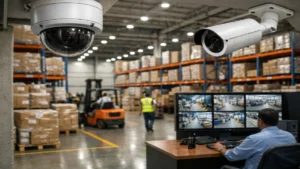
- Industrial plants and warehouses
This field history gives consultants confidence during technical audits.
Network Capability for Large Projects
Scalable Panel Networking
GST panels support networking across multiple buildings and zones. Consultants value this because it enables:
- Centralized monitoring
- Redundant communication paths
- Future system expansion
This scalability is essential for campuses, IT parks and industrial estates.
Cyber and System Security Considerations
Protecting Fire Alarm Integrity
Modern audits include system integrity checks. GST panels include:
- Secure configuration access
- Controlled programming permissions
- Stable firmware update processes
These measures prevent unauthorised changes that could compromise safety.
How GST Simplifies Consultant Approval Cycles
Faster Technical Clearances
Because GST systems meet audit expectations from the start, projects benefit from:
- Fewer design revisions
- Faster consultant sign-offs
- Reduced project delays
This efficiency saves time for developers, contractors and consultants alike.
Future-Ready Design for Evolving Fire Codes
Fire safety regulations continue to evolve. GST designs its panels with firmware upgradability and modular expansion in mind. Consultants appreciate systems that remain compliant without major hardware changes.
Why GST Consistently Passes Consultant Technical Audits
GST fire alarm panels succeed in consultant audits because they combine engineering excellence, global compliance, robust design and transparent documentation. They address every critical audit parameter, from loop stability and power redundancy to scalability and real-world reliability.
- For consultants, GST represents low approval risk.
- For developers, it ensures project continuity.
- For end users, it delivers long-term fire safety confidence.
This is why GST fire alarm systems continue to earn consultant approval across diverse and demanding fire safety projects.
Read Also: Multi-Site Deployment Comparison Using GST Addressable Panels
Read Also: Why Engineers Choose GST-IFP4E Addressable Fire Alarm Panel for Mid-to-Large Projects