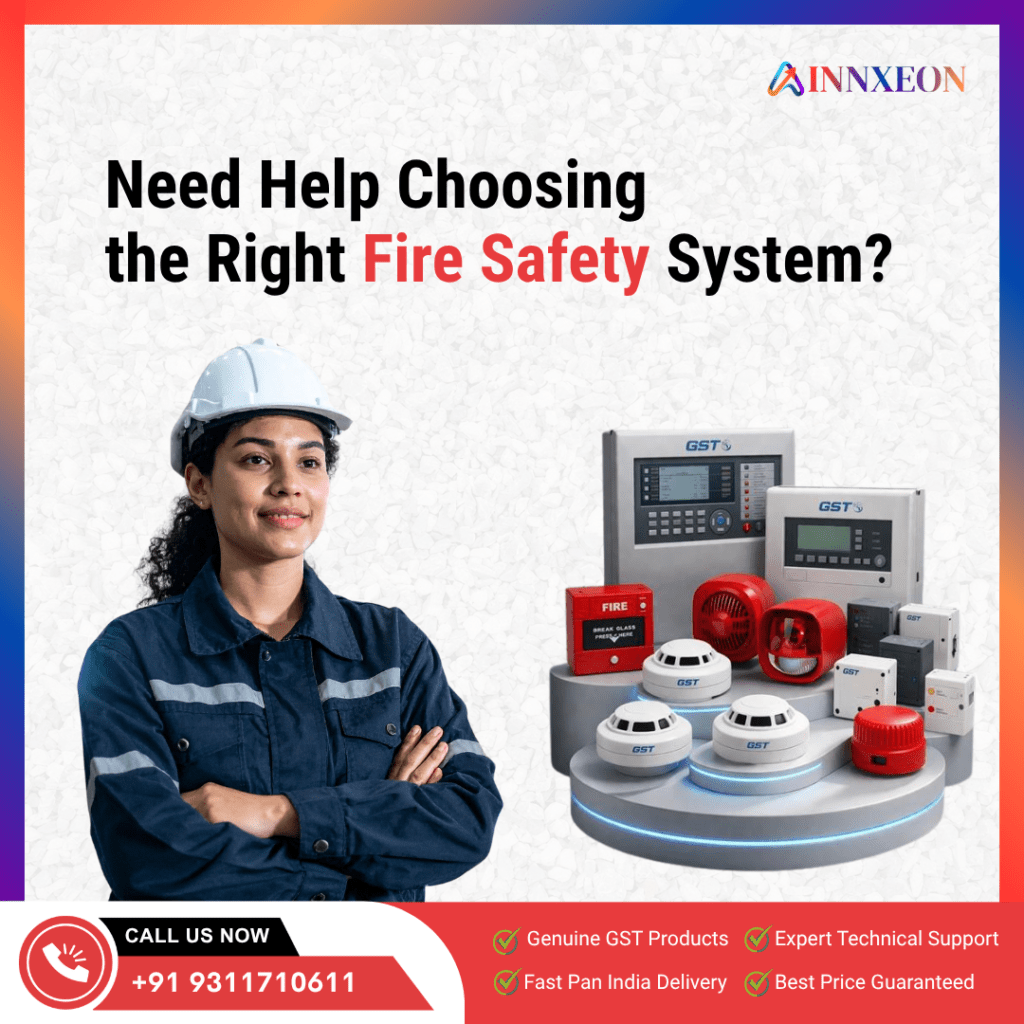
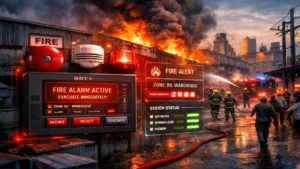
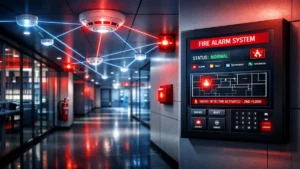
Fire safety in modern buildings is no longer just about installing detectors and sirens. Today, intelligent protection depends on one central component, the Fire Alarm Control Panel (FACP). It acts as the brain of the entire fire alarm system, continuously monitoring devices, processing signals and initiating life-saving actions within seconds.
Whether you are designing a hospital, factory, high-rise tower, campus or data centre, selecting the right panel directly affects system reliability, response speed, compliance and long-term maintenance costs.
Among the trusted global technologies available today, solutions from Gulf Security Technology (GST) are widely recognised for robust engineering, intelligent networking and dependable performance in mission-critical environments.
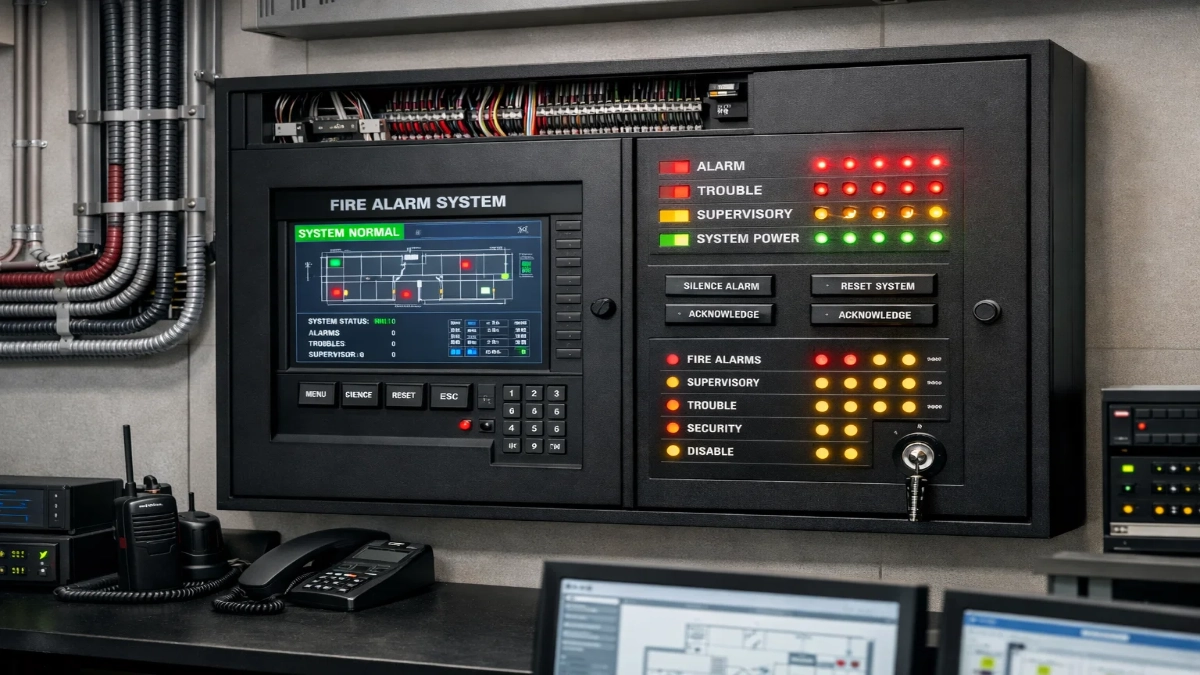
This article breaks down the key technical parameters that define a reliable fire alarm control panel and helps consultants, system integrators and facility managers make confident decisions.
Why the Fire Alarm Control Panel Matters
Think of the control panel as:
- The brain – processes all signals
- The heart – powers devices
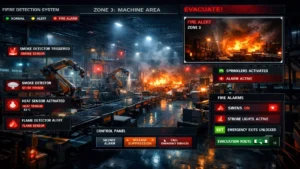
- The decision maker – triggers alerts and actions
- The communication hub – integrates with ELV systems
If the panel fails, the entire system fails, no matter how good your detectors are.
That’s why technical specifications matter more than just pricing.
1. System Architecture: Addressable vs Conventional
The first and most fundamental parameter is architecture type.
Addressable Systems (Recommended for modern buildings)
An addressable fire alarm panel communicates individually with each device. Every detector has a unique ID.
Conventional Systems (For small or simple sites)
A conventional fire alarm panel divides the building into zones rather than individual devices.
Quick Comparison
| Parameter | Addressable | Conventional |
|---|---|---|
| Device Identification | Individual | Zone-based |
| Fault Finding | Fast | Manual |
| Scalability | High | Limited |
| Cabling | Less | More |
| Intelligence | Advanced | Basic |
Expert Tip: For medium to large facilities, always choose an addressable system. It reduces troubleshooting time and enhances safety.
2. Loop Capacity & Device Count
A reliable panel must support sufficient devices per loop.
Key specs to evaluate:
- Devices per loop (125 / 250 / 300+)
- Total loops supported
- Expandable architecture
- Mixed devices capability
Why it matters:
- Reduces hardware costs
- Saves wiring
- Improves scalability
- Future expansion friendly
Modern gst fire alarm system panels often support high device density, allowing more detectors and modules on a single loop without signal degradation.
3. Processor Intelligence & Detection Algorithms
A panel’s CPU determines how smart the system behaves.
Look for:
- Multi-core or high-speed processor
- Drift compensation
- False alarm filtering
- Adaptive sensitivity
- Event correlation logic
Benefits:
- Fewer nuisance alarms
- Faster detection
- Higher reliability
- Better safety outcomes
Advanced systems dynamically adjust sensitivity based on environmental conditions like dust, humidity and temperature.
4. Communication Protocol Reliability
Fire alarm panels must maintain continuous two-way communication with devices.
Critical parameters:
- Digital communication protocol
- Error checking (CRC)
- Noise immunity
- Loop fault tolerance
- Short-circuit isolation
Without these, devices may go offline unnoticed.
Reliable systems, especially those from GST, use stable proprietary protocols that maintain communication even in harsh industrial conditions.
5. Power Supply & Battery Backup
During a fire, power failures are common.
A dependable panel must operate even without mains power.
Essential checks:
- Built-in SMPS
- 24–72 hours standby
- 30+ minutes alarm load
- Automatic battery charging
- Overload protection
Why critical:
Because a panel without power equals zero protection.
Always ensure batteries meet local fire codes.
6. Redundancy & Fault Tolerance
Reliability increases when the system keeps running even after faults.
Must-have features:
- Dual CPU
- Loop isolation modules
- Redundant power supply
- Network redundancy
- Fault segmentation
Outcome:
- One fault doesn’t shut down the entire system
- Improved uptime
- Safer facilities
For large campuses, redundancy is not optional; it’s mandatory.
7. Networking & Scalability
Modern buildings require multi-panel networking.
Look for:
- Peer-to-peer networking
- Fibre optic support
- TCP/IP integration
- Multi-building connectivity
- Centralized monitoring
Benefits:
- Campus-wide control
- Central command room
- Faster response
- Easy expansion
Advanced gst fire alarm system networks can connect dozens of panels across large sites.
8. Integration with Other ELV Systems
A reliable panel must integrate with:
- BMS
- HVAC
- CCTV
- Access control
- PA/VA systems
- Elevators
Integration methods:
- Modbus
- BACnet
- Relay outputs
- API
- Dry contacts
Why important:
Fire events require coordinated responses, such as:
- Stopping AHU
- Unlocking doors
- Triggering announcements
- Activating smoke extraction
Without integration, evacuation becomes chaotic.
9. User Interface & Usability
Operators must act quickly during emergencies.
Good panels offer:
- Large LCD/Touchscreen
- Colour-coded status
- Event logs
- Graphical maps
- Simple menus
- Multi-language support
Result:
- Faster decisions
- Reduced human error
- Easier training
Complex interfaces slow down emergency response.
10. Compliance & Certifications
Always verify:
- EN54
- UL / FM
- LPCB
- Local fire authority approvals
Compliance ensures:
- Tested performance
- Legal acceptance
- Insurance approval
- Trustworthiness
Panels lacking certification should never be installed.
11. Detector Compatibility
The panel must support both:
Consider:
- Multi-sensor detectors
- Heat detectors
- Beam detectors
- Flame detectors
- Gas detectors
Broader compatibility = flexible system design.
12. Maintenance & Diagnostics
Maintenance determines long-term reliability.
Smart features include:
- Auto device testing
- Loop diagnostics
- Dirty detector alerts
- Fault history logs
- Remote monitoring
Benefit:
Reduces downtime and service costs.
Technicians can locate issues within minutes instead of hours.
13. Event Logging & Reporting
A reliable panel should store:
- 5,000–100,000 events
- Timestamped logs
- Export capability
- Alarm history
- Compliance reports
Useful for:
- Fire audits
- Incident investigation
- Insurance documentation
14. Environmental Durability
Panels must operate in harsh conditions.
Check for:
- Temperature tolerance
- Dust protection
- EMI resistance
- Humidity tolerance
- Metal enclosure
Industrial facilities require rugged designs.
Why GST Panels Stand Out
Across these technical parameters, Gulf Security Technology solutions consistently deliver:
- High loop capacity
- Stable communication
- Intelligent algorithms
- Strong networking
- Reliable hardware
- Global certifications
- Long lifecycle support
This makes GST ideal for:
- Airports
- Hospitals
- Data centers
- Smart campuses
- Industrial plants
- High-rise buildings
Final Thoughts
Choosing a fire alarm control panel is not just a purchase decision; it’s a life safety decision.
Focus on:
- Architecture
- Scalability
- Intelligence
- Redundancy
- Integration
- Certification
When these parameters are strong, the system performs reliably during real emergencies.
If you want fewer false alarms, easier maintenance and higher safety confidence, invest in a future-ready addressable fire alarm panel with proven technology like a GST fire alarm system.
Because when seconds matter, reliability saves lives.
Read Also: Interface Challenges Between Fire Alarm Systems and Other ELV Networks
Read Also: Fire Alarm + PAVA Integration: A Smarter Emergency Communication Strategy