Fire safety is not just a compliance requirement. It is a board-level risk.
When a fire incident occurs in an industrial facility, the consequences extend far beyond damaged equipment. Investigations begin. Insurance assessments follow. Regulatory scrutiny intensifies. And leadership decisions come under review.
If you are a CEO, plant head, project consultant or procurement leader, you carry more legal responsibility than you may realise.
Let us walk through this together, not as a theoretical discussion, but as a practical engineering and risk management conversation.
Why Legal Liability in Fire Safety Is a Leadership Issue
Legal liability in fire safety refers to the responsibility business leaders hold for preventing, detecting and responding to fire risks within their facilities. If systems are inadequate, improperly maintained, or non-compliant, organisations may face civil lawsuits, criminal charges, regulatory penalties, insurance rejection and long-term reputational damage.
When we approve budgets, delay upgrades or ignore risk assessments, we are not making operational decisions alone. We are shaping legal exposure.
After any major fire incident, investigators ask:
- Was risk assessed?
- Was detection adequate?
- Was the system compliant with codes?
- Was maintenance documented?
- Was management aware of deficiencies?
If the answer to any of these is “no,” liability shifts upward.
What Is Legal Liability in Fire Safety?
Legal liability in fire safety is the obligation of property owners, employers and decision-makers to implement adequate fire prevention, detection and protection systems in accordance with applicable laws and safety standards. Failure to meet these obligations can result in financial penalties, criminal prosecution or compensation claims.
Civil Liability
This arises when injured parties, employees or third parties file compensation claims. Courts examine whether “reasonable safety measures” were in place.
If a factory installs outdated systems like a poorly maintained conventional fire alarm panel where risk requires zoning intelligence, that decision becomes evidence.
Criminal Liability
In severe negligence cases, especially where fatalities occur, authorities may pursue criminal charges against responsible individuals. This is particularly common where safety audits were ignored.
Regulatory Penalties
Fire departments and statutory bodies can issue fines, shut down operations or suspend occupancy certificates.
Key Takeaway:
Legal liability is not triggered by fire alone; it is triggered by preventable failure.
The Core Concept: Duty of Care in Industrial Fire Safety
Every organisation has a legal “duty of care.” Let’s break that down technically.
Duty of care in fire safety means an organisation must take all reasonable and technically appropriate measures to prevent and mitigate fire risks. This includes proper system design, certified equipment selection, trained personnel, regular inspection and documented maintenance in accordance with safety codes and industry standards.
What “Reasonable Measures” Actually Mean
From an engineering perspective, reasonable measures include:
- Risk-based system selection
- Correct detector placement
- Zoning logic
- Redundancy in critical areas
- Proper documentation
- Periodic testing
Installing low-cost equipment in a high-risk chemical plant is not “reasonable.”
Technology Selection and Legal Exposure
Choosing between an addressable fire alarm panel and a conventional fire alarm panel is not just a technical preference. It affects traceability and response speed.
In litigation, the question becomes:
“Was the system capable of pinpointing the fire source immediately?”
If not, delay equals liability.
Technical Breakdown: How Detection Systems Influence Legal Risk
Fire detection is where engineering meets law. Let’s examine how.
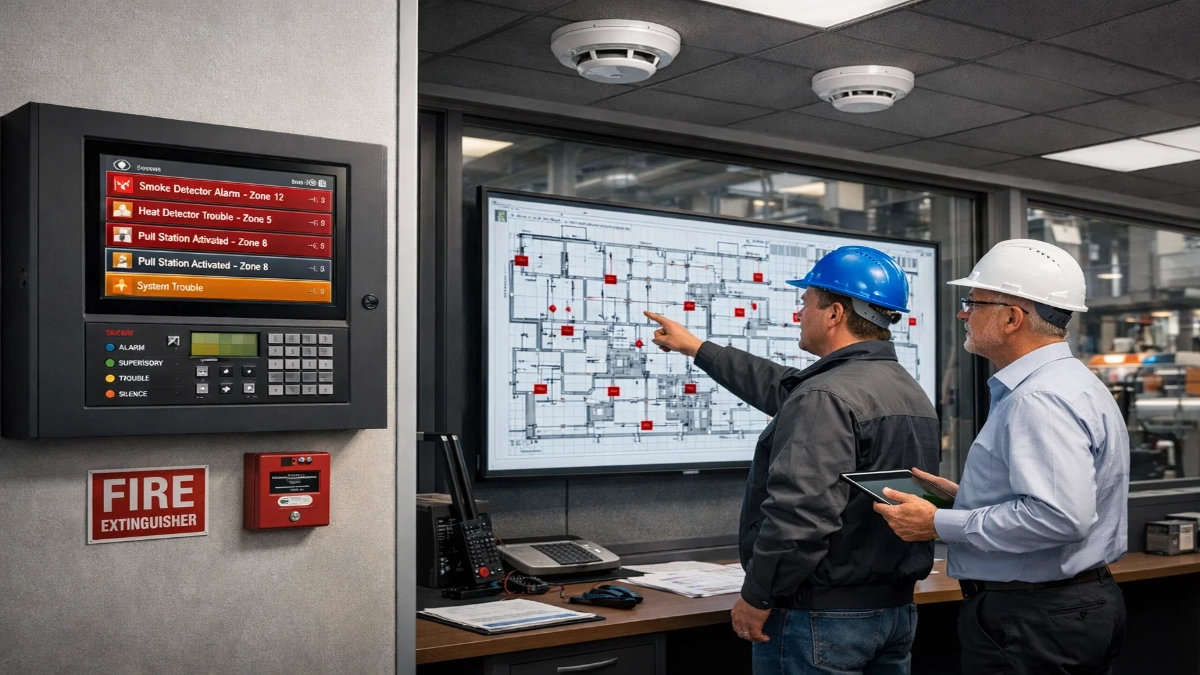
Modern fire detection systems reduce legal liability by enabling faster response, precise location identification and audit-ready event logging. Advanced systems provide device-level intelligence, while outdated systems may only indicate zones. The higher the risk environment, the stronger the expectation for intelligent, addressable detection systems.
Conventional Systems and Their Limitations
Conventional detectors are grouped in zones. When triggered, the panel shows only the affected zone.
This creates:
- Slower identification
- Manual search delays
- Higher smoke spread probability
- Increased asset damage
In small, low-risk facilities, this may be acceptable.
In industrial complexes? Risky.
Addressable Systems and Accountability
Addressable detectors communicate individually with the panel. The system identifies:
- Exact device location
- Type of alarm
- Time stamp
- System health status
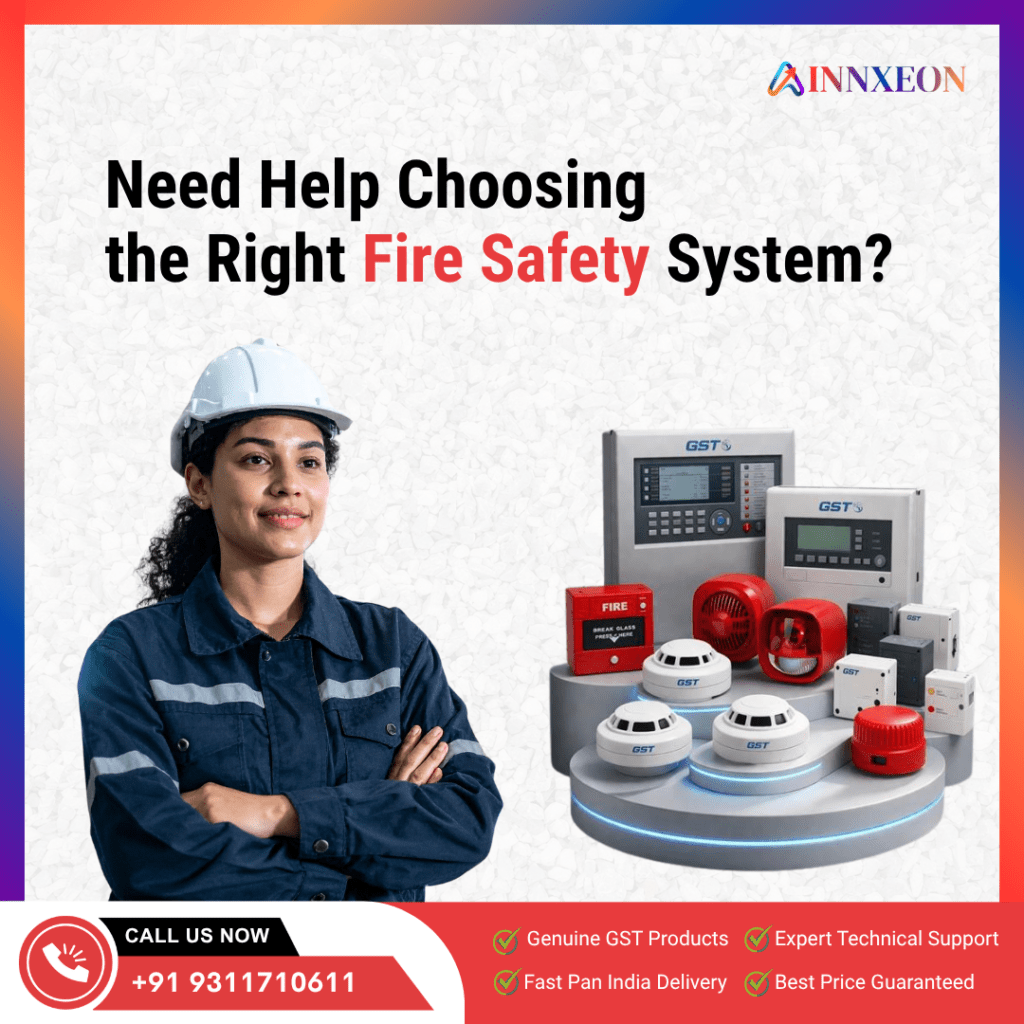
The GST fire alarm system is an example of a solution designed for traceability and scalable industrial performance.
From a legal perspective, detailed event logs demonstrate proactive risk control.
Engineering Comparison Summary
Conventional Systems
- Zone-based alerts
- Lower initial cost
- Limited traceability
- Suitable for smaller buildings
Addressable Systems
- Device-level identification
- Faster response
- Advanced diagnostics
- Ideal for industrial and multi-building sites
Real-World Scenario: When Downtime Becomes Legal Damage
Let us consider a realistic situation.
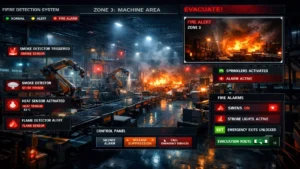
A manufacturing plant experiences a fire in a cable tray section. The installed system uses outdated conventional detectors. The alarm indicates “Zone 4.” The staff take 12 minutes to locate the source.
By then:
- Production stops for 5 days
- Equipment replacement costs escalate
- Insurance investigators question system adequacy
Now the legal question emerges:
Was the detection system proportionate to the risk?
If risk assessment recommended addressable detectors and management chose otherwise to reduce capex, the liability becomes difficult to defend.
Insurance Implications
Insurers evaluate:
- Code compliance
- System sophistication
- Maintenance records
- Incident logs
If systems are inadequate, claim settlements may be reduced.
Engineering Best Practices to Minimise Legal Exposure
To reduce fire safety liability, organisations must adopt risk-based system design, select compliant and certified equipment, implement intelligent detection technology, conduct periodic testing, document all inspections and train personnel. Proactive engineering decisions demonstrate due diligence and significantly reduce exposure to legal and financial consequences.
Let us walk through practical steps.
1. Conduct Formal Fire Risk Assessments
- Identify ignition sources
- Map evacuation routes
- Analyse occupancy load
- Assess asset criticality
Risk assessment reports become legal evidence of diligence.
2. Choose Risk-Appropriate Systems
For industrial facilities:
- Prefer addressable fire alarm panel systems
- Deploy addressable detectors in high-value zones
- Integrate with suppression and monitoring systems
For small offices, conventional fire alarm panel solutions may suffice.
3. Maintain Audit Trails
Maintain documentation of:
- Installation certifications
- AMC records
- Detector testing
- Battery checks
- False alarm logs
Legal defence relies on records.
4. Integrate Monitoring and Response
Modern systems like the GST fire alarm system support:
- Networked panels
- Real-time alerts
- Centralized monitoring
Integrated systems demonstrate layered protection.
Step-by-Step: How to Evaluate Your Fire Liability Risk
- Review compliance certificates. Are they current?
- Analyse system type. Is it conventional or addressable?
- Check detector density. Are critical zones covered?
- Review maintenance logs. Are inspections documented?
- Assess response time data. Can the system pinpoint events?
If gaps exist, corrective action should not be delayed.
Decision-Making Framework for Business Leaders
When evaluating upgrades, consider three dimensions:
Risk Severity
- High-value machinery?
- Flammable materials?
- High occupancy?
Legal Exposure
- Regulatory environment?
- Past incidents?
- Insurance conditions?
Business Continuity Impact
- Daily revenue per hour?
- Supply chain dependencies?
- Contractual penalties?
Investment in intelligent detection often costs less than a single day of shutdown.
Conclusion: Leadership Means Accountability
Fire incidents test more than infrastructure. They test leadership judgment.
Legal liability does not begin when flames appear. It begins when risk assessments are ignored, when upgrades are postponed, and when documentation is incomplete.
As business leaders, we must ask:
- Is our detection system proportionate to our risk?
- Can we defend our decisions in court?
- Do we have documented proof of compliance?
Modern systems, intelligent detection, and proactive engineering decisions are not expenses. They are legal safeguards.
Because in fire safety, prevention protects lives, and preparation protects leadership.
If we approach fire protection strategically, we do more than comply.
We protect our people, our assets, and our credibility.
Read Also: Top 10 Reasons to Choose GST Fire Alarm Systems for Industrial Projects
Read Also: 7 Signs You Need to Upgrade Your Existing Fire Detection System