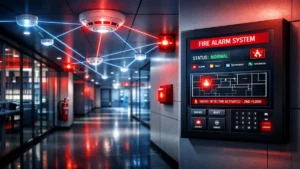
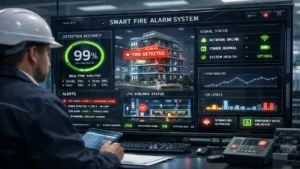
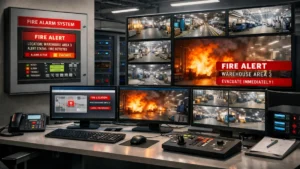
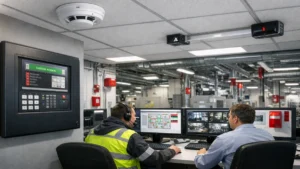
Modern buildings are no longer just physical structures; they are intelligent ecosystems powered by interconnected systems. Among these, fire safety systems play a critical role. However, the effectiveness of a fire alarm system today depends not only on its detectors or panels but also on how efficiently it communicates.
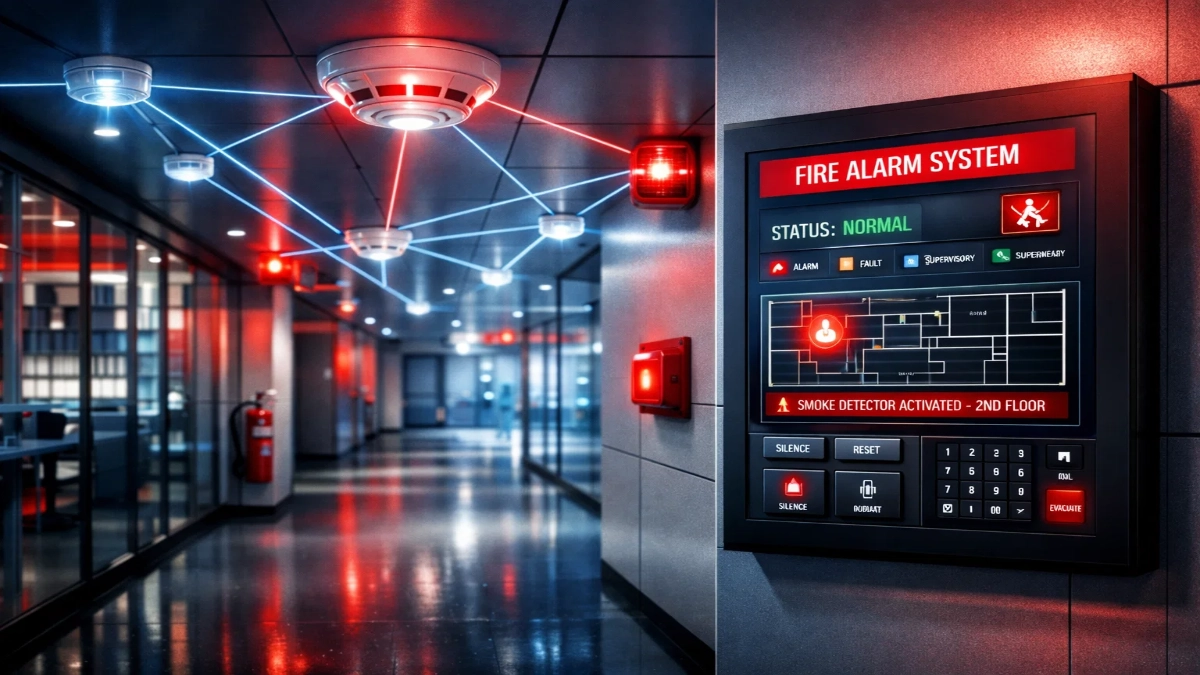
This is where network communication protocols in modern fire alarm systems become essential.
From ensuring real-time alerts to enabling centralised monitoring across multiple facilities, communication protocols form the backbone of advanced fire safety solutions. Whether you’re using an addressable fire alarm panel or a conventional fire alarm panel, understanding how communication works can help you make smarter, safer decisions.
In this article, we’ll explore how communication protocols function, why they are critical and how leading solutions like the GST fire alarm system are redefining fire safety through intelligent networking.
What Are Network Communication Protocols in Fire Alarm Systems?
A network communication protocol is a set of rules that allows different components of a fire alarm system to communicate with each other.
These components include:
- Fire alarm control panels
- Addressable detectors
- Conventional detectors
- Notification devices (sirens, strobes)
- Monitoring systems
In simple terms, protocols ensure that when a detector senses smoke or heat, the signal reaches the control panel instantly and accurately without delays or errors.
Why Communication Protocols Are Critical in Fire Safety
Fire emergencies evolve within seconds. Any delay or miscommunication can lead to catastrophic consequences.
Key reasons why protocols matter:
1. Real-Time Data Transmission
Modern systems rely on instant communication. Advanced protocols ensure signals are transmitted without latency.
2. Accurate Event Identification
In systems using addressable detectors, protocols help identify the exact location of a fire.
3. Reduced False Alarms
Smart communication allows systems to analyse patterns and reduce nuisance alarms.
4. System Scalability
Large facilities require interconnected systems across multiple zones or buildings.
5. Remote Monitoring
Protocols enable integration with centralised monitoring systems and IoT platforms.
Types of Communication Protocols Used in Fire Alarm Systems
Understanding the types of protocols helps in selecting the right system for your facility.
1. Conventional Communication Protocols
Conventional systems divide a building into zones rather than identifying individual devices.
How it works:
- Detectors are grouped into zones
- When triggered, the panel identifies the zone, not the exact device
Limitations:
- Less precise
- Limited scalability
- Slower troubleshooting
Despite these limitations, conventional fire alarm panel systems are still widely used in smaller installations due to their cost-effectiveness.
2. Addressable Communication Protocols
Addressable systems represent the next level of fire detection technology.
Key features:
- Each device has a unique address
- The panel communicates individually with each detector
- Exact location of the fire is identified
These systems rely heavily on advanced protocols to maintain seamless communication between devices.
Benefits:
- Faster response
- Precise detection
- Easier maintenance
This makes addressable fire alarm panel systems ideal for large and complex infrastructures.
3. Loop-Based Communication
Most modern addressable systems use loop communication.
How it works:
- Devices are connected in a loop circuit
- Signals travel continuously through the loop
- If one part fails, communication continues in the opposite direction
This ensures high reliability and fault tolerance.
4. Networked Fire Alarm Systems
Networked systems connect multiple fire alarm panels across buildings or campuses.
Key capabilities:
- Centralized monitoring
- Multi-location control
- Data sharing between panels
This is particularly useful for:
- Hospitals
- Airports
- Industrial plants
- Commercial complexes
5. IP-Based Communication Protocols
Modern fire alarm systems are increasingly using IP (Internet Protocol) for communication.
Advantages:
- Remote access and control
- Integration with building management systems (BMS)
- Real-time alerts on mobile devices
IP-based systems are a major component of smart buildings.
Role of Communication Protocols in Addressable vs Conventional Systems
| Feature | Addressable Systems | Conventional Systems |
|---|---|---|
| Device Identification | Exact | Zone-based |
| Communication Type | Digital, intelligent | Basic electrical |
| Scalability | High | Limited |
| Maintenance | Easy | Time-consuming |
| Accuracy | Very high | Moderate |
Clearly, communication protocols are far more advanced in systems using addressable detectors compared to conventional detectors.
How GST Fire Alarm Systems Lead in Communication Technology
When it comes to reliable communication protocols, the GST fire alarm system stands out as a leader in the industry.
Why GST systems excel:
1. Advanced Digital Communication
GST systems use intelligent digital protocols that ensure accurate and fast signal transmission.
2. High Device Compatibility
They support a wide range of:
- Addressable detectors
- Control panels
- Notification devices
3. Loop Stability and Fault Tolerance
Even if a loop is damaged, communication continues without system failure.
4. Integration Capabilities
GST systems integrate seamlessly with:
- Building management systems
- Security systems
- IoT platforms
5. Scalable Network Architecture
GST systems are designed for both small and large installations, making them ideal for multi-site operations.
Importance of Choosing the Right Communication Protocol
Selecting the wrong communication system can lead to:
- Delayed alerts
- System failures
- High maintenance costs
- Increased safety risks
Factors to consider:
- Size of the facility
- Complexity of layout
- Required response time
- Integration needs
- Future scalability
For modern infrastructure, addressable and networked systems are the preferred choice.
Common Challenges in Fire Alarm Communication
Even advanced systems face certain challenges:
1. Signal Interference
Electrical noise can disrupt communication.
2. Wiring Issues
Poor installation can affect signal transmission.
3. Compatibility Problems
Different brands may not communicate effectively.
4. Network Failures
In IP-based systems, network downtime can impact performance.
How Modern Systems Overcome These Challenges
Leading solutions like GST address these issues through:
- Robust communication protocols
- Redundant loop systems
- Error-checking mechanisms
- High-quality components
This ensures uninterrupted operation even in critical situations.
Applications of Networked Fire Alarm Systems
Modern communication protocols enable fire alarm systems to be used in:
1. Commercial Buildings
Centralised monitoring across multiple floors.
2. Industrial Facilities
Integration with safety and automation systems.
3. Hospitals
Real-time alerts and patient safety systems.
4. Smart Cities
Connected fire safety infrastructure.
Future Trends in Fire Alarm Communication
The future of fire alarm systems lies in smarter communication.
Emerging trends:
- IoT-enabled fire detection
- Cloud-based monitoring
- AI-powered analytics
- Wireless communication systems
These advancements will further enhance response time and system reliability.
Why Businesses in India Prefer GST Systems
India’s infrastructure is rapidly evolving, and so are its fire safety requirements.
Choosing a reliable GST fire alarm system supplier in India ensures:
- Compliance with safety standards
- Reliable system performance
- Long-term cost efficiency
For businesses in the capital, working with a trusted GST fire alarm system supplier in Delhi provides:
- Quick support and maintenance
- Local expertise
- Faster installation services
Conclusion
Network communication protocols are the backbone of modern fire alarm systems. They ensure that every signal, every alert and every response happens without delay.
As buildings become smarter and more complex, the need for intelligent communication systems will only grow.
Investing in advanced solutions like the GST fire alarm system ensures:
- Faster detection
- Accurate communication
- Scalable infrastructure
- Enhanced safety
Whether you are upgrading an existing system or installing a new one, choosing the right communication protocol can make all the difference.
Read Also: How Industrial Growth in Tier-1 Cities Is Increasing Fire Safety Demand
Read Also: How to Standardise GST Fire Alarm Systems Across Multiple Facilities and Why It’s Critical