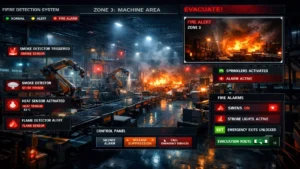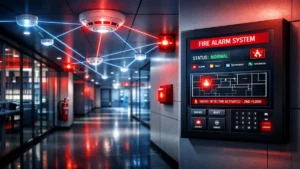
Fire safety is no longer just about installing alarms and hoping they work when needed. Today, buildings grow, regulations evolve and technologies change fast.
If your fire alarm system cannot grow with your facility, it quickly becomes expensive, outdated and non-compliant.
That’s why smart planners now design fire alarm systems with expansion and future compliance in mind from day one.
Whether you manage a hospital, warehouse, mall, school or corporate campus, your system must:
- Scale easily
- Integrate with other safety systems
- Meet changing codes
- Reduce false alarms
- Support long-term upgrades
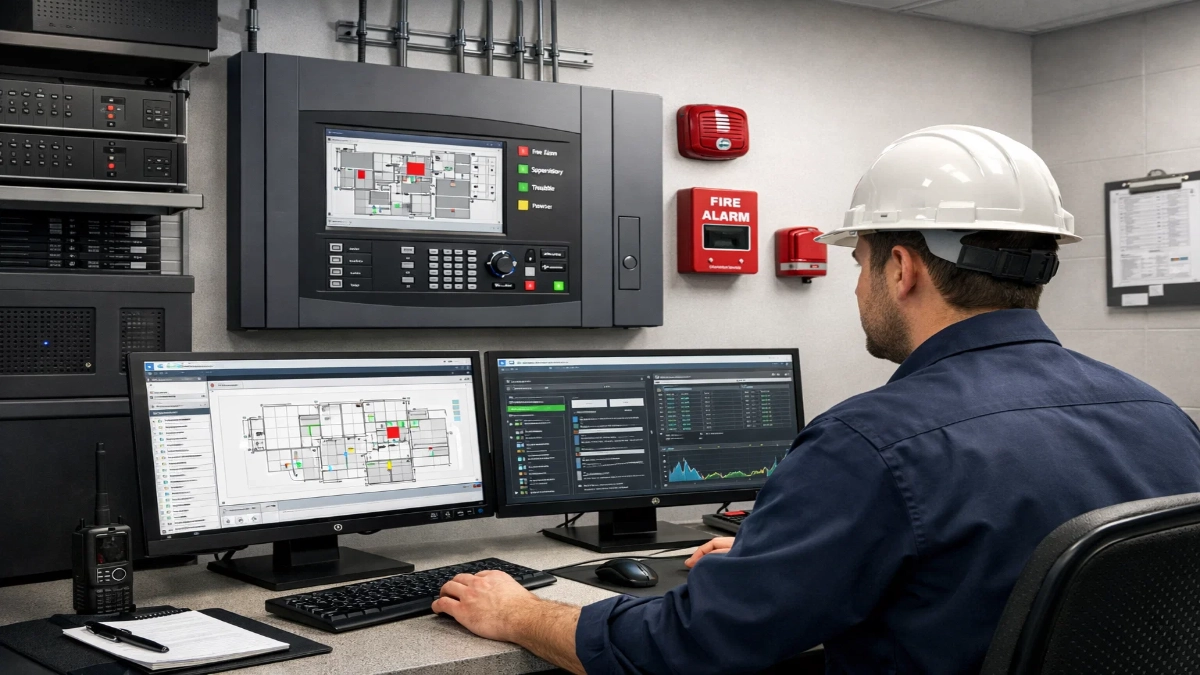
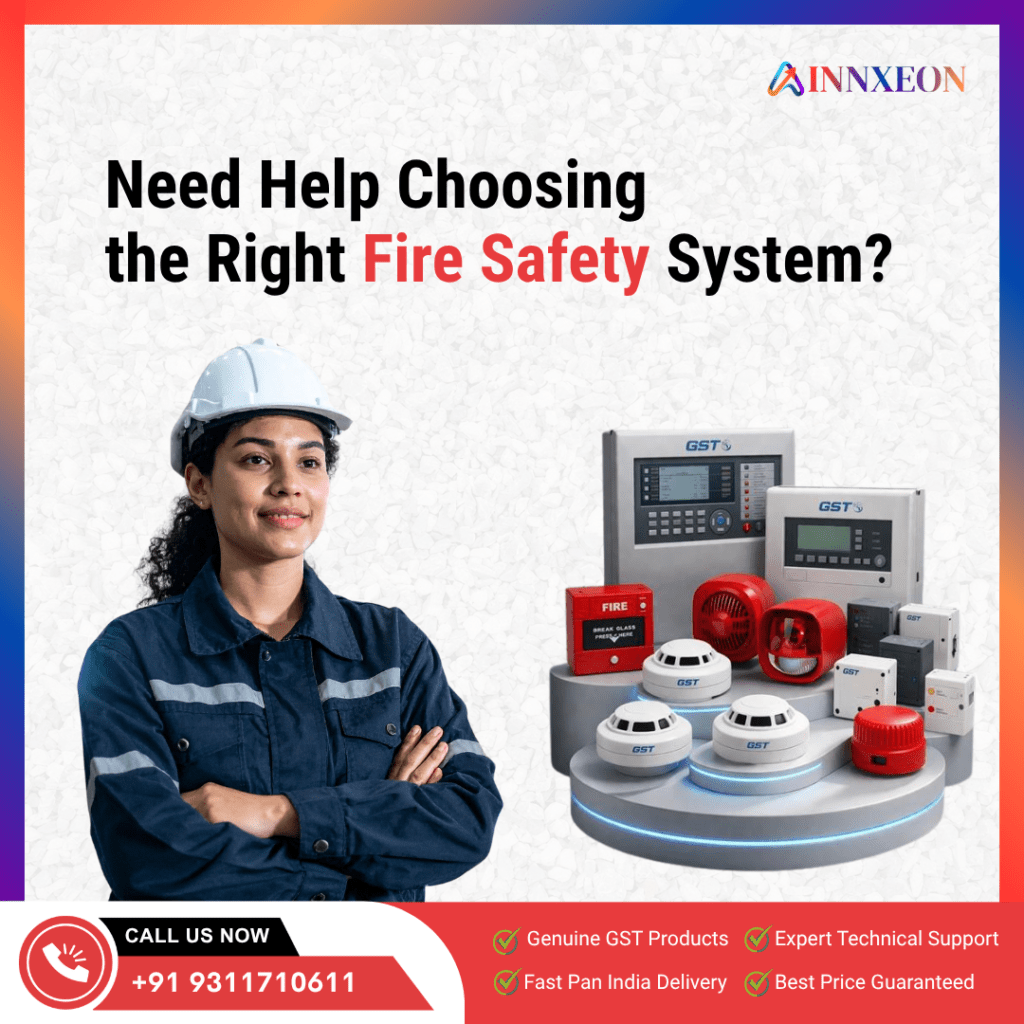
This guide explains how to plan a future-ready fire alarm strategy using modern architecture and scalable solutions like the Gulf Security Technology fire alarm platform, trusted across commercial and industrial projects.
We’ll break everything down in simple language so engineers, consultants and facility managers can implement it confidently.
Why Expansion Planning Matters More Than Ever
Most buildings today are not static.
They expand, renovate, and add new spaces:
- Extra floors
- New wings
- Additional warehouses
- Data centers
- Parking structures
- Tenant fit-outs
If your system is rigid, every change forces:
- Rewiring
- Panel replacement
- Device incompatibility
- Recertification delays
- High retrofit costs
This is why future-proofing during design saves 40–60% lifecycle cost compared to reactive upgrades.
Common Problems with Poor Planning
Let’s look at what happens when planning is skipped.
Problem 1: Panel Capacity Exhausted
No extra loops or zones left → need new control panel.
Problem 2: Mixed Technologies
Old conventional devices + new addressable devices → messy integration.
Problem 3: Compliance Failure
New regulations demand features your system doesn’t support.
Problem 4: Long Downtime During Expansion
Tenants or operations shut down during rewiring.
All of these are avoidable with a smart design strategy.
Step-by-Step Strategy for Planning a Scalable Fire Alarm System
Here’s a practical framework you can use on any project.
1. Choose the Right System Architecture First
The foundation of scalability is system type selection.
Option A: Addressable fire alarm panel
Best for medium to large buildings.
Benefits:
- Each device has a unique ID
- Easy expansion via loops
- Faster fault finding
- Lower wiring
- Smart diagnostics
- Ideal for phased construction
Option B: Conventional fire alarm panel
Good for small or static buildings.
Limitations:
- Zone-based only
- Harder to expand
- More wiring
- Limited intelligence
Expert Recommendation
For any building expecting future growth, always choose:
👉 Addressable architecture
It offers long-term flexibility and lower total cost of ownership.
2. Plan Extra Capacity from Day One
Never design to 100% capacity.
Follow this simple rule:
| Component | Reserve Capacity |
|---|---|
| Loops | 30–40% free |
| Zones | 25–30% free |
| Power supply | 20–25% extra |
| Batteries | Upgrade-ready space |
This allows new devices without replacing hardware.
3. Use Modular and Networkable Panels
Modern systems like the [gst fire alarm system] support:
- Loop expansion cards
- Networked panels
- Multi-building integration
- Central monitoring
This means:
Instead of replacing panels → just add modules.
Why modular design wins:
- Lower upgrade cost
- Faster installation
- Zero downtime
- Future technology compatibility
4. Select Scalable Detection Devices
Devices matter as much as panels.
Smart choices include:
- Addressable detectors → intelligent, programmable, expandable
- Conventional detectors → economical but limited
Addressable devices allow:
- Sensitivity adjustment
- Remote testing
- Fault reporting
- Future software upgrades
This keeps the system compliant for years.
5. Design with Compliance in Mind
Fire codes change frequently.
Your system must adapt to:
- Updated standards
- Insurance requirements
- Government audits
- Industry certifications
A future-ready system should support:
- Event logs
- Remote diagnostics
- Multi-language interfaces
- Integration with PAVA
- Integration with BMS
- Network redundancy
- Cloud monitoring
Modern intelligent systems from Gulf Security Technology are designed exactly for this flexibility.
6. Enable Integration with Other ELV Systems
Fire alarms should not work alone.
They should integrate with:
- CCTV
- Access control
- PAVA
- HVAC shutdown
- Elevators
- BMS
- SCADA
This creates:
👉 A complete emergency response ecosystem
For example:
Fire alarm triggers → CCTV shows camera → PA announces instructions → lifts park safely → HVAC shuts off to prevent smoke spread.
That’s smart safety.
7. Use Structured Wiring and Labelling
Expansion becomes easy when wiring is organised.
Best practices:
- Label every loop
- Use cable trays with spare capacity
- Install extra conduits
- Maintain as-built drawings
- Keep digital documentation
This saves hours during future installations.
8. Choose a Reliable Brand with Long-Term Support
Fire alarm systems last 15–20 years.
So your manufacturer must offer:
- Spare parts availability
- Backward compatibility
- Firmware upgrades
- Technical support
- Global certifications
The GST platform by Gulf Security Technology is known for:
- Intelligent addressable panels
- Scalable networking
- Reliable performance
- Cost-effective expansion
- Easy maintenance
This makes it a strong choice for future-focused projects.
Practical Expansion Scenario (Real-Life Example)
Let’s say:
Year 1 → 5-floor office
Year 3 → add 2 floors
Year 5 → add warehouse
Year 7 → integrate CCTV + PAVA
Without planning:
- Replace panel
- Rewire
- Stop operations
- High cost
With scalable design:
- Add a loop card
- Add detectors
- Update software
- Done in hours
Huge difference.
Fire Alarm Design Checklist for Expansion Projects
Use this quick checklist:
- Addressable architecture
- 30% spare capacity
- Modular panels
- Network support
- Intelligent detectors
- Integration capability
- Code compliance features
- Structured cabling
- Trusted brand
If you tick all these → your system is future-ready.
Key Takeaways
Planning for expansion is not optional anymore. It’s essential.
If you design smartly today, you:
- Reduce upgrade costs
- Avoid downtime
- Stay compliant
- Improve safety
- Protect investments
And most importantly, you build a system that grows with your business, not against it.
Conclusion
Fire alarm systems should be designed like living infrastructure.
They must adapt, scale and evolve.
By choosing intelligent architecture, reserving capacity and using trusted platforms like Gulf Security Technology, you create a solution that stays reliable for decades.
Plan once. Expand anytime. Stay compliant forever.
That’s future-ready fire safety.
Read Also: What Makes GST Fire Alarm Systems Commercially Viable for Large Projects
Read Also: What Makes GST Fire Alarm Systems Stand Out in Technical Evaluations