
UL vs CE Certifications for Fire Alarm Systems: What Consultants Should Recommend
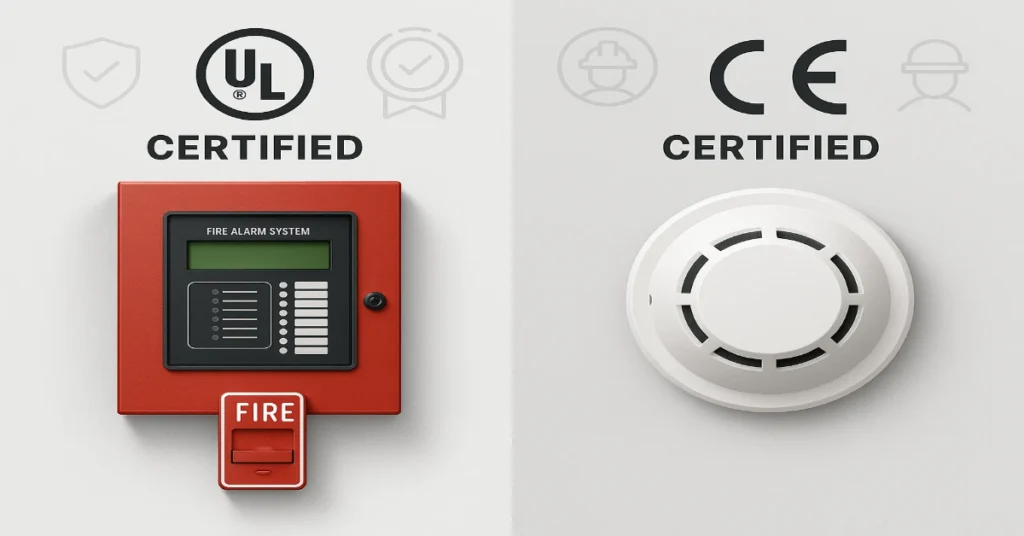
When consultants guide developers, facility owners, or contractors in selecting fire alarm systems, certification standards play a crucial role. Among the most recognized certifications worldwide are UL (Underwriters Laboratories) and CE (Conformité Européenne). Both assure safety and compliance, but they serve different markets, follow different testing procedures and impact project costs and ROI in unique […]
5 Case Studies of Smart Buildings Using Integrated Fire Alarm and ELV Systems
Smart buildings are no longer just about energy efficiency and comfort. They are about safety, resilience and future-ready infrastructure. One of the biggest trends in smart building design is the integration of fire alarm systems with extra-low voltage (ELV) systems. This integration not only enhances safety but also improves operational efficiency and reduces downtime during […]
How IoT-Enabled Fire Alarm Panels Reduce Downtime in Large Facilities
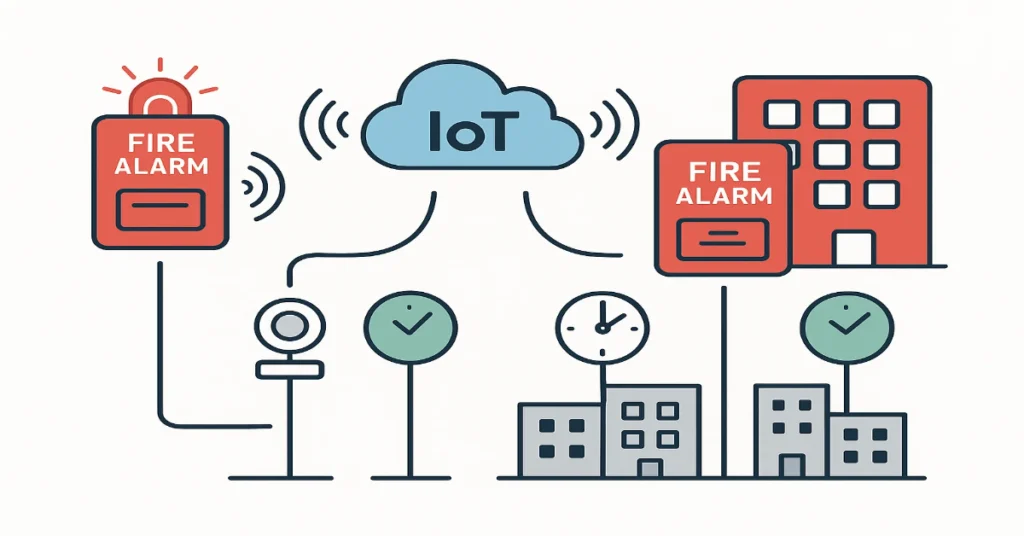
In today’s competitive business environment, downtime is costly. Whether it is a manufacturing plant, a data center, a hospital, or a commercial complex, even a few minutes of disruption can lead to significant financial losses and reputational risks. One often-overlooked contributor to downtime is fire alarm and life safety systems. Traditional fire alarm panels are […]
Sustainability in Fire Alarm Systems: How Green Tech Is Entering ELV Design

The fire safety industry is changing. For decades, the focus was on reliability and compliance. Today, sustainability and green technology are entering the conversation. Modern buildings are expected to be safer, smarter and more energy efficient. That’s where fire alarm systems designed with sustainability in mind come into play. In this article, we explore how […]
Top 7 Emerging Technologies in Fire Alarm Control Panels 2025
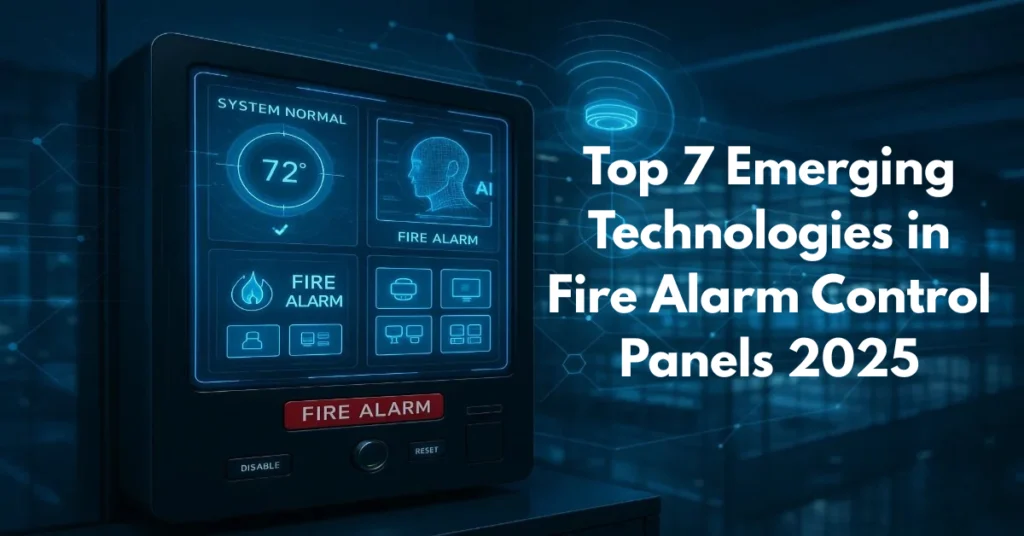
Fire safety has always been a priority in residential, commercial and industrial environments. But in 2025, fire alarm systems are no longer just about triggering an alarm when smoke is detected. Today’s fire alarm control panels (FACP) are evolving into intelligent, connected hubs that can monitor, analyze and even predict potential fire hazards. For fire […]
Top 10 Mistakes Engineers Make When Integrating Fire Alarm Systems with BMS
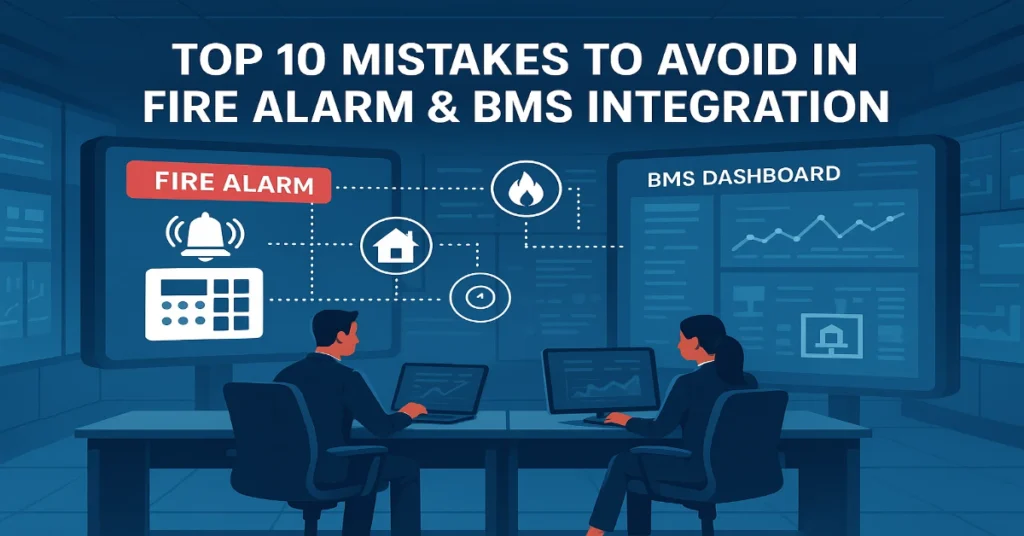
Integrating fire alarm systems with Building Management Systems (BMS) has become a standard practice in modern buildings. A well-executed integration improves safety, streamlines monitoring and helps facility managers make faster decisions. However, many engineering projects face challenges during integration. Small mistakes can cause system failures, compliance issues, or even compromise safety during an emergency. In […]
Cybersecurity in Fire Alarm Systems: Risks and Mitigation
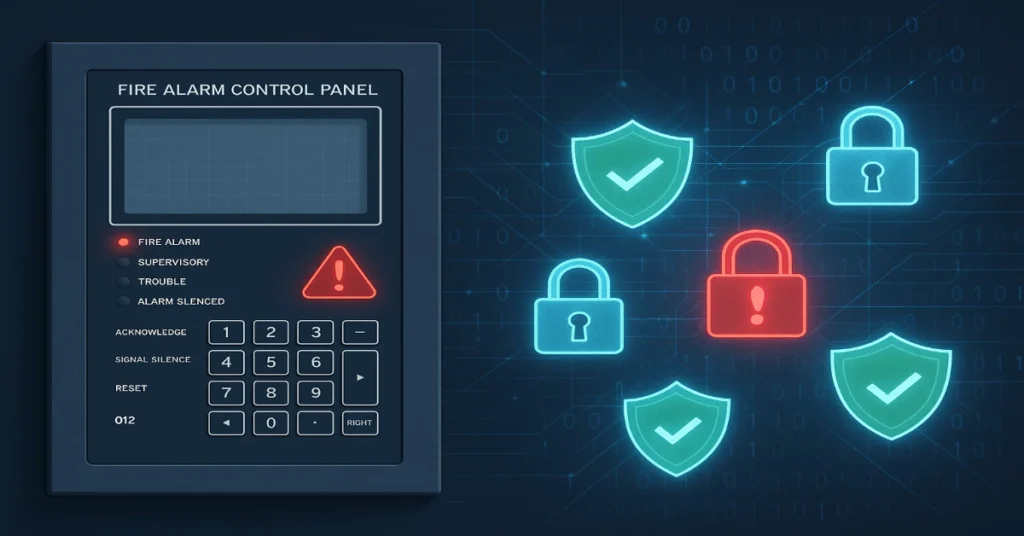
Modern buildings depend on networked Fire Alarm Control Panels (FACP) and Extra-Low Voltage (ELV) systems for safety. These systems connect through IP networks to enable remote monitoring, faster alerts and integration with other building systems. While this connectivity improves efficiency, it also introduces cybersecurity risks in fire alarm systems. Hackers no longer limit themselves to […]
Comparative Analysis: EN 54 vs NFPA 72 Standards for Fire Alarm Control Panels in Global Projects
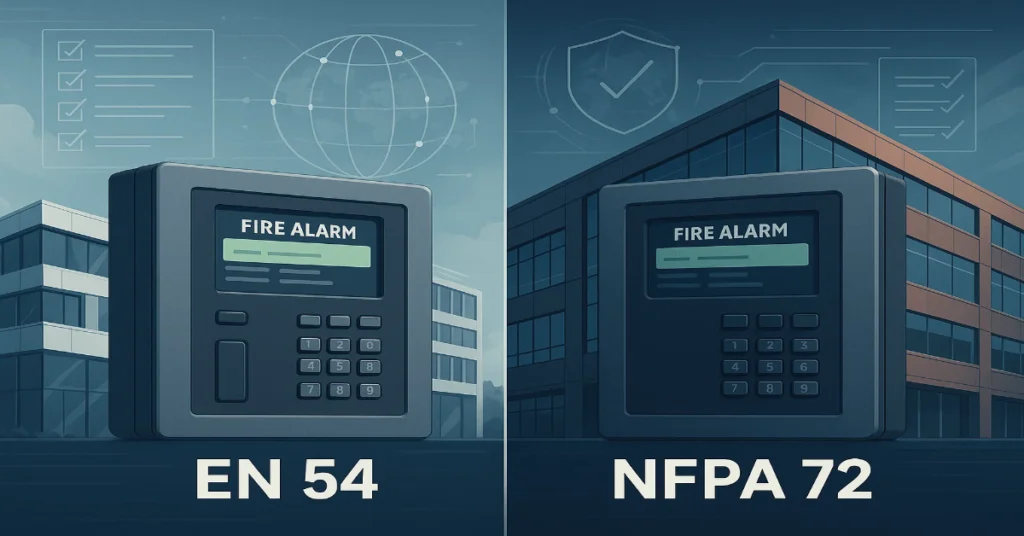
Fire protection consultants and compliance officers often navigate between different fire alarm standards on global projects. The two most common regimes are Europe’s EN 54 series and the US NFPA 72 National Fire Alarm and Signaling Code. EN 54 is a harmonized product-standard series defining performance and testing of fire detection and alarm components, while NFPA 72 is a […]
Future of ELV Systems: Safety, Security & Communication

In large-scale infrastructure projects from airports and smart cities to hospitals and corporate campuses building systems are becoming more interconnected. ELV (Extra-Low Voltage) systems now power devices like CCTV surveillance cameras, access control panels, fire alarm sensors, public address (PA) speakers and data networks. Operating under about 50 volts AC, ELV systems provide safer, more […]
Performance-Based Fire Alarm System Design: Beyond Code Compliance
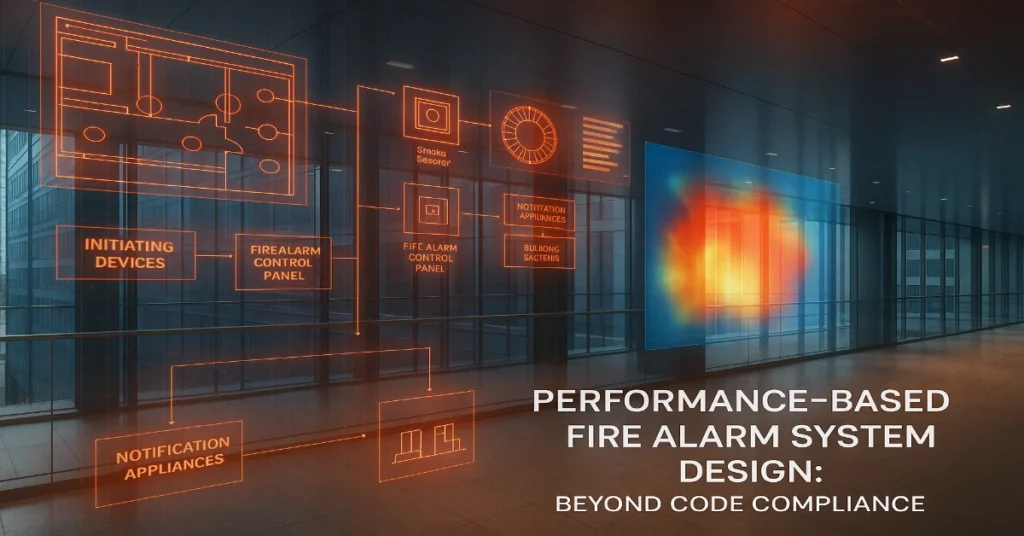
Performance-Based Fire Alarm System Design tailors fire safety strategies to a building’s unique needs. Unlike one-size-fits-all code compliance, it uses risk analysis and modern tools to meet specific safety goals. This approach is especially relevant for complex Indian buildings (hospitals, malls, airports, etc.) where prescriptive rules may not cover all hazards. Performance-based design often leads […]
Wireless and Hybrid Fire Alarm Systems: Technical Challenges and Engineering Solutions
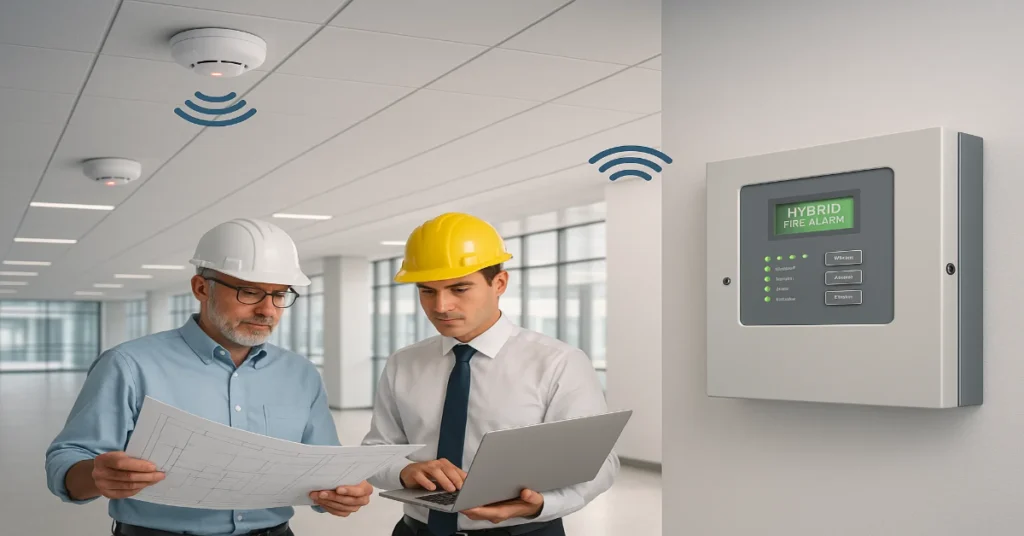
Fire safety has always been a top priority for building owners, facility managers and safety engineers. As buildings grow more complex, the demand for Wireless and Hybrid Fire Alarm Systems has increased rapidly. Unlike traditional wired systems, these solutions offer flexibility, faster installation and minimal disruption. They are especially useful in heritage buildings, hospitals, hotels, […]
Fire Alarm Control Panel Wiring Diagram Explained
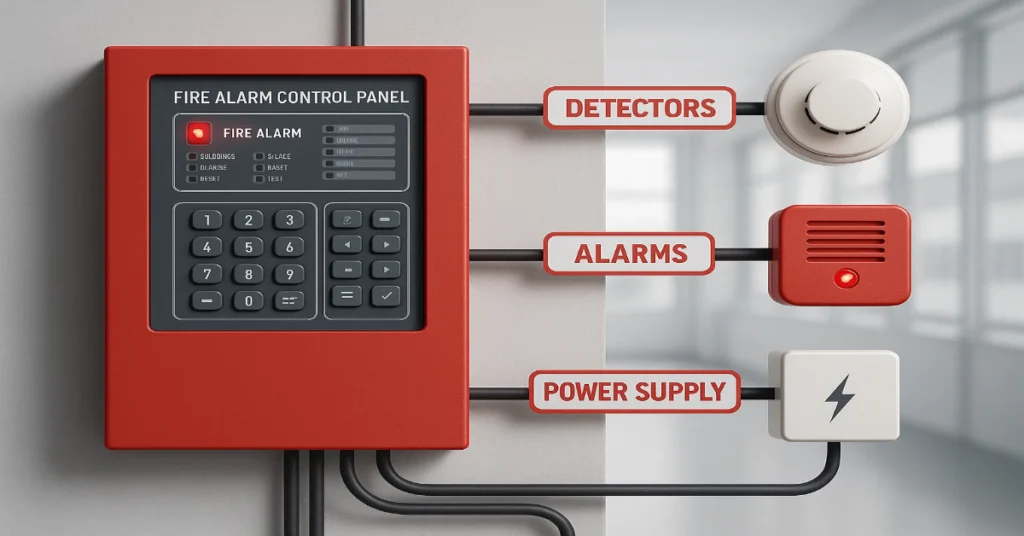
A Fire Alarm Control Panel (FACP) is the central hub of a fire alarm system. It monitors fire detection devices, activates alarms and communicates alerts to occupants and fire services. Understanding how to wire an FACP is essential to designing a reliable, efficient fire alarm system. This article explains FACP wiring, types of panels and […]
