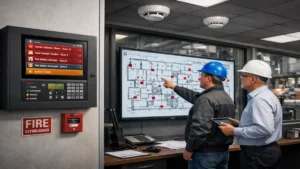
Upgrading a fire alarm system is never a simple task. The complexity increases significantly when the building is occupied and operational. Hospitals, hotels, offices, malls, factories, educational institutions and residential complexes all face a common dilemma: how to modernise fire safety infrastructure without disrupting daily activities or compromising occupant safety.
While upgrading fire alarm systems is essential to meet evolving safety standards, many facility managers underestimate the hidden challenges involved. From technical compatibility issues to occupant coordination and compliance risks, these challenges can impact timelines, budgets and safety outcomes if not managed correctly.
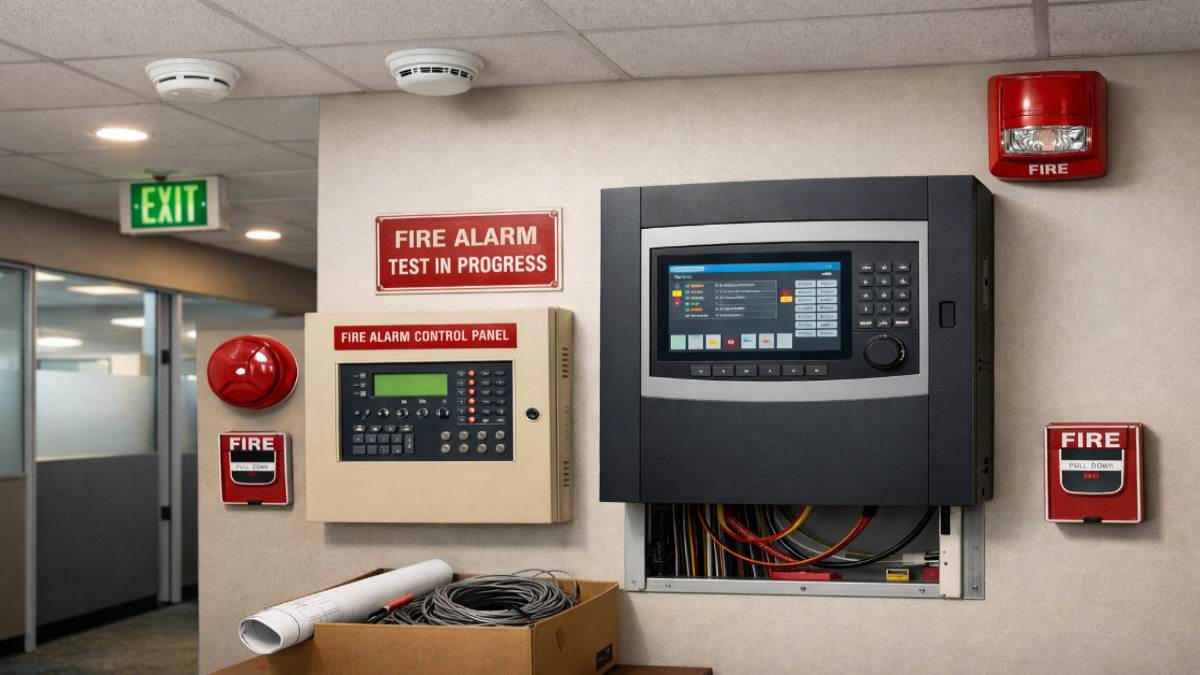
This article explores the real-world challenges of upgrading fire alarm systems in occupied buildings, explains how to overcome them and highlights why choosing a reliable and future-ready solution like a GST fire alarm system can make the entire process smoother, safer and more cost-effective.
Why Fire Alarm System Upgrades Are Necessary
Before diving into challenges, it is important to understand why upgrades become unavoidable:
- Aging panels and detectors reach end-of-life
- Spare parts become unavailable
- New fire codes and local regulations demand higher compliance
- False alarms increase due to outdated technology
- Building expansion or layout changes
- Integration with modern BMS and security systems
Older systems, especially those based on a conventional fire alarm panel, often struggle to meet today’s performance, diagnostics and scalability requirements.
Challenge 1: Ensuring Life Safety During the Upgrade
The Biggest Concern: Continuous Fire Protection
When a building is occupied, fire protection cannot be switched off. Even a short downtime can put lives and property at risk.
Hidden risks include:
- Temporary disabling of zones
- Unprotected areas during rewiring
- Reduced audibility during testing
- Occupant confusion during alarm trials
Practical Solution
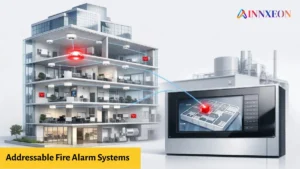
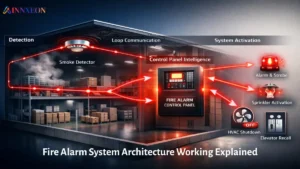
Modern systems like a GST fire alarm system support phased migration, allowing installers to keep sections active while upgrading others. Advanced addressable fire alarm panel architecture enables partial commissioning without shutting down the entire building.
Challenge 2: Disruption to Occupants and Daily Operations
Noise, Access and Schedule Conflicts
Upgrading involves:
- Drilling and cabling
- Detector replacement
- Panel installation
- Testing and commissioning
In occupied buildings, this can lead to:
- Business interruptions
- Complaints from occupants
- Access restrictions to sensitive areas
- Limited working hours
How to Minimise Disruption
- Use loop-by-loop migration instead of full replacement
- Schedule work during non-peak hours
- Deploy systems that reuse existing wiring where possible
- Choose detectors with faster commissioning
GST systems are designed with installer-friendly configuration tools, reducing on-site time and disruption.
Challenge 3: Compatibility With Existing Infrastructure
Mixing Old and New Technology
Many buildings attempt partial upgrades, which creates compatibility issues between:
- Old detectors and new panels
- Legacy wiring and modern protocols
- Different device manufacturers
For example:
- Conventional devices may not communicate with modern panels
- Addressable loops may exceed load limits with mixed devices
Smart Upgrade Strategy
A flexible addressable fire alarm panel from GST supports backward compatibility options, hybrid configurations and smooth transition from a conventional fire alarm panel setup to a fully addressable system.
Challenge 4: Managing False Alarms During Transition
Why False Alarms Increase During Upgrades
- Dust during drilling triggers detectors
- Temporary wiring connections
- Improper device addressing
- Old detectors reacting differently to new panels
False alarms in occupied buildings can:
- Cause panic
- Disrupt operations
- Reduce trust in the fire alarm system
- Lead to fines from authorities
How Advanced Systems Help
Modern addressable detectors offer:
- Drift compensation
- Multi-sensor detection
- Advanced algorithms to differentiate real fires from false triggers
GST detectors are engineered to maintain high reliability even during upgrade phases.
Challenge 5: Compliance With Fire Codes and Local Regulations
Regulations Do Not Pause for Upgrades
Even during system replacement, buildings must comply with:
- Local fire authority rules
- National building codes
- Insurance requirements
- Occupancy permits
Failure to comply can result in:
- Legal penalties
- Project delays
- Insurance issues
- Stop-work notices
Compliance-Friendly Design
GST systems are globally certified and widely accepted by fire authorities. Their modular design makes it easier to maintain compliance at every stage of the upgrade.
Challenge 6: Space Constraints in Existing Control Rooms
Older Panels vs Modern Requirements
Legacy control rooms often:
- Lack of spare space
- Have outdated power arrangements
- Use non-standard enclosures
New systems require:
- Proper ventilation
- Battery backup space
- Network modules
- Interface devices
GST Advantage
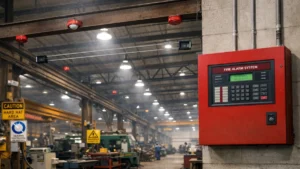
GST panels feature compact, modular designs, making them ideal replacements without major civil modifications, critical in occupied buildings.
Challenge 7: Training and Familiarity for Maintenance Teams
New Technology, Old Habits
Facility teams used to older systems may struggle with:
- Addressing concepts
- Software-based configuration
- Networked systems
- Advanced diagnostics
This can lead to:
- Incorrect operation
- Delayed response during emergencies
- Higher dependency on vendors
User-Friendly Systems Make a Difference
GST fire alarm systems offer:
- Intuitive interfaces
- Clear LCDs
- Simple menu navigation
- Easy fault identification
This reduces learning curves and improves system confidence.
Challenge 8: Budget Overruns and Hidden Costs
Why Costs Increase Unexpectedly
Common cost drivers include:
- Rewiring due to incompatibility
- Extended labor hours
- Temporary fire watch arrangements
- Replacement of more devices than planned
Long-Term Cost Control
Although initial costs may appear higher, GST systems deliver:
- Longer service life
- Lower maintenance costs
- Reduced false alarms
- Easy expansion without system replacement
This makes them a smart financial choice for occupied buildings.
Challenge 9: Upgrading Detectors Without Affecting Coverage
Detector Replacement Risks
Replacing old devices can:
- Temporarily reduce coverage
- Leave blind spots
- Require recalculation of spacing
Smart Device Strategy
Using GST addressable detectors and conventional detectors allows:
- Precise location identification
- Faster replacement
- Improved detection accuracy
- No compromise on coverage during upgrades
Challenge 10: Integration With Other Building Systems
Modern buildings often require fire alarm systems to integrate with:
- BMS
- Access control
- HVAC
- Elevators
- PA systems
Older panels lack these capabilities.
GST systems support open protocols and standard interfaces, ensuring smooth integration without complex custom solutions.
Addressable vs Conventional During Upgrades
Conventional Fire Alarm Panel Limitations
- Zone-based identification
- Limited scalability
- More cabling
- Harder fault isolation
Addressable Fire Alarm Panel Benefits
- Device-level identification
- Faster troubleshooting
- Reduced wiring
- Easier phased upgrades
- Better for occupied buildings
Most occupied-building upgrades eventually transition from a conventional fire alarm panel to an addressable fire alarm panel for these reasons.
Why GST Fire Alarm Systems Are Ideal for Occupied Buildings
A GST fire alarm system stands out because it is designed for real-world conditions where zero downtime is critical.
Key Advantages
- Phased migration support
- Hybrid system capability
- Advanced diagnostics
- Compact and modular design
- Global certifications
- Reliable supply chain
- Long-term manufacturer support
These features make GST a trusted choice for hospitals, hotels, IT parks, airports and commercial complexes.
Best Practices for Successful Upgrades in Occupied Buildings
- Conduct a detailed site and risk assessment
- Choose a system that supports phased replacement
- Maintain continuous fire protection
- Communicate clearly with occupants
- Use advanced addressable technology
- Work with certified installers
- Train maintenance teams early
- Document every stage of the upgrade
Upgrading fire alarm systems in occupied buildings is a complex process filled with hidden challenges that go far beyond equipment replacement. Safety risks, operational disruption, compliance demands and budget control all require careful planning and the right technology.
Choosing a future-ready solution like a GST fire alarm system, supported by modern addressable fire alarm panel architecture, reliable addressable detectors and flexible upgrade options, helps overcome these challenges with confidence.
When life safety is involved, shortcuts are not an option. A well-planned upgrade ensures continuous protection, regulatory compliance and peace of mind for both occupants and building owners.
Read Also: Fire Alarm Failures That Force Immediate System Replacement
Read Also: Why GST Fire Alarm Systems Are a Long-Term Investment