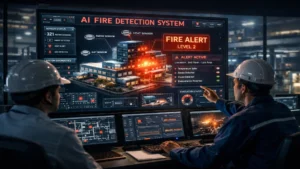
Imagine this: your facility is running smoothly, operations are stable and then an audit team walks in. Everything seems fine until they test your fire alarm system.
It fails.
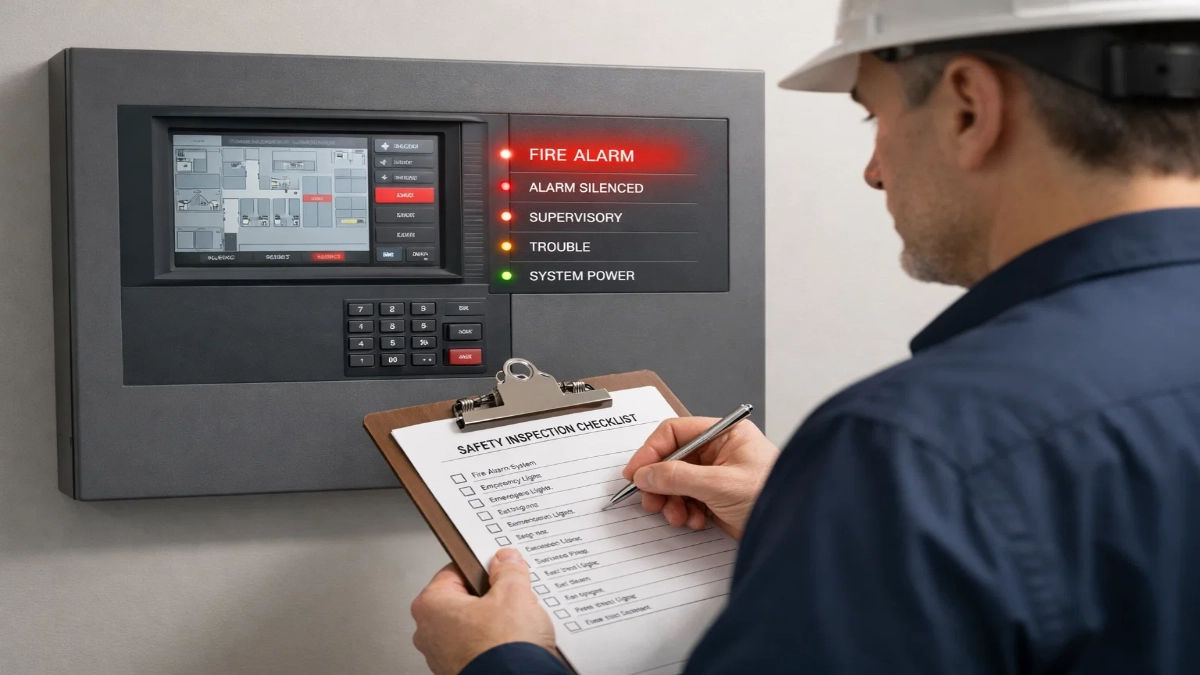
In that moment, what seemed like a minor technical issue suddenly becomes a major compliance risk. A failed fire alarm system during an audit is not just a technical glitch; it is a serious safety, legal and financial concern.
For industries, commercial buildings and infrastructure projects across India, fire safety audits are becoming stricter. Authorities expect systems to be fully functional, compliant and regularly maintained.
So, what actually happens if your fire alarm system fails during an audit? Let’s break it down in a simple, practical, and engineer-friendly way.
Why Fire Alarm Audits Matter More Than Ever
Fire safety audits are conducted to ensure that your building meets safety standards and can respond effectively in case of emergencies.
These audits typically check:
- System functionality
- Detector response time
- Panel communication
- Alarm audibility and visibility
- Battery backup performance
- Maintenance records
A failure in any of these areas signals one thing clearly: your system is not reliable when it matters most.
And that’s where the real problem begins.
Immediate Consequences of Fire Alarm Failure During an Audit
1. Audit Failure or Non-Compliance Report
The most immediate outcome is a failed audit report.
Auditors will mark your system as:
- Non-compliant
- Partially compliant
- Unsafe for occupancy (in severe cases)
This report becomes an official record, which can impact your business’s credibility.
2. Legal and Regulatory Action
In India, fire safety compliance is governed by local fire authorities and building codes.
If your system fails:
- You may receive a notice from the fire department
- Authorities may demand immediate rectification
- In severe cases, operations can be temporarily shut down
This is especially critical for:
- Industrial facilities
- Hospitals
- Hotels
- Commercial complexes
3. Financial Penalties and Losses
A failed audit can lead to direct and indirect costs:
Direct Costs:
- Fines from authorities
- Emergency repair or replacement costs
- Re-audit fees
Indirect Costs:
- Business interruption
- Loss of client trust
- Increased insurance premiums
In many cases, the cost of fixing the issue after failure is much higher than preventive maintenance.
4. Insurance Complications
Insurance companies take fire safety very seriously.
If your fire alarm system fails during an audit:
- Your insurance claim may be rejected in case of fire
- Premiums may increase
- Coverage terms may become stricter
This creates a long-term financial risk for your organisation.
5. Increased Risk to Human Life
This is the most critical consequence.
A faulty fire alarm system means:
- Delayed detection
- Late evacuation
- Higher risk of injury or fatalities
During an audit, this raises a red flag that your building is not safe for occupants.
Common Reasons Why Fire Alarm Systems Fail Audits
Understanding the root causes helps you prevent failure.
1. Poor Maintenance Practices
Many facilities install systems but neglect regular servicing.
Common issues:
- Dust accumulation in detectors
- Corroded wiring
- Battery failure
2. Faulty or Outdated Equipment
Older systems may not meet current standards.
Problems include:
- Slow response time
- Limited zone identification
- Compatibility issues
3. Improper Installation
Incorrect installation leads to:
- Dead zones
- False alarms
- Communication failures
This often happens when systems are not installed by certified professionals.
4. Disabled or Bypassed Devices
Sometimes, devices are intentionally disabled to avoid nuisance alarms.
This is a serious violation and is easily detected during audits.
5. Lack of Documentation
Even if your system works, missing records can cause audit failure.
Required documents include:
- Maintenance logs
- Testing reports
- System drawings
- Compliance certificates
What Auditors Actually Check (Engineer’s Perspective)
To pass an audit, your system must perform in real-time conditions.
Auditors typically test:
Functional Testing
- Smoke detector activation
- Manual call point response
- Alarm triggering
Panel Inspection
- Fault indicators
- Loop communication
- Event logs
Power Backup
- Battery performance
- Power failure response
Integration Check
- Fire alarm integration with:
- Sprinkler systems
- Public address systems
- HVAC shutdown
If any of these fail, your audit result is affected.
Impact on Business Reputation and Operations
A failed fire audit does not stay internal.
It can affect:
- Client confidence
- Vendor relationships
- Government approvals
- Future project eligibility
For businesses involved in infrastructure or industrial supply, this can directly impact growth.
How to Prevent Fire Alarm Failure During an Audit
Now let’s focus on the solution side.
1. Conduct Regular Preventive Maintenance
Schedule maintenance:
- Monthly inspections
- Quarterly testing
- Annual full system audit
Preventive maintenance reduces the risk of unexpected failures.
2. Upgrade to Addressable Fire Alarm Systems
Modern systems offer:
- Precise fault detection
- Real-time monitoring
- Faster response
Addressable systems are more reliable and audit-friendly.
3. Work with Certified Professionals
Always ensure:
- Proper installation
- Professional commissioning
- Expert troubleshooting
This ensures long-term system reliability.
4. Maintain Proper Documentation
Keep records updated:
- Service reports
- Testing logs
- System updates
Documentation plays a crucial role in passing audits.
5. Perform Mock Audits
Conduct internal audits before official inspections.
This helps you:
- Identify weak points
- Fix issues early
- Improve compliance readiness
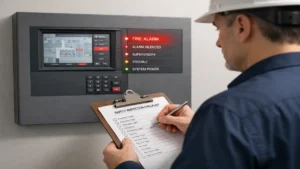
Checklist: Are You Audit-Ready?
Use this quick checklist:
- All detectors working properly
- Control panel shows no faults
- Battery backup functional
- Alarm sounders operational
- Documentation complete
- No disabled devices
- Regular maintenance done
If you can confidently tick all these, you are likely audit-ready.
Conclusion: Prevention Is Always Cheaper Than Failure
A fire alarm system failure during an audit is not just a technical issue; it is a business risk, legal threat and safety hazard.
The good news?
It is completely preventable.
By investing in:
- Regular maintenance
- Modern technology
- Proper documentation
You not only pass audits, but you also build a safer and more reliable environment.
In today’s compliance-driven world, a well-maintained fire alarm system is not an expense.
It is a critical investment in safety, trust and long-term success.
Read Also: Is GST Fire Alarm System Worth the Investment?
Read Also: Industrial Applications of GST Fire Alarm System in India