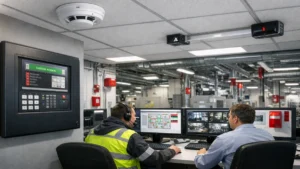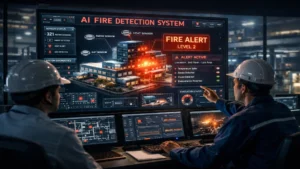
Industrial facilities operate in environments where safety cannot be compromised. Factories, warehouses, logistics hubs, manufacturing plants and processing units handle combustible materials, heavy machinery and complex electrical systems. In such environments, even a small fire incident can escalate quickly, leading to equipment damage, operational downtime and serious risks to human life.
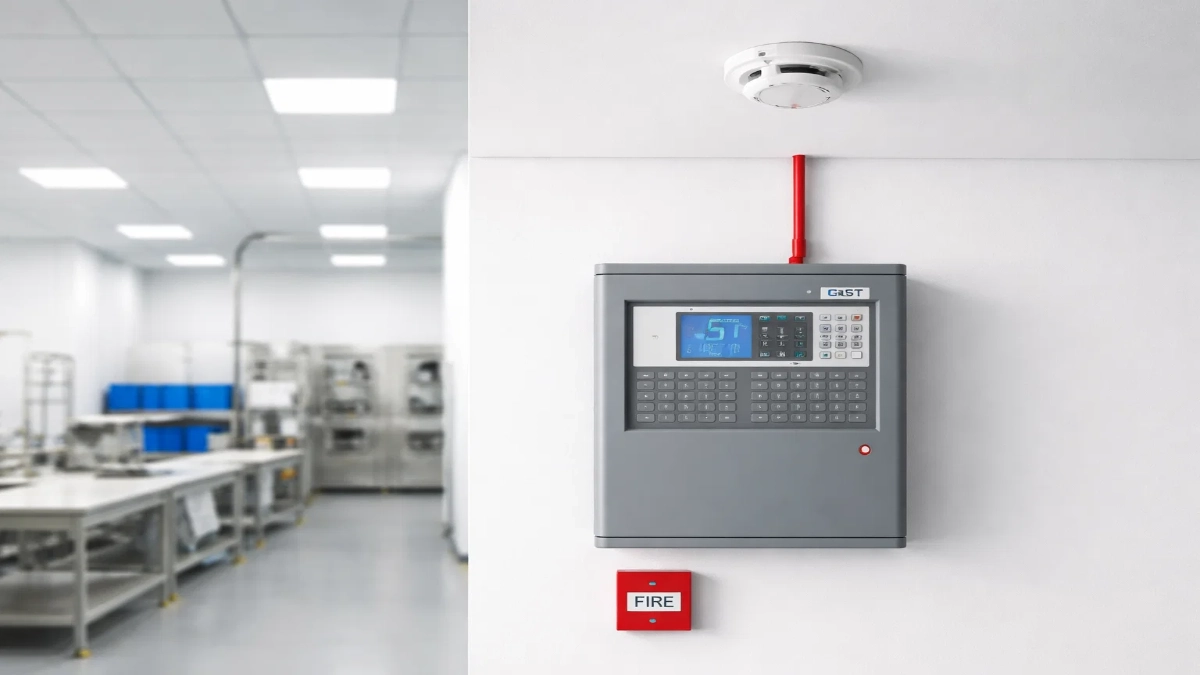
To reduce these risks, industries rely on advanced fire detection and alarm systems that can detect threats early and trigger immediate alerts. Among the many solutions available in the market, GST fire alarm systems (Gulf Security Technology) have gained widespread popularity across industrial facilities.
Their reliability, advanced detection capabilities, scalability and compliance with international standards make them a preferred choice for engineers, safety managers and facility planners.
This article explores the key reasons why GST fire alarm systems are widely adopted in industrial environments and how they help organisations improve safety, compliance, and operational continuity.
Understanding GST Fire Alarm Systems
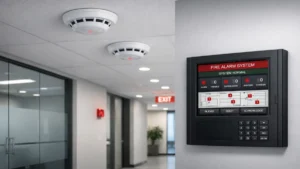
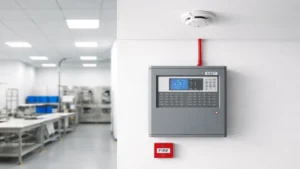
GST fire alarm systems are advanced fire detection and notification systems designed to identify fire hazards at the earliest possible stage. These systems detect smoke, heat or flames and activate alarms to alert occupants and emergency responders.
Industrial facilities prefer GST systems because they combine:
- Advanced detection technology
- Scalable architecture
- Reliable communication protocols
- Smart monitoring capabilities
These features make them suitable for complex industrial environments where early fire detection is critical.
GST offers both conventional fire alarm systems and addressable fire alarm systems, allowing industries to choose the solution that best fits their operational requirements.
Why Industrial Facilities Need Advanced Fire Alarm Systems
Before understanding the popularity of GST systems, it is important to recognise the unique fire safety challenges in industrial environments.
Industrial facilities often deal with:
- Flammable materials and chemicals
- High electrical loads and machinery
- Large storage areas and warehouses
- Continuous production processes
- Complex building layouts
Because of these factors, fires can spread quickly if they are not detected early. A reliable fire alarm system ensures that threats are identified immediately so that evacuation and firefighting measures can begin without delay.
This is where GST systems prove highly effective.
1. Highly Reliable Fire Detection Technology
One of the biggest reasons GST fire alarm systems are popular in industrial facilities is their highly reliable detection technology.
Industrial environments can produce dust, smoke particles or heat fluctuations that may trigger false alarms in poorly designed systems. GST detectors are engineered to differentiate between environmental disturbances and real fire hazards.
Key detection features include:
- Advanced smoke detection sensors
- Heat detectors for high-temperature environments
- Multi-criteria detectors for complex areas
- Flame detection technologies
These detectors provide accurate alerts while minimising false alarms, which is essential for maintaining smooth industrial operations.
2. Scalable Systems for Large Industrial Facilities
Industrial sites often cover large areas and include multiple buildings, warehouses, production zones and storage units. A fire alarm system used in such environments must be scalable and flexible.
GST fire alarm systems are designed with modular architecture, allowing facilities to expand their systems as needed.
This scalability provides several advantages:
- Easy expansion when facilities grow
- Ability to monitor multiple zones and buildings
- Centralised monitoring for large sites
- Integration with other safety systems
For industries that are expanding operations or adding new production units, GST systems offer the flexibility required for long-term safety planning.
3. Addressable Technology for Precise Fire Location
Addressable fire alarm systems have become increasingly popular in industrial safety infrastructure because they provide precise information about fire incidents.
Unlike conventional systems that only indicate the general zone of a fire, addressable systems can pinpoint the exact detector that triggered the alarm.
GST addressable fire alarm systems allow facility managers to:
- Identify the exact location of a fire
- Respond faster to emergencies
- Reduce inspection time
- Improve incident management
This level of accuracy is especially valuable in large factories and warehouses where locating the source of a fire quickly can prevent significant damage.
4. Compliance with International Safety Standards
Industrial facilities must comply with strict fire safety regulations and standards. Compliance is essential not only for legal reasons but also for protecting workers, assets and operations.
GST fire alarm systems meet several international safety standards and certifications, which makes them suitable for regulated industrial environments.
These systems are designed to align with globally recognised safety frameworks used in industries worldwide.
For facility managers and safety consultants, this compliance provides confidence that the installed system meets professional fire safety requirements.
5. Integration with Industrial Safety Infrastructure
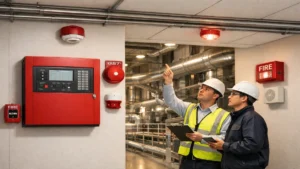
Modern industrial safety systems are interconnected. Fire alarm systems must communicate with other safety technologies to create a coordinated emergency response.
GST fire alarm systems support integration with:
- Fire suppression systems
- Public address and voice evacuation systems
- Building management systems
- Smoke control systems
- Emergency lighting systems
This integrated approach ensures that when a fire alarm is triggered, multiple safety responses occur automatically.
For example, the system can trigger alarms, activate sprinklers, unlock emergency exits and notify emergency response teams simultaneously.
6. Durable Design for Harsh Industrial Environments
Industrial environments can be harsh. Equipment must withstand dust, humidity, vibrations and temperature variations.
GST fire alarm devices are designed to operate reliably under such conditions.
Their durability makes them suitable for:
- Manufacturing plants
- Chemical processing units
- Warehouses and logistics hubs
- Power plants
- Heavy industrial facilities
This rugged design ensures that the system continues to function effectively even in challenging environments.
7. Easy Monitoring and Maintenance
Industrial safety systems must be easy to monitor and maintain. A fire alarm system that requires complex maintenance can lead to operational disruptions.
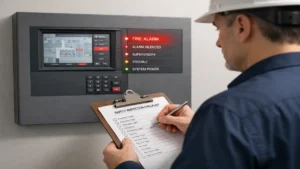
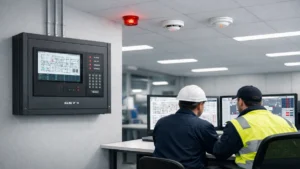
GST systems offer user-friendly monitoring interfaces that help facility managers quickly assess the system’s status.
Key maintenance advantages include:
- Real-time system diagnostics
- Fault monitoring alerts
- Easy detector testing
- Simplified maintenance procedures
These features reduce downtime and help maintenance teams keep the system operating efficiently.
8. Cost-Effective Fire Safety Solution
Cost is an important factor when industries select fire safety systems. However, organisations also recognise that investing in reliable safety infrastructure prevents expensive losses.
GST fire alarm systems provide a balance between cost and performance.
Industries benefit from:
- Long-term reliability
- Reduced maintenance costs
- Scalable installation options
- High-quality components
Because of these factors, GST systems are often considered a cost-effective investment for industrial fire protection.
9. Trusted Brand in Global Fire Safety
Brand reputation plays an important role in safety system selection. GST has built a strong reputation in the fire safety industry through consistent product performance and technological innovation.
Many engineers and safety professionals trust GST systems because they have been successfully installed in:
- Industrial manufacturing plants
- Warehouses and distribution centres
- Commercial buildings
- Infrastructure projects
- Institutional facilities
This global adoption reinforces confidence in the system’s reliability.
10. Faster Emergency Response and Risk Reduction
The primary purpose of a fire alarm system is to enable rapid response during emergencies. Early detection can significantly reduce fire damage and protect human life.
GST systems improve emergency response through:
- Immediate alarm activation
- Precise fire location identification
- Automated safety system integration
- Quick communication with response teams
When emergencies are detected early, facilities can evacuate workers safely and activate firefighting systems before the situation escalates.
Industrial Applications of GST Fire Alarm Systems
GST fire alarm systems are widely used across many industrial sectors, including:
- Manufacturing facilities
- Automotive plants
- Pharmaceutical industries
- Food processing plants
- Warehouses and logistics centers
- Power generation plants
- Oil and gas facilities
Each of these industries has unique fire safety challenges and GST systems provide adaptable solutions to address those risks.
Key Benefits for Engineers and Safety Managers
Engineers and facility safety managers often prioritise systems that are technically reliable, scalable and easy to manage.
GST fire alarm systems provide several advantages for technical professionals:
- Advanced engineering design
- Flexible system architecture
- Detailed event monitoring
- Reliable communication networks
- Compatibility with modern safety infrastructure
These features simplify system planning and make long-term fire safety management more effective.
Future of Industrial Fire Safety Systems
Industrial fire safety is evolving rapidly with the adoption of smart technologies and digital monitoring platforms.
Modern fire alarm systems are now integrating with:
- Smart building technologies
- IoT-based monitoring systems
- Remote diagnostics platforms
- AI-powered risk detection tools
GST continues to develop solutions that align with these technological advancements, helping industries strengthen their safety infrastructure for the future.
Note: Fire safety is a critical priority for industrial facilities where operational risks are high and safety standards must be strictly maintained. Selecting the right fire alarm system plays a key role in preventing disasters, protecting employees and ensuring business continuity.
GST fire alarm systems have become popular in industrial environments because they combine reliability, scalability, advanced detection technology and compliance with global safety standards.
Their ability to provide accurate fire detection, integrate with other safety systems and operate effectively in harsh industrial conditions makes them a trusted choice for engineers and facility managers.
As industrial operations continue to expand and safety requirements become more demanding, advanced fire alarm solutions like GST systems will remain essential components of modern industrial safety infrastructure.
Organisations that invest in reliable fire detection systems today can significantly reduce fire risks, protect valuable assets and create safer working environments for the future.
Read Also: How Compliance Failures Can Shut Down Industrial Operations
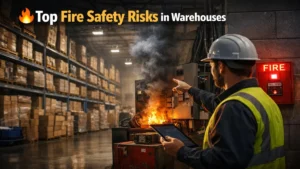
Read Also: Top Fire Safety Risks in Warehouses and Manufacturing Plants