Modern hotels operate in a highly competitive environment where guest experience, safety, operational reliability and compliance directly influence reputation. Among all building systems, the fire alarm system is one of the most critical components for both safety and brand credibility.
In recent years, hotel chains across India and globally have started replacing their older conventional fire panels with addressable fire alarm systems. This shift is not driven by trend alone, it comes from real operational benefits, safety improvements and strong compliance requirements. Addressable systems provide hotels with precise control, real-time data and a smarter approach to handling alarms.
This article explains why hotels are transitioning, what advantages they gain, how addressable systems reduce long-term costs and where brands like GST addressable fire alarm systems fit in this transformation.
Understanding the Hotel Environment: Why Fire Alarm Precision Matters
Hotels are large, dynamic and continuously occupied buildings. Many contain several hundred rooms spread across multiple floors, along with kitchens, laundries, corridors, basements, lifts, meeting halls, roof-top areas and mechanical rooms. This translates into:
- High occupancy at all times
- Constant movement of guests and staff
- Continuous use of electrical loads
- Fire-prone zones like kitchens and laundries
- Complex evacuation paths
- Strong focus on guest experience and brand reputation
In such environments, a fire alarm system must be accurate, fast, scalable and easy to maintain. Conventional panels often fall short in these areas.
Limitations of Old Conventional Fire Panels in Hotels
Many hotels still use systems that only indicate the “zone” of a fire or fault rather than the specific device. These systems create several challenges:
Weak Fault Identification
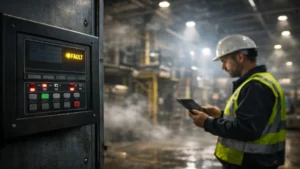
If a detector fails, the panel will show a “zone fault.” The maintenance team then checks dozens of devices one by one. This increases the risk of downtime.
False Alarms Affect Guest Experience
False alarms can cause panic, property damage and reputation loss. Guests may share negative experiences online, impacting brand trust.
Higher Maintenance Costs
More man-hours, longer troubleshooting time and repeated inspections make conventional systems expensive in the long run.
Limited Scalability
As hotels renovate or expand their floors, conventional systems require additional wiring and panel upgrades.
Delayed Emergency Response
The panel cannot identify the exact detector that triggered an alarm. This delays staff response and increases fire spread risk.
These limitations are exactly why hotels now prefer addressable systems, which eliminate these operational pain points.
Why Hotels Are Switching to Addressable Fire Alarm Panels
Precise Device-Level Location for Every Alarm
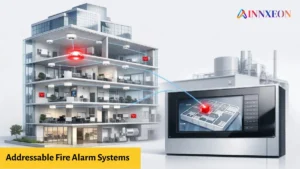
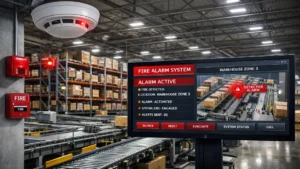
Addressable fire alarm panels identify each detector, MCP, module and sounder with a unique address. When a fire or fault occurs, the panel shows:
- Exact room number
- Floor number
- Device type
- Time of occurrence
This is game-changing for hotels because:
- Staff can reach the incident spot within seconds.
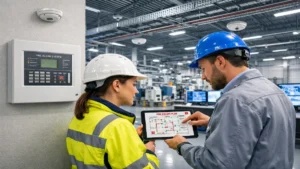
- Maintenance teams can fix issues without guesswork.
- Emergency response becomes structured and fast.
For example, if a smoke detector in “Room 509 – Corridor Detector 03” activates, the panel pinpoints this device immediately. This level of clarity is essential in large hotels where quick decision-making matters.
Dramatic Reduction in False Alarms
False alarms are one of the major reasons hotels switch to addressable fire systems.
Addressable systems include:
- Drift compensation
- Real-time sensitivity adjustment
- Fault prediction
- Historical event logs
- Intelligent alarm verification
These features help prevent false triggers due to dust, humidity, steam or aging sensors.
Hotels report that switching to addressable detectors reduces false alarms by 30% to 60%, depending on building conditions. This translates into fewer disruptions and a smoother guest experience.
Better Fire Response and Evacuation Strategy
Addressable systems support advanced evacuation features such as:
- Phased evacuation
- Selective sounder activation
- Alarm verification
- Intelligent cause-and-effect actions
- Directional guidance using sound patterns
Hotels can create evacuation strategies based on:
- Floor levels
- Occupancy rate
- Time of day
- Areas at higher risk
This ensures a controlled evacuation rather than a panic situation where all floors evacuate simultaneously.
Scalability Across Multiple Hotel Floors and Blocks
Hotels frequently expand:
- Adding new guest wings
- Extending kitchens
- Constructing banquet areas
- Adding spa and recreational facilities
- Upgrading staircases and escape routes
Addressable fire systems allow easy integration of new zones without massive rewiring. A new device can simply be looped into the existing addressable network.
This flexibility helps large hotel chains maintain consistency across all their properties.
Lower Cabling Costs and Easier Installation
While conventional systems require separate wiring for each device or zone, addressable systems use a single loop for multiple devices. This reduces:
- Cable length
- Conduits
- Copper usage
- Labour costs
- Installation time
Hotels benefit from up to 30-40% savings in cabling during new installations or renovations.
Centralized Monitoring for Multiple Buildings
Many premium hotel chains operate from:
- Multiple blocks
- Villas
- High-rise towers
- Service buildings
- Parking structures
An addressable system allows all buildings to be connected to a central location using:
- Networking modules
- Fiber communication
- Graphic monitoring software
- Fire command centers
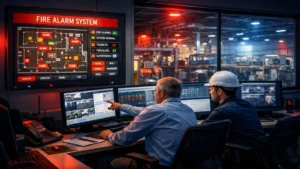
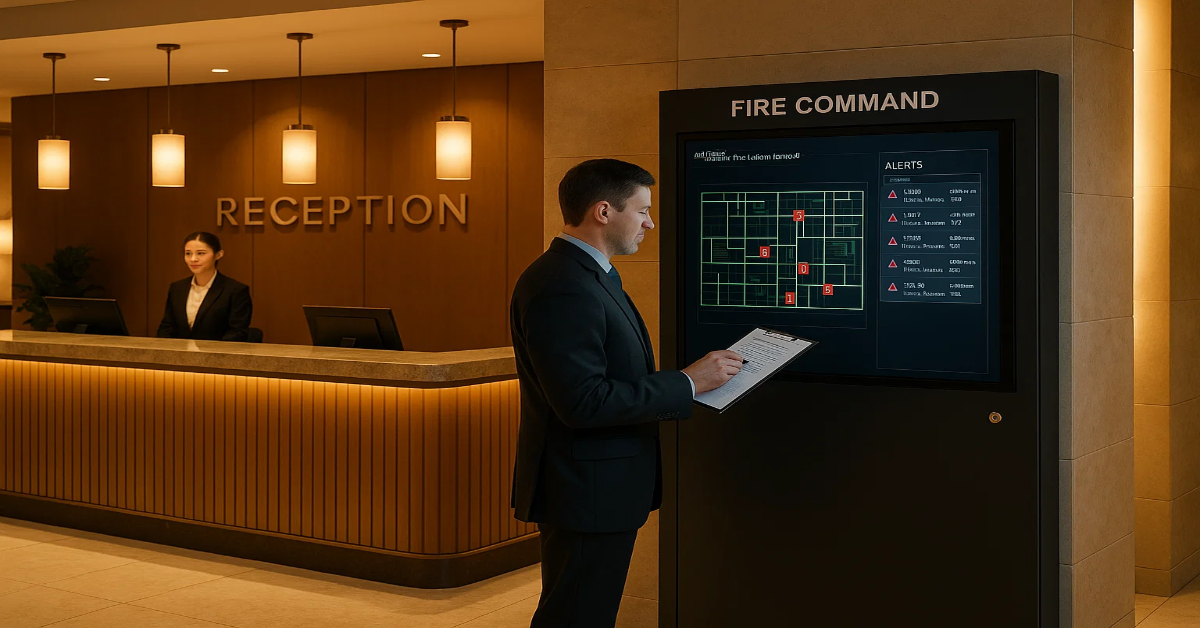
Security staff can monitor the entire property from a single Fire Control Room (FCR). This is especially useful for resorts and large hotel campuses.
Compliance with Modern Fire Safety Standards
Hotels must comply with:
- National Building Code (NBC) of India
- Local fire department requirements
- NFPA guidelines
- Insurance audit standards
- Internal brand safety protocols
Addressable systems help hotels meet these standards easily since they provide:
- Device-level documentation
- Performance logs
- Electronic maintenance records
- Easy audit trails
- Real-time monitoring
Many modern certifications now recommend or prefer addressable systems over older conventional options.
Role of GST Addressable Systems in the Hotel Sector
GST addressable fire alarm systems are widely used in hotels due to their:
- Reliability
- Scalability
- Compliance support
- Stable detector algorithms
- Easy commissioning tools
- Availability of service across India
This is one reason many hotel engineers and consultants include GST systems during fire safety upgrades. The intention here is not to promote but to acknowledge that GST is a recognized brand in the Indian hospitality sector’s fire safety ecosystem.
How Addressable Fire Panels Support Hotel Operations Beyond Safety
Modern addressable panels go beyond basic alarm functions. They integrate with other hotel systems such as:
- HVAC
- BMS (Building Management System)
- Access control
- Lift control
- Pressurization fans
- Kitchen suppression systems
- Emergency lighting systems
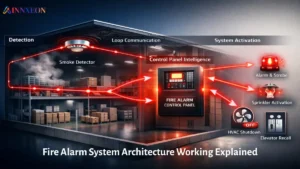
Addressable panels can automatically:
- Shut down the AHU during fire
- Release magnetic door holders
- Recall elevators
- Activate fan control
- Trigger sprinkler valves
- Inform the BMS for further actions
This automation reduces staff workload and ensures the hotel follows a predictable emergency sequence.
Better Data Visibility for Hotel Facility Teams
Hotels benefit greatly from the data that addressable systems provide:
- Historical logs
- Detector contamination status
- Alarm trends
- Device health reports
- Daily event summaries
Facility teams use this data to:
- Plan preventive maintenance
- Predict detector replacements
- Reduce downtime
- Improve overall fire safety strategy
This is especially helpful in large hotel chains with multiple properties.
Enhancing Guest Trust and Brand Reputation
Guests expect hotels to provide:
- Comfort
- Convenience
- Safety at every level
Installing addressable fire alarm systems strengthens guest trust because these systems demonstrate that the hotel prioritizes life safety. Many hotels subtly highlight their safety measures on their website or brochures. A reliable fire alarm system indirectly supports brand value.
Cost Efficiency Over Long-Term Operations
Even though addressable systems may cost more initially, hotel chains switch because they save significantly over time through:
- Reduced false alarms
- Lower cabling cost
- Predictive maintenance
- Faster troubleshooting
- Lower downtime
- Fewer guest complaints
- Extended equipment life
These savings make addressable panels more sustainable for hotel operations.
Why the Shift Is Growing Faster in 2025 and Beyond
The last few years have accelerated the shift because of:
- Increased fire safety audits
- Insurance recommendations
- High guest safety expectations
- Rising maintenance costs of old systems
- Availability of modern addressable technologies
- Increasing number of hotel renovations
- Government emphasis on NBC compliance
Hotels aim to future-proof their infrastructure, and addressable systems fit that goal perfectly.
Note: Hotel chains are switching to addressable fire alarm panels because these systems offer precision, scalability, reduced false alarms, low maintenance costs and strong compliance support. In environments where safety, reputation and uninterrupted guest experience matter most, the advantages of addressable systems are undeniable.
Brands like GST continue to play a notable role in this sector by offering reliable and scalable addressable solutions, which is why many hotel engineers consider them during system upgrades. The transition is not about luxury, it is about safety, efficiency and long-term operational stability.
Read Also: How GST Fire Panels Help Engineers Reduce Cabling Costs by Up to 40%
Read Also: 5 Problems in Old Fire Panels That GST Addressable Systems Completely Solve