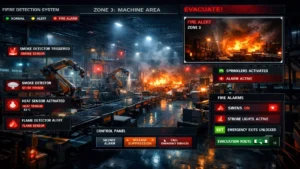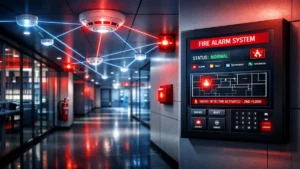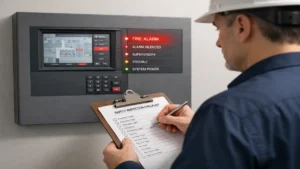
Industrial fire detection systems are designed to protect lives, assets and business continuity. However, despite rapid technological advancements, many industrial facilities still operate with under-engineered fire detection systems. This gap between risk and protection often leads to delayed response, false alarms, compliance failures and catastrophic losses.
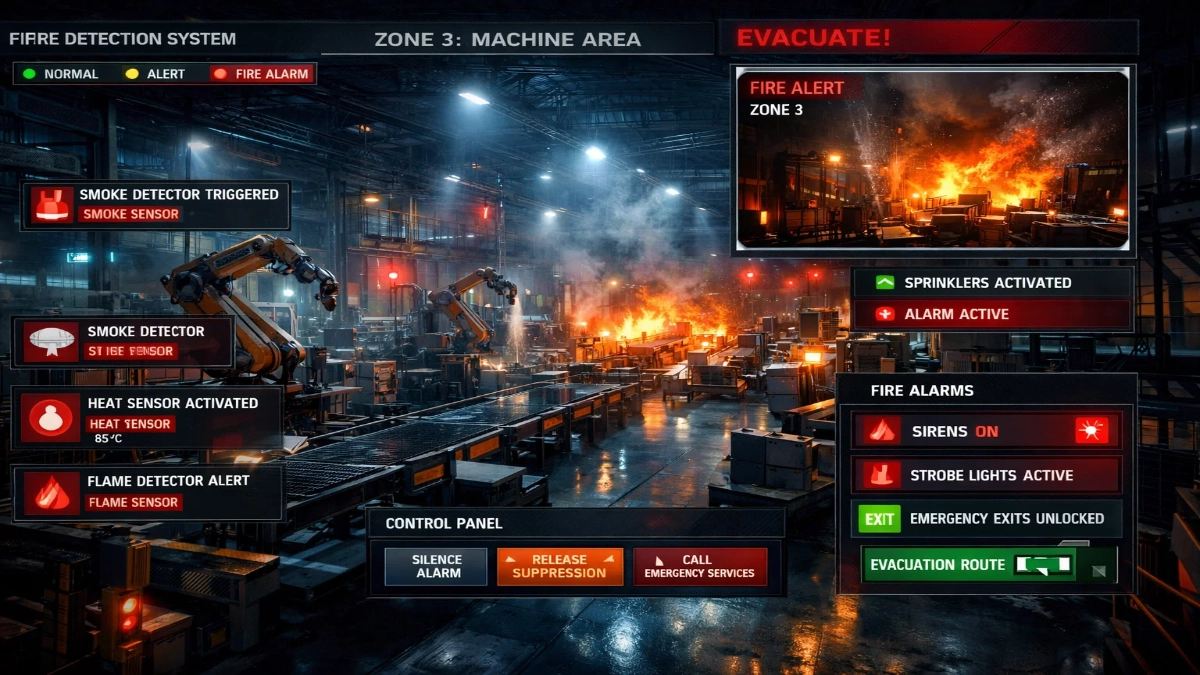
In this article, we will explore why most industrial fire detection systems fall short, the risks involved and how businesses can upgrade to smarter, scalable solutions like a GST fire alarm system supplier in India to ensure reliable fire safety.
What Does “Under-Engineered” Mean in Fire Detection Systems?
An under-engineered fire detection system is:
- Designed without proper risk assessment
- Installed with minimal compliance focus
- Lacking scalability for future expansion
- Using outdated or mismatched technologies
In simple terms, it means the system is not strong enough for the actual fire risks present in the facility.
Why Industrial Fire Detection Systems Are Often Under-Engineered
1. Cost-Cutting During Initial Installation
Many industries treat fire safety as a compliance checkbox rather than a critical investment. As a result:
- Low-cost components are selected
- System design is simplified
- Coverage areas are reduced
This leads to the use of basic solutions like a conventional fire alarm panel instead of a more advanced addressable fire alarm panel, even in large or complex facilities.
While this may reduce upfront cost, it significantly increases long-term risk.
2. Poor Risk Assessment and Planning
Every industrial facility has unique fire risks:
- Chemical plants have flammable gases
- Warehouses have high fuel loads
- Manufacturing units have heat and dust
However, many systems are designed using a generic approach instead of site-specific analysis. This results in:
- Incorrect detector placement
- Inadequate zone coverage
- Delayed fire detection
A well-engineered system should always begin with a detailed hazard assessment.
3. Wrong Choice Between Addressable and Conventional Systems
One of the most common engineering mistakes is choosing the wrong system type.
Conventional Systems:
- Divide the building into zones
- Cannot pinpoint the exact fire location
- Suitable for small setups
Addressable Systems:
- Identify the exact device location
- Enable faster response
- Ideal for large industrial facilities
Using a conventional fire alarm panel in a large industrial plant leads to slower emergency response, while an addressable fire alarm panel provides precise and real-time alerts.
4. Inadequate Detector Selection
Not all detectors work effectively in industrial environments.
Many facilities use standard conventional detectors where specialised sensors are required. This leads to:
- Frequent false alarms
- Missed detection in harsh environments
- Reduced system reliability
Modern systems use addressable detectors that can adapt to environmental conditions and provide more accurate detection.
5. Lack of Integration with Other Safety Systems
Fire detection systems should not operate in isolation. However, under-engineered setups often lack integration with:
- Fire suppression systems
- HVAC shutdown systems
- Emergency communication systems
- Building management systems
This disconnect delays response and increases damage during emergencies.
6. Ignoring Scalability and Future Expansion
Industrial facilities grow over time. However, many fire detection systems are designed only for current needs.
This creates problems such as:
- Limited expansion capability
- Complex rewiring
- Increased upgrade costs
An advanced GST fire alarm system offers a modular and scalable architecture, making it future-ready.
7. Poor Installation Practices
Even a well-designed system can fail if installed incorrectly.
Common issues include:
- Improper wiring
- Incorrect detector spacing
- Non-compliance with safety standards
This reduces system efficiency and increases the chances of failure during emergencies.
8. Lack of Regular Maintenance and Testing
Many industries install fire alarm systems but fail to maintain them properly.
This results in:
- Sensor degradation
- Battery failure
- Communication errors
Regular maintenance is essential to ensure system readiness at all times.
9. Over-Reliance on Basic Compliance Standards
Meeting minimum regulatory standards is not enough for industrial safety.
Compliance codes define the baseline, not the ideal solution. Under-engineered systems often:
- Just meet basic norms
- Ignore real-world risks
- Lack redundancy
A high-quality GST fire alarm system supplier in India focuses on performance, not just compliance.
Risks of Under-Engineered Fire Detection Systems
Under-engineering is not just a technical flaw; it is a business risk.
1. Delayed Fire Detection
Slow detection allows fire to spread rapidly, increasing damage.
2. False Alarms
Frequent false alarms reduce trust and disrupt operations.
3. Increased Downtime
Fire incidents can halt production for days or weeks.
4. Compliance Violations
Failure to meet updated standards can lead to penalties.
5. Loss of Life and Assets
The biggest risk is human safety and irreversible financial loss.
How to Avoid Under-Engineered Fire Detection Systems
1. Conduct Detailed Risk Assessment
Before installation, analyse:
- Fire load
- Environmental conditions
- Operational hazards
This ensures the system matches the real risk profile.
2. Choose the Right Technology
Select between:
- Addressable fire alarm panel for large facilities
- Conventional fire alarm panel for smaller setups
Use addressable detectors in complex environments and conventional detectors where appropriate.
3. Invest in Quality Systems
Instead of focusing only on cost, prioritise:
- Reliability
- Accuracy
- Long-term performance
A trusted GST fire alarm system supplier in India can provide certified and high-performance solutions.
4. Ensure Proper System Design
A well-engineered system includes:
- Optimal detector placement
- Proper zoning and mapping
- Redundancy for critical areas
5. Integrate with Other Safety Systems
Modern fire detection should connect with:
- Fire suppression systems
- Emergency evacuation systems
- Central monitoring systems
This improves response time and overall safety.
6. Plan for Future Expansion
Choose systems that allow:
- Easy addition of devices
- Software upgrades
- Network scalability
A GST fire alarm system is ideal for growing industrial environments.
7. Regular Maintenance and Testing
Schedule periodically:
- System inspections
- Detector calibration
- Battery checks
This ensures the system performs when needed most.
Why Modern GST Fire Alarm Systems Are a Better Choice
A GST fire alarm system is designed to overcome the limitations of traditional systems.
Key Advantages:
- Advanced addressable technology
- High detection accuracy
- Reduced false alarms
- Scalable architecture
- Easy integration with other systems
These systems are ideal for industries such as:
- Manufacturing plants
- Warehouses
- Oil & gas facilities
- Commercial complexes
Choosing a reliable GST fire alarm system supplier in India ensures proper design, installation and long-term support.
The Future of Industrial Fire Detection
Industrial fire safety is evolving rapidly with technologies like:
- AI-based fire detection
- IoT-enabled monitoring
- Cloud-based system management
- Predictive maintenance
Modern systems are no longer just alarms; they are intelligent safety networks.
Conclusion
Most industrial fire detection systems are under-engineered because of cost-cutting, poor planning, outdated technology and lack of expertise. While these systems may meet basic compliance requirements, they often fail to provide real protection when it matters most.
Investing in a well-designed system using advanced technologies like addressable fire alarm panels, addressable detectors and a reliable GST fire alarm system can significantly improve safety, reduce risks and ensure business continuity.
If you want a future-ready solution, partnering with a trusted GST fire alarm system supplier in India is the smartest step toward building a safer industrial environment.
Read Also: Challenges in Fire Safety Infrastructure in India’s Tier-2 Industrial Cities
Read Also: Network Communication Protocols in Modern Fire Alarm Systems