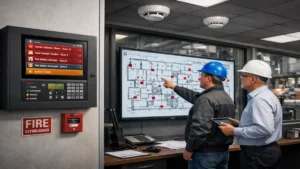
In today’s security landscape, a CCTV system is not just a monitoring tool; it is a core part of operational safety, compliance, risk management and business continuity. Whether you manage a manufacturing plant, corporate office, warehouse, hospital, or retail chain, your surveillance infrastructure directly impacts security response time, forensic accuracy and liability protection.
Yet many businesses continue to rely on outdated systems installed 7–10 years ago. Technology has evolved rapidly, from analogue DVR systems to AI-powered IP surveillance, and older systems often fail when they are needed most.
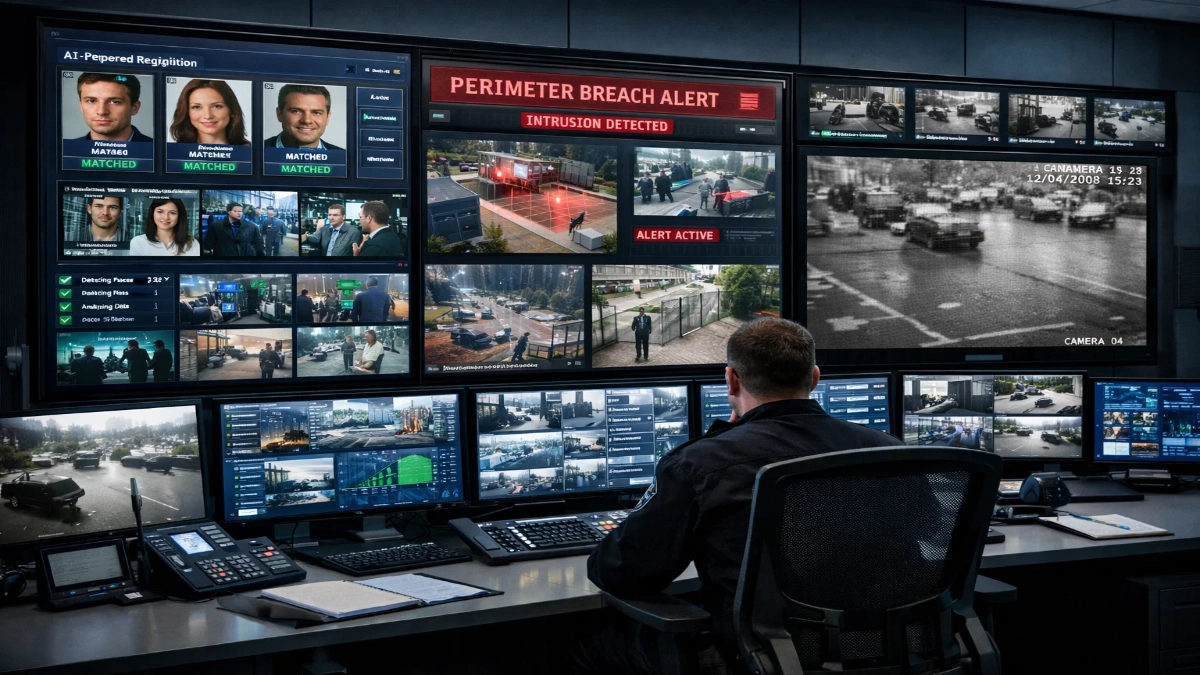
If you are unsure whether your current CCTV system still meets modern standards, this guide will help you evaluate it clearly and practically.
Below are 9 critical warning signs that indicate your CCTV system needs an upgrade.
1. Poor Video Quality and Blurry Footage
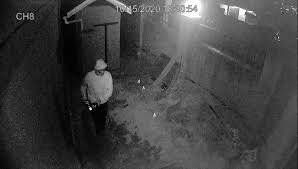
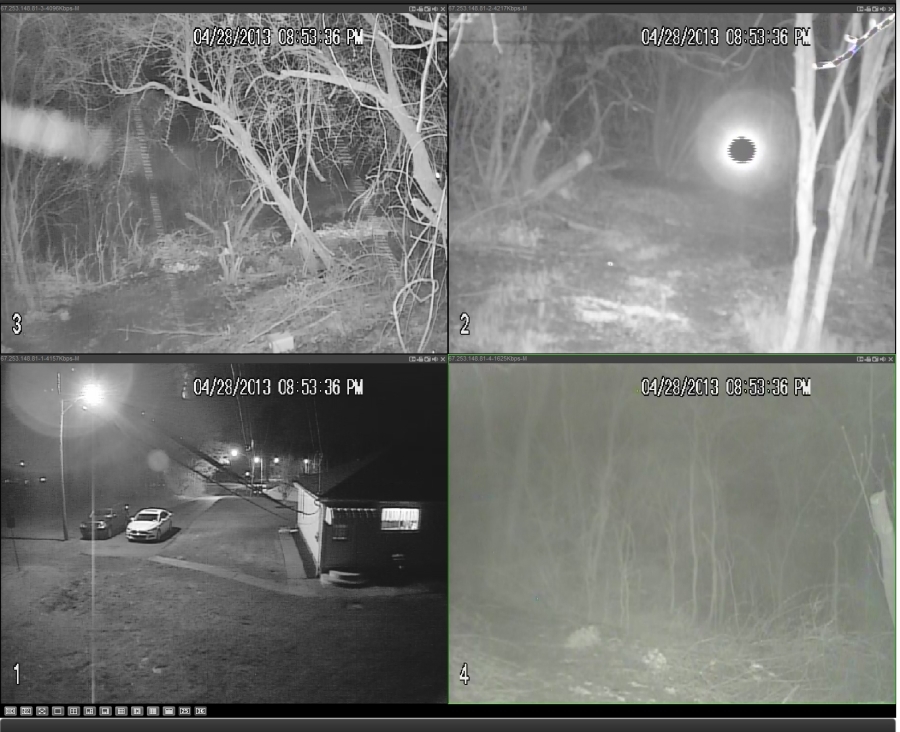
Video clarity is the primary purpose of a surveillance system. If you cannot clearly identify faces, license plates, or movement patterns, your system fails its core function.
Older analogue cameras typically record in:
- 480p or 720p resolution
- Low frame rates
- Poor dynamic range
Modern IP cameras now offer:
- Full HD (1080p), 4MP, 8MP and even 4K resolution
- Wide Dynamic Range (WDR)
- Enhanced low-light performance
- Digital zoom without distortion
Why This Matters
In forensic investigations, unclear footage becomes legally weak evidence. Insurance claims, internal investigations and law enforcement cooperation all depend on image clarity.
If your footage looks pixelated when zoomed, your CCTV system is technologically outdated.
2. Limited Storage Capacity
Many legacy DVR systems rely on small hard drives with restricted recording cycles. This creates two major risks:
- Footage gets overwritten too quickly
- Critical data may be unavailable when needed
Modern systems support:
- Network Video Recorders (NVRs)
- RAID storage configurations
- Cloud-based backup
- Intelligent storage management
If your system stores less than 30 days of footage in a commercial environment, it may not meet compliance or operational requirements.
Storage capacity directly affects accountability.
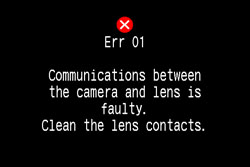
3. Frequent Downtime or System Failures
Do you experience:
- Random camera blackouts?
- Recording interruptions?
- Hard disk crashes?
- Network disconnections?
Frequent system failure indicates ageing hardware, outdated firmware or unsupported software.
Security systems must operate 24/7. Even a few hours of downtime can create blind spots that expose facilities to theft, vandalism, or safety incidents.
Modern surveillance infrastructure offers:
- Health monitoring alerts
- Redundant power systems
- Remote diagnostics
- Predictive failure alerts
If your system fails without warning, it needs an upgrade.
4. No Remote Access or Mobile Monitoring
Today’s security management demands real-time access from anywhere.
If your system:
- Requires physical access to the DVR
- Lacks secure mobile app access
- Does not support encrypted cloud viewing
You are operating below industry standards.
Modern IP-based systems allow:
- Secure smartphone monitoring
- Role-based access control
- Multi-location centralized dashboards
- Real-time alerts and push notifications
For engineers and facility managers overseeing multiple sites, remote access is no longer optional; it is operationally essential.
5. Incompatibility with Modern Security Systems
A CCTV system should not operate in isolation. It must integrate with:
- Access control systems
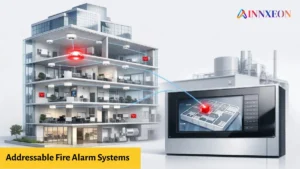
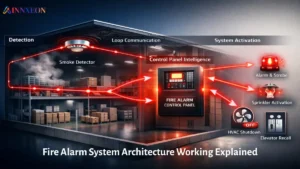
- Fire alarm systems
- Intrusion detection
- Building Management Systems (BMS)
If your cameras cannot integrate with newer IP-based infrastructure, you limit your automation capabilities.
Modern systems enable:
- Event-based recording (e.g., door forced open)
- Alarm-triggered camera focus
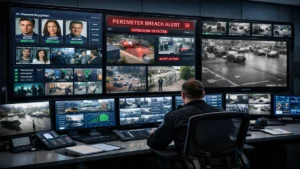
- AI analytics for perimeter breach detection
- Centralised command centres
Integration improves response time and reduces false alarms.
6. No Smart Analytics or AI Capabilities
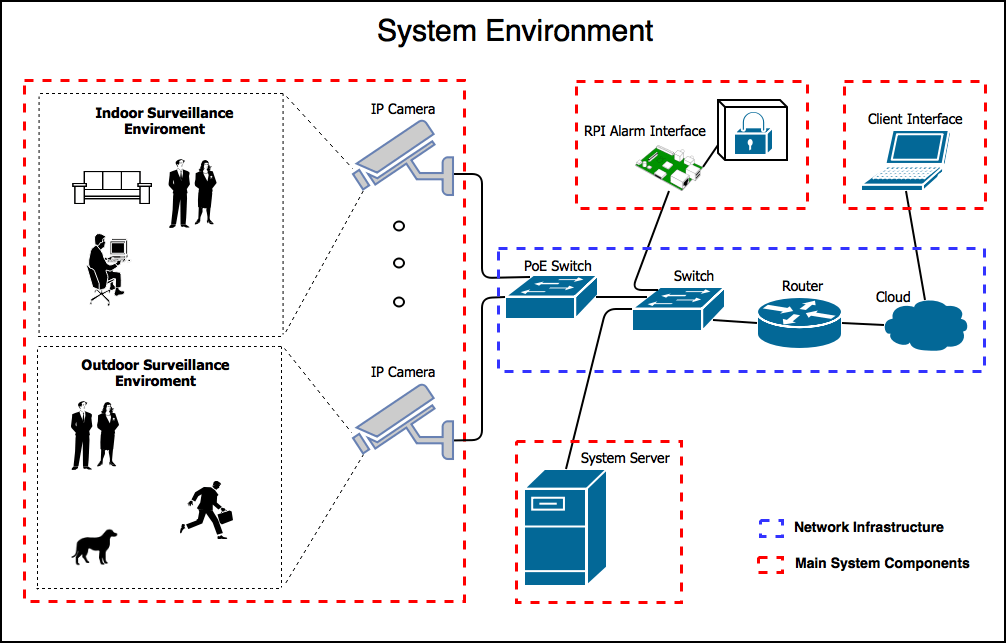
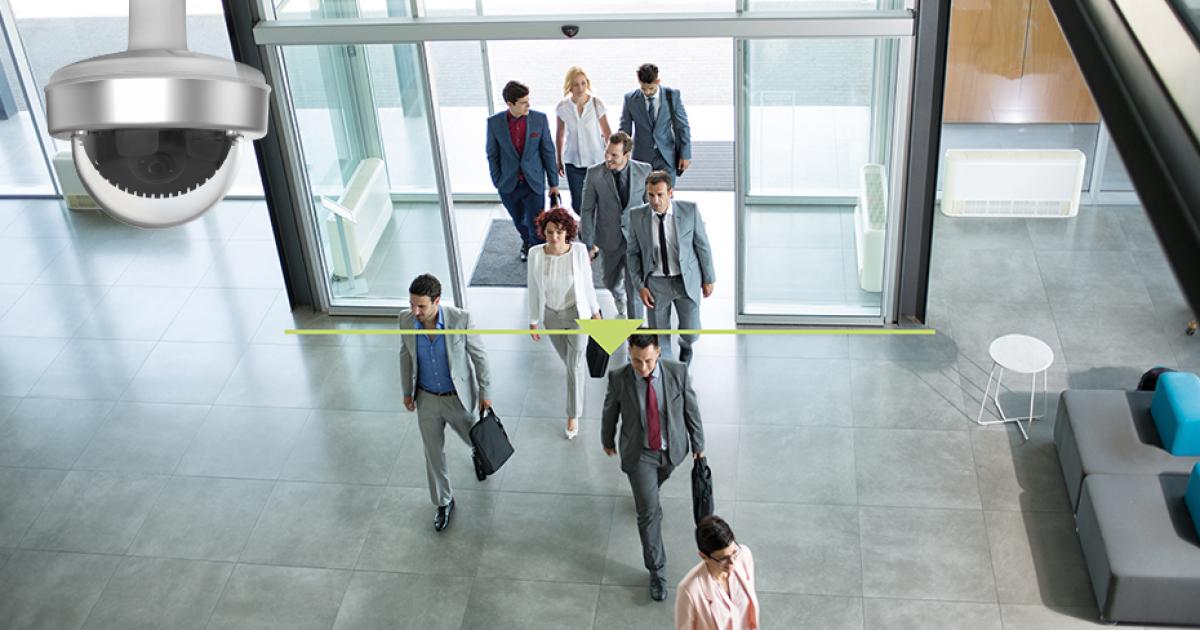
Traditional CCTV systems simply record footage. Modern systems analyse it.
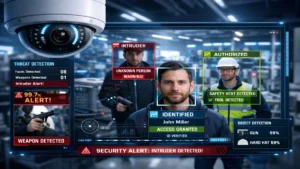
Advanced video analytics include:
- Facial recognition
- People counting
- License plate recognition
- Line-crossing detection
- Object left/removed detection
- Crowd density monitoring
AI reduces manual monitoring and enhances threat detection.
Without analytics, security teams rely entirely on human observation, which increases error probability.
For large enterprises and industrial sites, AI-powered surveillance is becoming standard practice.
7. Cybersecurity Vulnerabilities
Older CCTV systems often:
- Use default passwords
- Lack encryption
- Run unsupported firmware
- Operate on open network ports
These vulnerabilities expose your network to cyber threats.
Surveillance systems are now common entry points for hackers targeting corporate infrastructure.
Modern systems include:
- End-to-end encryption
- Two-factor authentication
- Secure firmware updates
- Role-based permissions
If your system vendor no longer provides updates, your security risk increases significantly.
8. High Maintenance and Repair Costs
If you frequently:
- Replace analog cameras
- Repair DVR boards
- Troubleshoot coaxial cabling
- Replace failing power supplies
It may be more cost-effective to upgrade entirely.
Legacy systems require more manual maintenance due to ageing components.
Modern IP systems offer:
- Power over Ethernet (PoE)
- Simplified cabling
- Centralized updates
- Remote diagnostics
Upgrading reduces long-term operational expenditure.
9. Your Business Has Expanded: But Your CCTV Has Not
Business growth changes security requirements.
Consider whether:
- You added new warehouse zones
- Expanded manufacturing floors
- Opened additional branches
- Increased employee count
- Added parking areas
If your CCTV coverage remains unchanged, your risk exposure increases.
Modern scalable systems allow:
- Easy camera expansion
- Centralised multi-site management
- Cloud-based video management systems (VMS)
- High-bandwidth IP networking
Security infrastructure must evolve with organisational growth.
Additional Indicators Engineers Should Evaluate
Engineers and security managers should also assess:
Network Bandwidth Capacity
IP cameras require optimised network design. Poor network planning leads to latency and frame drops.
Power Redundancy
Do you have UPS backup for cameras and NVRs?
Environmental Suitability
Industrial sites require IP-rated and weatherproof cameras.
Compliance Standards
Ensure your system meets:
- Local data protection regulations
- Industry-specific compliance
- Corporate governance requirements
Upgrading is not just about technology; it is about operational resilience.
How Modern CCTV Systems Improve Operational Efficiency
Upgrading your CCTV system offers measurable benefits:
- Faster incident response
- Reduced theft and shrinkage
- Improved employee safety
- Enhanced legal protection
- Better insurance positioning
- Stronger cybersecurity posture
AI-based analytics transform surveillance from passive recording to proactive threat detection.
For industrial engineers, this shift aligns surveillance infrastructure with smart facility management principles.
Final Thoughts
A CCTV system should provide clarity, reliability, intelligence and resilience. If your infrastructure shows even three or four of the warning signs discussed above, it is time to conduct a professional system audit.
Security failures rarely announce themselves in advance. Most organizations realize system weaknesses only after an incident occurs.
Upgrading your CCTV system is not a cosmetic improvement. It is a strategic investment in risk management, operational continuity and digital transformation.
Engineers, facility managers and security heads must evaluate surveillance infrastructure with the same seriousness as fire safety systems, network architecture and physical access control.
Proactive upgrades prevent reactive damage control.
If your current system feels outdated, slow, or unreliable, that instinct is usually correct.
Now is the right time to assess, plan and modernise your CCTV infrastructure before vulnerabilities turn into costly incidents.
Read Also: How AI-Based CCTV Cameras Improve Threat Detection
Read Also: Industrial Surveillance + Fire Safety: A Unified Protection Strategy