
How to Choose an EST Fire Alarm System for a New Commercial Project
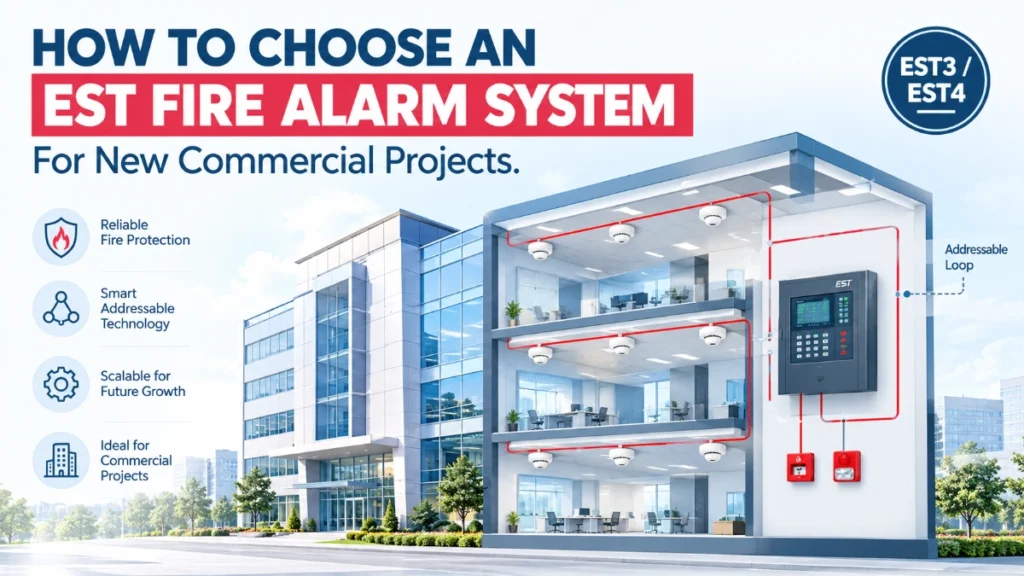
A new commercial building is still at the design stage. The project team knows it needs an addressable fire alarm system, but the harder question isn’t which panel to buy; it’s what the system will be asked to do over the life of the building. How many devices will it eventually support? How should floors […]
Fire Alarm to Access Control Integration: What Should and Should Not Be Automated?
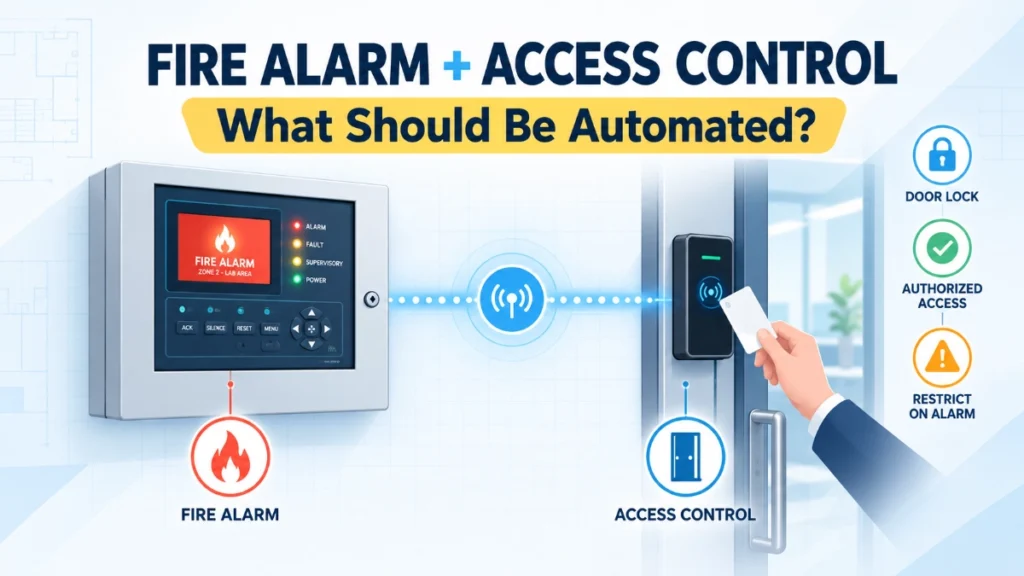
A facility integrates its fire alarm system with access control. During commissioning, the panel activates, and the room goes quiet for a different reason: nobody agrees on what should happen next. Which doors should release? Should every controlled door unlock, or only some? What happens to restricted technical areas? What is the expected behaviour if […]
How Event Logs Can Reveal Hidden Fire Alarm System Problems

A fire alarm system repeatedly reports a fault. A technician resets the panel, replaces a device, or clears the condition, and operation returns to normal until the same problem resurfaces weeks later. On its own, each occurrence looks like an isolated nuisance trip. Viewed together, it may be something else entirely. This is where fire […]
EST Fire Alarm System for Industrial Facilities: What Engineers Should Evaluate

Engineers should not evaluate an industrial fire alarm system based only on the number of devices it can support. Engineers need to assess how the system behaves across the facility’s environment, architecture, integrations, expansion path, and operational risk. Industrial projects rarely face the same challenges as simple commercial installations. Industrial sites bring large footprints, multiple […]
Fire Alarm Integration With PA/VA Systems: Where Engineering Gets Complicated
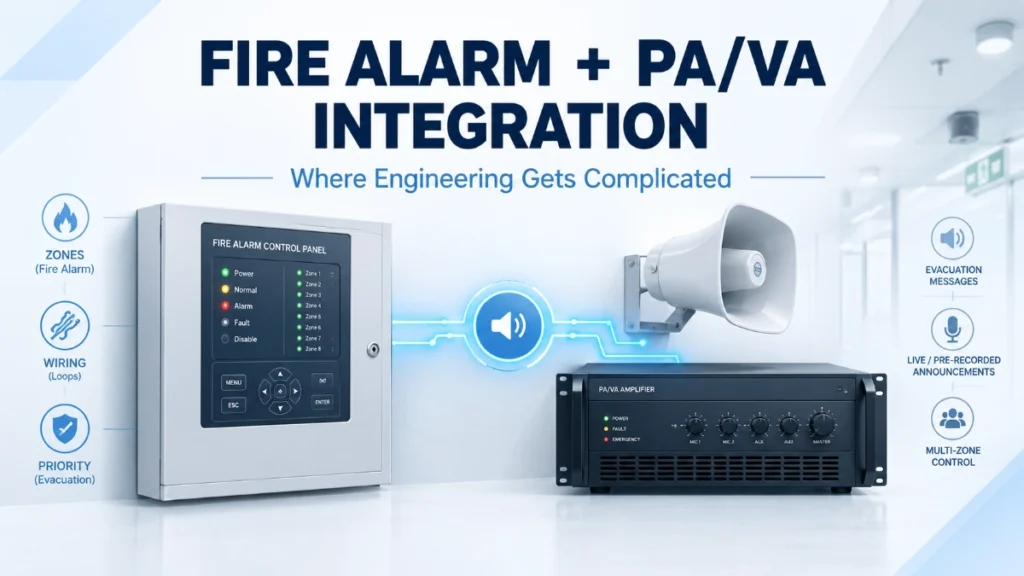
A building has a properly installed fire alarm system and a well-specified PA/VA system. Tested independently, both perform exactly as expected. Then, during an actual fire condition, the fire alarm must trigger the correct voice message, override whatever was playing, reach the correct zones, maintain the correct priority, and do this reliably for the duration […]
How Fire Alarm System Obsolescence Creates Hidden Engineering Risks
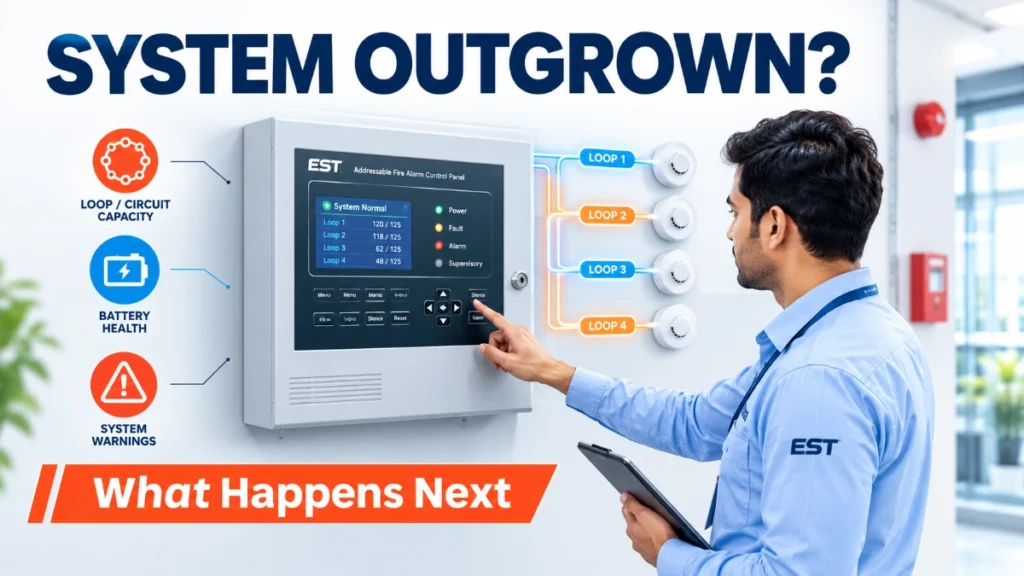
Every fire alarm system is designed around a specific building at a specific point in time. An engineer calculates the number of detectors, modules, notification appliances, zones or loops, and interfaces needed for the building on the approved drawings. That design is correct for that building, on that day. Years later, the building changes: a […]
Planning an EST3 to EST4 Migration: Key Engineering Questions
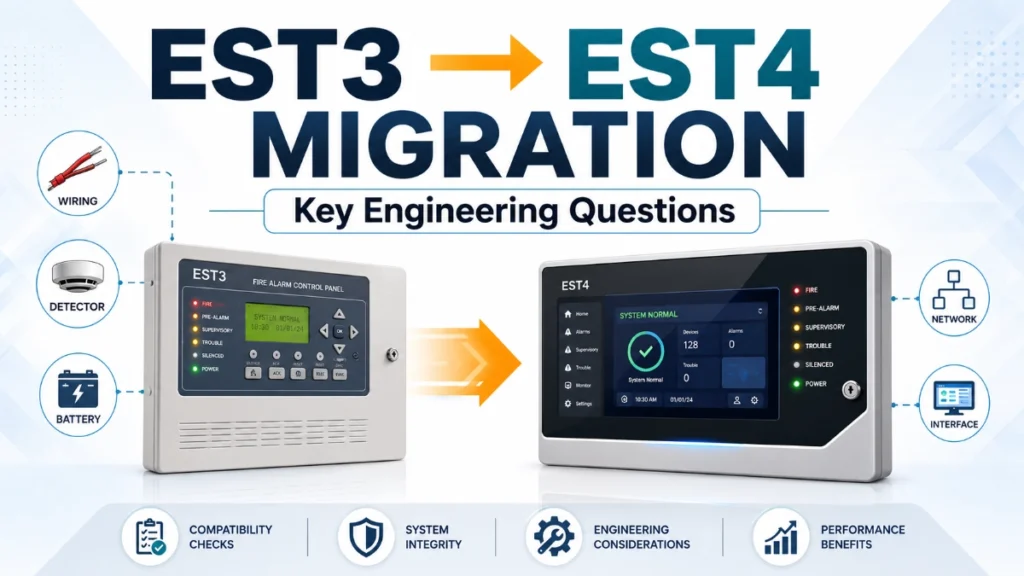
An EST3 system has often been protecting a building for a decade or more. The facility has expanded, some field devices have aged past their comfortable service life, documentation has thinned out through years of small modifications, and new interfaces access control, HVAC shutdown, elevator recall, PA/VA have been added along the way. At some […]
What Happens When a Fire Alarm System Outgrows Its Original Design?
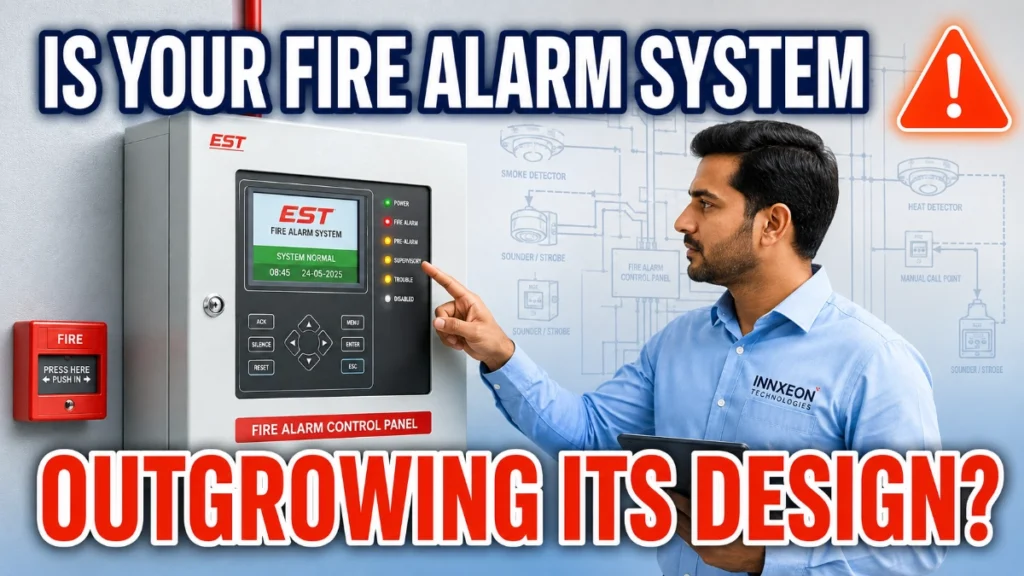
Every fire alarm system is designed around a specific building: a fixed number of detectors, modules, notification appliances, zones or loops, and interfaces. That design is correct on the day it’s commissioned. Years later, buildings rarely stay the same. Floors get added, open areas get partitioned, a warehouse becomes a production line, or new tenants […]
The Fire Alarm Handover Problem: Why Commissioning Is Not the End
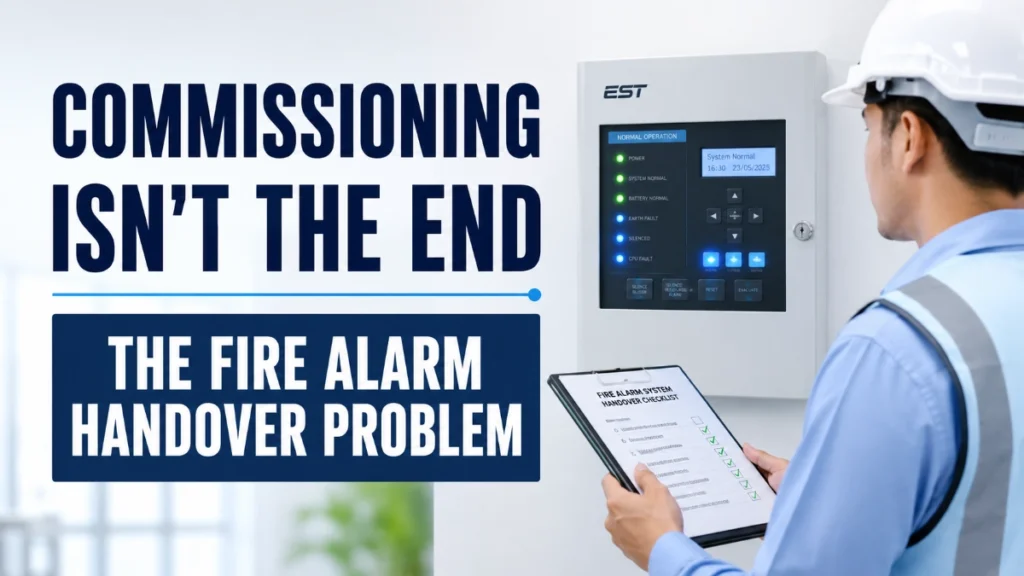
The panel has passed its tests. The cause-and-effect sequence has been verified point by point. The commissioning engineer has signed the report and packed up the laptop. So is the project finished? Not necessarily. A commissioned system proves something specific: the installed devices, loops, and programmed logic performed as expected under the conditions tested. It […]
Why Fire Alarm Faults Should Be Analysed as Patterns, Not Individual Events
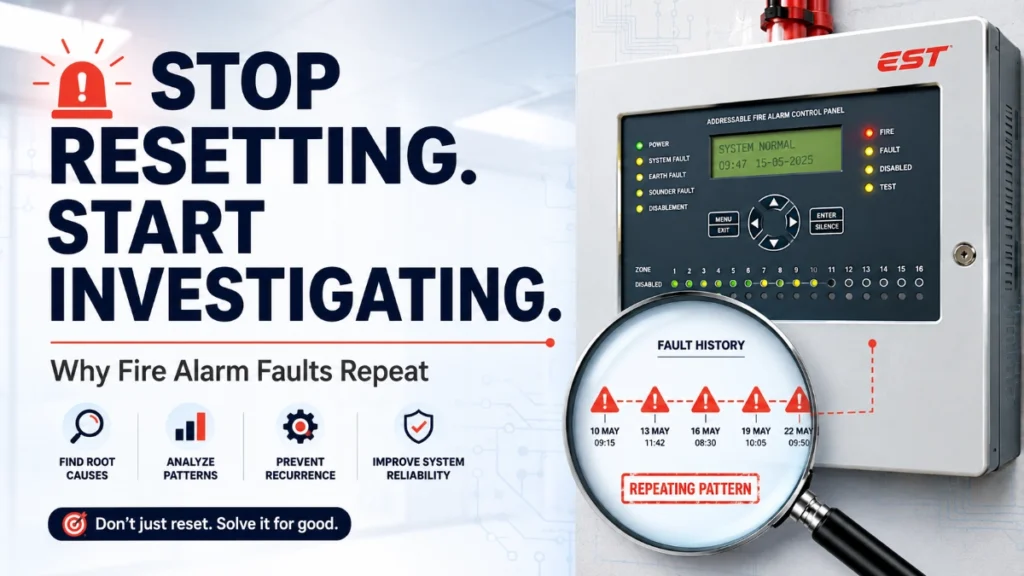
A detector faults on Monday. A technician resets the panel and the log shows normal. Two weeks later, the same fault reappears and gets reset again. Six weeks later, it happens once more during a site walkdown, when nobody has time to dig in. Viewed alone, each event looks minor. But three faults on the […]
The Hidden Engineering Behind a Multi-Building Fire Alarm Network
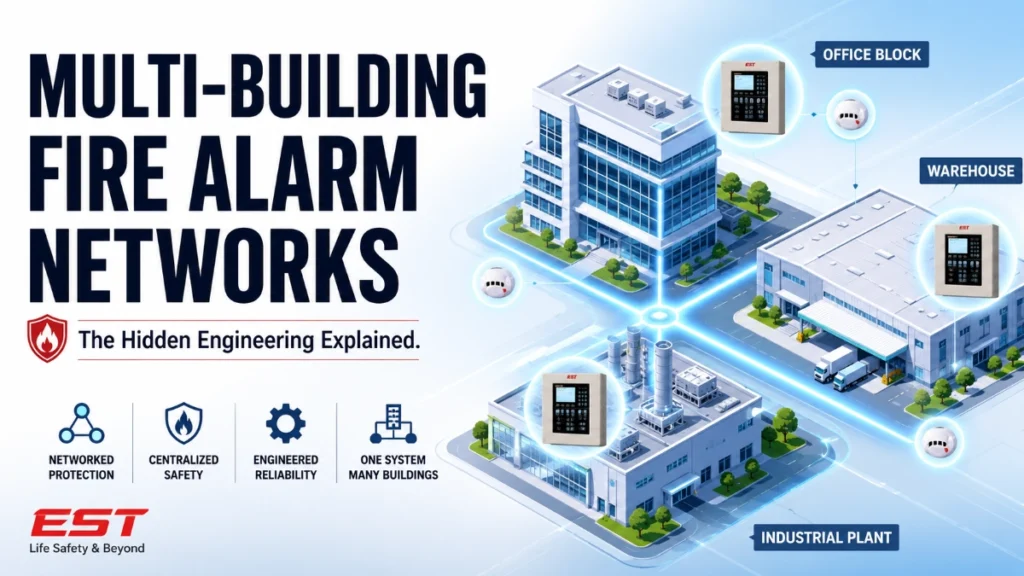
A single-building fire alarm system is forgiving. If a loop takes an unusual path or a panel sits in a less-than-ideal location, the consequences are usually minor. A multi-building fire alarm network does not offer that same margin. The moment two or more panels need to share alarm status, supervisory conditions, and cause-and-effect logic across […]
Why Every Large Fire Alarm System Needs a Lifecycle Strategy
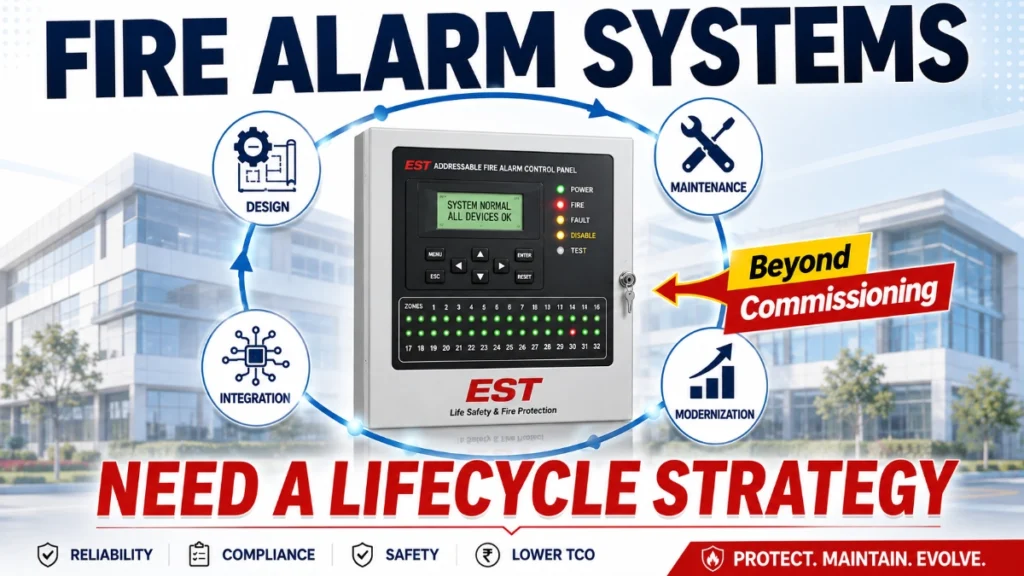
A fire alarm system can be fully operational today and still be poorly prepared for tomorrow. As buildings expand, devices age, technologies change, and support requirements evolve, the system that once met a project’s needs can gradually become harder to maintain. For large, networked, multi-panel installations, this gap between “working” and “well-managed” widens every year. […]
