
How Intelligent Modules Improve Fire Alarm Flexibility
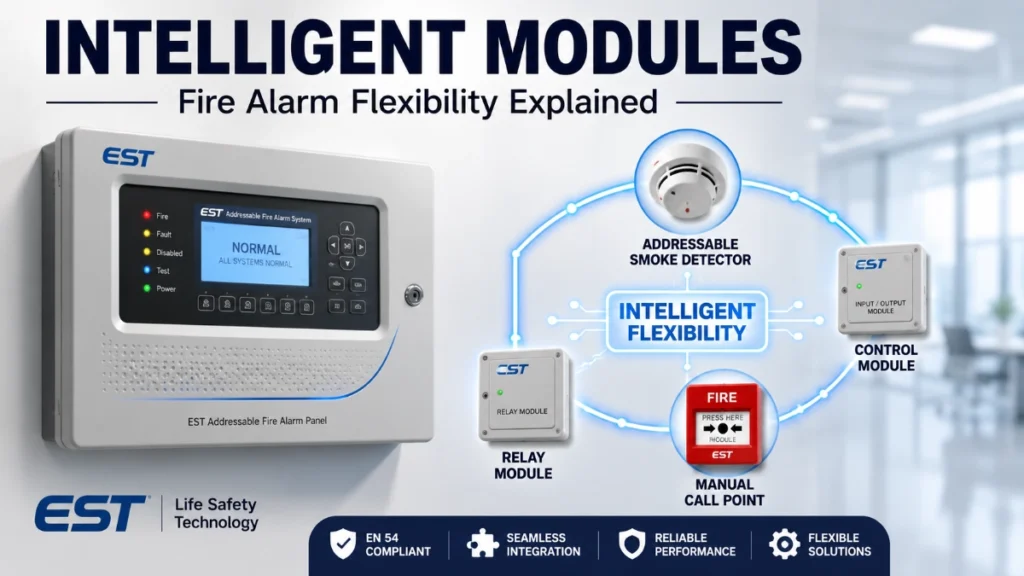
Modern buildings rarely remain unchanged throughout their lifecycle. New floors are added, departments move, production lines expand, and safety requirements evolve. Intelligent fire alarm modules provide the flexibility that allows an addressable fire alarm system to adapt to these changes without redesigning the entire infrastructure. Introduction Fire alarm systems are often specified for the building […]
How Fire Alarm Networks Improve Operational Visibility
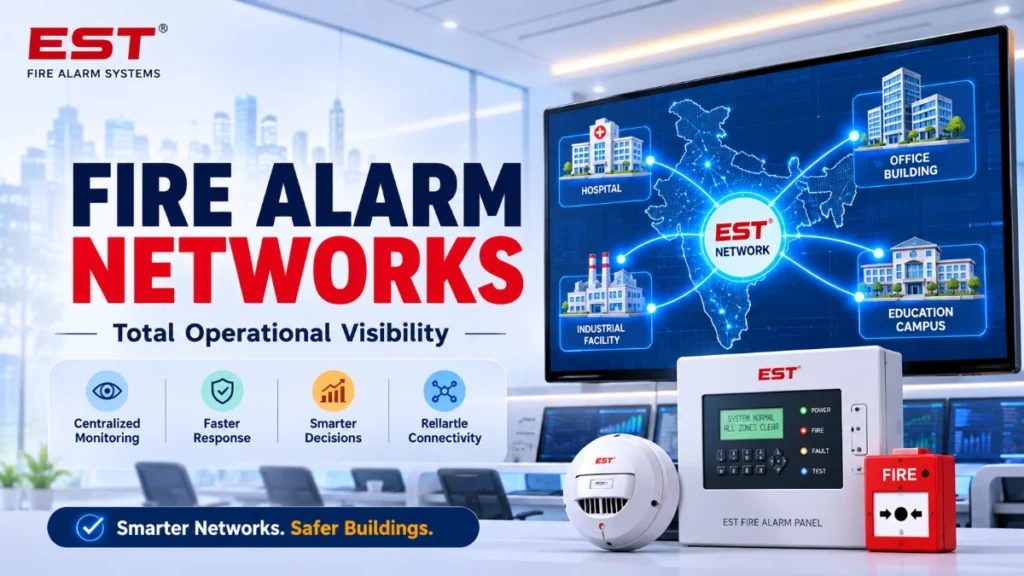
Managing fire safety across multiple buildings becomes increasingly difficult when every facility operates independently. Modern enterprises are moving toward networked fire alarm systems that provide centralised visibility, faster decision-making, simplified maintenance, and greater operational control, all while supporting long-term infrastructure growth. Introduction For decades, fire alarm control panels were treated as isolated, building-specific devices. Each […]
Fire Alarm Modernisation vs Digital Transformation: What’s the Difference?
Many organisations invest in new fire alarm panels believing they have completed a digital transformation project. In reality, replacing legacy life safety equipment is only one part of a much larger journey. Understanding the difference between fire alarm modernisation and digital transformation helps organisations make better long-term infrastructure decisions. Introduction Building owners, facility managers, and […]
Understanding Cause-and-Effect Programming in Enterprise Fire Alarm Systems
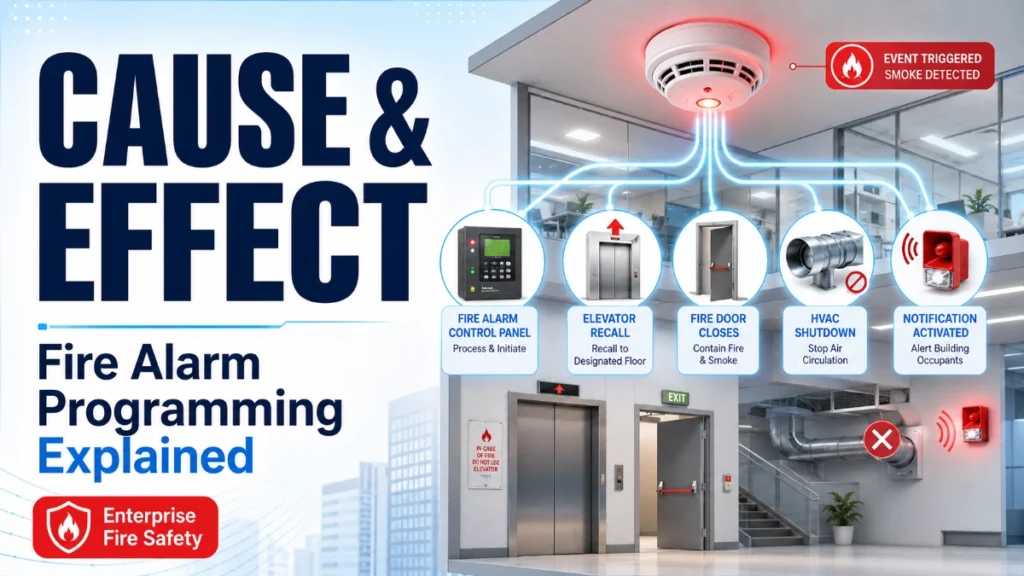
When a smoke detector activates inside a modern commercial building, far more happens than a simple alarm. Within seconds, doors may unlock, elevators return to the ground floor, HVAC systems shut down, smoke control fans activate, emergency messages begin playing, and responders receive precise location information. Behind this coordinated response is Cause-and-Effect programming, the intelligence […]
Why Large Organizations Standardize on One Fire Alarm Platform
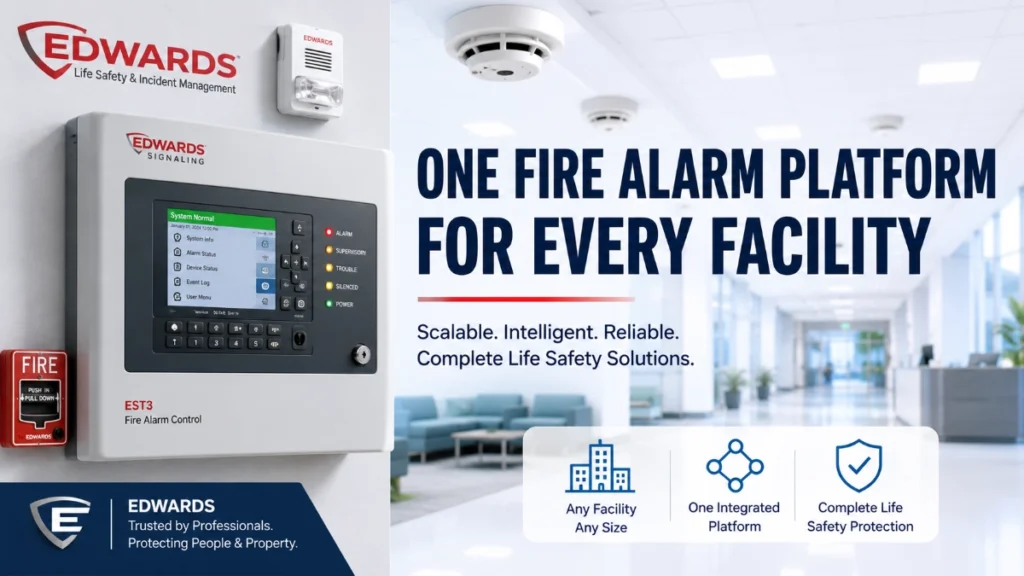
As organisations expand across multiple offices, factories, warehouses, hospitals, or campuses, managing different fire alarm systems from multiple manufacturers can create unnecessary complexity. Different control panels, different programming logic, different spare parts, and different service contracts turn a life safety function into a fragmented operational burden. Many enterprise organisations are now adopting a standardised fire […]
Choosing Between Expansion and Replacement in Fire Alarm Modernisation
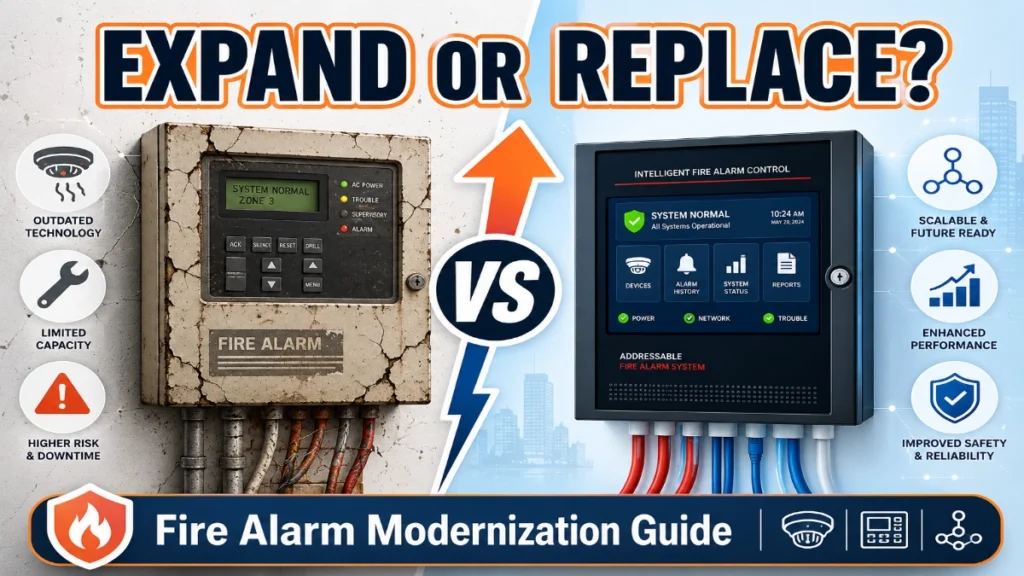
Many commercial and industrial facilities continue operating with fire alarm systems installed decades ago. While these systems may still function, growing buildings, changing occupancy patterns, evolving technologies, and long-term maintenance challenges often raise an important question: should the system be expanded or replaced entirely? The answer depends on far more than the age of the […]
Understanding Intelligent Device Communication in Edwards Systems
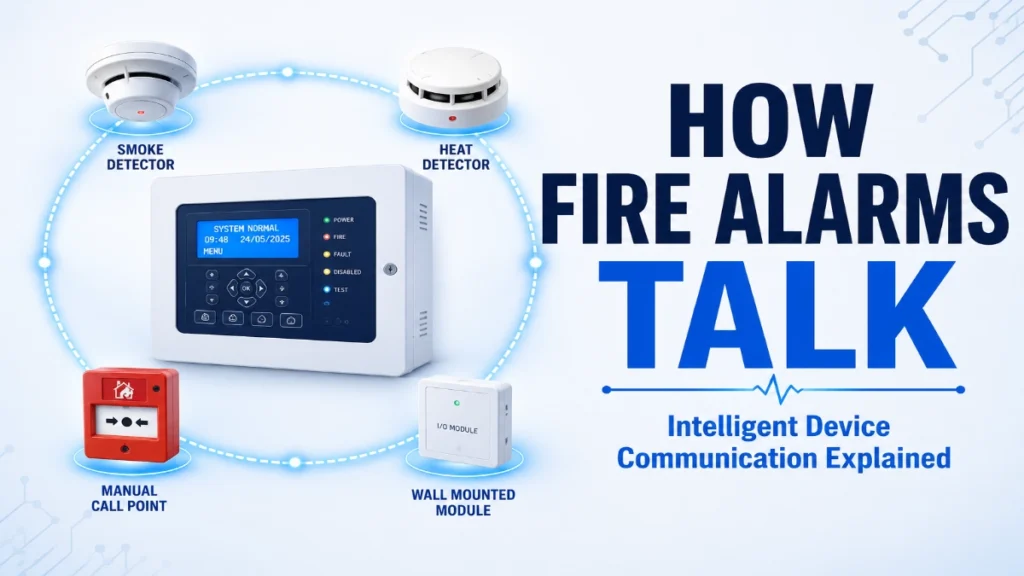
When a smoke detector activates, the fire alarm control panel doesn’t simply receive an alarm signal; it begins a continuous exchange of intelligent information. Modern fire alarm systems rely on advanced communication among detectors, modules, and control panels to detect events, monitor device health, and improve emergency response. Understanding this communication is essential for anyone […]
Edwards Fire Alarm Systems for Data Centres: Planning for Continuous Operations
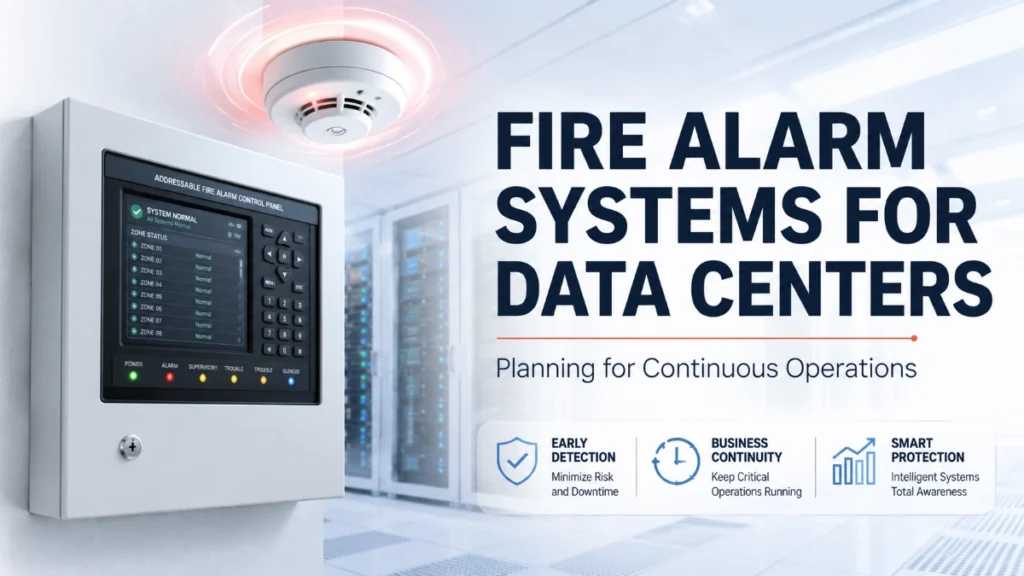
Modern data centres process millions of transactions every minute, making operational continuity one of their highest priorities. While redundancy is built into power, cooling, and networking, fire detection often becomes the first line of defence in protecting critical infrastructure from costly downtime. A single false alarm can trigger an unnecessary shutdown; a single missed detection […]
How Edwards Fire Alarm Systems Support Long-Term Infrastructure Planning
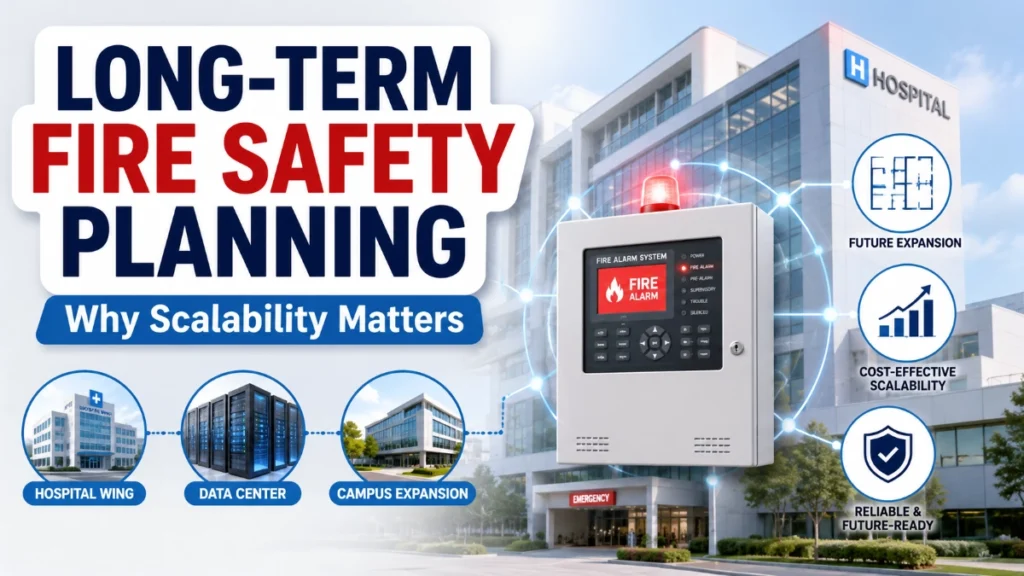
Modern buildings are expected to operate for decades, yet many fire alarm systems are still selected based only on today’s requirements. As facilities expand, technologies evolve, and operational demands increase, long-term infrastructure planning has become just as important as the initial system design. A system sized for current occupancy can quietly become the bottleneck that […]
How Edwards Fire Alarm Systems Support Long-Term Infrastructure Planning
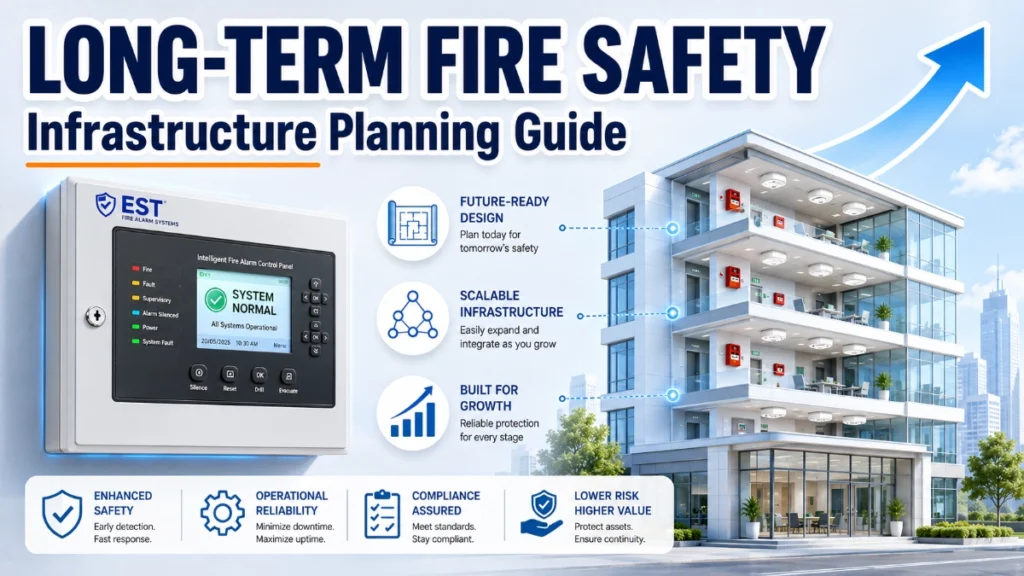
Modern buildings are expected to operate for decades, yet many fire alarm systems are still selected based only on today’s requirements. As facilities expand, technologies evolve, and operational demands increase, long-term infrastructure planning has become just as important as the initial system design. A hospital wing built today may double in size within ten years. […]
Why Edwards Fire Alarm Systems Are Trusted for Critical Infrastructure
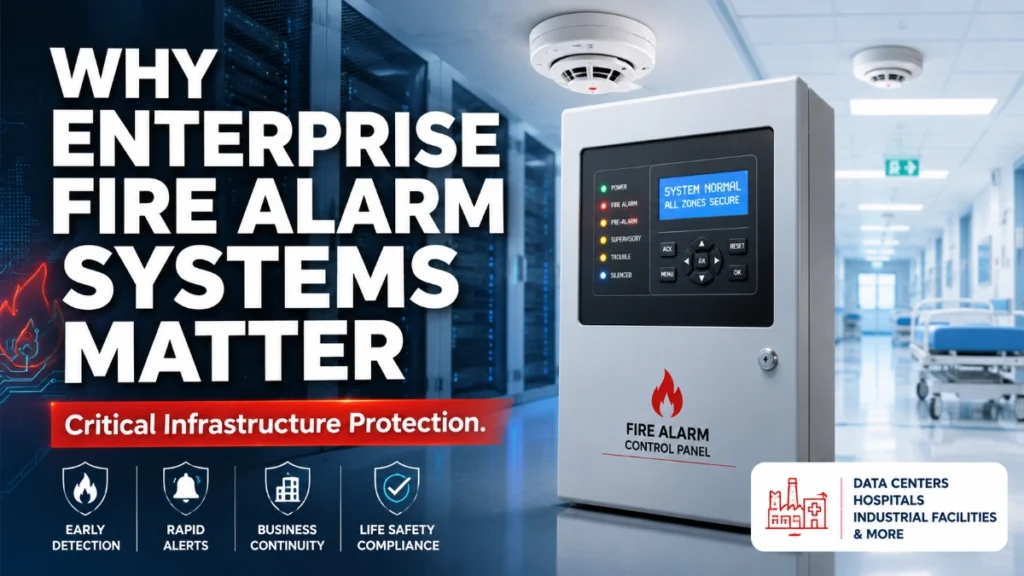
Airports, hospitals, data centres, manufacturing plants, and power stations all share one uncomfortable truth: a fire event rarely stays contained to the physical damage it causes. A single false alarm can halt a production line. A single undetected fault can take down a monitoring zone for hours. A single poorly designed system can turn a […]
Edwards Fire Alarm Systems for Educational Institutions: What to Know
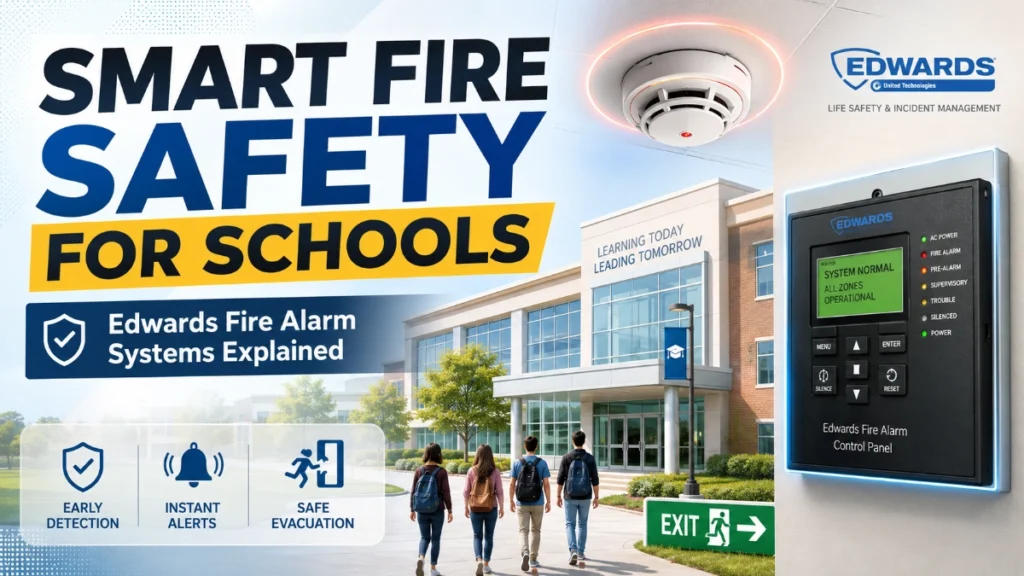
Modern educational campuses are evolving into large, multi-building environments with classrooms, laboratories, libraries, hostels, auditoriums, and sports complexes. Protecting thousands of students, faculty members, and visitors requires more than basic fire detection; it requires an intelligent life safety strategy that can see across an entire campus at once, not just inside a single building. Introduction […]
