Security expectations have changed dramatically over the past decade. Fixed analogue cameras recording to local DVRs are no longer sufficient for most commercial and industrial applications. Organisations now need systems that combine sharp video quality, intelligent analytics, remote access, and seamless integration with broader security infrastructure, all while remaining reliable enough to run continuously without failure.
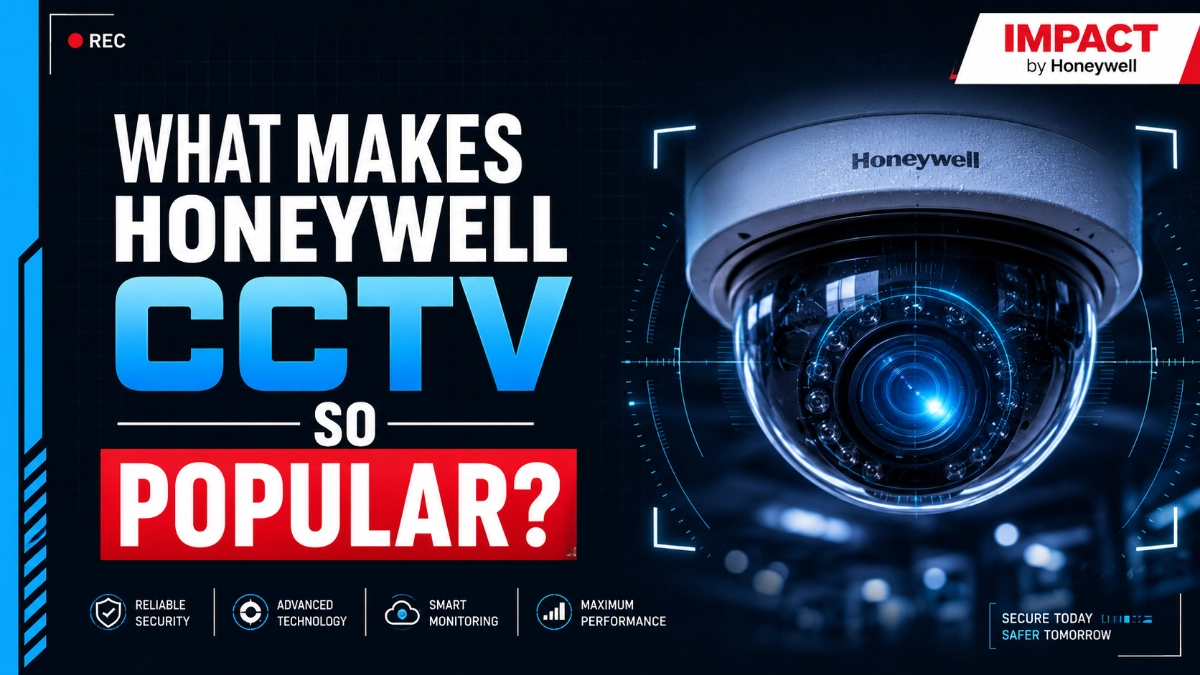
This shift has created a clear divide in the market. On one side sit budget generic cameras that offer attractive upfront pricing but limited long-term value. On the other sit enterprise-grade surveillance platforms from established brands, and among these, Impact by Honeywell CCTV has emerged as one of the most trusted names across multiple industry sectors.
This article examines why Impact by Honeywell CCTV has built such strong popularity among security consultants, system integrators, facility managers and large-scale end users. It covers the product range, key features, industry applications and what sets these systems apart in a competitive market.
What Is Impact by Honeywell CCTV?
Impact by Honeywell is Honeywell’s dedicated surveillance product line designed for commercial, industrial and institutional security deployments. It sits within Honeywell’s broader building technologies and security ecosystem, benefiting from the company’s decades of experience in industrial engineering, systems integration, and global infrastructure projects.
The product range covers IP cameras, HD-TVI cameras, NVRs, DVRs, video management software and supporting accessories. This breadth means security designers can build complete end-to-end surveillance systems using a single, unified product family rather than mixing brands and risking compatibility issues.
Typical Deployment Environments
Impact by Honeywell CCTV systems are commonly found in:
- Commercial office buildings and business parks.
- Manufacturing plants and process industries.
- Warehouses and large-scale logistics centres.
- Educational campuses from schools to universities.
- Hospitals, clinics, and healthcare facilities.
- Retail chains, supermarkets, and shopping centres.
- Residential gated communities and apartment complexes.
- Government buildings and public infrastructure.
Why Has Impact by Honeywell CCTV Become So Popular?
Several converging factors explain its strong adoption rate. Below is a detailed examination of each.
Strong Brand Trust Built Over Decades
Honeywell is not a newcomer to security. The company has operated in industrial controls, building automation, and security systems for well over a century. That heritage creates a level of confidence that generic brands simply cannot replicate. When a facility manager or security consultant specifies a Honeywell product, they are drawing on the credibility of a company that has engineered systems for airports, hospitals, government facilities, and critical infrastructure worldwide.
This trust matters especially in high-stakes environments where a camera failure during an incident can carry serious operational or legal consequences.
Reliable Video Performance
Unreliable footage is worse than no footage in many ways, as it creates legal uncertainty and undermines incident investigations. Impact by Honeywell cameras are engineered to consistent quality benchmarks, with clear imaging in varied lighting conditions, stable frame rates, and dependable recording continuity. Users in industrial environments particularly value cameras that perform reliably in dust-heavy, vibration-prone, or high-humidity conditions.
Cost-Effective Security Solution
While the upfront price point of Impact by Honeywell products sits above the cheapest generic alternatives, the total cost of ownership over three to five years consistently favours the Honeywell option. Reduced maintenance callouts, fewer camera replacements, lower software support costs, and better integration economics all contribute to a stronger return on investment.
Wide Product Portfolio
From compact fixed cameras for retail environments to ruggedised PTZ cameras for industrial perimeter monitoring, the Impact by Honeywell range covers an exceptional breadth of use cases. Security designers rarely need to source cameras from multiple brands to complete a specification. The portfolio handles edge cases, specialist environments, and standard deployments alike.
Ease of Installation
Experienced installers consistently note that Impact by Honeywell products are designed with the installer in mind. Logical cable management, clear mounting options, straightforward configuration interfaces, and reliable plug-and-play compatibility between cameras and recorders reduce installation time and associated labour costs.
User-Friendly Management Software
Surveillance systems are only as useful as the operators who use them. Impact by Honeywell’s video management software (VMS) is designed for practical day-to-day use, not just initial commissioning. Intuitive navigation, customisable dashboards, event-driven alerts, and logical playback controls mean security staff can operate the system effectively with minimal training.
Smart Analytics Features
Modern security operations demand more than passive recording. Impact by Honeywell cameras increasingly incorporate AI-driven analytics, including motion zone detection, line crossing alerts, object detection, crowd density analysis, and loitering detection. These tools allow organisations to move from reactive to proactive security operations.
Remote Monitoring Capabilities
Security teams today are rarely confined to a single control room. Impact by Honeywell systems supports mobile access via smartphone and tablet applications, enabling authorised personnel to view live and recorded footage from any location. This is particularly valuable for multi-site organisations and organisations with lean security staffing.
Scalability for Growing Projects
One of the most frequently cited reasons system integrators specify Impact by Honeywell is its scalability. A deployment can start with four cameras in a small office and grow to thousands of cameras across multiple buildings or sites without requiring a platform change. The architecture supports incremental expansion without the rip-and-replace cost that some competing platforms impose.
Network and IP-Based Flexibility
The shift from coaxial-cable analogue systems to IP-based surveillance networks has fundamentally changed how security systems are designed and managed. Impact by Honeywell’s IP camera range integrates naturally into existing enterprise IT infrastructure, supports Power over Ethernet (PoE) deployment, and works within standard network management frameworks.
Integration Possibilities
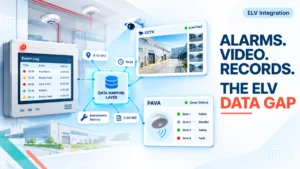
No surveillance system operates in isolation within a modern facility. Impact by Honeywell products integrate with leading access control systems, intruder detection platforms, building management systems (BMS), and third-party VMS platforms through standard API protocols. This interoperability is a significant advantage for large-scale deployments where unified security management is a priority.
Long-Term Reliability and Manufacturer Support
Impact by Honeywell cameras receive regular firmware updates that address emerging cybersecurity vulnerabilities, introduce new features, and improve performance. Honeywell’s certified installer and service partner network provides access to professional technical support, spare parts, and maintenance contracts that generic brands are simply unable to match.
Features That Drive Customer Adoption
Beyond the broad platform advantages, specific technical features consistently appear in buyer and integrator feedback as key purchase drivers.
High-Definition Imaging
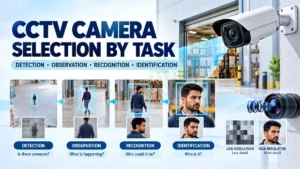
Full HD 1080p is the entry point for the Impact range, with 4K and multi-megapixel options available for environments requiring exceptional detail capture, such as facial recognition zones at access points or product quality inspection areas on factory floors.
Night Vision Performance
Infrared illumination built into Impact cameras provides reliable low-light and no-light video capture without requiring separate lighting infrastructure. This is critical for car parks, loading bays, perimeter fencing, and warehouse areas that operate through the night.
Wide Dynamic Range (WDR) Technology
WDR is one of the most practically important features in environments with mixed lighting, such as building entrances where cameras face bright outdoor light while monitoring darker interior zones. WDR technology balances exposure across the image frame, ensuring both bright and dark areas are clearly visible simultaneously. Without it, footage at entry points becomes unreliable precisely when it matters most.
Motion Detection and Event Triggers
Configurable motion detection zones allow surveillance systems to trigger recording, alerts, or integrations only when relevant activity occurs. This reduces storage consumption, focuses operator attention, and improves the signal-to-noise ratio of security events.
Video Analytics
Advanced AI-based analytics available across the Impact range include people counting, queue management, vehicle detection, and perimeter intrusion detection. These capabilities transform cameras from passive recorders into active operational tools, particularly relevant in retail, logistics, and industrial settings.
Mobile Access
Authorised users can access live streams, search recorded footage, manage alerts, and control PTZ cameras from smartphones and tablets. This capability is no longer a premium add-on; it is a standard operational expectation for modern security management.
Recording Flexibility and Storage Management
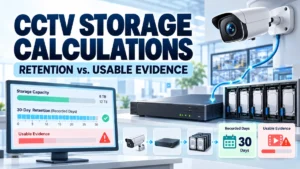
Impact by Honeywell NVRs and DVRs support multiple recording modes: continuous, motion-triggered, scheduled, and event-based, allowing organisations to optimise storage use without sacrificing coverage. Intelligent storage management features extend the useful life of installed storage without compromising evidence quality.
Centralised and Multi-Site Monitoring
The VMS platform supports centralised monitoring across multiple sites from a single interface. Security operations centres managing twenty properties can access all camera feeds, events, and recordings through one platform rather than juggling multiple separate systems.
Industries Where Impact by Honeywell CCTV Is Commonly Used
Manufacturing Plants
Manufacturing environments challenge surveillance systems with dust, vibration, extreme temperatures, and the need to monitor both people and processes simultaneously. Impact by Honeywell cameras rated to IP66 or IP67 standards withstand these conditions, while analytics features support production monitoring, safety compliance, and perimeter security. Incident investigation footage from manufacturing environments can also be critical for insurance and regulatory purposes.
Warehouses and Logistics Centres
Inventory shrinkage, vehicle movement, and access control are the primary security concerns in warehousing and logistics. Wide-angle cameras covering large open floor spaces, combined with loading dock cameras and vehicle recognition at entry points, create comprehensive coverage. Remote monitoring enables security management across multiple distribution centres from a central operations hub.
Commercial Buildings
Office buildings and business parks require a balance of coverage and aesthetics. Impact by Honeywell’s dome camera range provides discreet, effective coverage of lobbies, corridors, car parks, and perimeters. Integration with access control systems creates a unified security picture that supports both daily operations and incident investigation.
Retail Stores and Chains
Retail security relies on deterrence, loss prevention intelligence, and incident evidence. Analytics features such as people counting and dwell time analysis also provide valuable commercial intelligence beyond their security functions. Multi-site retail chains particularly benefit from centralised monitoring and standardised camera specifications across all locations.
Educational Institutions
Schools, colleges, and universities face complex security requirements involving safeguarding, campus access, car park management, and perimeter monitoring. Impact by Honeywell systems installed in educational environments are typically integrated with access control, with footage management subject to strict data governance policies. The platform’s scalability accommodates everything from primary schools to large university campuses.
Hospitals and Healthcare Facilities
Healthcare environments require high levels of situational awareness in patient areas, car parks, pharmacy storage zones, and access-controlled clinical areas. Camera reliability is critical; a healthcare facility cannot afford recording gaps during security incidents. Impact by Honeywell’s track record in these environments reflects its ability to meet the specific compliance and operational requirements of healthcare security.
Residential Communities
Gated communities, apartment complexes, and housing developments increasingly specify IP CCTV as a standard amenity. Impact by Honeywell systems provides reliable coverage of entrance gates, car parks, amenity areas, and building perimeters. Remote access capabilities allow residents’ management committees or contracted security providers to monitor sites efficiently.
Impact by Honeywell CCTV vs Generic CCTV Brands
The following table summarises the key differences between Impact by Honeywell CCTV and typical generic alternatives available in the market:
| Factor | Impact by Honeywell | Generic Brand A | Generic Brand B | Generic Brand C | Winner |
| Reliability | Enterprise-grade, proven | Variable, inconsistent | Moderate | Low–Moderate | Honeywell |
| Brand Support | Global, 24/7 certified | Limited to local only | Email only | Minimal | Honeywell |
| Scalability | 2 to 10,000+ cameras | Small projects only | Medium scale | Small scale | Honeywell |
| Video Quality | HD to 4K, WDR, IR | 720p–1080p basic | 1080p standard | 720p entry | Honeywell |
| Analytics | AI-powered, real-time | Basic motion only | Limited | None | Honeywell |
| Integration | VMS, access, BMS ready | Proprietary lock-in | Limited APIs | None | Honeywell |
| TCO (5-Year) | Strong ROI, low maint. | Low upfront, high maint. | Moderate | High failure rate | Honeywell |
| Long-Term Perf. | Firmware updates, vetted | Discontinues quickly | Inconsistent | Short lifespan | Honeywell |
Note: Generic brand comparisons are representative of typical market-entry CCTV products and not specific named manufacturers.
What Security Consultants and Integrators Often Look For
When specifying a surveillance platform for a client, experienced security consultants and system integrators evaluate criteria that go well beyond headline camera specifications.
Ease of Deployment
Systems that are logically designed, well-documented, and supported by straightforward commissioning tools reduce installation time and the risk of configuration errors. Impact by Honeywell’s consistent design language across product lines, combined with installer training programmes, makes it a reliable choice for integrators managing multiple projects simultaneously.
Future Expansion Capability
Security needs evolve. A system that cannot accommodate additional cameras, upgraded storage, or new analytics without major infrastructure changes becomes a costly constraint. Integrators favour platforms with open architecture and a clear product development roadmap.
Maintenance Considerations
Long-term maintenance costs are frequently underestimated at the project specification stage. Cameras that require frequent replacement, software platforms that lack ongoing support, and systems that use proprietary connectors all add hidden costs over time. Honeywell’s service network and product longevity commitment address this directly.
Interoperability
Modern security systems rarely operate in isolation. CCTV must often communicate with access control systems, intruder alarms, fire detection, and building management platforms. Impact by Honeywell’s support for industry-standard protocols, including ONVIF and RTSP, ensures broad compatibility.
Network Performance
IP cameras generate significant network traffic. Poorly optimised systems can saturate enterprise networks, creating conflicts with business-critical applications. Impact by Honeywell cameras support adaptive bitrate management and H.265 compression to minimise bandwidth consumption without sacrificing image quality.
Common Buyer Questions
The following answers address the most frequently asked questions from buyers evaluating Impact by Honeywell CCTV:
| Question | Answer |
| Is it suitable for industrial facilities? | Yes. IP66/IP67-rated cameras, wide operating temperature ranges, and IK10 vandal resistance make Impact by Honeywell well-suited to demanding industrial environments. |
| Can it support multi-location monitoring? | Yes. The VMS platform supports centralised management of multiple sites from a single interface, with role-based access for remote users. |
| How scalable is the system? | From small 4-camera installations to enterprise deployments of thousands of cameras across multiple sites, the platform scales without requiring platform replacement. |
| Is it suitable for small businesses? | Yes. Entry-level kits are available that offer the same reliable platform at a scale appropriate for smaller premises. |
| What makes it different from standard CCTV? | AI analytics, WDR imaging, remote access, deep integration capabilities, and enterprise-grade reliability distinguish it from commodity CCTV products. |
The Future of Smart Surveillance: Where Does Impact by Honeywell Fit?
The surveillance industry is in the middle of a significant technology transition driven by artificial intelligence, cloud computing, edge processing, and increased cybersecurity requirements.
AI-Powered Analytics
The next generation of surveillance analytics moves beyond simple motion detection toward deep-learning models capable of behaviour analysis, object classification, and predictive threat identification. Impact by Honeywell’s analytics roadmap aligns with this direction, with camera-embedded edge processing reducing dependence on centralised server computing.
Cloud-Based Surveillance
Cloud video storage and management reduces on-premises infrastructure requirements while improving disaster recovery resilience. Honeywell’s cloud-ready architecture positions Impact systems for hybrid deployments combining local recording with cloud backup and remote management.
Edge Processing
Processing video at the camera rather than at a centralised server reduces bandwidth consumption, accelerates event detection, and improves system responsiveness. Camera-embedded edge analytics are increasingly standard across the Impact range, reflecting industry direction.
Cybersecurity Improvements
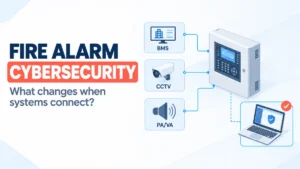
IP-connected cameras represent potential network entry points if not properly secured. Impact by Honeywell cameras incorporates secure boot processes, encrypted communications, regular firmware security patches, and compliance with major cybersecurity frameworks. This is an increasingly non-negotiable requirement for enterprise and government deployments.
Smart City Integration
Urban surveillance deployments are expanding in scope and intelligence, connecting traffic management, public safety, environmental monitoring, and emergency response systems. Honeywell’s broader Smart Building and Smart City ecosystem positions Impact CCTV as a component within a larger intelligent infrastructure platform.
Conclusion: A Practical Assessment
Impact by Honeywell CCTV has earned its market position through a combination of factors that are genuinely difficult for competitors to replicate simultaneously: the credibility of the Honeywell brand, a comprehensive product portfolio, engineering standards developed for demanding industrial environments, intelligent analytics capabilities, and a global service and support infrastructure.
For organisations evaluating surveillance platforms, the key considerations remain consistent: total cost of ownership over a five-year horizon, scalability to accommodate operational growth, integration compatibility with existing security and building systems, and the long-term availability of support and firmware updates.
Impact by Honeywell performs strongly across all these dimensions. That is the core reason behind its sustained popularity in a competitive market.
For buyers approaching a deployment decision, the practical advice is straightforward: engage a certified Impact by Honeywell system integrator, define operational requirements rather than camera specifications, and evaluate platforms based on their long-term performance profile rather than upfront price alone. The difference in outcome between an enterprise-grade system and a generic alternative is rarely visible on installation day; it becomes evident over the operational lifetime of the investment.
Read Also: How Impact by Honeywell Became a Trusted CCTV Brand
Read Also: Why Industries Are Switching to Impact by Honeywell CCTV?