Industrial fire safety is not a checkbox. It’s an engineering responsibility.
When we design an industrial facility, whether it’s a manufacturing plant, warehouse, pharmaceutical unit or power infrastructure, we are not just installing equipment. We are building a risk mitigation ecosystem. And one of the most critical components of that ecosystem is the fire alarm system.
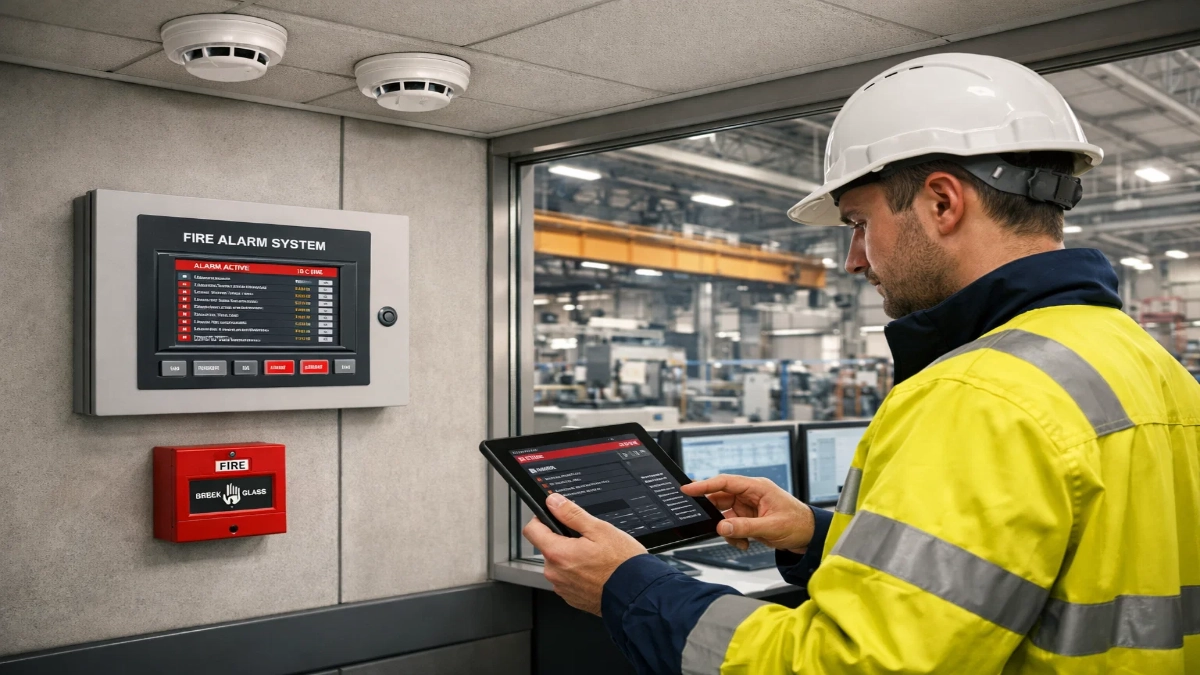
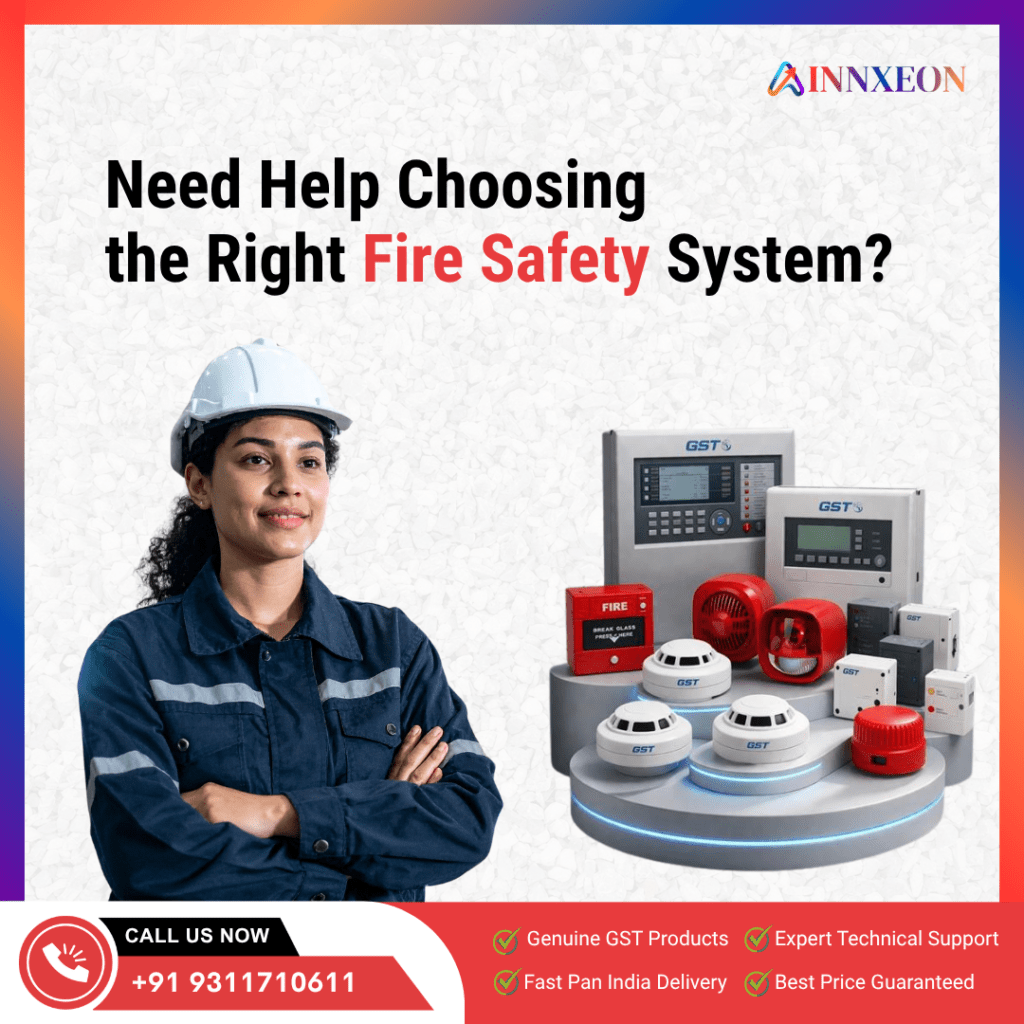
Today, we’ll walk through why GST fire alarm systems have become a preferred choice for industrial projects. We’ll break this down technically, practically and strategically, so you can make informed project decisions.
Understanding Industrial Fire Alarm Systems
An industrial fire alarm system is a network of detectors, control panels, notification devices and communication modules designed to detect fire hazards early and trigger alerts for evacuation and suppression. Unlike residential systems, industrial systems are engineered for scalability, environmental resilience and regulatory compliance.
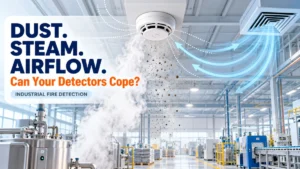
In industrial environments, detection must work reliably despite dust, vibration, temperature variations, electrical noise and high ceilings. This is where system design and technology matter deeply.
When we choose a GST fire alarm system, we are choosing a platform built specifically for demanding commercial and industrial conditions.
Core Concept: Why System Choice Impacts Safety Outcomes
Fire alarm systems do more than detect smoke. They coordinate the response.
In industrial settings, systems must:
- Identify the exact location of the fire
- Interface with suppression systems
- Communicate with BMS and SCADA
- Trigger emergency protocols
- Minimise false alarms
A poorly selected system increases downtime, regulatory risks and operational losses. A properly engineered system reduces risk exposure and improves compliance confidence.
Now, let’s break down the top 10 reasons engineers increasingly select GST for industrial projects.
1. Advanced Addressable Technology for Large-Scale Projects
Addressable systems allow each detector and device to have a unique digital identity, enabling precise fire location detection, faster troubleshooting and intelligent monitoring. This significantly improves response time and maintenance efficiency in industrial environments.
Why Addressable Architecture Matters
In large plants, knowing that “Zone 3” has smoke is not enough. We need to know which exact detector triggered the alarm.
With an addressable fire alarm panel, every device communicates individually with the control unit. This means:
- Pinpoint fire origin within seconds
- Faster emergency response
- Reduced confusion during evacuation
Engineering Advantage
Addressable systems reduce cable complexity and enable loop-based architecture. This simplifies expansion and reduces installation time in large industrial campuses.
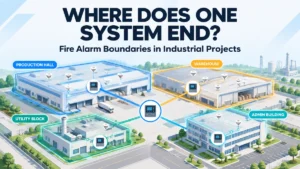
GST’s addressable platforms are designed for multi-building and high-device-count environments, making them ideal for manufacturing zones and logistics hubs.
Key Benefits Summary:
- Exact device-level identification
- Simplified fault diagnostics
- Ideal for complex layouts
2. Reliable Conventional Systems for Targeted Applications
Conventional systems divide a facility into zones rather than individual device identification. They are cost-effective, simple to install and suitable for small or segmented industrial spaces.
Not every project requires full addressable architecture.
When to Use Conventional Systems
A conventional fire alarm panel is suitable for:
- Small warehouses
- Utility rooms
- Temporary industrial setups
- Budget-sensitive projects
Detector Compatibility
GST supports robust conventional detectors engineered for stable performance under industrial conditions.
This flexibility allows consultants to choose the right system per building type without compromising quality.
Decision Insight:
Choose addressable for scalability and precision.
Choose conventional for controlled, small-scale deployments.
3. Industrial-Grade Detector Technology
Industrial detectors must resist dust, humidity, vibration and temperature variation while maintaining sensitivity. GST detectors are engineered with adaptive algorithms to minimise false alarms while maintaining reliable detection.
Smart Detection Algorithms
GST’s addressable detectors incorporate:
- Multi-sensor fusion
- Drift compensation
- False alarm filtering
This is essential in environments like cement plants or textile units where airborne particles are common.
Stability in Harsh Environments
Industrial operations generate noise, both electrical and environmental. Detector shielding and advanced signal processing ensure stable communication with the panel.
Practical Impact:
- Reduced nuisance alarms
- Lower maintenance visits
- Higher operational continuity
4. Compliance with International Standards
Industrial projects require fire systems that meet recognised standards for safety, performance and reliability. GST systems are built to align with international fire safety codes and certifications, ensuring smoother approvals and inspections.
Compliance reduces project friction.
When we specify compliant systems early, we avoid redesigns, penalties and delays.
Why Compliance Matters in Industrial Projects
- Faster authority approvals
- Reduced insurance disputes
- Better audit outcomes
For consultants and EPC contractors, this reduces risk exposure significantly.
5. Scalability for Future Expansion
Scalable fire alarm systems allow future device additions, loop extensions and network integration without replacing the core infrastructure.
Industrial facilities grow.
Production lines expand. Warehouses extend. New buildings come up.
GST addressable systems allow:
- Additional loops
- Networked panels
- Central monitoring integration
This future-readiness protects capital investment.
Engineering Best Practice:
Design today with 30% capacity headroom for tomorrow.
6. Integration with Building Management & Safety Systems
Modern fire alarm systems must integrate with BMS, access control, PA systems and suppression systems to enable coordinated emergency response.
A fire alarm cannot operate in isolation.
GST systems support integration with:
- HVAC shutdown systems
- Gas suppression panels
- Emergency voice evacuation
- BMS dashboards
In industrial settings, this integration can prevent escalation from small ignition to full-scale disaster.
7. Faster Installation and Commissioning
Optimised panel design, loop configuration and device auto-addressing reduce installation time and commissioning complexity.
Time is money in industrial projects.
Addressable architecture reduces wiring complexity compared to traditional radial zoning.
Commissioning Benefits
- Auto device mapping
- Fault isolation tools
- Clear event logs
This reduces dependency on extensive troubleshooting during handover.
8. Reduced Maintenance Costs Over Time
Advanced diagnostics and device-level monitoring reduce maintenance labour and service downtime.
Maintenance teams benefit from:
- Fault pinpointing
- Device history logs
- Remote diagnostics
Instead of inspecting entire zones, engineers can isolate specific devices.
Over a 5–10-year lifecycle, this translates into measurable cost savings.
9. Strong Distribution & Technical Support Ecosystem
A fire alarm system is only as good as its support network.
When sourced through experienced distributors like Innxeon, projects gain:
- Technical consultation
- Pre-sales design assistance
- After-sales service coordination
- Training support
This ensures the GST fire alarm system is not just delivered, but properly engineered and maintained.
10. Proven Performance in Industrial Environments
Industrial-grade fire systems must demonstrate long-term reliability in real operational conditions. GST systems have a track record across manufacturing, logistics, commercial complexes and infrastructure projects.
Reliability builds confidence.
Engineers prefer platforms that:
- Have documented case deployments
- Show stable long-term performance
- Offer spare part continuity
Consistency reduces lifecycle risk.
Real-World Application: Choosing the Right System
Let’s walk through a scenario.
Imagine we are designing a 250,000 sq. ft. manufacturing facility.
We would typically:
- Conduct a fire load assessment
- Determine zoning strategy
- Choose between addressable vs conventional architecture
- Select detector types per environment
- Plan integration points
- Ensure compliance documentation
For high-bay warehouses → addressable detection is ideal.
For small electrical rooms → conventional may suffice.
Balanced engineering decisions create cost-efficient yet robust safety infrastructure.
Engineering Best Practices for Selecting Fire Alarm Systems
- Perform a detailed risk assessment
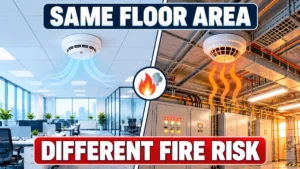
- Match detector type to the environment
- Plan for expansion
- Ensure integration compatibility
- Choose experienced distribution partners
Safety decisions should be engineering-driven, not price-driven alone.
Making the Right Engineering Decision
Choosing a fire alarm system is not about selecting a brand.
It’s about evaluating:
- Facility scale
- Risk complexity
- Future expansion
- Integration needs
- Compliance requirements
GST systems provide flexibility, supporting both addressable fire alarm panel and conventional fire alarm panel architectures, along with durable addressable detectors and conventional detectors suited for industrial environments.
When distributed and technically supported through experienced partners like Innxeon, the solution becomes more than hardware; it becomes a structured fire safety strategy.
If we design fire safety thoughtfully today, we prevent operational disasters tomorrow.
And that is the real value of choosing the right system.
Read Also: How Security Cameras Support Fire Evacuation Management
Read Also: 7 Signs You Need to Upgrade Your Existing Fire Detection System