
Why Detector Selection and Detector Accessibility Should Be Evaluated Together

A detector is installed in a high-level industrial area. It is technically appropriate for the environment, sized correctly for the space, and provides the intended coverage at handover. Commissioning passes without issue. Months later, a routine test is due. The technician arrives and discovers that reaching the detector requires a scissor lift, a permit to […]
What Event Sequences Can Reveal About Hidden Fire Alarm System Problems
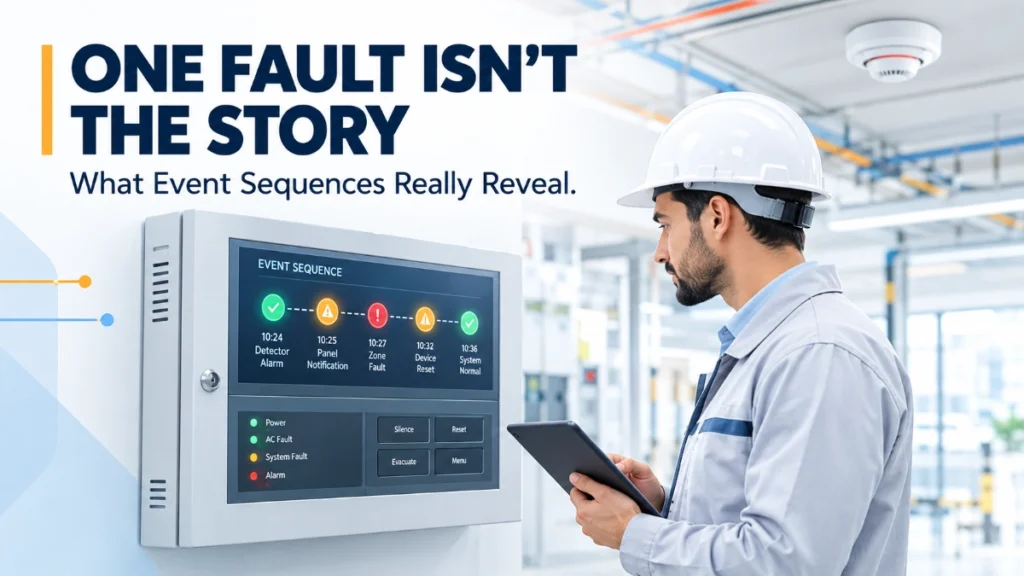
A fire alarm panel reports a device fault. A technician inspects the device and finds nothing wrong. The fault is reset. Several hours later, another event appears in the same area. Later still, a communication-related event shows up on the same loop. Treated individually, each of these looks like a minor, unrelated nuisance. Reviewed as […]
How to Prevent Single Points of Failure in a Networked Fire Alarm System
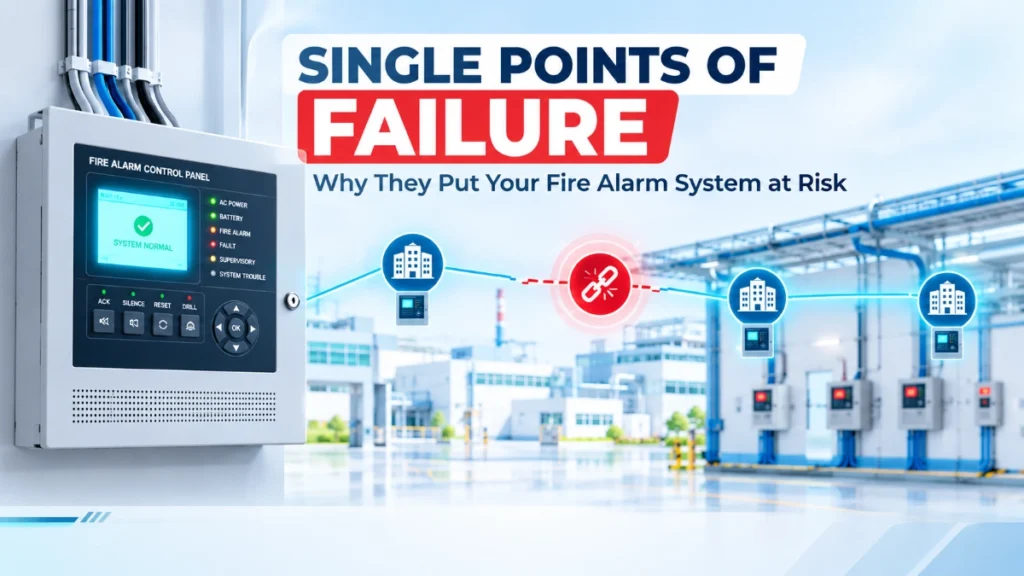
A large industrial campus has fire alarm panels distributed across production buildings, warehouses, utilities, and administration blocks. On paper, the system looks resilient: multiple panels, multiple zones, a shared monitoring interface tying it all together. Then a single communication card fails, and three buildings lose visibility at the central station simultaneously. Nothing was technically wrong […]
When Does an Industrial Project Need a Networked EST Fire Alarm System?
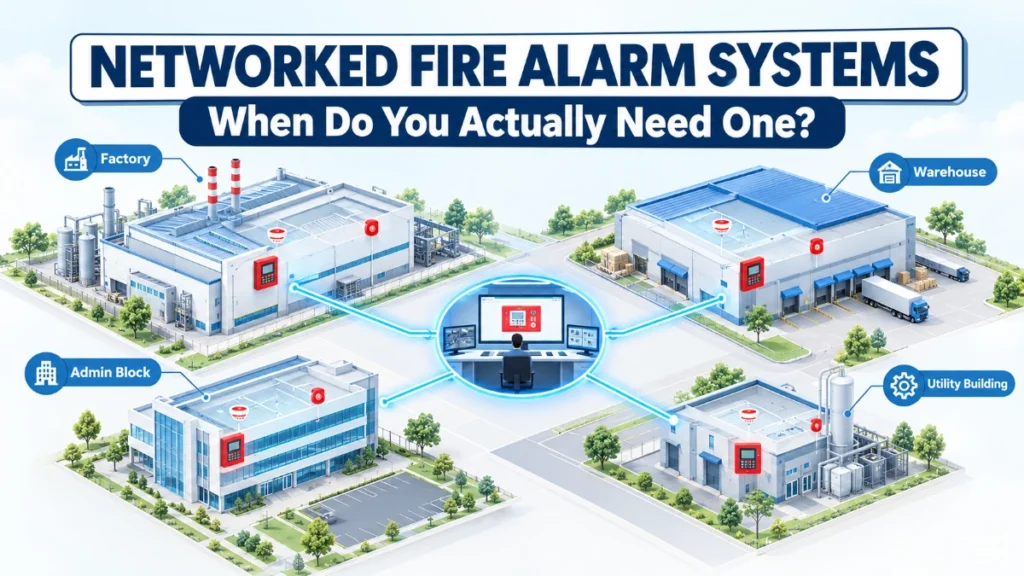
A manufacturing campus often starts small. One production building, one fire alarm control panel, one detection zone map that fits on a single sheet. Years later, the same site has grown into something else entirely: a second production block, a warehouse, a utility building, an administration wing, and several new process areas. Each addition arrived […]
How to Evaluate Edwards Fire Alarm Products for a Large Industrial Project
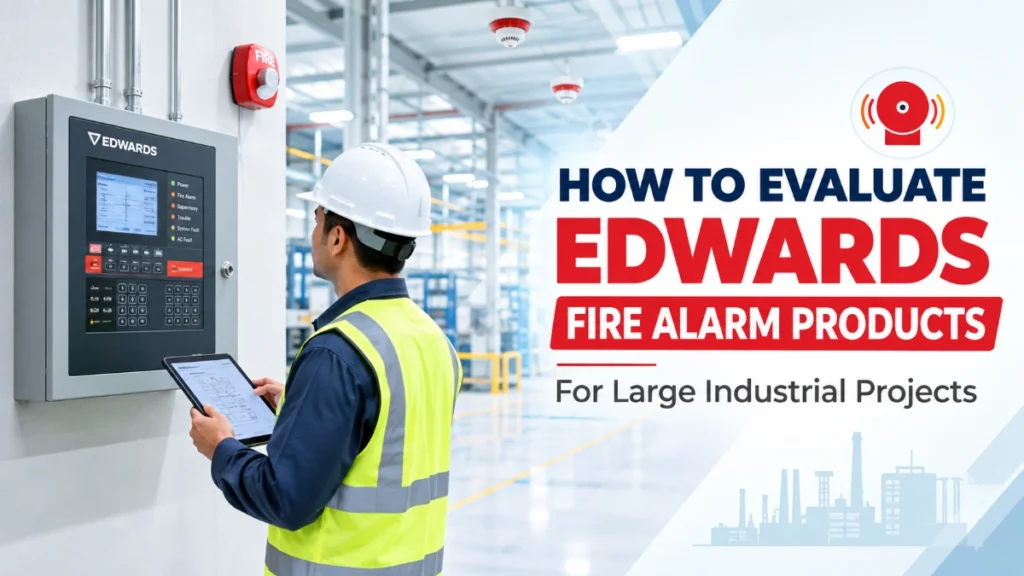
A large manufacturing facility, a warehouse campus, a process plant, or a multi-building industrial site is preparing its fire alarm bill of quantities. The project team is comparing panels, detectors, modules, notification appliances, networking components, and integration interfaces across multiple vendors. The default approach is often to select individual products based on datasheet specifications and […]
Why “No Fault Found” Does Not Mean the Fire Alarm System Is Healthy
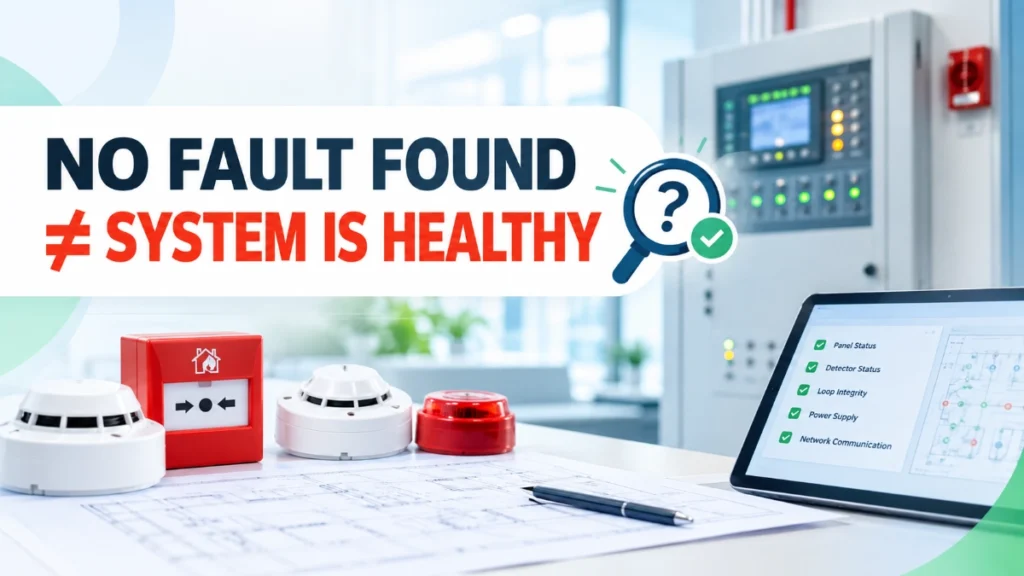
A facility reports a fire alarm fault. An engineer attends, checks the panel and the field device, reviews the available information, and finds no active fault. The system looks normal, so the ticket is closed. Several days later, the same issue appears again. Was the system healthy, or was the investigation simply unable to reproduce […]
Difference Between Fire Alarm Capacity and Real-World System Scalability
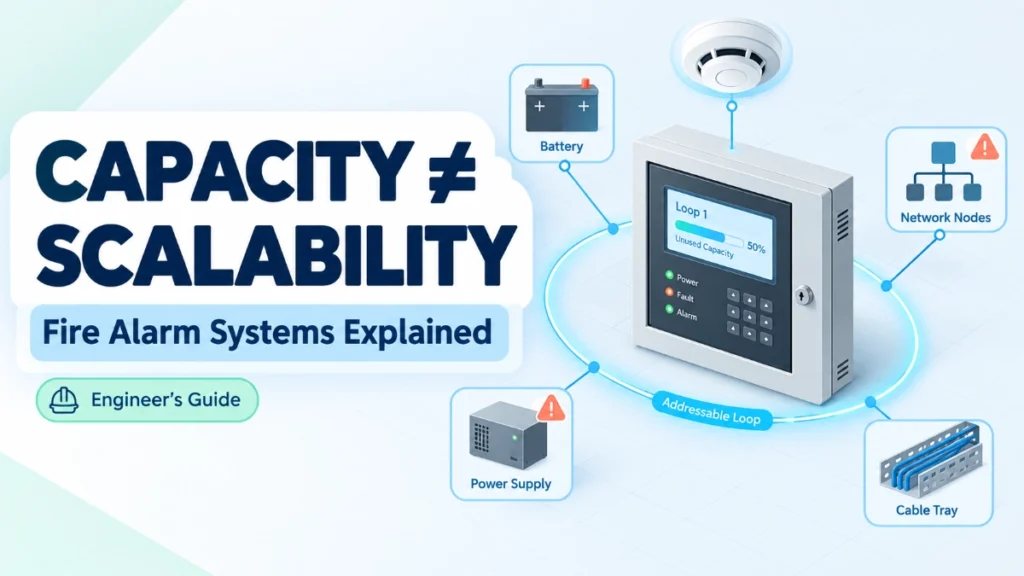
An industrial facility commissions an addressable fire alarm panel with substantial unused device capacity. Two years later, it adds a production area, a warehouse extension, new interfaces, additional detection zones, and a separate building. On paper, the panel still has room. In practice, the team is now dealing with loop loading, power requirements, network architecture, […]
Why ELV Integration Fails When Cause-and-Effect Is Designed Too Late
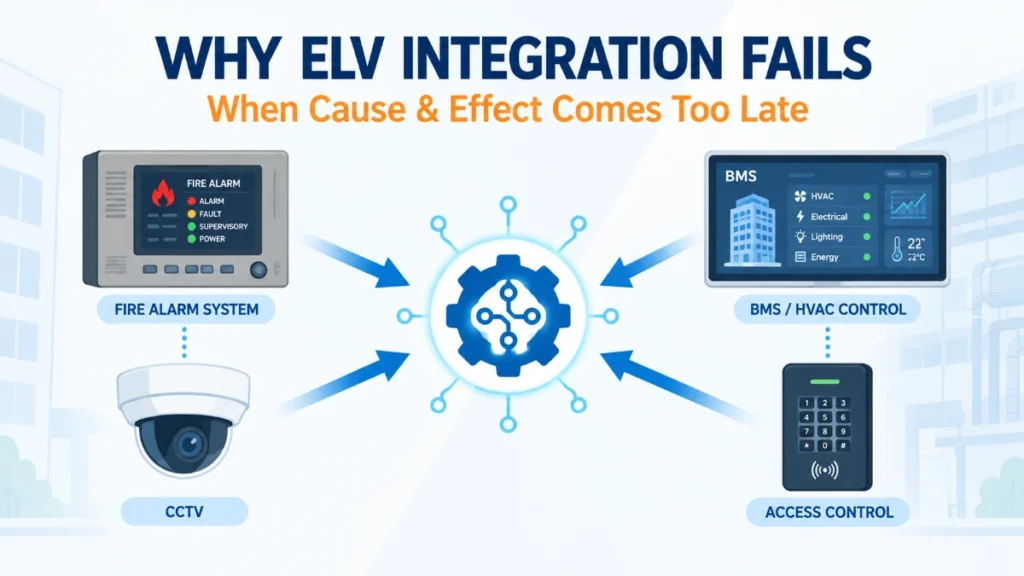
A commercial or industrial project typically has separate teams designing the fire alarm, access control, CCTV, BMS, HVAC, lift, and PA/VA systems. Each team works to its own scope, its own drawings, and its own commissioning schedule. Individually, every system performs as specified. Then, close to commissioning, someone finally asks the question that should have […]
Fire Alarm System Replacement Planning: What Should Be Reviewed Before Obsolescence?
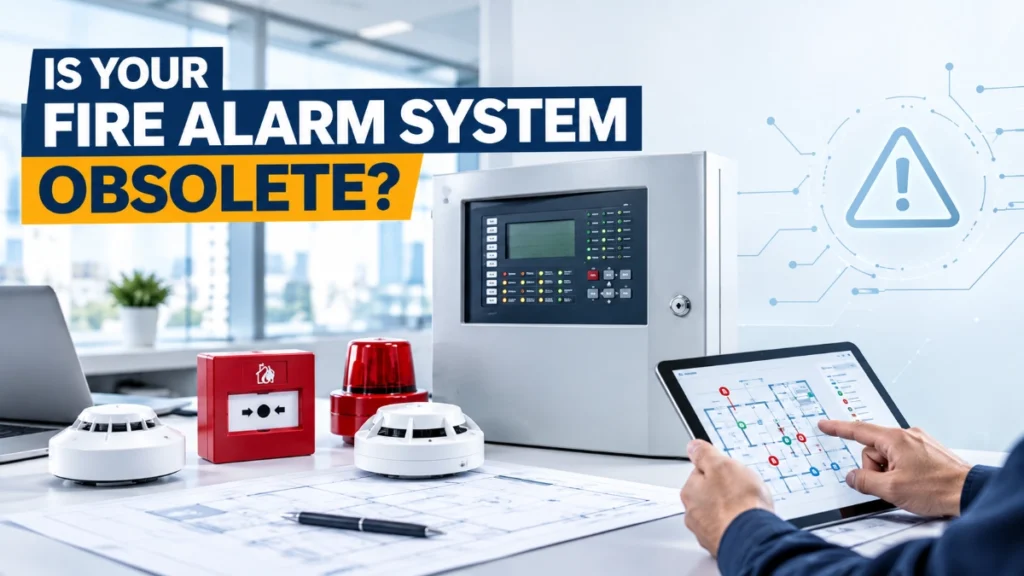
A facility has run the same fire alarm platform for over a decade. It still passes periodic tests, but replacement components are harder to source, documentation is incomplete, building areas have been reconfigured, and the maintenance team increasingly depends on a shrinking pool of engineers who know the platform well. None of this means the […]
The Difference Between a Recurring Fault and a Random Fault
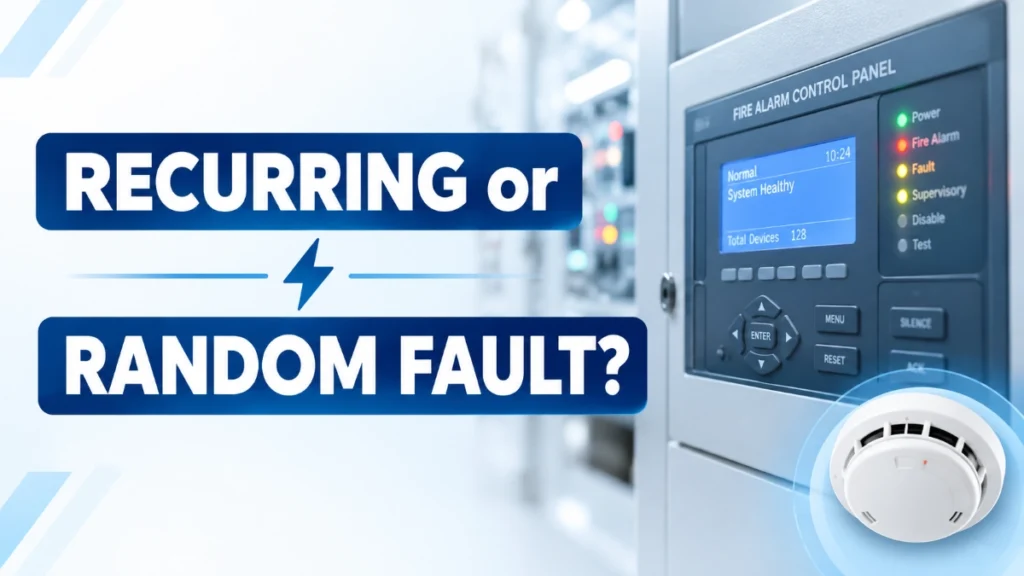
A technician replaces a detector after it reports repeated trouble conditions. The panel goes quiet for several days. Then, without warning, the same fault reappears. A colleague shrugs and calls it “random.” But is it actually random, or is the system quietly repeating a pattern no one has connected yet? Every fire alarm engineer eventually […]
How to Identify Single Points of Failure in a Fire Alarm Network
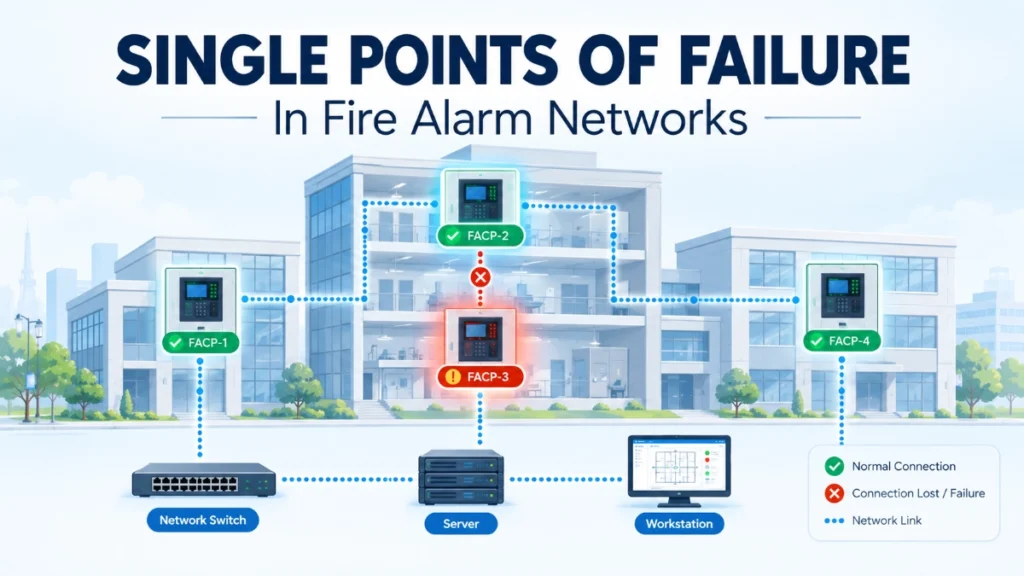
A commercial campus runs three buildings on a networked fire alarm system. Every panel shows normal. Every loop reports clean. Then a network switch in the main equipment room loses power, and the facility manager discovers two buildings have quietly dropped off central monitoring no obvious alarm, just a gap in visibility nobody notices until […]
How to Choose an EST Fire Alarm System for a New Commercial Project
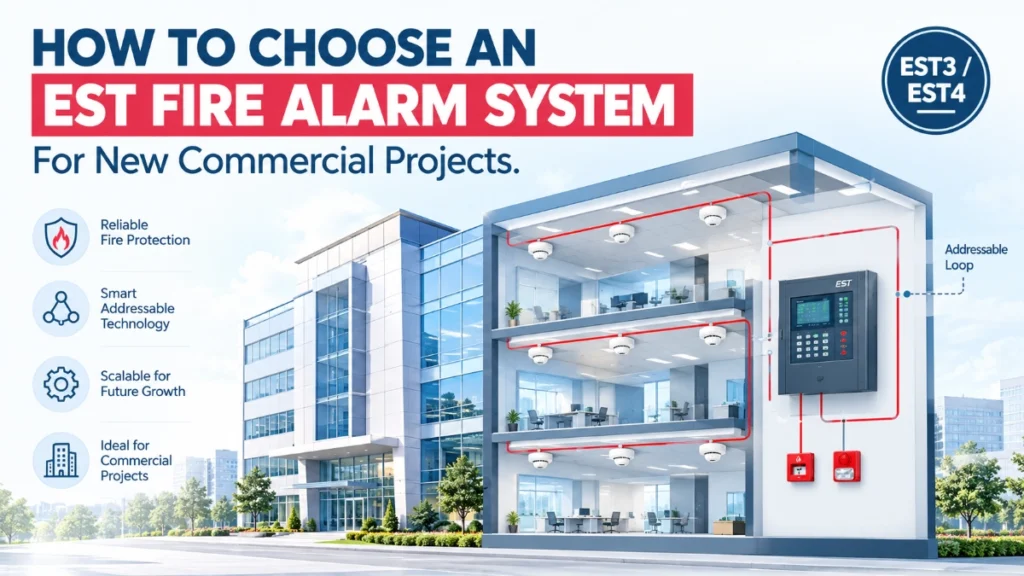
A new commercial building is still at the design stage. The project team knows it needs an addressable fire alarm system, but the harder question isn’t which panel to buy; it’s what the system will be asked to do over the life of the building. How many devices will it eventually support? How should floors […]
