
Difference Between a Connected Fire Alarm System and an Intelligent Fire Alarm Ecosystem
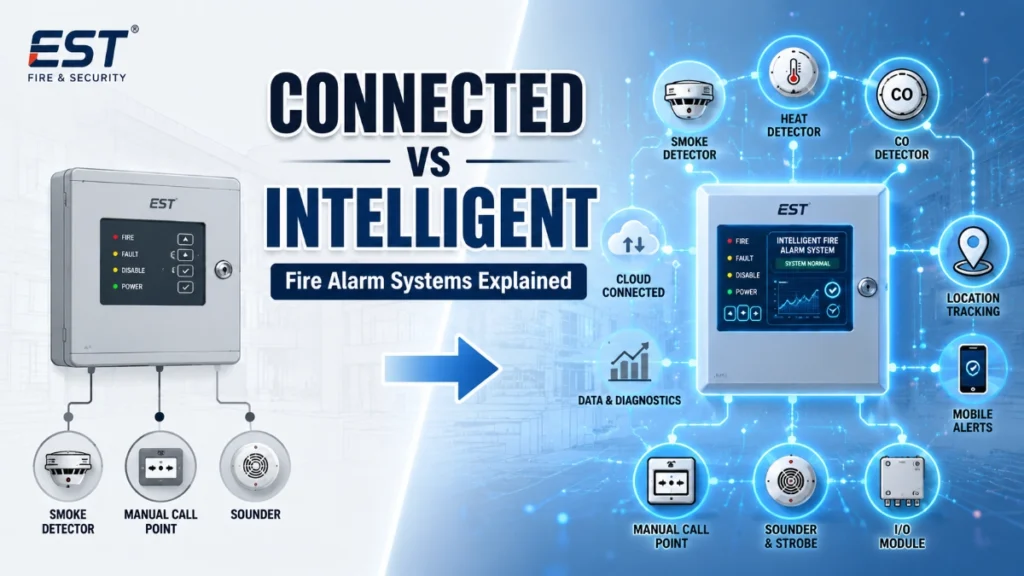
A fire alarm panel connected to a network, BMS, or remote monitoring platform may look like a smart fire alarm system. Lights blink on a dashboard, and alarms route to a central station. But connectivity alone does not create intelligence. The real difference shows up in how the system detects conditions, interprets device information, exposes […]
How Fire Alarm System Architecture Changes When Buildings Become Smarter
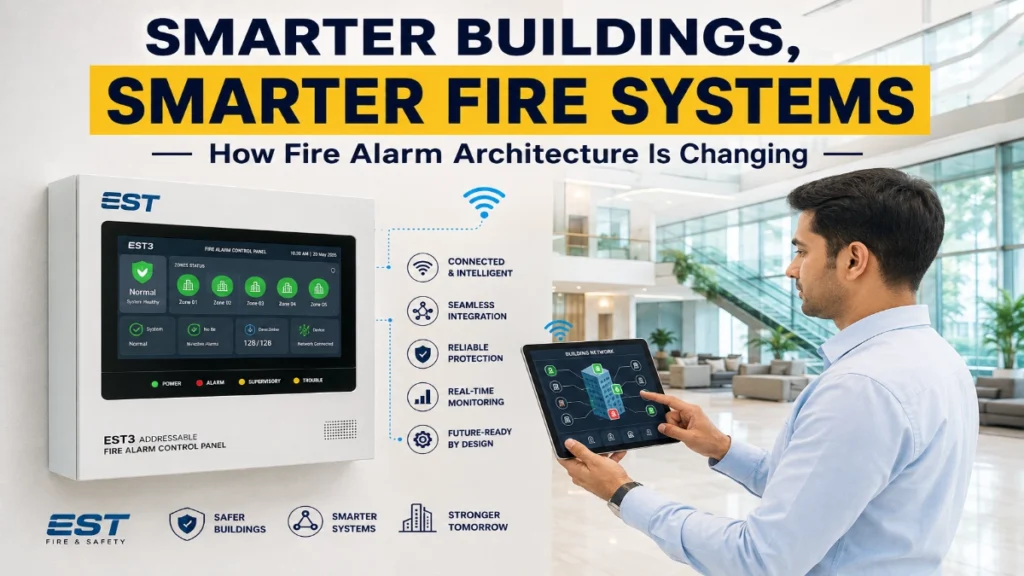
Fire alarm maintenance is essential, but in an occupied hospital, factory, data centre, or commercial campus, poorly planned maintenance can disrupt operations. The solution is not to reduce maintenance; it is to engineer the infrastructure so testing, upgrades, troubleshooting, and expansion happen with minimal unnecessary disruption. Operational continuity has become a design priority in its […]
Designing Fire Alarm Systems That Minimise Operational Interruptions
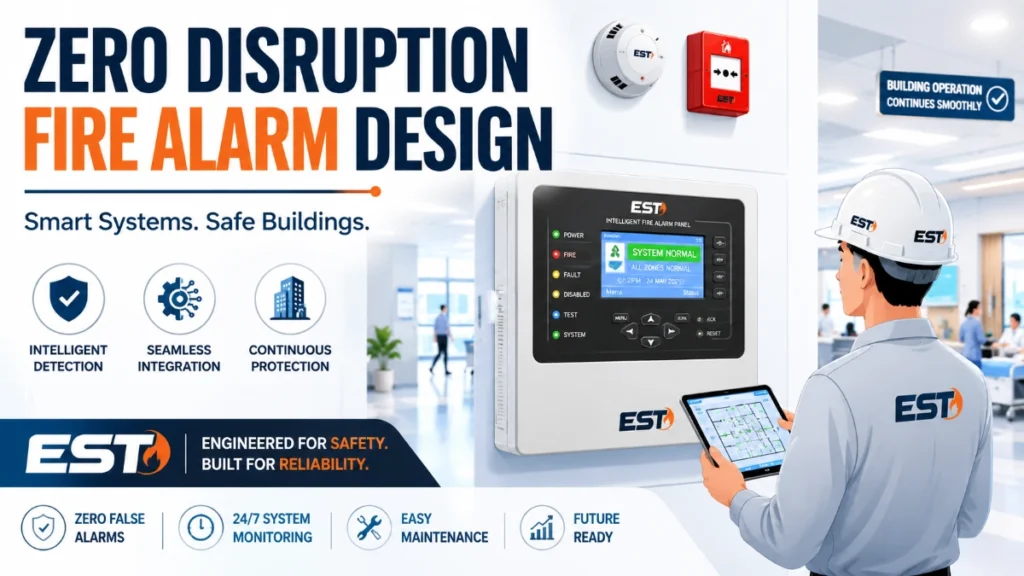
Fire alarm maintenance is essential, but in an occupied hospital, factory, data centre, or commercial campus, poorly planned maintenance can disrupt operations. The solution is not to reduce maintenance; it is to engineer the infrastructure so testing, upgrades, troubleshooting, and expansion can happen with minimal unnecessary disruption. Buildings rarely stand still. Tenants change, production lines […]
How Design Decisions Affect Fire Alarm Lifecycle Costs
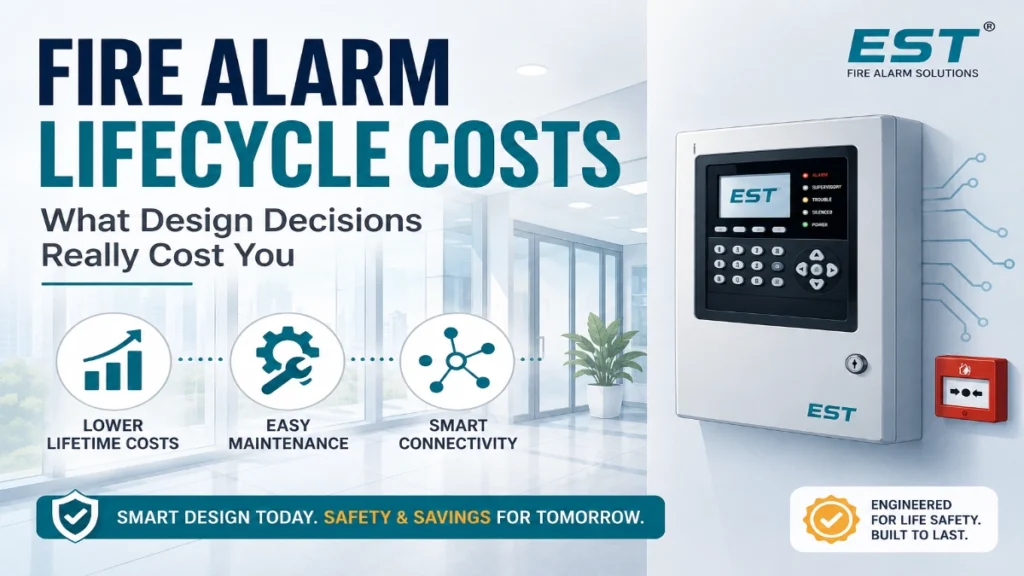
A fire alarm system that costs less to install can sometimes cost significantly more to operate, maintain, expand, and modernise. The reason is simple: many of the costs an organisation pays over the next 10–20 years are determined by design decisions made before the first detector is installed. Most procurement conversations focus on the initial […]
Digital Fire Alarm Records: A New Standard for Enterprise Facilities
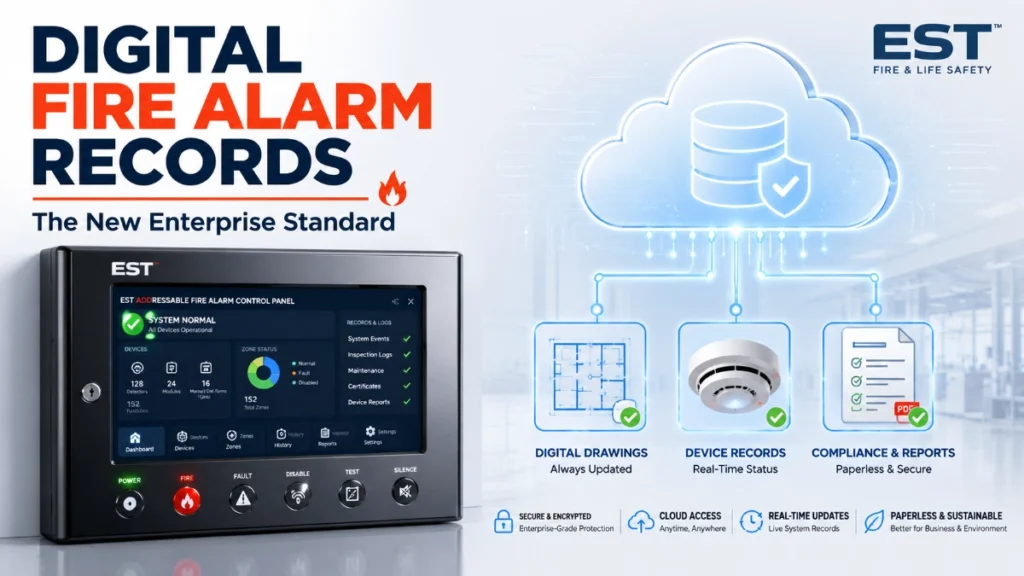
Many enterprise facilities invest heavily in advanced fire alarm systems but continue managing critical documentation through paper files, spreadsheets, and disconnected folders. During maintenance, inspections, audits, or emergency troubleshooting, finding the right drawing or testing record can take valuable time. Digital fire alarm records are transforming how organisations manage life safety infrastructure by making essential […]
Why Fire Alarm Specifications Matter More Than Product Brochures
Many fire alarm projects begin with glossy product brochures highlighting advanced features and attractive specifications. Yet experienced fire protection consultants know that brochures rarely define successful projects; engineering specifications define them. A well-written specification establishes performance expectations, installation requirements, testing procedures, expansion strategies, and lifecycle objectives long before equipment reaches the site. Introduction Brochures are […]
Fire Alarm Infrastructure Decisions That Affect Every Future Expansion
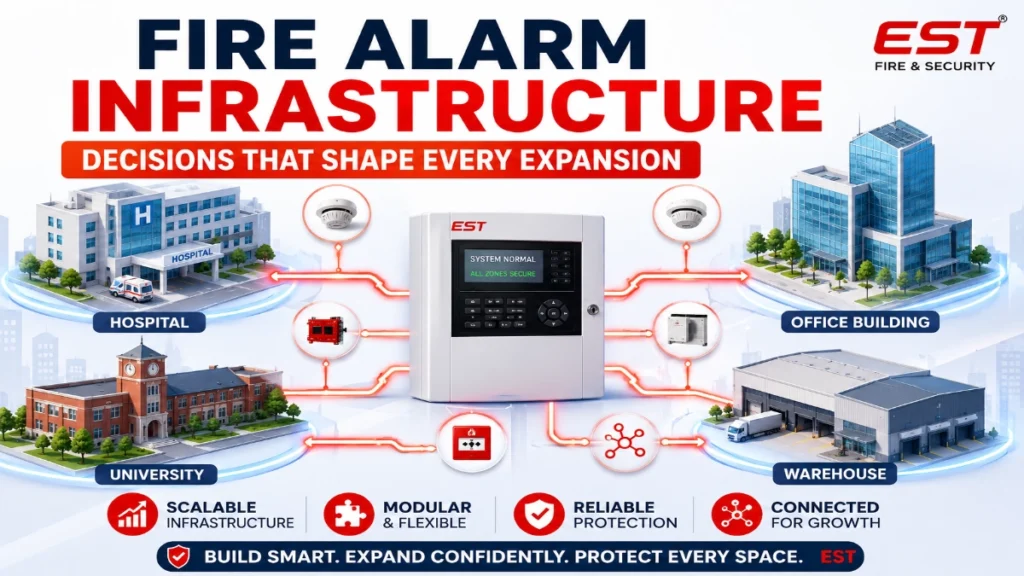
Many organisations assume that expanding a fire alarm system is as simple as adding more detectors or installing another panel. In reality, expansion costs are often determined years earlier during the original infrastructure design. Decisions about network architecture, spare capacity, device standardisation, and communication topology can either simplify future growth or make every expansion more […]
The Engineering Behind High-Availability Fire Alarm Systems
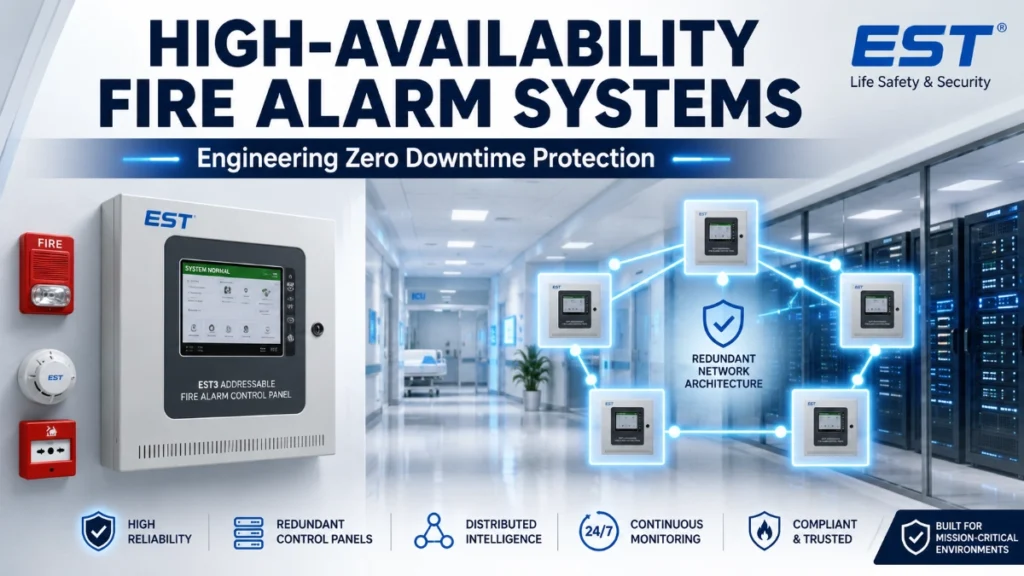
In enterprise fire protection, reliability alone is no longer enough. Hospitals, airports, data centres, manufacturing plants, and commercial campuses require fire alarm systems that remain operational even when individual components fail. This engineering philosophy, known as high availability, focuses on eliminating single points of failure and ensuring continuous life safety protection under real-world conditions. A […]
Why Fire Alarm Infrastructure Should Be Designed Like Enterprise IT Networks
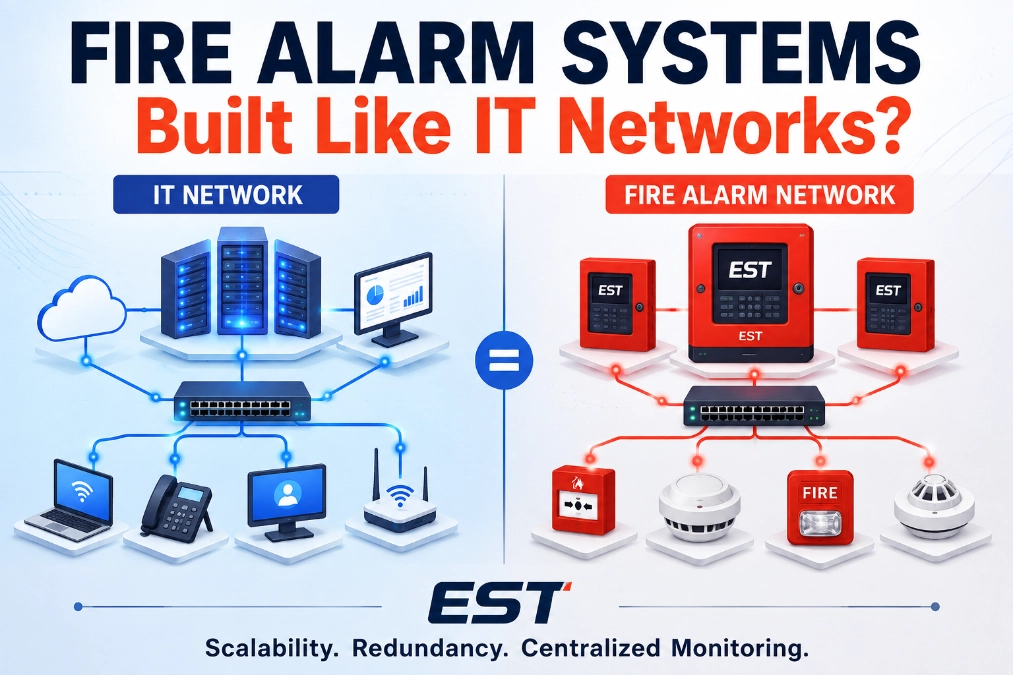
Enterprise IT networks are rarely designed only for today’s users. They are built with scalability, redundancy, centralised management, cybersecurity, and future expansion in mind. Surprisingly, these same engineering principles are becoming equally important in modern fire alarm infrastructure. As buildings become smarter and more connected, life safety systems must evolve from standalone panels into resilient […]
Managing Fire Alarm Obsolescence in Enterprise Buildings
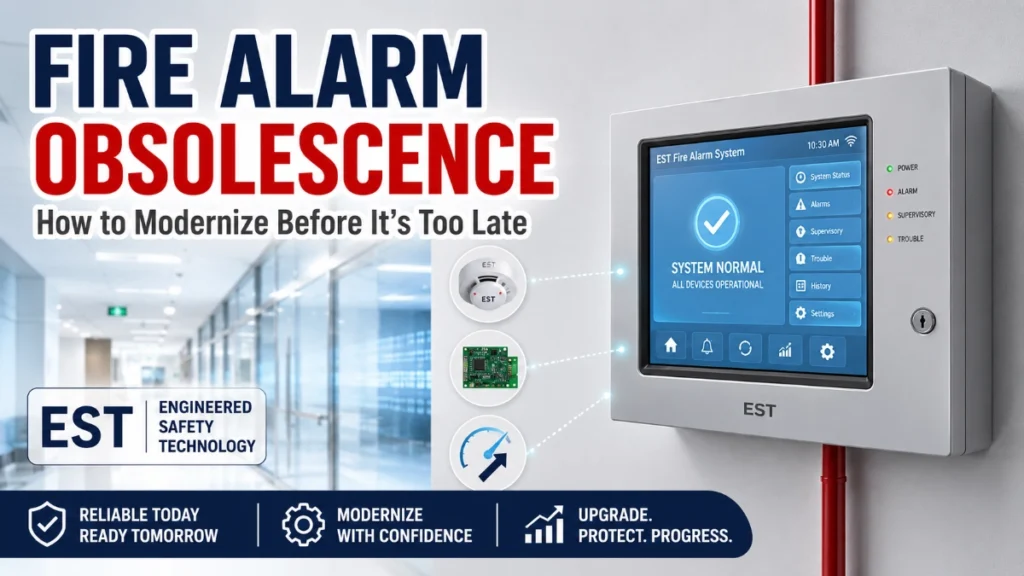
Most enterprise fire alarm systems don’t fail overnight; they gradually become harder to maintain. Replacement parts become scarce, software support ends, expansion becomes difficult, and integration with newer building technologies becomes increasingly limited. Organisations that recognise these warning signs early can modernise strategically rather than react in an emergency. Introduction Every fire alarm system has […]
Fire Alarm Integration Without Increasing System Complexity
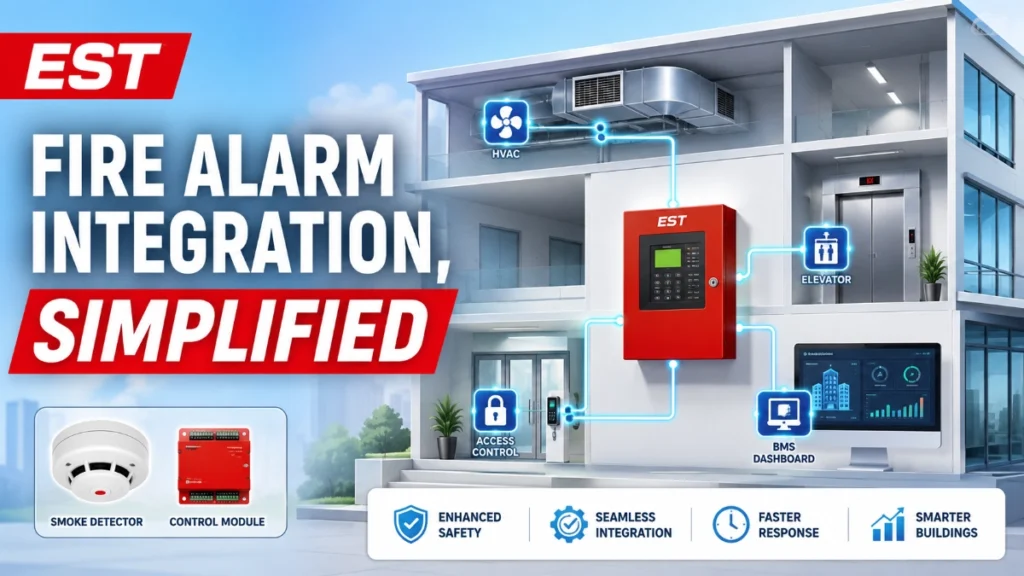
Modern buildings rely on dozens of intelligent systems from HVAC and elevators to access control and building management platforms. When a fire emergency occurs, these systems must work together seamlessly. The challenge isn’t integrating everything; it’s integrating intelligently without creating unnecessary complexity that makes operation, maintenance, or future expansion more difficult. Introduction As buildings become […]
Why Large Campuses Need Scalable Fire Alarm Infrastructure
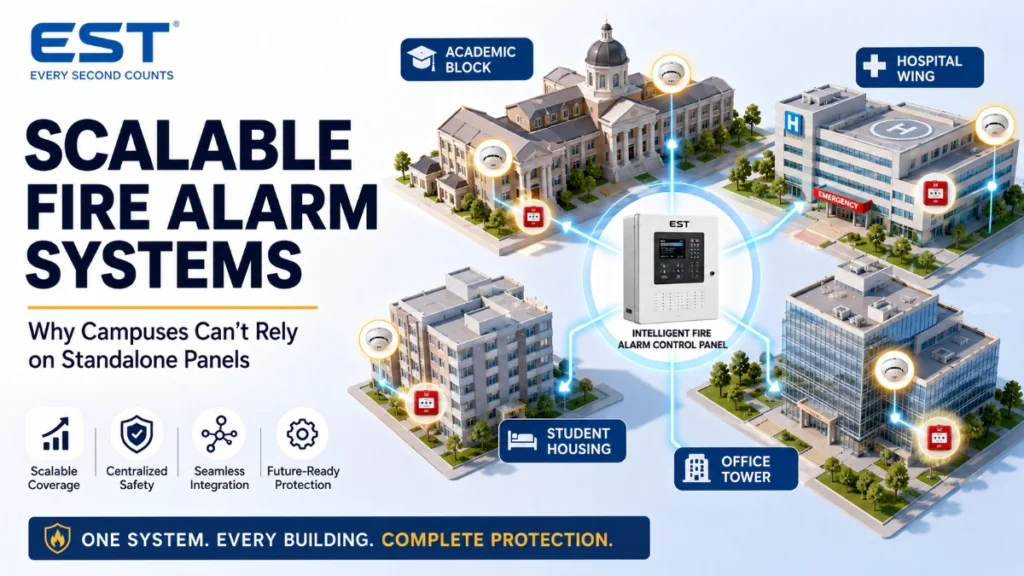
Modern campuses rarely remain the same for long. New academic blocks, hospitals, office towers, warehouses, production units, and research facilities are added over time. A fire alarm system designed only for today’s footprint can become costly and difficult to expand. Scalable fire alarm infrastructure enables organisations to grow while maintaining consistent life-safety protection across the […]
