
Why Fire Alarm Faults Should Be Analysed as Patterns, Not Individual Events
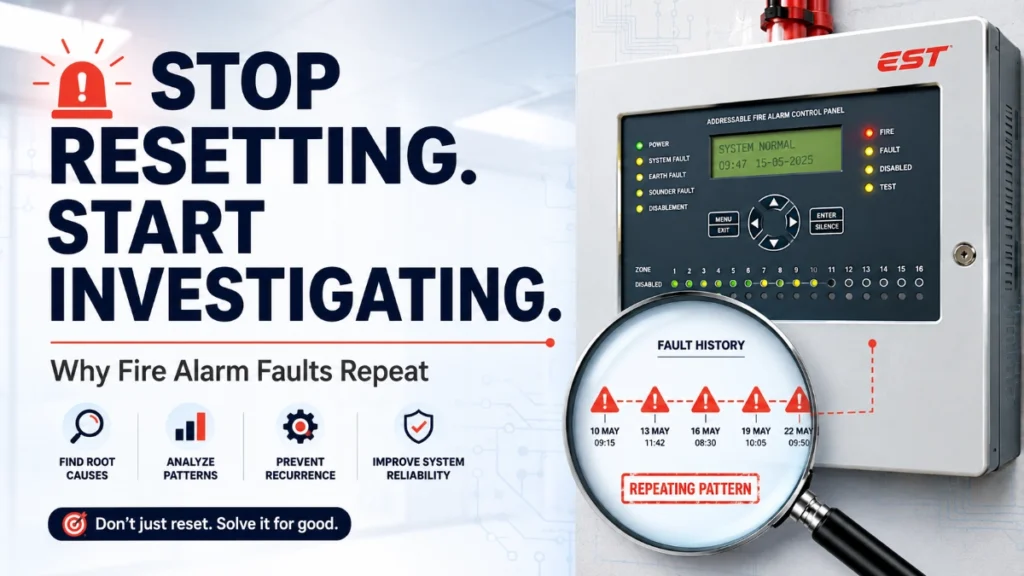
A detector faults on Monday. A technician resets the panel and the log shows normal. Two weeks later, the same fault reappears and gets reset again. Six weeks later, it happens once more during a site walkdown, when nobody has time to dig in. Viewed alone, each event looks minor. But three faults on the […]
The Hidden Engineering Behind a Multi-Building Fire Alarm Network
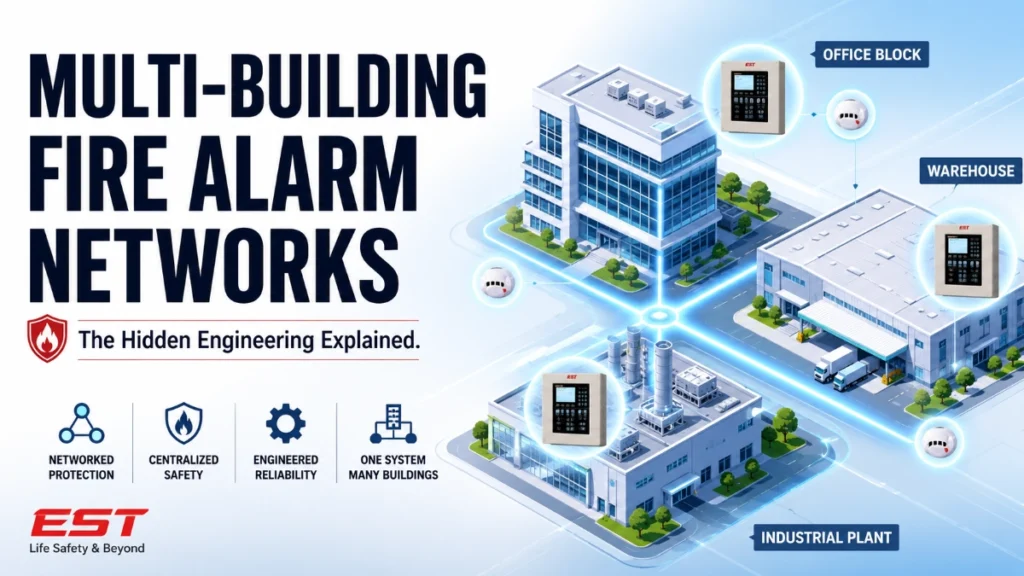
A single-building fire alarm system is forgiving. If a loop takes an unusual path or a panel sits in a less-than-ideal location, the consequences are usually minor. A multi-building fire alarm network does not offer that same margin. The moment two or more panels need to share alarm status, supervisory conditions, and cause-and-effect logic across […]
Why Every Large Fire Alarm System Needs a Lifecycle Strategy
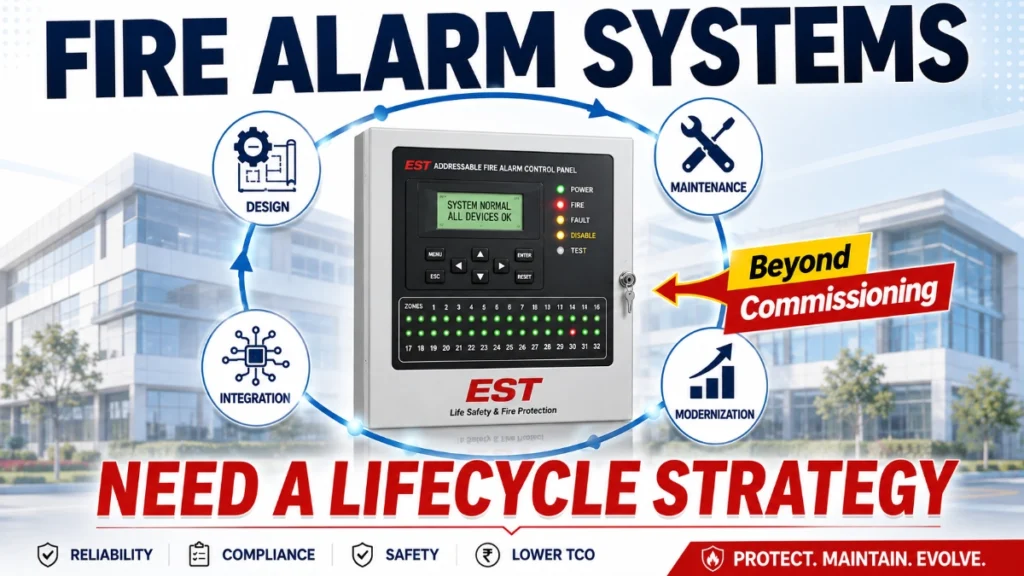
A fire alarm system can be fully operational today and still be poorly prepared for tomorrow. As buildings expand, devices age, technologies change, and support requirements evolve, the system that once met a project’s needs can gradually become harder to maintain. For large, networked, multi-panel installations, this gap between “working” and “well-managed” widens every year. […]
Why Fire Alarm System Scalability Is Often Misunderstood by Project Teams
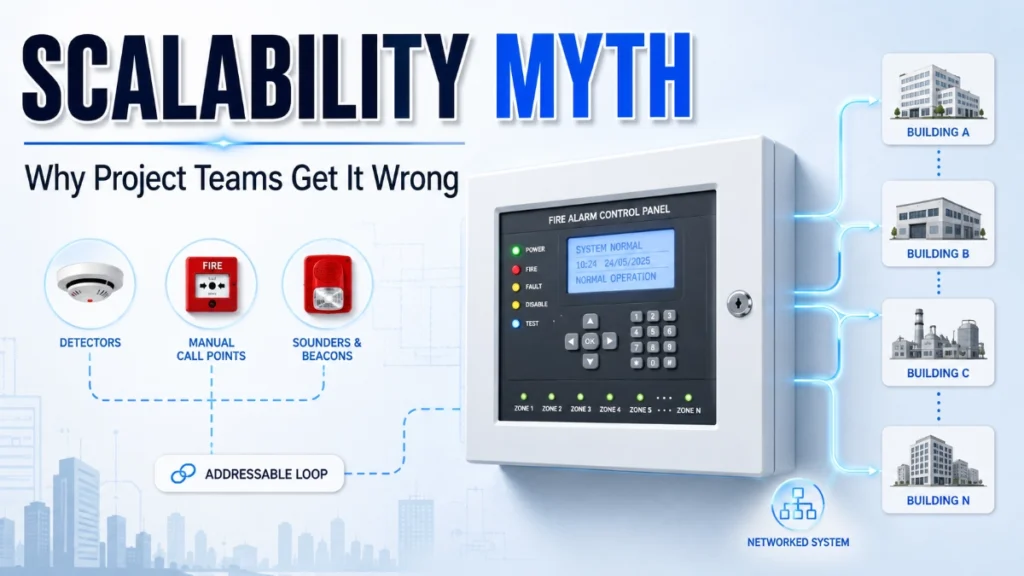
Most project teams treat fire alarm scalability as a spare-capacity number on a datasheet: how many more devices a panel can technically hold. In practice, scalability is rarely limited by the panel. It’s limited by the wiring topology, power budgets, and network architecture, all decided months before anyone thought about expansion at all. This gap […]
Why Fire Alarm System Modernisation Is Not Just About Replacing the Panel
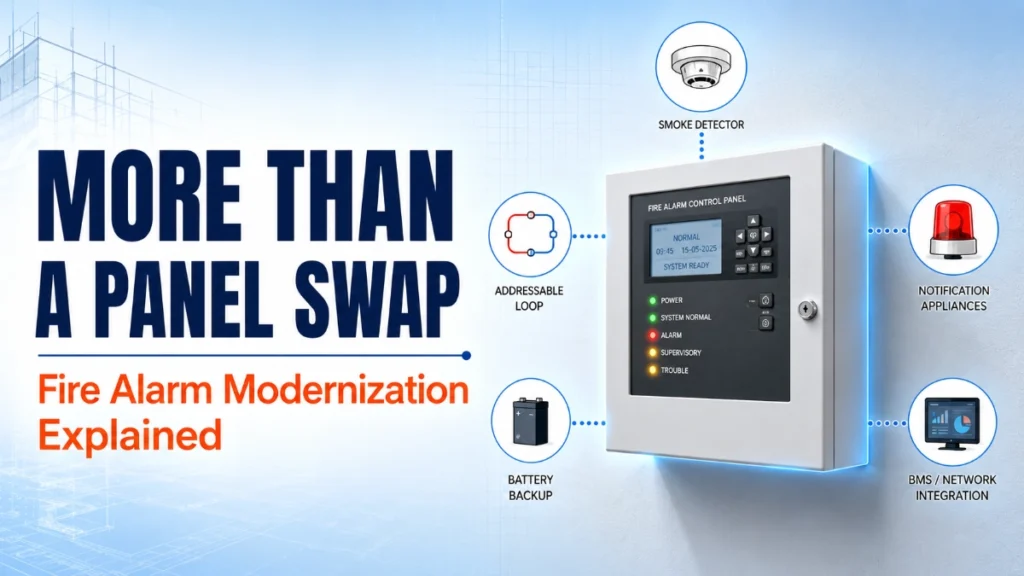
Replacing an ageing fire alarm panel may look like the obvious modernisation strategy. But if the detectors are obsolete, the wiring is undocumented, the cause-and-effect logic is unclear, and the existing interfaces are incompatible, a new panel may solve only one part of the problem. Many facility teams treat fire alarm system modernisation as an […]
Why Fire Alarm Engineers Should Treat Configuration Files Like Critical Assets
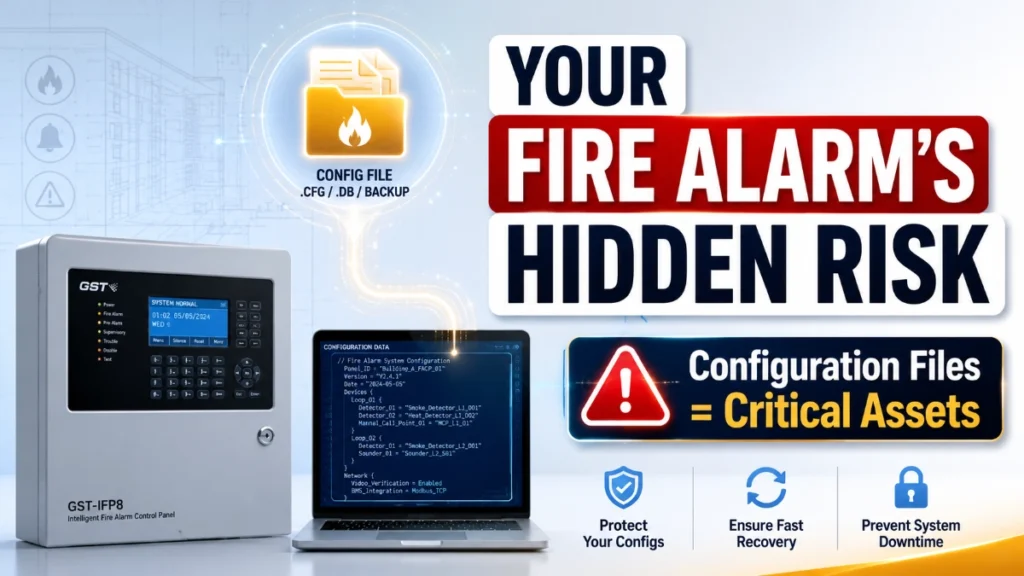
A fire alarm control panel can be physically healthy, its detectors operational, and its wiring intact. However, years of engineering knowledge can still disappear if the system’s configuration file is lost, outdated, or controlled by only one person. Most fire alarm teams focus on physical assets: panels, detectors, modules, wiring, batteries. Configuration files rarely get […]
How Fire Alarm System Architecture Influences Future Maintenance Costs
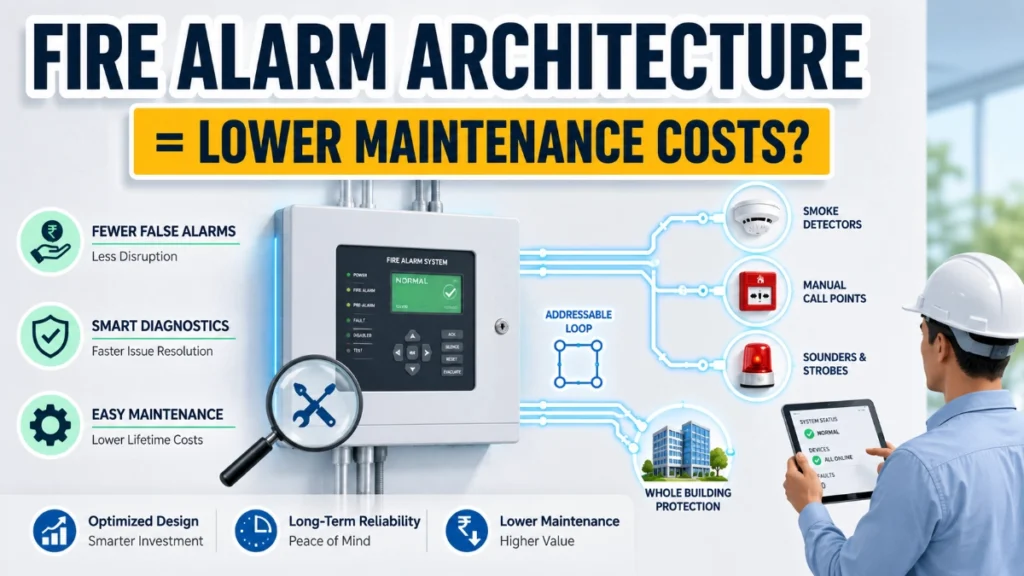
The cost of maintaining a fire alarm system is often assumed to begin after installation. In reality, many maintenance challenges are set years earlier when engineers decide how the system is structured, networked, documented, and expanded. Two buildings with nearly identical detectors and panels can have very different maintenance experiences simply because of architecture. Maintenance […]
Why Fire Alarm Fault History Is More Valuable Than Most Teams Realise
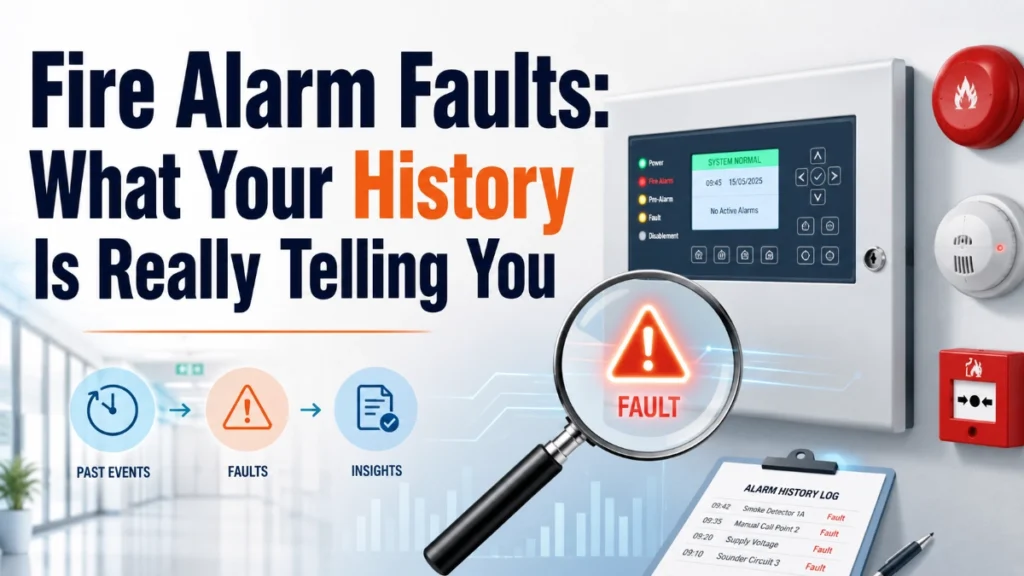
Most maintenance teams see a fire alarm fault, correct it, reset the panel, and move on. But what if the real value isn’t that it occurred once, but the pattern hidden across months of system history? Repeated faults can sometimes reveal issues individual inspections fail to show. Fire alarm fault history is often treated as […]
Why Fire Alarm System Specifications Are Becoming More Important Than Product Features
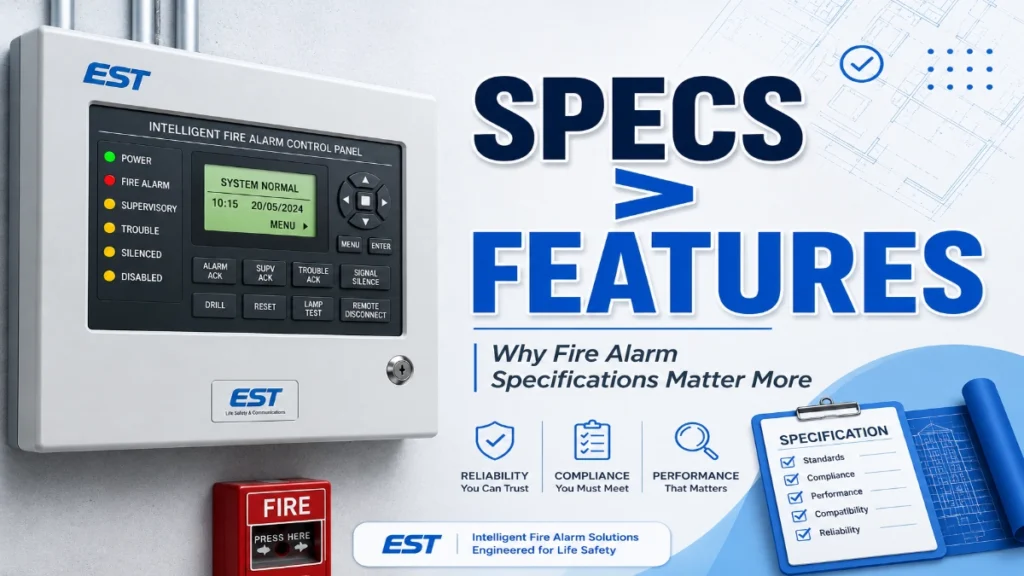
A fire alarm panel may offer more zones, more devices, more connectivity, and more advanced features, but does that automatically make it the right system for a project? Not necessarily. In modern fire alarm engineering, the better question is whether the system satisfies the project’s technical specification, integration requirements, environmental conditions, compliance obligations, and lifecycle […]
Why Fire Alarm Integration Projects Fail Even When the Hardware Works
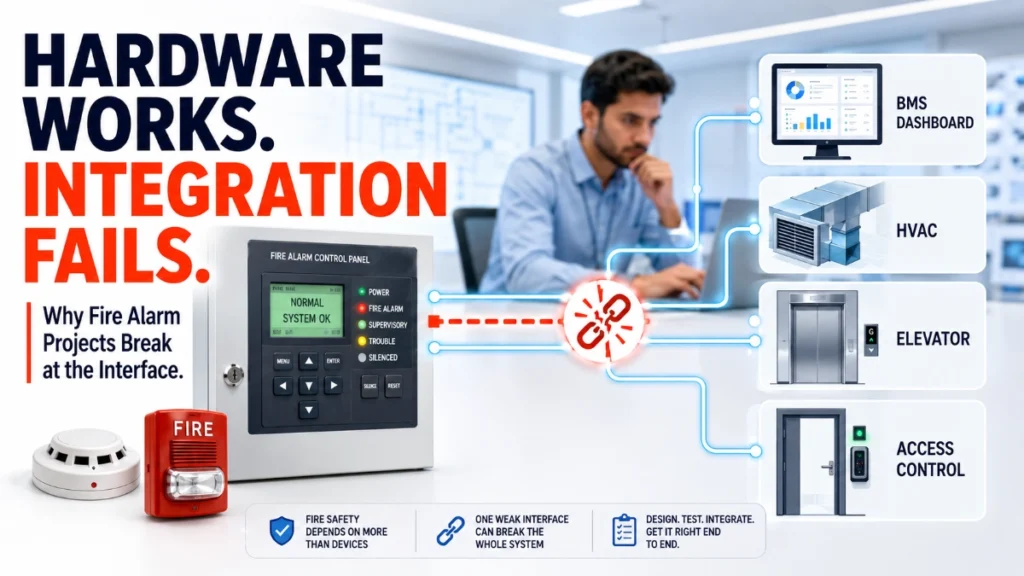
A fire alarm panel can pass its functional test. The BMS can operate normally. HVAC equipment can respond correctly. Elevators can work as designed. Yet the integration project can still fail. The problem is often not the hardware; it is the logic, interfaces, communication, documentation, or coordination between systems. Modern buildings expect the fire alarm […]
How Fire Alarm Engineers Should Think About System Resilience
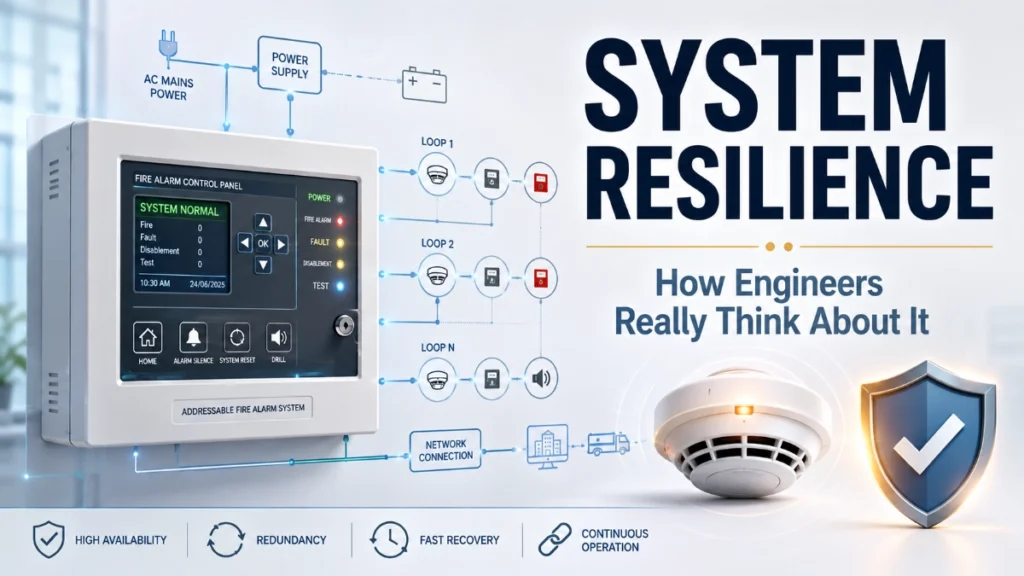
Most fire alarm systems are designed around what should happen during an alarm. Experienced engineers also ask a different question: what happens when something goes wrong? A failed detector, a damaged loop, a communication fault, a power interruption, or a configuration error tests the resilience of the entire architecture. That is why resilience should be […]
Why Fire Alarm System Testing Is Becoming a Data Management Challenge
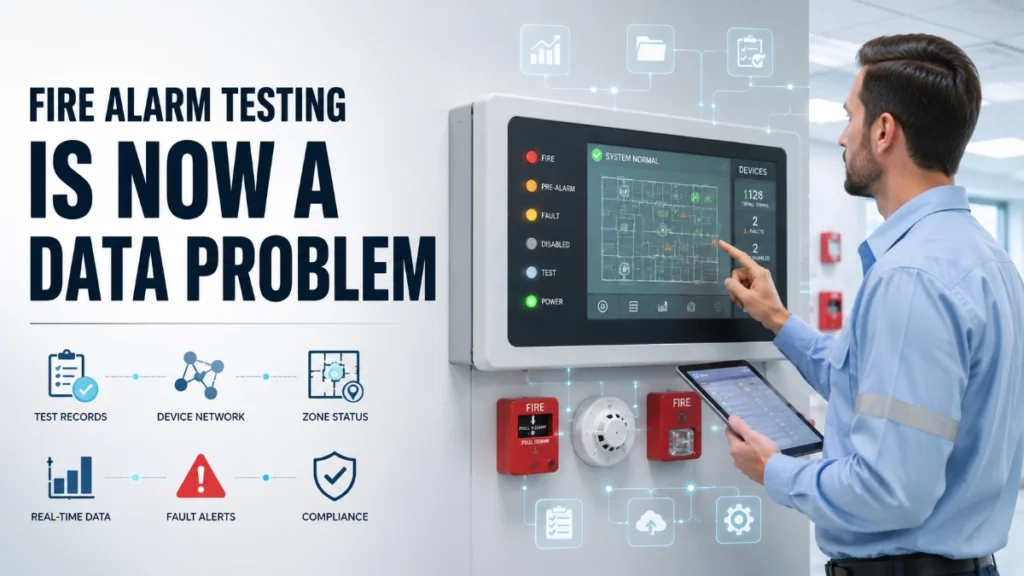
Testing a fire alarm system sounds straightforward: activate a device, confirm the alarm, record the result, and move on. But that process looks very different when a facility contains hundreds or thousands of addressable devices, multiple fire alarm panels, networked buildings, recurring maintenance schedules, fault histories, and years of accumulated test records. At that point, […]
