
How to Plan EST Fire Alarm Expansion for a Growing Industrial Facility
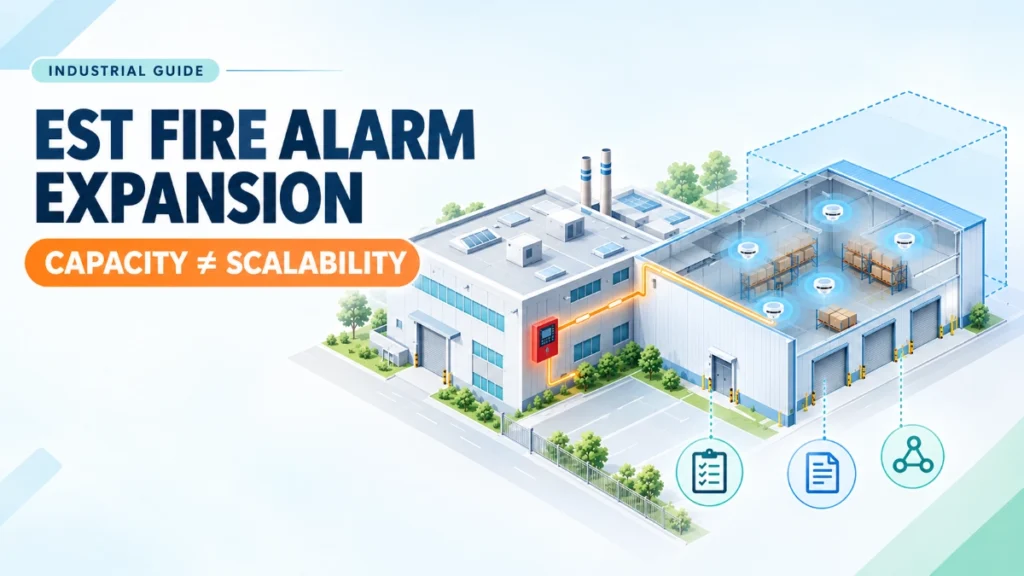
A manufacturing facility is adding a new production line and a warehouse extension. The existing EST fire alarm system works correctly, so the project team assumes the expansion only needs more detectors, modules, and notification devices. Then the engineering questions start. How much existing capacity is actually usable? Are the drawings current? Which cause-and-effect actions […]
How Engineers Should Handle Fire Alarm Changes Made After Initial Testing
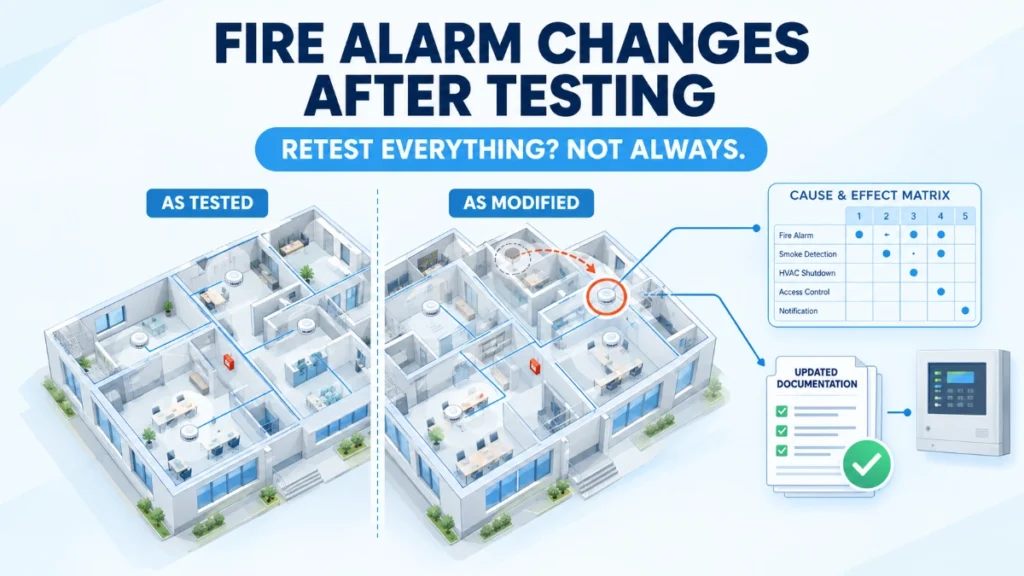
A fire alarm system has completed testing. Before final handover, the client requests a room modification. A detector is relocated, an interface is changed, or an additional device is installed. The physical work takes an hour, and the test records are already signed. The change may look minor, but the original testing was performed against […]
How Personnel Changes Can Create Hidden Fire Alarm Knowledge Gaps

An experienced fire alarm engineer leaves a facility. The system keeps running: panels healthy, routine tests uneventful. Months later, a recurring fault appears on one device group, and the building owner proposes a modification in the same area. The new team has drawings and manuals. Nobody can say why a particular interface was configured that […]
Why Fire Alarm System Boundaries Matter in Large Industrial Projects
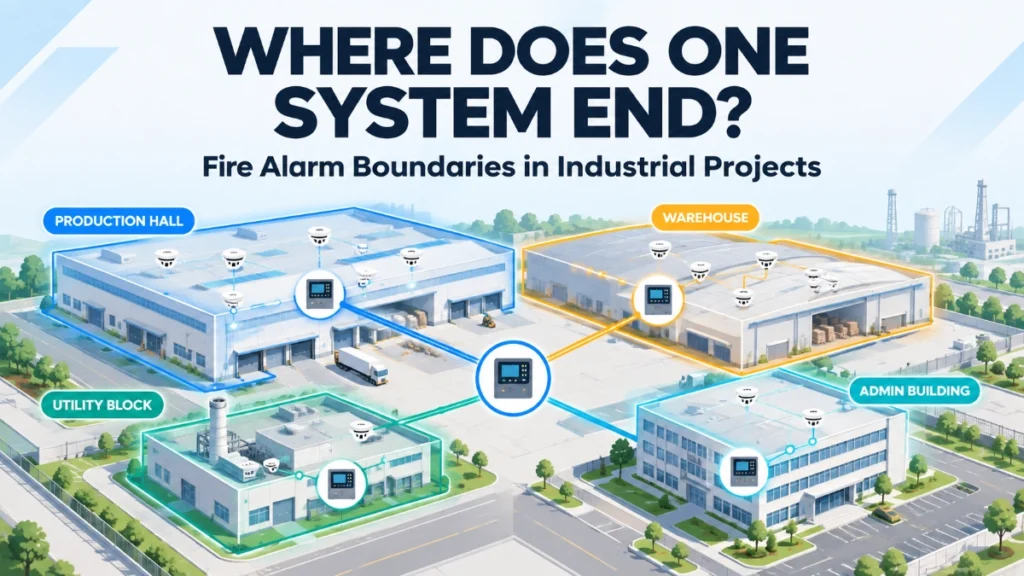
A manufacturing campus has a production building, warehouse, utility block, administration building, and support facilities. Each area has its own operating team and its own fire protection requirements. During a modification project, engineers find that one fire alarm interface is connected to equipment serving a different operational area. The question is no longer “Does the […]
Why Detector Selection and Detector Accessibility Should Be Evaluated Together

A detector is installed in a high-level industrial area. It is technically appropriate for the environment, sized correctly for the space, and provides the intended coverage at handover. Commissioning passes without issue. Months later, a routine test is due. The technician arrives and discovers that reaching the detector requires a scissor lift, a permit to […]
What Event Sequences Can Reveal About Hidden Fire Alarm System Problems
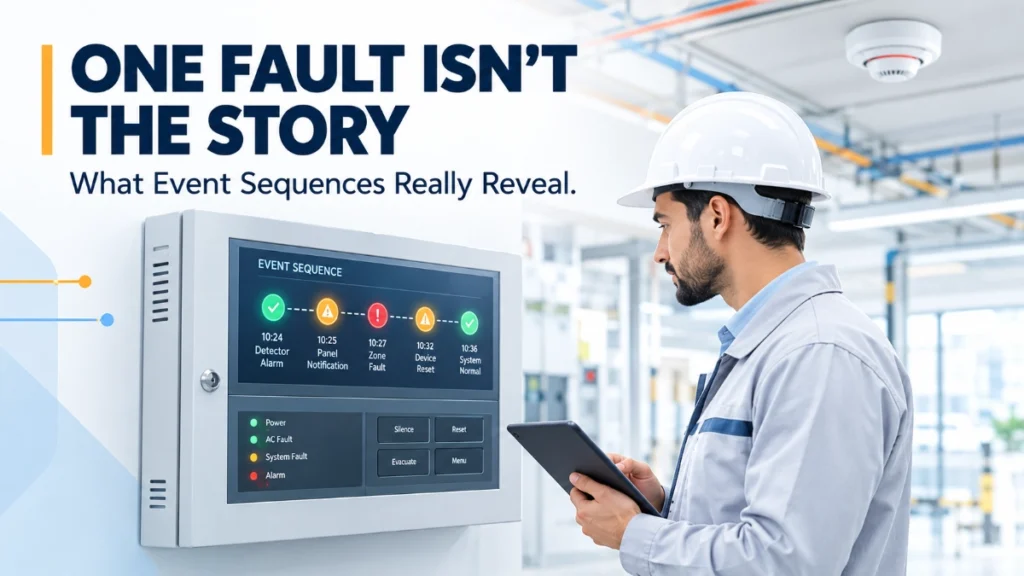
A fire alarm panel reports a device fault. A technician inspects the device and finds nothing wrong. The fault is reset. Several hours later, another event appears in the same area. Later still, a communication-related event shows up on the same loop. Treated individually, each of these looks like a minor, unrelated nuisance. Reviewed as […]
How to Prevent Single Points of Failure in a Networked Fire Alarm System
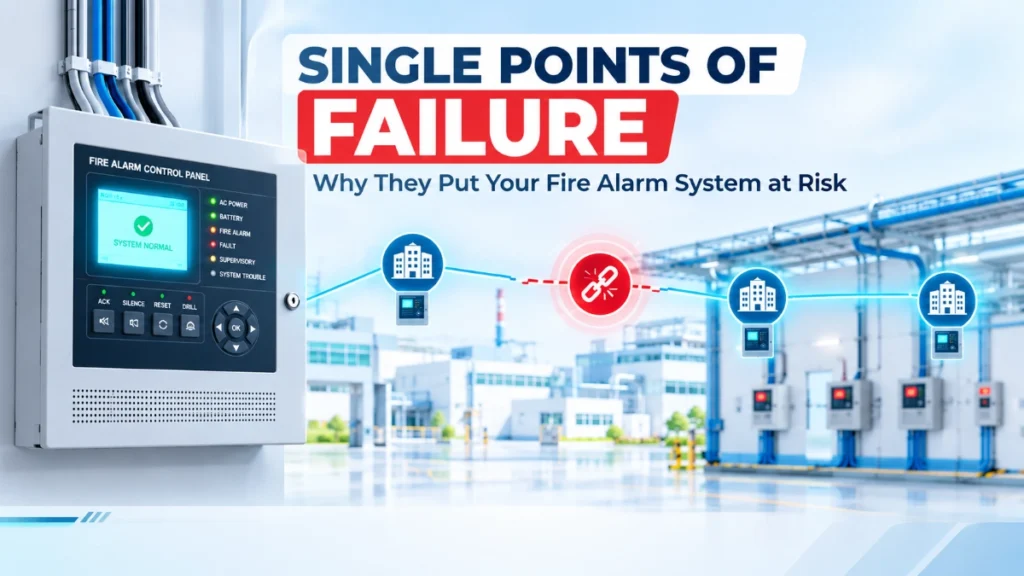
A large industrial campus has fire alarm panels distributed across production buildings, warehouses, utilities, and administration blocks. On paper, the system looks resilient: multiple panels, multiple zones, a shared monitoring interface tying it all together. Then a single communication card fails, and three buildings lose visibility at the central station simultaneously. Nothing was technically wrong […]
When Does an Industrial Project Need a Networked EST Fire Alarm System?
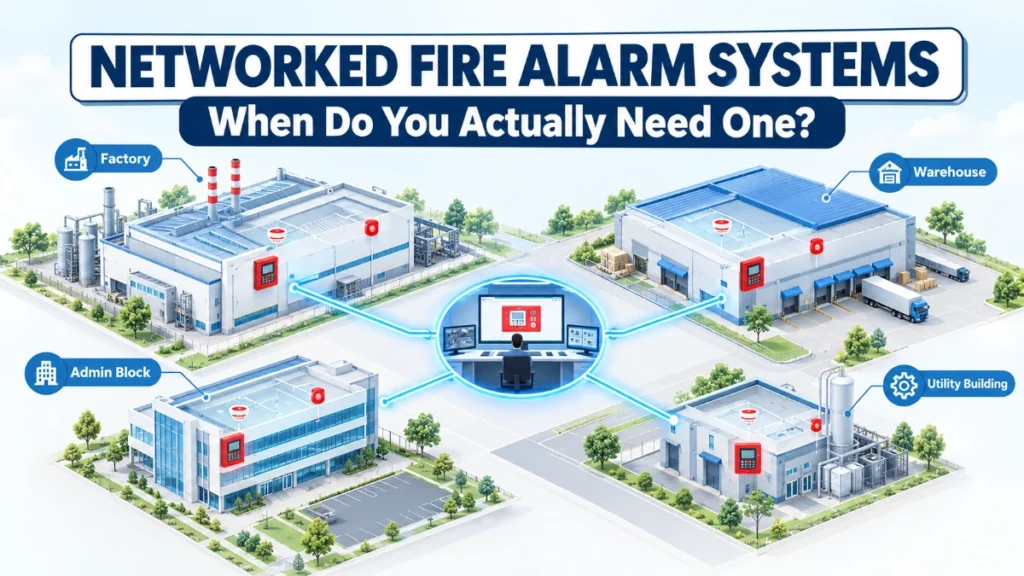
A manufacturing campus often starts small. One production building, one fire alarm control panel, one detection zone map that fits on a single sheet. Years later, the same site has grown into something else entirely: a second production block, a warehouse, a utility building, an administration wing, and several new process areas. Each addition arrived […]
How to Evaluate Edwards Fire Alarm Products for a Large Industrial Project
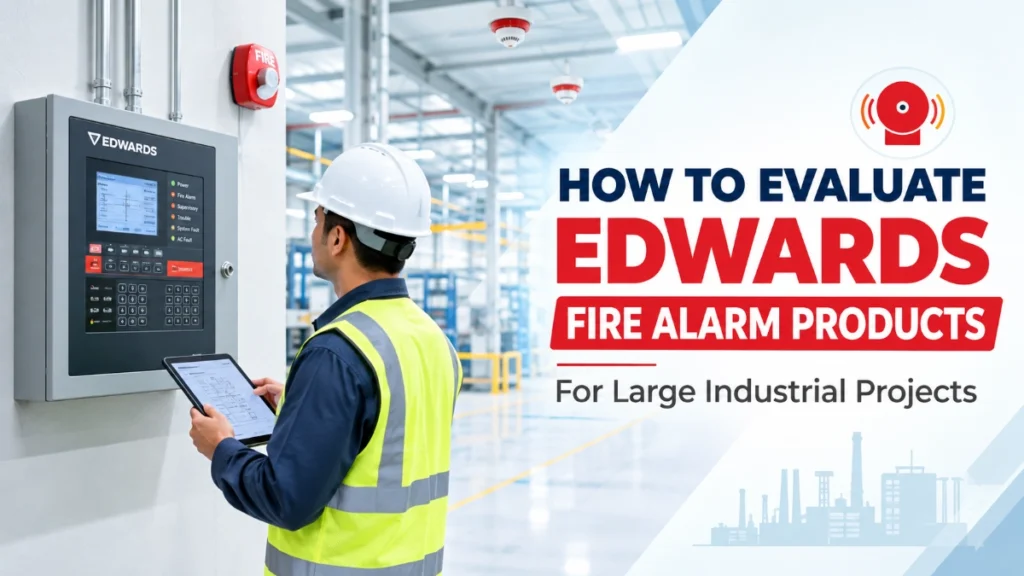
A large manufacturing facility, a warehouse campus, a process plant, or a multi-building industrial site is preparing its fire alarm bill of quantities. The project team is comparing panels, detectors, modules, notification appliances, networking components, and integration interfaces across multiple vendors. The default approach is often to select individual products based on datasheet specifications and […]
Why “No Fault Found” Does Not Mean the Fire Alarm System Is Healthy
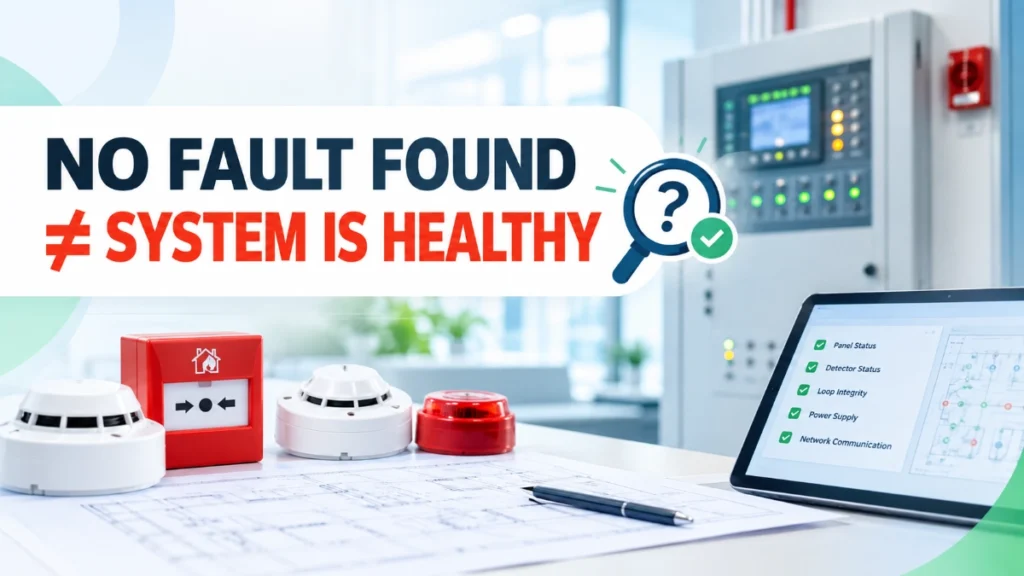
A facility reports a fire alarm fault. An engineer attends, checks the panel and the field device, reviews the available information, and finds no active fault. The system looks normal, so the ticket is closed. Several days later, the same issue appears again. Was the system healthy, or was the investigation simply unable to reproduce […]
Difference Between Fire Alarm Capacity and Real-World System Scalability
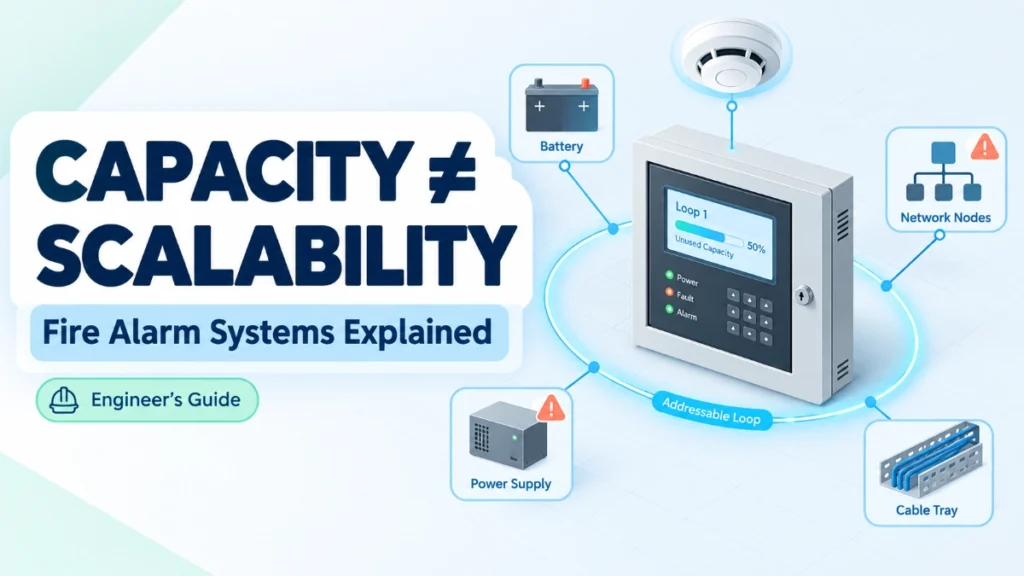
An industrial facility commissions an addressable fire alarm panel with substantial unused device capacity. Two years later, it adds a production area, a warehouse extension, new interfaces, additional detection zones, and a separate building. On paper, the panel still has room. In practice, the team is now dealing with loop loading, power requirements, network architecture, […]
Why ELV Integration Fails When Cause-and-Effect Is Designed Too Late
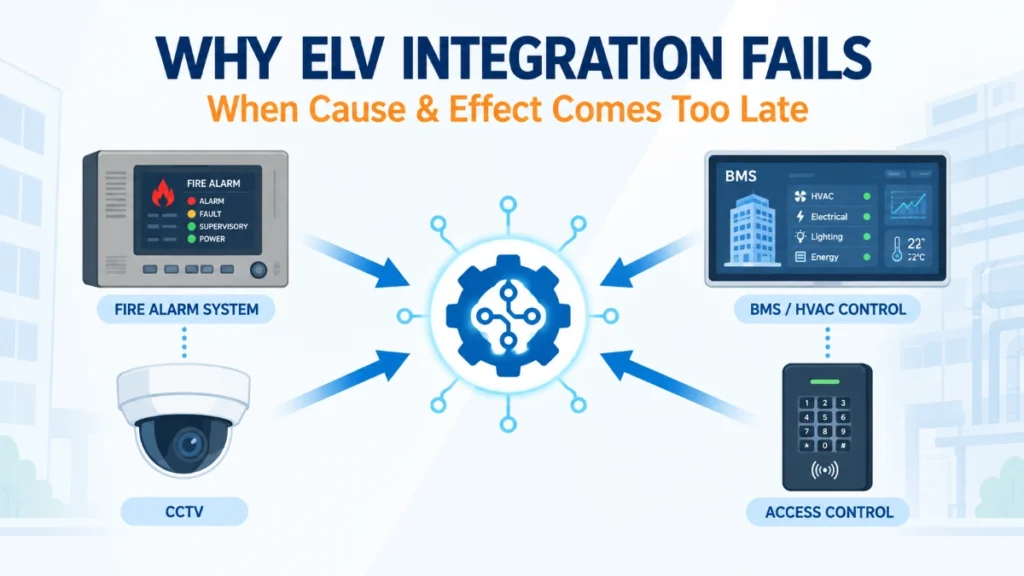
A commercial or industrial project typically has separate teams designing the fire alarm, access control, CCTV, BMS, HVAC, lift, and PA/VA systems. Each team works to its own scope, its own drawings, and its own commissioning schedule. Individually, every system performs as specified. Then, close to commissioning, someone finally asks the question that should have […]
