
Fire Alarm Configuration Drift: How Small Changes Can Break Design Intent
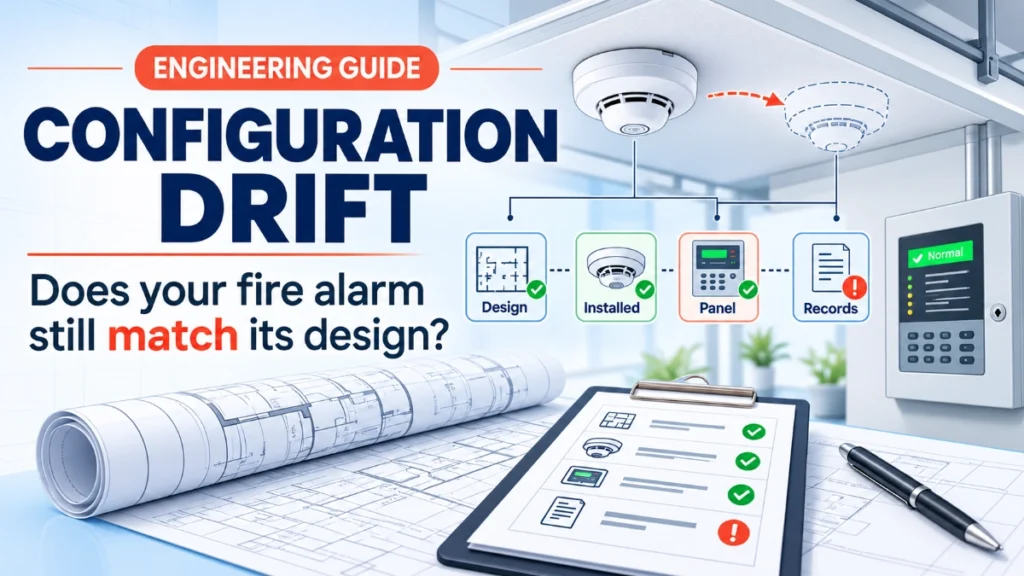
Introduction: When the Installed System No Longer Matches the Approved Design A warehouse operator adds a mezzanine. During the work, a contractor replaces a damaged smoke detector and moves a second one by three metres to clear new ductwork. Both devices test well, and the fire alarm control panel shows normal. Months later, a consultant […]
How Process Exhaust Systems Can Influence Fire Detection Strategy
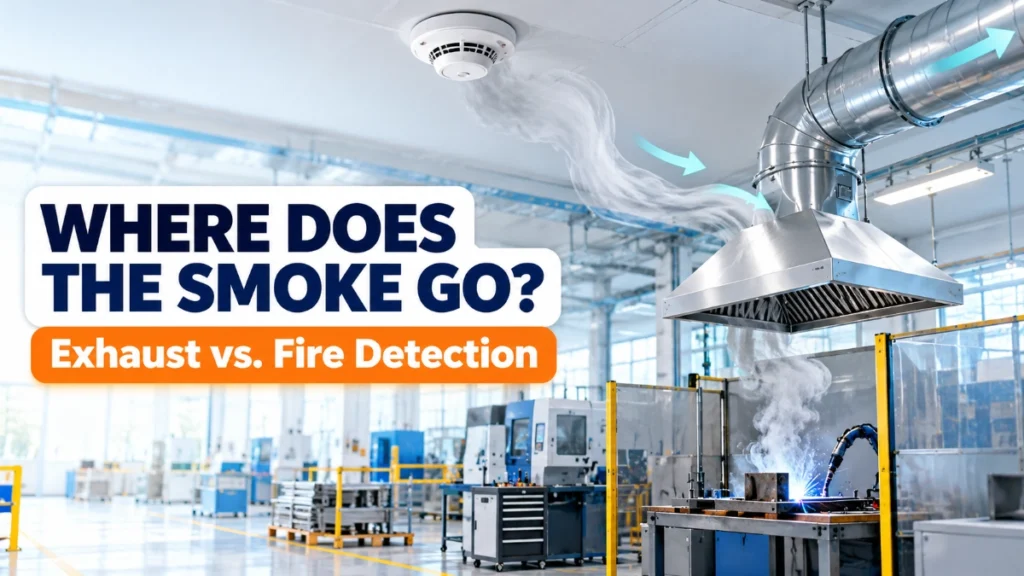
Consider a detector installed exactly where the layout drawing says it should be. It sits inside the spacing grid, on a flat ceiling, with no obvious obstruction. Directly beneath it, a local exhaust hood draws air from a heated process at a steady rate. During a smoke test, the test smoke bends toward the hood […]
The Production Line Moved. What Happened to Fire Detection Coverage?
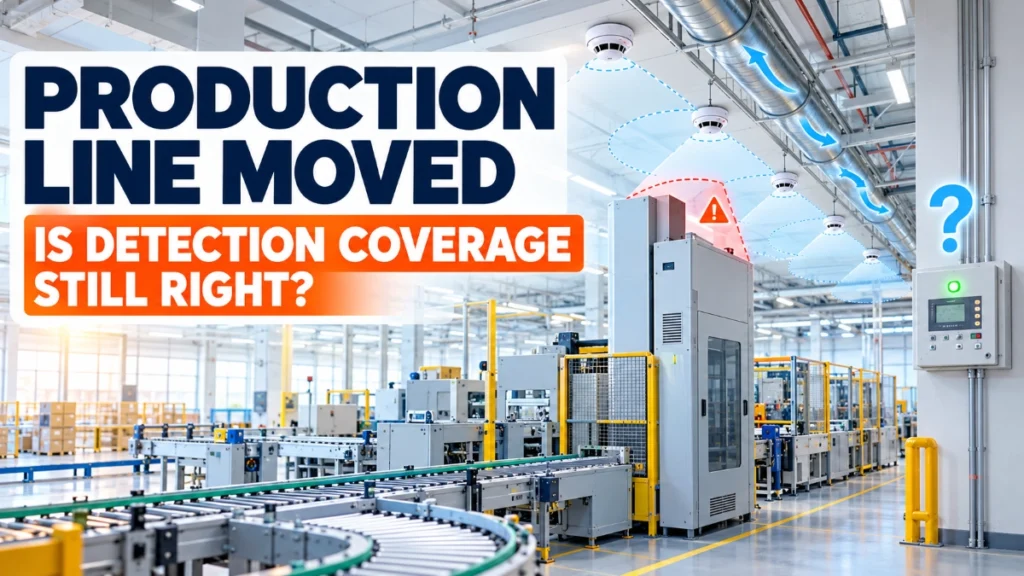
Over a long weekend, a plant relocates a production line to shorten material travel. A taller machine goes in. The conveyor is extended. Pallets are staged along a new aisle, and an extraction hood is added above the process. On Monday, the fire alarm control panel shows the system as normal. Does that confirm the […]
How Fire Alarm Design Should Adapt to Seasonal Industrial Operations
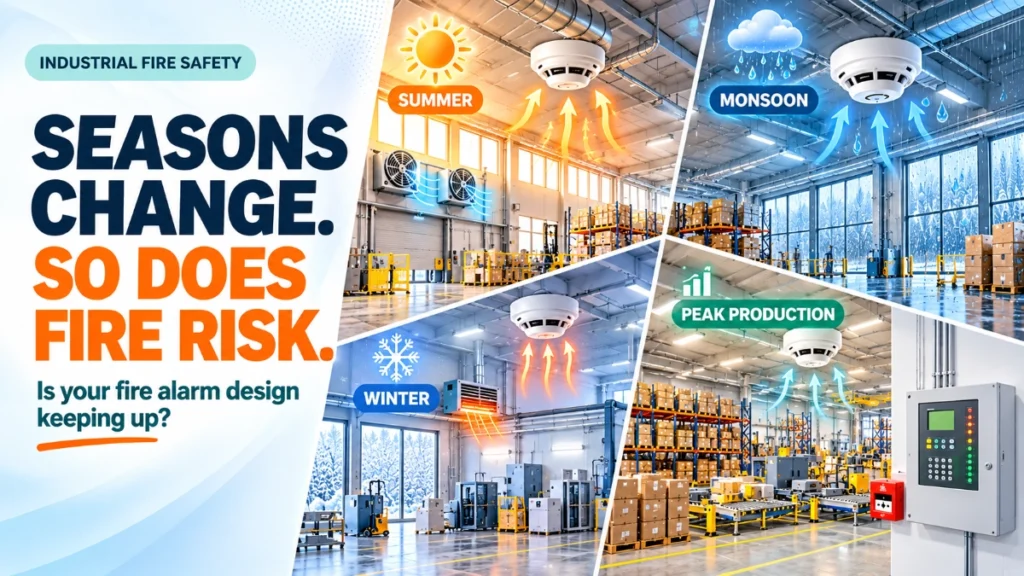
An industrial facility may use the same building all year, but the conditions inside it rarely stay the same. A packaging plant ramps up before a festival season. A cold store takes on extra inventory. A boiler house runs longer in winter. Monsoon humidity rises, ventilation settings change, and a contractor sets up temporary partitions […]
How Dust, Steam and Airflow Can Complicate Fire Detection in Industrial Facilities
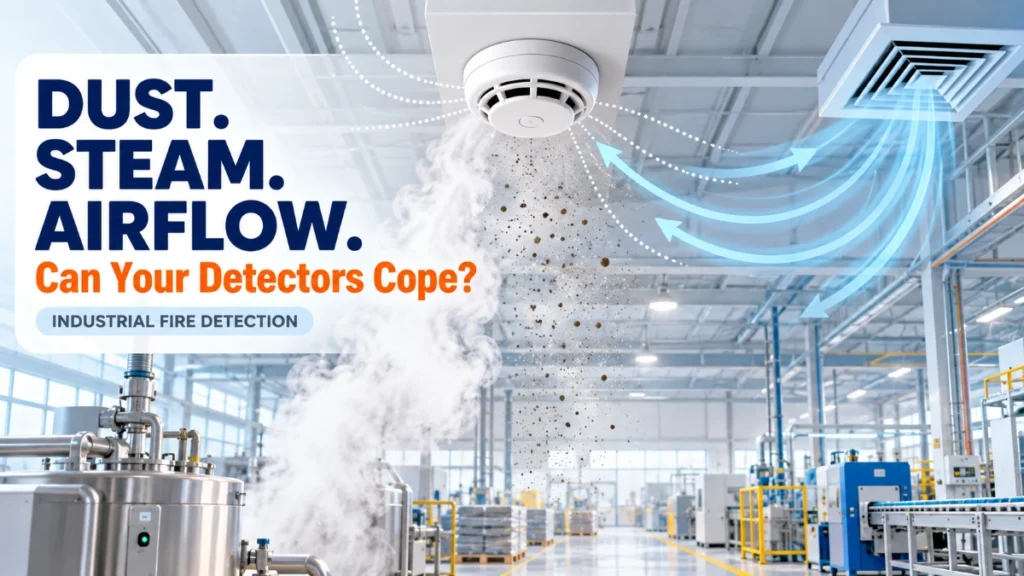
A detector can be technically functional while the surrounding environment makes reliable fire detection harder. The device passes its functional test, the panel shows no faults, and the layout matches the drawing. Yet the air around it carries dust, water vapour, or fast-moving ventilation flows that change what actually reaches the sensing element. That gap […]
Why Fire Alarm Coverage Should Follow Hazard Conditions, Not Just Floor Area
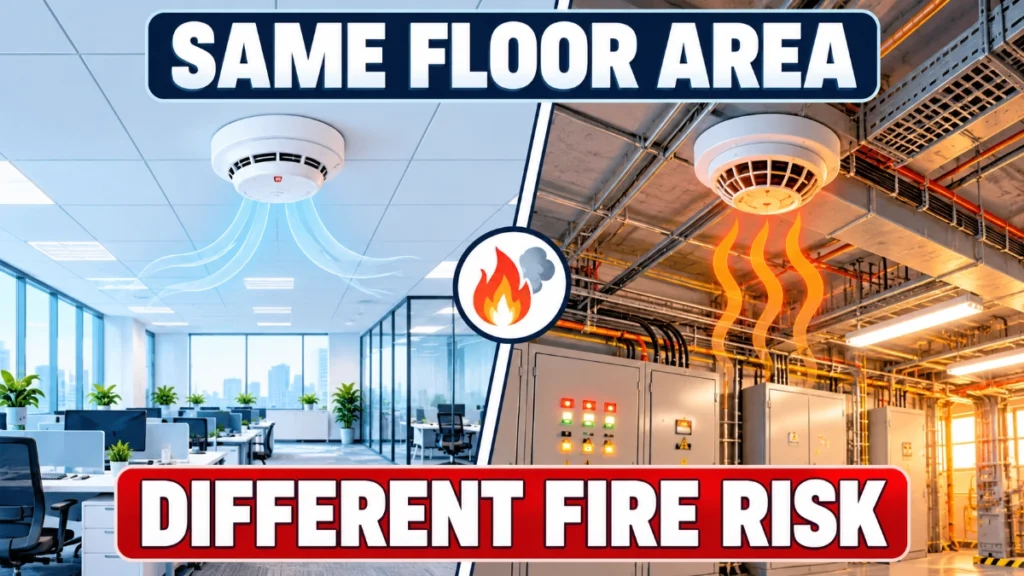
Two rooms can share the same floor area, yet one is an open office and the other holds switchgear, cable trays and a ventilation duct running overhead. A plan that treats both as “N square metres to be covered” ignores everything that decides whether a fire is detected early. Should fire alarm coverage be based […]
How Addressable Device Allocation Affects Fire Alarm Troubleshooting
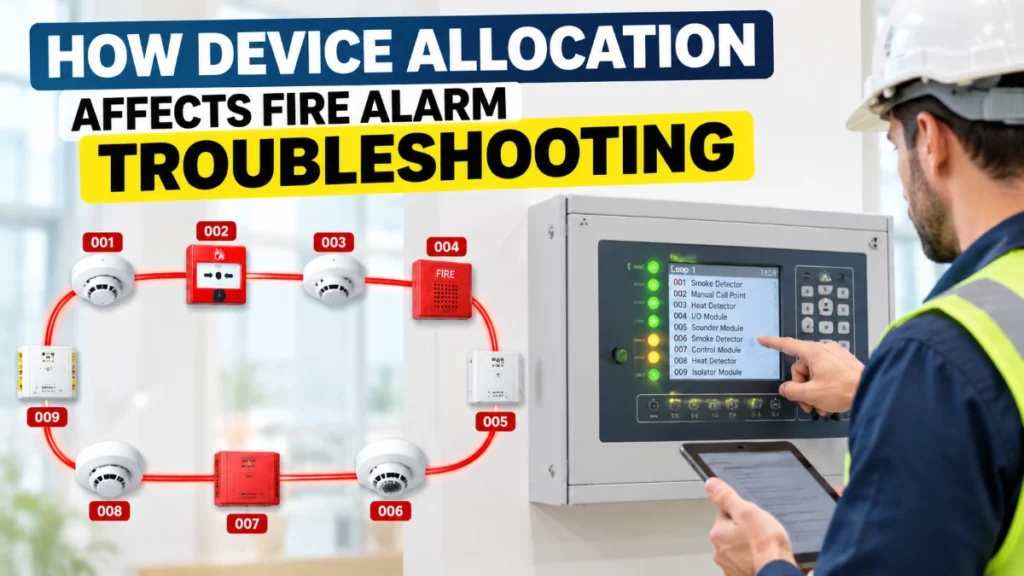
Ask any technician who has spent an hour walking three floors chasing a single fault light, and they’ll tell you: the fire alarm panel rarely lies. But it doesn’t always tell the whole story either. When a communication fault appears on an addressable fire alarm panel, the speed at which an engineer finds the actual […]
How Device Distribution Affects Addressable Fire Alarm System Performance
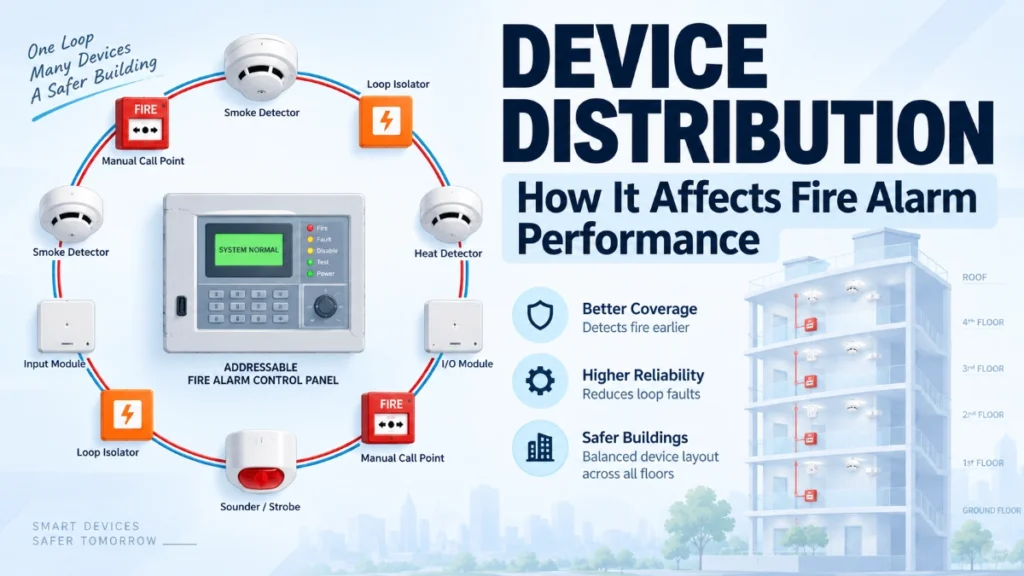
Two addressable loops can carry the same number of devices and behave very differently. One runs quietly for years. The other produces intermittent faults, slow commissioning and difficult fault-finding. The difference often lies in how the devices are distributed along the loop, not in how many there are. This article explains how device distribution influences […]
Ground Faults in Fire Alarm Systems: A Structured Troubleshooting Approach
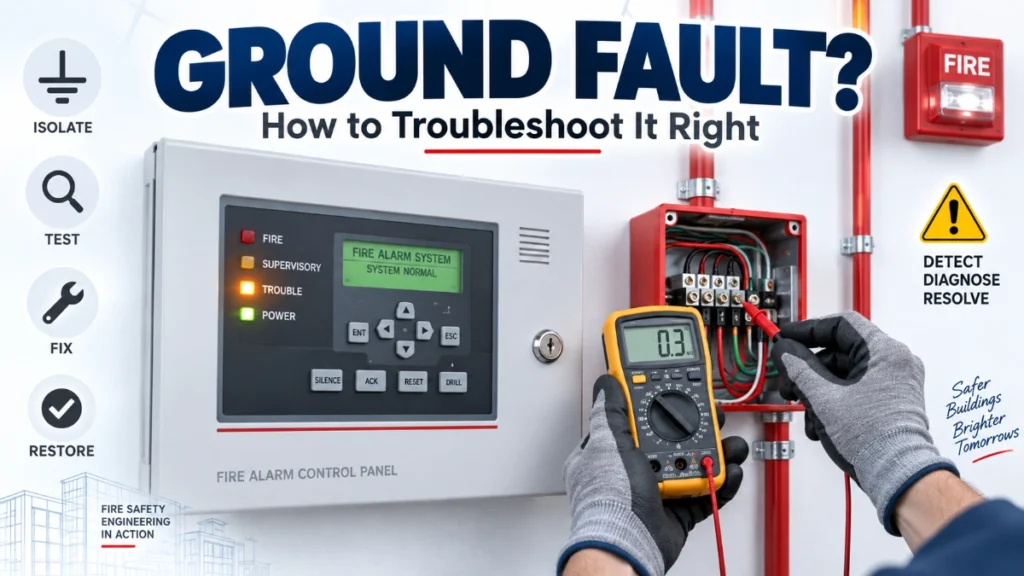
A technician arrives at a commercial building because the fire alarm control panel is showing a persistent ground fault. There is no smoke, no active alarm, and no obvious damage anywhere in sight. The temptation is to start pulling wires off terminals one by one, hoping to stumble onto the problem. This approach rarely works […]
How Much Fire Alarm Capacity Does an Industrial Facility Really Need?
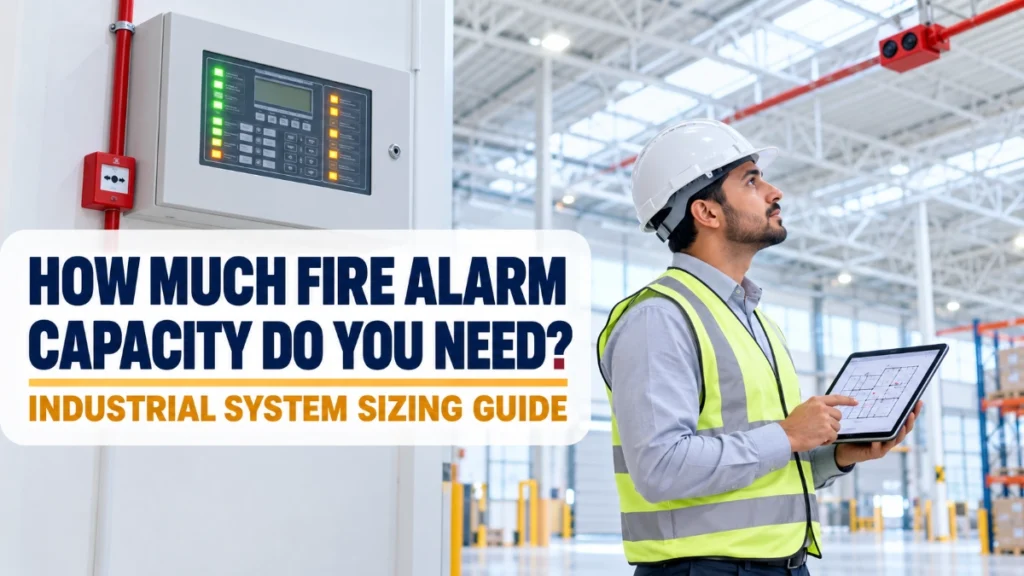
Most industrial fire alarm projects start with the wrong question. Someone counts the detectors on a layout drawing, rounds the number up, and asks a supplier for a panel that “supports that many devices.” The panel arrives. The system gets built. Then the commissioning engineer discovers that half the loop budget went to interface modules […]
Fire Alarm Commissioning vs Functional Testing: What Is the Difference?
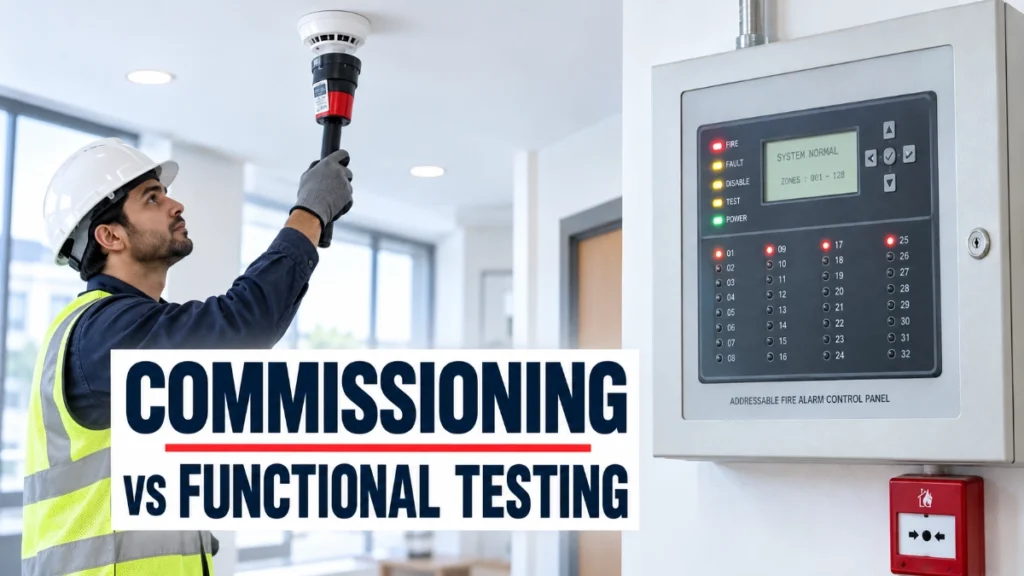
If you manage a building, oversee a fire safety project, or work as a system integrator, you have probably heard the terms “commissioning” and “functional testing” used almost interchangeably. They are not the same activity, and mixing them up can leave a fire alarm system technically installed but practically unreliable. This article explains what each […]
When Should an Existing GST Fire Alarm System Be Upgraded?

A fire alarm panel that still powers on and clears its tests every month can feel like proof that everything is fine. But an installation can pass a basic functional check and still be quietly falling behind through parts that are no longer manufactured, wiring that has aged past its rated life, or a building […]
